Introduction: The Evolution of Esports
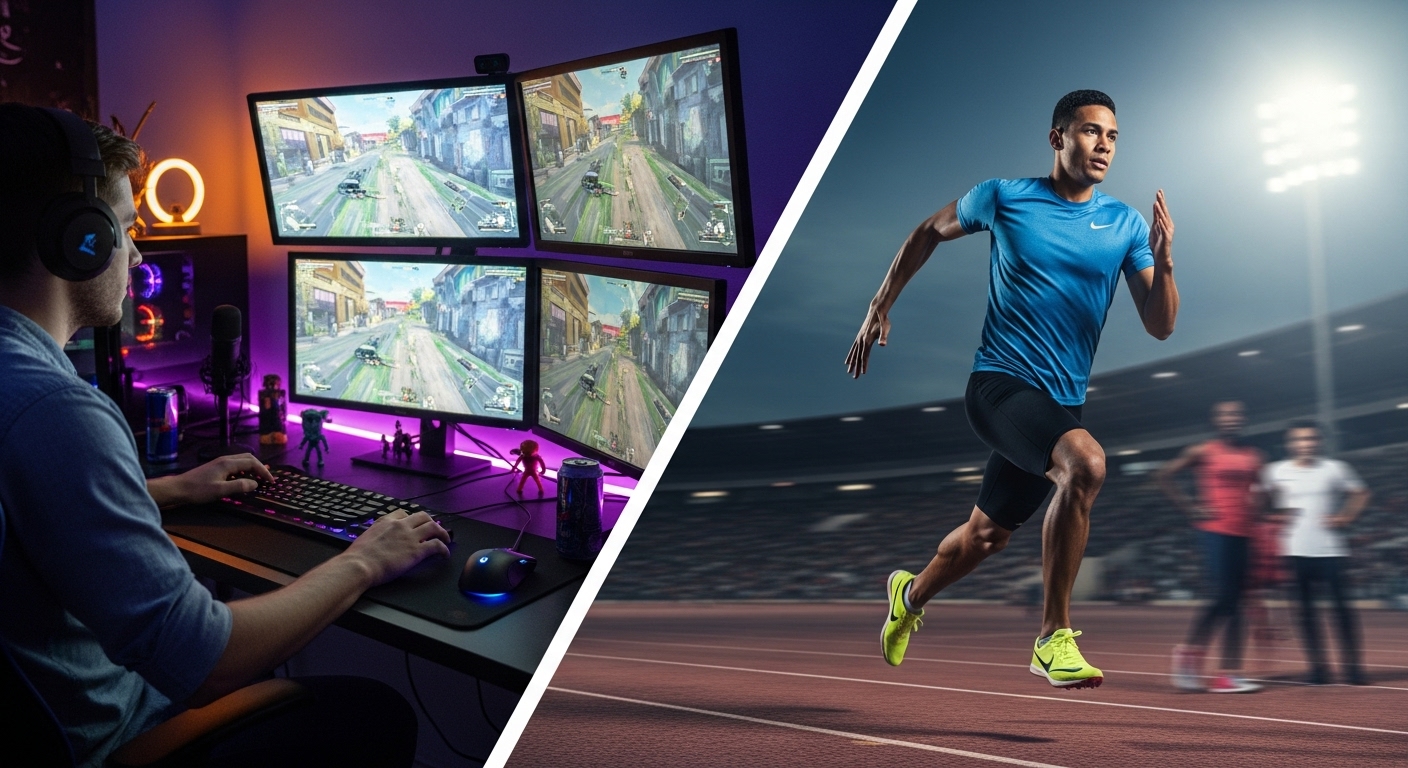
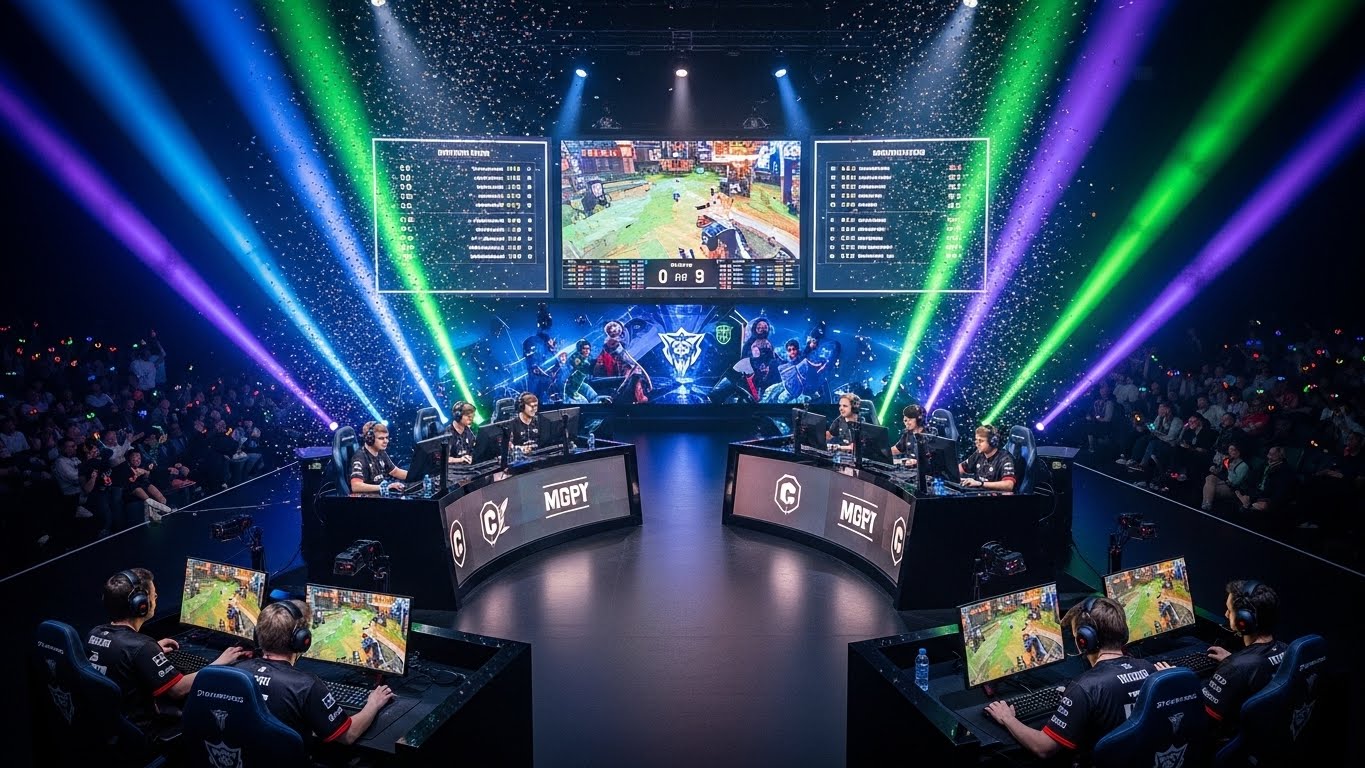
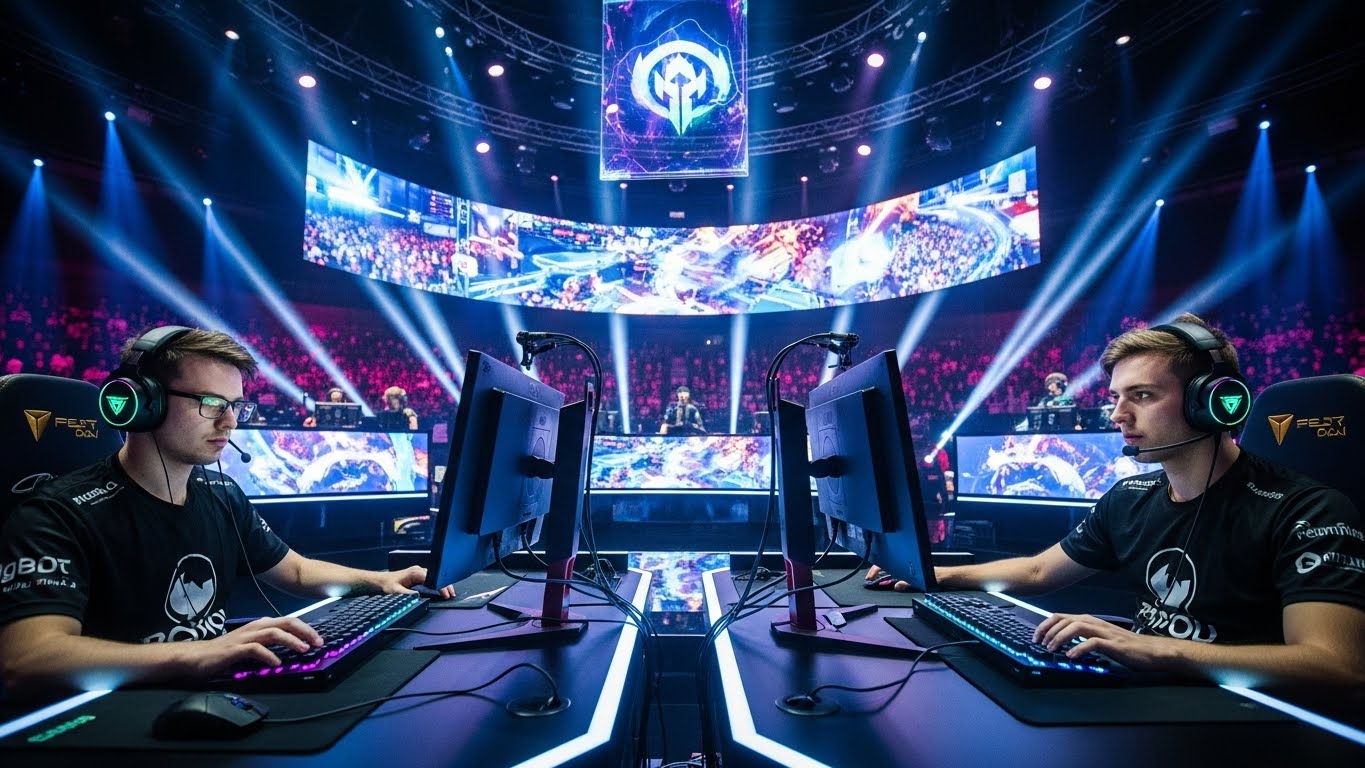
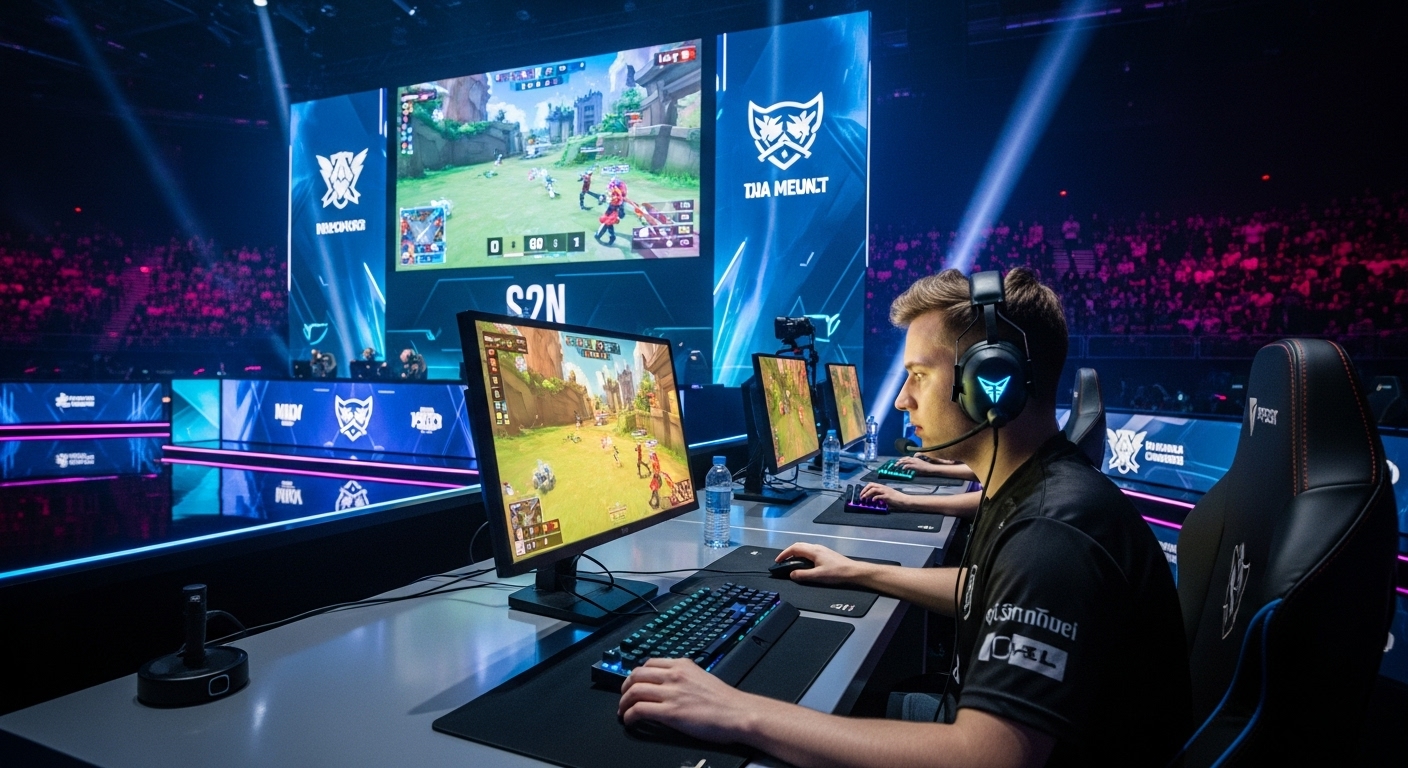
Esports has grown from a niche hobby into a global phenomenon over the past two decades. What was once a pastime for small communities of gamers has transformed into a billion-dollar industry that attracts millions of viewers and players worldwide. Traditional esports games like League of Legends, Dota 2, and Counter-Strike have dominated the competitive scene, but as technology evolves, so too does the nature of competitive gaming.
One of the most exciting frontiers in esports today is Virtual Reality (VR). Unlike traditional games that are played on monitors or consoles, VR offers an immersive, 360-degree gaming experience. Players step into the game world, interacting with their environment in ways that feel almost tangible. This revolutionary approach has the potential to redefine what esports can be, both for players and audiences.
The Rise of Virtual Reality Gaming
Virtual reality gaming is not a new concept. The first consumer VR headsets appeared in the early 2010s, but the technology was initially limited by hardware, cost, and content. Early VR experiences were mostly experimental, often focusing on simulations or short interactive stories rather than competitive gameplay. However, as VR hardware has become more affordable and powerful, the possibilities for competitive gaming have expanded dramatically.
High-quality VR headsets now offer high-definition visuals, precise motion tracking, and immersive audio. This combination allows players to engage with virtual environments in ways that were previously impossible. In VR esports, every movement—ducking, jumping, reaching, or dodging—can be part of the gameplay. This level of physicality introduces a new dimension to esports, blending athleticism with traditional gaming skills.
Key Features of VR Esports
Immersive Gameplay
One of the primary attractions of VR esports is the immersion it provides. Traditional esports require players to interact with a flat screen using a keyboard, mouse, or controller. In contrast, VR places the player directly inside the game environment. This immersion enhances situational awareness, as players can look around, anticipate threats, and react naturally, making the gaming experience more engaging and intense.
Physicality and Skill
Unlike conventional esports, VR games demand both cognitive and physical skills. Success in VR esports depends on reflexes, hand-eye coordination, spatial awareness, and even endurance. Games like VR shooters or rhythm-based titles challenge players to move continuously, creating a hybrid of e-athletics and esports. The physical component adds a new level of excitement for spectators, as the energy and movement of players become part of the spectacle.
Innovative Game Design
VR esports has inspired game developers to think creatively about competitive experiences. Games such as Beat Saber, Onward, and Echo Arena integrate VR mechanics with competitive formats. These games reward not only traditional gaming skills but also real-world agility, timing, and strategy. VR allows for mechanics that are impossible in traditional gaming, such as zero-gravity movement, realistic sword fighting, or precise gesture-based controls, creating a fresh competitive landscape.
VR Esports Leagues and Competitions
As VR gaming grows, so do competitive leagues. While VR esports is still in its early stages compared to traditional esports, several professional competitions have already emerged. VR tournaments often feature live streams, live audiences, and professional commentary, mirroring the structure of conventional esports events.
Events like the VR League, Meta Quest Open, and various regional VR tournaments have begun to attract top-tier players. These competitions help build a community of dedicated VR esports athletes, encouraging skill development and innovation. Unlike traditional esports, where strategies are built around game mechanics on a flat screen, VR esports strategies must consider physical movement, stamina, and spatial tactics, adding complexity to team coordination and gameplay planning.
Advantages of VR Esports
Increased Engagement
For audiences, VR esports offers a more immersive viewing experience. Spectators can watch matches from the first-person perspective of the players, exploring arenas in 3D. Some platforms even allow viewers to “enter” the game virtually, observing matches as if they were inside the stadium. This level of engagement has the potential to attract a new demographic of fans who crave a more visceral and interactive esports experience.
Bridging Gaming and Fitness
VR esports also presents a unique opportunity to merge gaming with physical fitness. Unlike sitting for hours at a desk, VR esports demands continuous movement, which can improve players’ overall health and stamina. This combination of mental and physical exertion could redefine the concept of competitive gaming, appealing to both traditional athletes and gamers seeking a more active form of competition.
Technological Innovation
VR esports encourages rapid technological development. Developers and hardware manufacturers are constantly pushing the boundaries to create more immersive and responsive experiences. Advanced motion sensors, haptic feedback suits, and realistic environmental simulations are already being integrated into VR games. These innovations not only enhance gameplay but also have potential applications beyond esports, including training simulations, virtual education, and remote collaboration.
Challenges Facing VR Esports
High Hardware Costs
One of the main barriers to widespread adoption of VR esports is the cost of entry. High-quality VR headsets and motion-tracking peripherals are expensive, limiting access for casual players. Unlike traditional esports, which can be played on standard gaming PCs or consoles, VR esports often requires specialized equipment, making it less accessible to a broad audience.
Physical Demands
While physical activity can be a benefit, it is also a challenge. VR esports can be physically demanding, requiring players to maintain high levels of stamina and dexterity for extended periods. This can lead to fatigue, injuries, or discomfort, potentially limiting competitive longevity. Players must balance training for skill with physical conditioning, introducing a new aspect of esports preparation.
Technical Limitations
Although VR technology has advanced significantly, there are still limitations. Motion sickness, latency issues, and tracking errors can impact gameplay and player performance. Additionally, designing multiplayer VR environments that are fair, balanced, and engaging is complex, requiring careful consideration of player movement, spatial awareness, and interaction mechanics.
Content Development
Developing compelling VR esports titles is more challenging than creating traditional games. Developers must design experiences that are competitive, visually immersive, physically engaging, and enjoyable to watch. This requires not only programming skill but also expertise in human psychology, game design, and ergonomics. The scarcity of high-quality VR esports titles currently limits the growth of the competitive scene.
The Future of VR Esports
Despite the challenges, the future of VR esports looks promising. As hardware becomes more affordable and accessible, more players will be able to participate in immersive competitions. Advances in AI, motion tracking, and haptic feedback will further enhance the realism and engagement of VR games, creating experiences that are impossible in traditional esports.
Hybrid events may also become more common, combining traditional esports with VR elements. For example, players might compete in VR while audiences watch through mixed-reality streams, blending real-world and virtual competition. VR esports could also expand beyond conventional arenas, integrating with augmented reality for outdoor or location-based competitions, creating new formats that challenge both players and spectators.
Additionally, VR esports offers opportunities for educational and professional development. Players can train cognitive and physical skills, improving multitasking, reflexes, and spatial awareness. VR esports academies and training programs may emerge, similar to traditional esports coaching, focusing on both gameplay strategy and physical conditioning.
Impact on Esports Culture
VR esports has the potential to reshape esports culture itself. Traditional esports has often been associated with sedentary lifestyles and indoor gaming, but VR introduces a more active, physically engaging component. The communal aspect of VR esports—competing, spectating, and socializing in virtual environments—can strengthen the sense of community among players.
The spectator experience will also change. Fans may no longer be passive observers but active participants in the virtual environment, exploring arenas, interacting with digital elements, and gaining perspectives previously impossible in traditional esports. This evolution could attract new audiences and transform esports into a more inclusive and dynamic entertainment medium.
Conclusion: Embracing the VR Revolution
Virtual reality esports represents a thrilling frontier in competitive gaming. With its immersive gameplay, physical engagement, and technological innovation, VR has the potential to redefine what esports can be. While challenges such as high costs, physical demands, and technical limitations remain, the rapid advancement of VR technology suggests these barriers will diminish over time.
For players, VR esports offers a chance to combine cognitive skill with athletic ability, creating a new breed of esports athlete. For spectators, it provides a more immersive and interactive viewing experience. For developers and industry leaders, it presents an opportunity to push the boundaries of game design, storytelling, and fan engagement.
As VR esports continues to grow, it may not just be the next evolution of competitive gaming—it could become the standard for the future. By embracing this new frontier, the esports community stands to transform gaming into an experience that is as physically demanding as it is mentally stimulating, as immersive as it is exhilarating, and as innovative as the technology that powers it.
Virtual reality esports is not just the next big thing—it is the next big frontier, waiting for players, developers, and fans to explore.