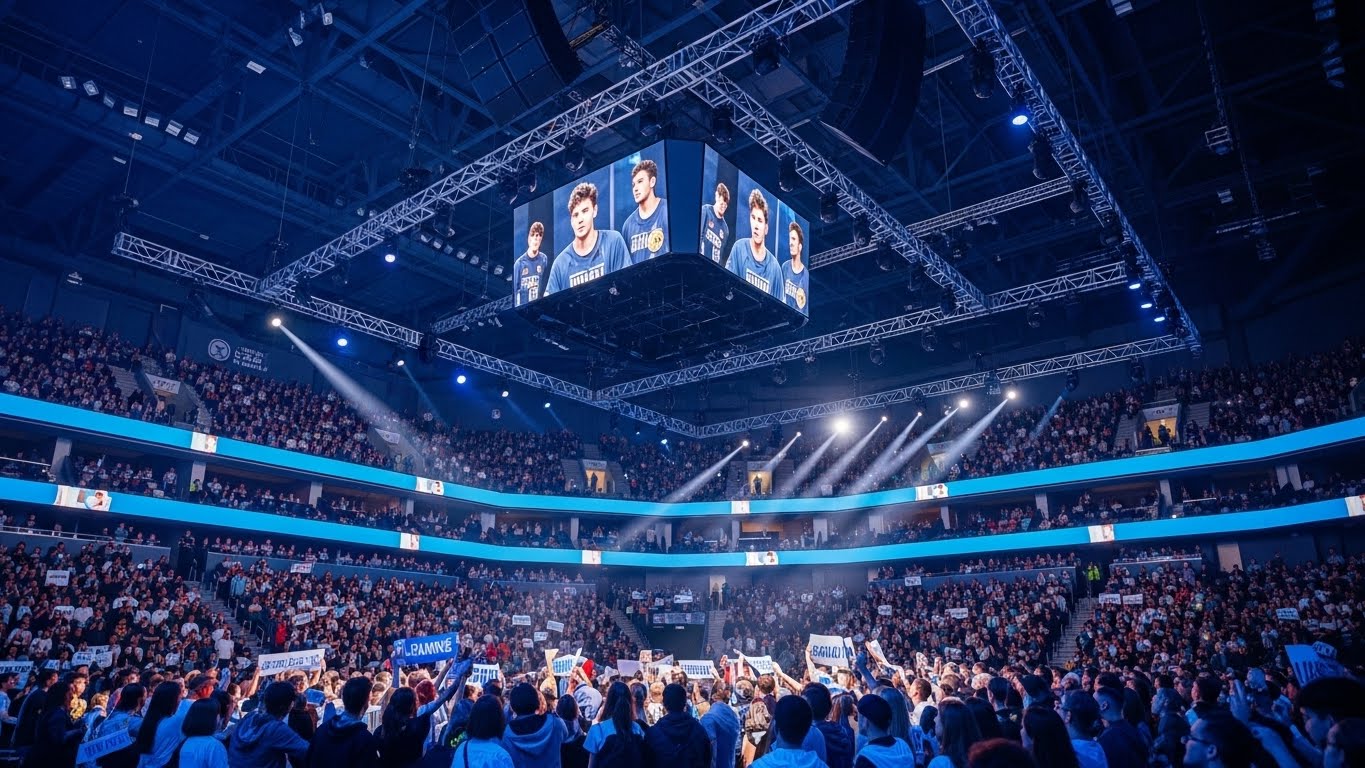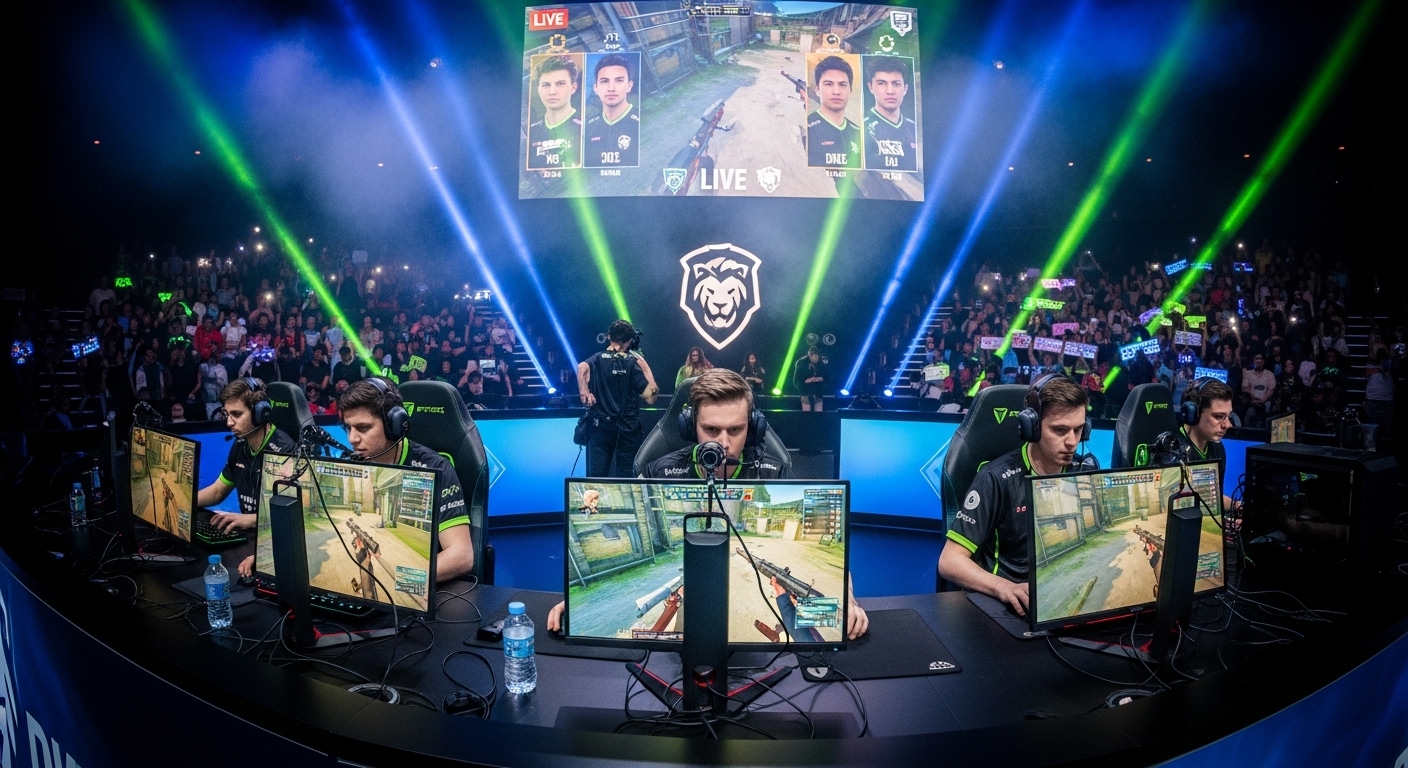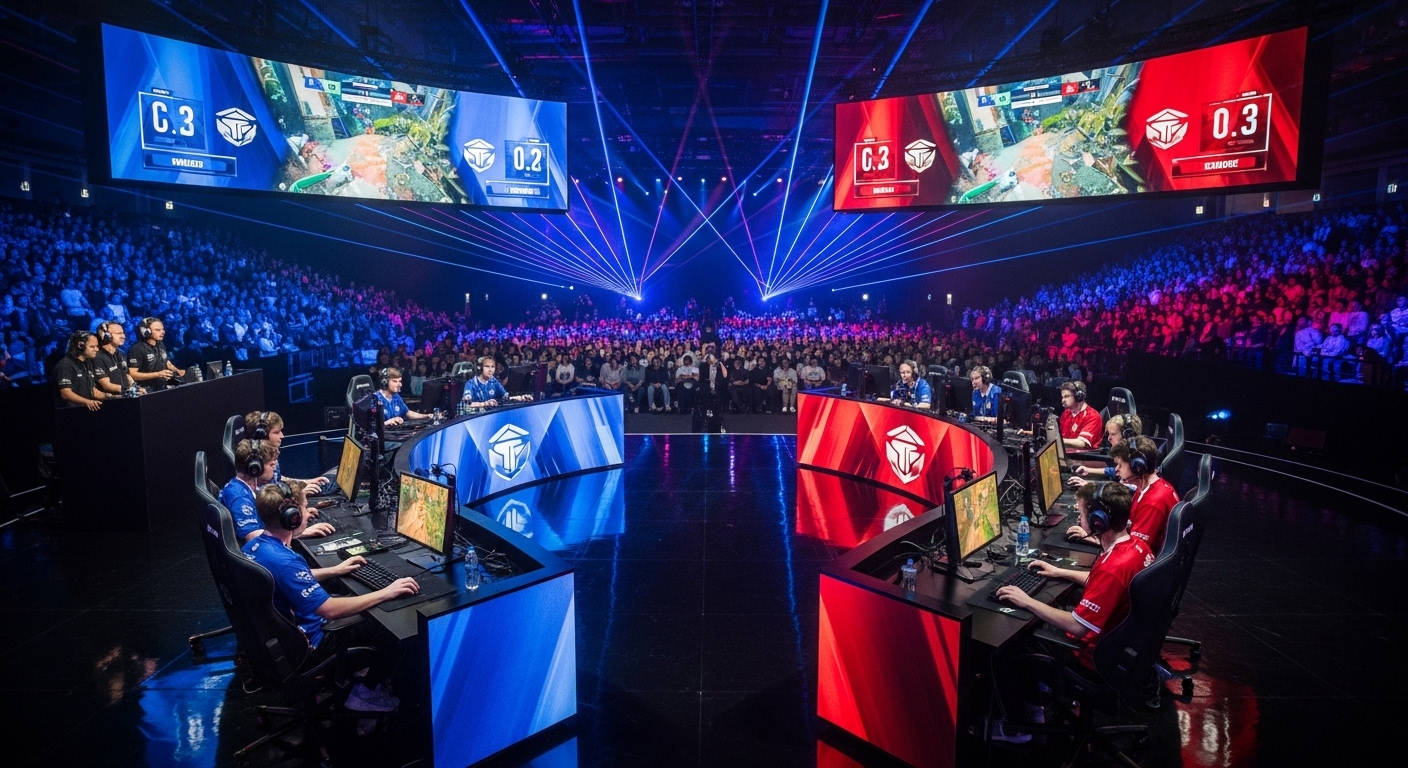
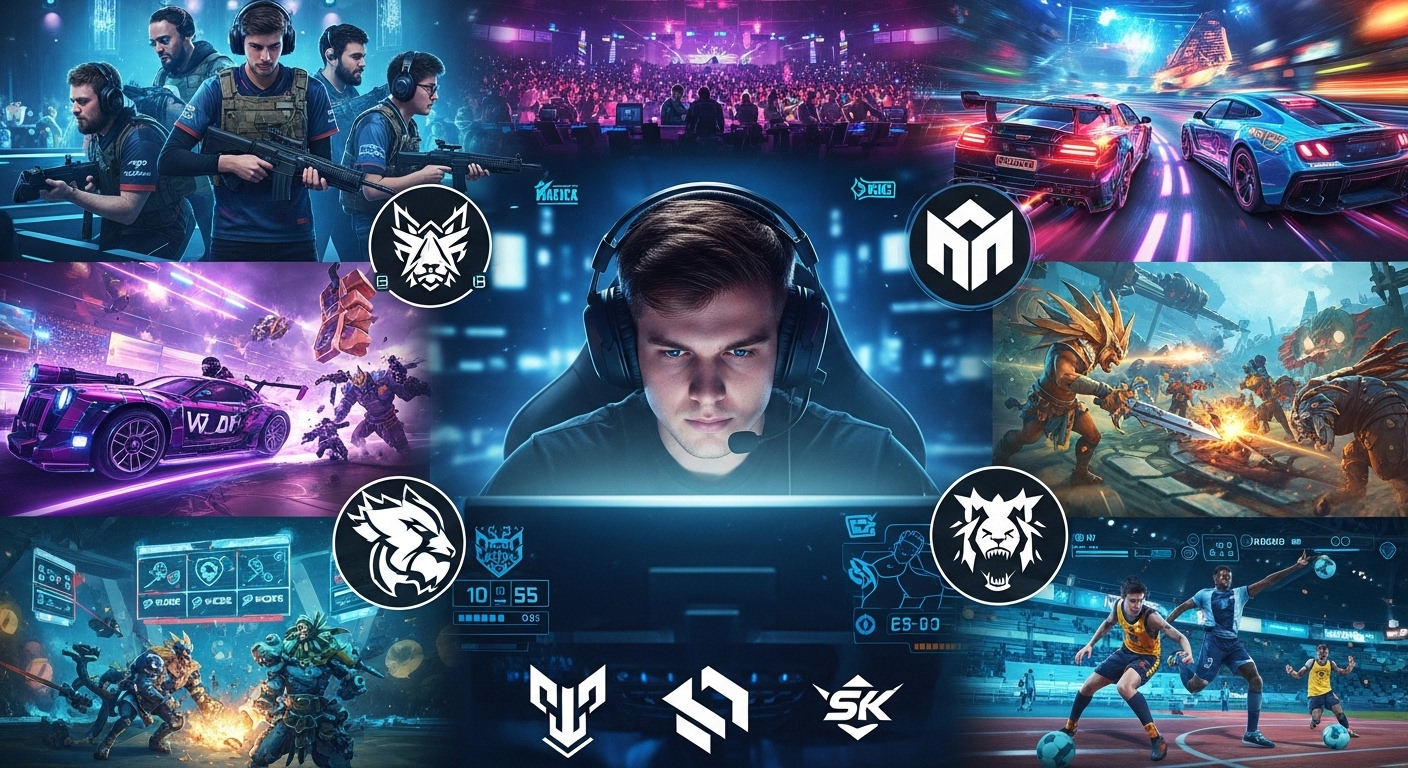
In recent years, esports has transitioned from being a niche hobby into a global entertainment phenomenon. What was once viewed as a pastime for a small group of enthusiasts has now become a multi-billion-dollar industry, drawing millions of fans, players, and sponsors from all corners of the globe. Esports, short for electronic sports, encompasses organized multiplayer video game competitions, particularly between professional players, individually or as teams. The popularity of esports has exploded, turning it into a mainstream form of entertainment, comparable in viewership and prize money to traditional sports like football, basketball, and tennis.
This blog post aims to explore the world of esports, its rapid growth, its impact on the gaming industry and beyond, and the future prospects of competitive gaming as it continues to evolve into one of the most exciting forms of entertainment in the 21st century.
The Rise of Esports: From Hobby to Industry
The origins of esports can be traced back to the early days of competitive video gaming, which began in the late 1970s and early 1980s. Games like Space Invaders and Pong were among the first to introduce competitive elements in the arcade environment, but it wasn’t until the advent of home consoles and online gaming that esports began to gain significant traction.
In the 1990s, games like Warcraft and Starcraft laid the groundwork for competitive gaming by introducing real-time strategy and multiplayer modes that enabled players to compete against one another over the internet. By the early 2000s, games like Counter-Strike, League of Legends, and StarCraft II were at the forefront of competitive gaming, establishing organized tournaments with prize money and professional teams.
The true breakthrough for esports came in the mid-2000s when the gaming community began to embrace live-streaming platforms like Twitch, which allowed players to broadcast their gameplay to a global audience. This led to an explosion of interest in esports tournaments, with games like League of Legends, Dota 2, Counter-Strike: Global Offensive, and Overwatch drawing hundreds of thousands of live viewers and even more online spectators.
The prize pools for these events quickly grew into the millions of dollars, attracting sponsorships from major companies and elevating esports to the level of traditional sports leagues. As a result, esports began to be recognized not only as a form of entertainment but as a legitimate career path for talented gamers.
The Mechanics of Esports: Games and Formats
Esports covers a wide array of gaming genres, with the most popular being first-person shooters (FPS), real-time strategy (RTS), multiplayer online battle arenas (MOBA), and battle royale games. Each genre has its own competitive ecosystem, with dedicated tournaments, professional leagues, and global championships. Let’s take a closer look at some of the most popular types of esports and the games that define them.
1. First-Person Shooters (FPS)
Games like Counter-Strike: Global Offensive (CS:GO), Overwatch, Call of Duty, and Rainbow Six Siege are staples of the FPS genre in esports. These games focus on fast-paced combat where players battle in teams or individually to eliminate opponents, complete objectives, or capture territories. FPS games often require a combination of precise aiming, quick reflexes, and strategic thinking, which is why they have become central to the esports world.
One of the most popular tournaments for FPS games is CS:GO, where top teams from around the world compete in massive international competitions such as the CS:GO Major Championships, with prize pools that can exceed $1 million.
2. Multiplayer Online Battle Arenas (MOBA)
MOBA games are another cornerstone of esports, with League of Legends (LoL) being the most prominent title in this genre. In a MOBA, teams of players control individual characters with unique abilities and work together to destroy the opponent’s base while defending their own. These games require excellent teamwork, strategic planning, and coordination.
The League of Legends World Championship is one of the biggest annual esports events in the world, attracting millions of viewers and featuring prize pools that often exceed $2 million. Dota 2, another popular MOBA, has even larger prize pools, with The International tournament consistently offering the highest prize funds in esports history.
3. Real-Time Strategy (RTS)
Real-time strategy games are perhaps the oldest genre of competitive gaming, with StarCraft and StarCraft II leading the charge. In RTS games, players control units and structures in real-time, making decisions on the fly to outmaneuver their opponents. RTS games focus on resource management, tactical combat, and strategic planning.
While the RTS genre has seen a decline in popularity with the rise of MOBAs, StarCraft II continues to hold a prominent place in esports, especially in South Korea, where it has maintained a dedicated following since its release in 2010.
4. Battle Royale Games
The battle royale genre, which features large-scale survival matches where the last player or team standing wins, has exploded in popularity in recent years. Games like Fortnite, PlayerUnknown’s Battlegrounds (PUBG), and Apex Legends have revolutionized esports by introducing dynamic environments and unique mechanics. Battle royale games combine elements of survival, strategy, and combat, creating a thrilling experience for both players and viewers.
Esports competitions for battle royale games, such as Fortnite World Cup, have drawn huge audiences, with millions of dollars in prize money up for grabs. These games are also unique in their ability to attract a younger audience, with Fortnite, in particular, becoming a cultural phenomenon and attracting fans from all walks of life.
The Role of Streaming in Esports Growth
A crucial factor in the growth of esports has been the rise of streaming platforms, particularly Twitch, which launched in 2011 and quickly became the dominant platform for live streaming video games. Twitch allows players to broadcast their gameplay, interact with viewers through live chat, and build dedicated fan bases. This has created an ecosystem where gamers, teams, and organizations can connect directly with their audiences, attracting sponsorships and donations along the way.
Streaming has played a vital role in popularizing esports by providing fans with access to live tournaments and professional gameplay. The ability to watch top-tier esports events in real-time has brought millions of viewers to esports competitions, contributing to the industry’s massive growth. Streaming platforms like YouTube Gaming and Facebook Gaming have also entered the scene, providing additional avenues for fans to consume esports content.
Moreover, streaming has provided a platform for casual gamers and aspiring professionals to showcase their skills, making it easier for up-and-coming talent to break into the professional scene. Many of today’s esports stars, such as Ninja (Tyler Blevins) and Shroud (Michael Grzesiek), built their careers on platforms like Twitch before transitioning into full-time professional esports players or content creators.
The Business of Esports: Sponsorships, Media Rights, and Merchandise
Esports has become a lucrative business, with revenue generated from a variety of sources, including sponsorships, media rights, ticket sales, merchandise, and advertising. Major brands from outside the gaming world, such as Coca-Cola, Intel, Red Bull, and Nike, have recognized the value of associating with esports, investing millions of dollars in sponsorships, team ownership, and tournament organization.
Sponsorships play a significant role in the financial success of esports teams and events. Many professional esports organizations have established lucrative partnerships with companies, securing funding for operations, equipment, and player salaries. Additionally, tournament organizers sell broadcasting rights to media companies, which in turn stream the events to global audiences.
The global esports audience is vast, with millions of fans tuning in to watch tournaments, and this audience has become an attractive demographic for advertisers. Esports offers companies a unique opportunity to target a younger, tech-savvy audience, many of whom are highly engaged and passionate about the games they follow.
Esports teams also generate revenue through merchandise sales, offering fans branded jerseys, hats, and other collectibles. The growing popularity of esports has led to the creation of esports-specific merchandise, including in-game items, limited edition skins, and memorabilia.
The Impact of Esports on Traditional Sports
Esports is increasingly being recognized as a legitimate form of competition, with some even predicting that it will eventually rival traditional sports in terms of viewership and fan engagement. The overlap between esports and traditional sports is becoming more evident, with major sports networks like ESPN broadcasting esports tournaments, and traditional sports organizations investing in esports teams and leagues.
Many professional sports teams have established their own esports divisions or partnered with existing gaming organizations. For example, in football (soccer), clubs like Paris Saint-Germain and Manchester City have signed esports players and entered competitions for games like FIFA and eFootball. Similarly, traditional sports franchises in basketball, American football, and hockey are starting to embrace esports, recognizing it as an emerging source of entertainment and revenue.
Furthermore, esports shares many similarities with traditional sports, such as teamwork, strategy, skill development, and competition. As a result, esports is becoming increasingly integrated into the broader sports landscape, attracting sponsorships, investments, and collaborations with traditional sports leagues.
The Future of Esports
The future of esports is bright, with the industry expected to continue its rapid growth in the coming years. As the technology behind gaming continues to advance, we can expect even more immersive and dynamic esports experiences. Virtual reality (VR) and augmented reality (AR) could revolutionize the way esports tournaments are played and viewed, offering new opportunities for innovation.
Additionally, the development of esports infrastructure, such as dedicated arenas, training facilities, and educational programs, will further solidify esports as a legitimate career path for aspiring gamers. As esports becomes more mainstream, it will likely gain further recognition from governments, leading to more formalized structures, regulations, and support.
In conclusion, esports has evolved into a global phenomenon, impacting not only the gaming community but also broader entertainment, sports, and business sectors. With its rapid growth and increasing mainstream appeal, esports is poised to become one of the most influential and exciting industries of the 21st century. As players, teams, fans, and sponsors continue to flock to this digital arena, esports will undoubtedly remain a dominant force in the world of entertainment for years to come.