
Introduction: The Rise of Competitive Gaming
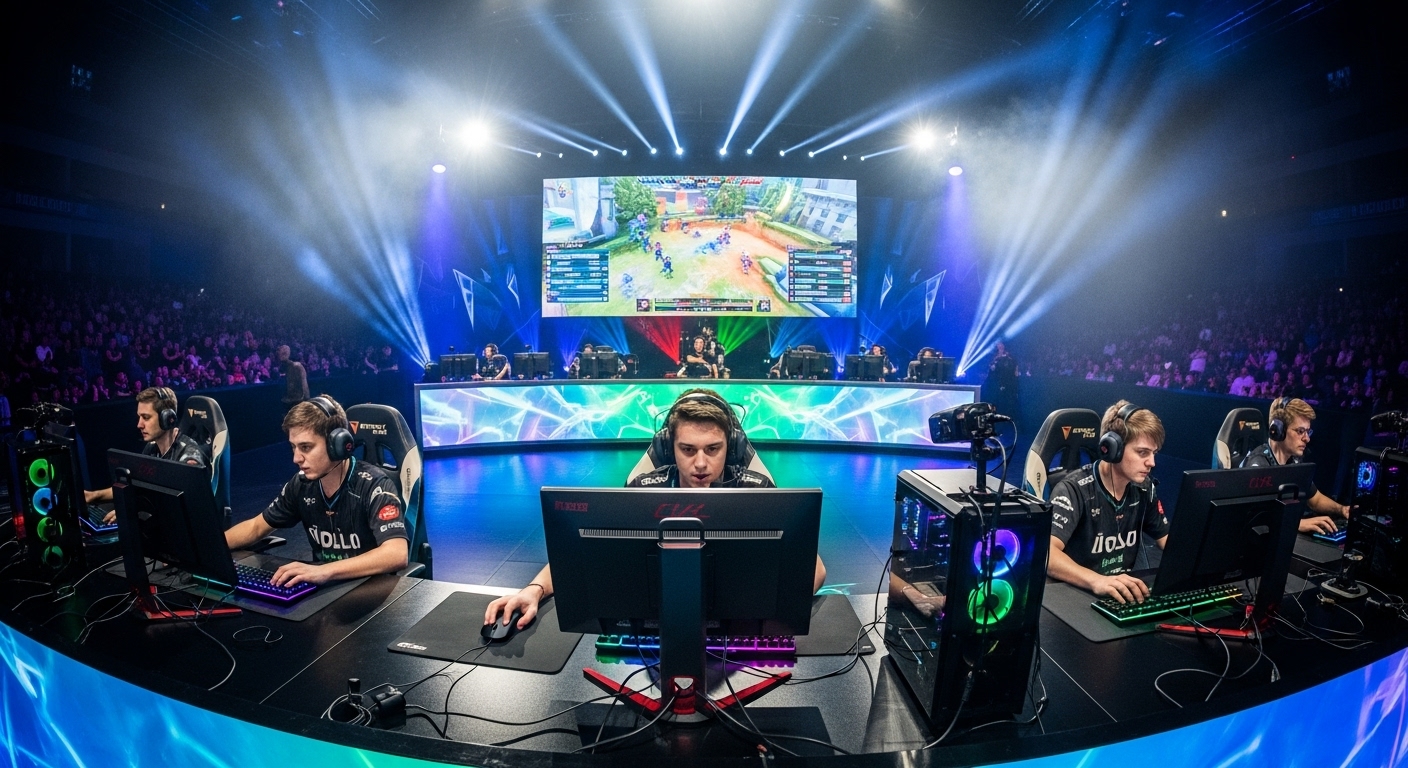
eSports, once a niche segment of the gaming world, has now emerged as a powerhouse in the global entertainment industry. What started as a hobby for passionate gamers has transformed into a multi-billion-dollar phenomenon, drawing in millions of fans, professional players, and corporate sponsorships. From small local tournaments to grand international championships, eSports has come a long way. In this blog post, we’ll dive into the reasons behind the meteoric rise of eSports, its broad appeal, and what the future holds for competitive gaming.
The Birth of eSports: From Hobby to Industry
The roots of eSports date back to the 1990s when competitive gaming first gained traction in the form of LAN (Local Area Network) tournaments. Early titles like StarCraft, Warcraft, and Quake served as the foundation for the competitive scene, with players gathering in small, regional events to face off against each other. These tournaments were mostly grassroots-driven and lacked the global reach that we see today.
However, the early 2000s marked a turning point. Streaming platforms like Twitch revolutionized the way gamers interacted with their audience, allowing them to broadcast their gameplay to a global community. This, combined with the rise of high-speed internet and the growing popularity of multiplayer online games, set the stage for the massive expansion of eSports.
By the time games like League of Legends, Dota 2, and Counter-Strike became mainstream, eSports had gained significant traction. It wasn’t long before major gaming studios, broadcasters, and sponsors took notice, recognizing the potential for eSports to become a legitimate global entertainment platform.
eSports as a Global Phenomenon
What makes eSports so unique is its ability to transcend borders and connect people from all corners of the world. Unlike traditional sports, where competitions are often regionally or nationally based, eSports tournaments can take place online, allowing participants and fans to engage globally. Games like League of Legends and Fortnite have players and teams from countries as diverse as the United States, China, South Korea, and Brazil, fostering a truly international competition.
The global appeal of eSports is also amplified by its online streaming nature. With platforms like Twitch, YouTube Gaming, and Facebook Gaming, fans can watch live broadcasts of tournaments, cheer on their favorite players, and even interact in real-time through live chats. The accessibility of these platforms has made it possible for eSports to reach millions of viewers worldwide, bridging language barriers and uniting fans from all cultures.
Moreover, international eSports tournaments such as The International (Dota 2), League of Legends World Championship, and Overwatch League attract massive viewerships. The prize pools for these tournaments now regularly exceed millions of dollars, further elevating the prestige and professionalism of the industry.
The Growing Business of eSports
eSports is not just about the games—it’s a full-fledged industry with a thriving business ecosystem. Sponsorships from major brands, media rights, merchandise, ticket sales, and even media content production contribute to the revenue streams of eSports organizations and players.
One of the driving forces behind the growth of eSports is corporate sponsorship. As eSports has gained legitimacy and visibility, major companies have started to invest heavily in sponsorship deals. Brands like Coca-Cola, Intel, Nike, and Mercedes-Benz are just a few examples of non-gaming companies that have thrown their weight behind eSports. These sponsorships fund teams, tournaments, and content creation, which in turn increases the overall reach and exposure of competitive gaming.
Furthermore, the rise of professional eSports leagues, such as the Overwatch League and Call of Duty League, has provided a structured, franchise-based model similar to traditional sports leagues. This model helps attract investors and sponsors while ensuring sustainability and growth. Teams are not just focused on winning tournaments; they are building brands, expanding merchandise sales, and creating content for their global audiences.
With the eSports industry projected to surpass $1 billion in revenue in the coming years, it’s clear that competitive gaming is no longer just a hobby—it’s big business. Professional players can now earn significant salaries through sponsorships, tournament winnings, and content creation, making eSports a viable career path.
The Role of Technology in eSports’ Growth
Technology is the backbone of the eSports industry, from the gaming hardware that players use to the platforms that allow fans to watch live broadcasts. Advances in technology have not only improved the quality of gameplay but have also made eSports more accessible to players and fans alike.
High-performance gaming PCs, cutting-edge graphics cards, and low-latency internet connections have allowed professional players to compete at the highest level. These technological advancements ensure that players can perform at their peak without worrying about hardware limitations or lag. Additionally, the growing popularity of cloud gaming platforms and consoles has allowed even casual players to engage in eSports competitions, further expanding the reach of the industry.
Streaming technology, too, has played a pivotal role in the growth of eSports. Platforms like Twitch and YouTube Gaming have revolutionized the way gamers broadcast their gameplay, offering viewers an interactive and immersive experience. Fans can watch matches, learn from professional players, and even interact with their favorite streamers in real-time.
In addition, the rise of Virtual Reality (VR) and Augmented Reality (AR) holds the potential to bring a new dimension to eSports in the future. Imagine watching an eSports tournament from the perspective of a player, or experiencing a game world as if you were part of it yourself. As VR and AR technology continues to improve, it could transform the way fans experience eSports and take the industry to new heights.
eSports as a Career: Opportunities Beyond Playing
While the most visible aspect of eSports is professional players competing for fame and fortune, the industry also offers a wide range of career opportunities beyond gameplay. The demand for professionals in various roles such as team management, coaching, event organizing, broadcasting, and content creation has surged in recent years.
Coaching and analytics have become increasingly important in eSports, as teams and players look for ways to optimize performance and gain a competitive edge. Just as in traditional sports, eSports organizations now hire coaches, analysts, and performance specialists to help their players improve and develop new strategies.
Additionally, eSports broadcasting has become a growing industry in its own right. With millions of viewers tuning in to watch eSports events, the demand for high-quality commentators, analysts, and casters has never been greater. The role of a commentator is crucial for enhancing the viewer experience, providing insights into gameplay and making matches exciting for the audience.
Content creators, too, have found a lucrative niche in the eSports ecosystem. Whether through streaming on platforms like Twitch, producing YouTube content, or creating esports-related media, content creators have become influencers and personalities in their own right, building large fanbases and attracting sponsorships.
The Future of eSports: What’s Next?
The future of eSports looks incredibly promising. With the continued rise of mobile gaming, there’s a growing potential for mobile-based eSports tournaments. Games like PUBG Mobile and Clash Royale are already gaining popularity in competitive circles, and as smartphones become more powerful, mobile eSports could become a major contender alongside traditional PC and console gaming.
Another exciting development on the horizon is the inclusion of eSports in major multi-sport events like the Asian Games, where eSports has already been recognized as a medal event. There are discussions about the possibility of eSports becoming part of the Olympic Games, further validating its status as a legitimate sport.
Moreover, as eSports continues to grow, we can expect even more innovation in terms of viewing experiences. With VR, AR, and even AI integration, the way fans watch and interact with eSports tournaments will become increasingly immersive. The ability to step into the game, view matches from a first-person perspective, or get real-time insights through AI-driven stats could change the landscape of eSports viewing forever.
Conclusion: eSports Is Here to Stay
eSports has proven to be more than just a passing trend. It is a rapidly growing industry that is reshaping the future of entertainment, providing new opportunities for players, teams, and fans. With its global reach, business potential, and technological advancements, eSports is poised to become an integral part of mainstream culture.
As the industry continues to evolve, it’s clear that competitive gaming is no longer just a hobby for a select few. Whether you’re an aspiring player, a fan, or someone looking to break into the world of eSports in another capacity, now is the perfect time to get involved. The future of eSports is bright, and it’s only going to get bigger and more exciting.