Introduction: The Rise of Esports
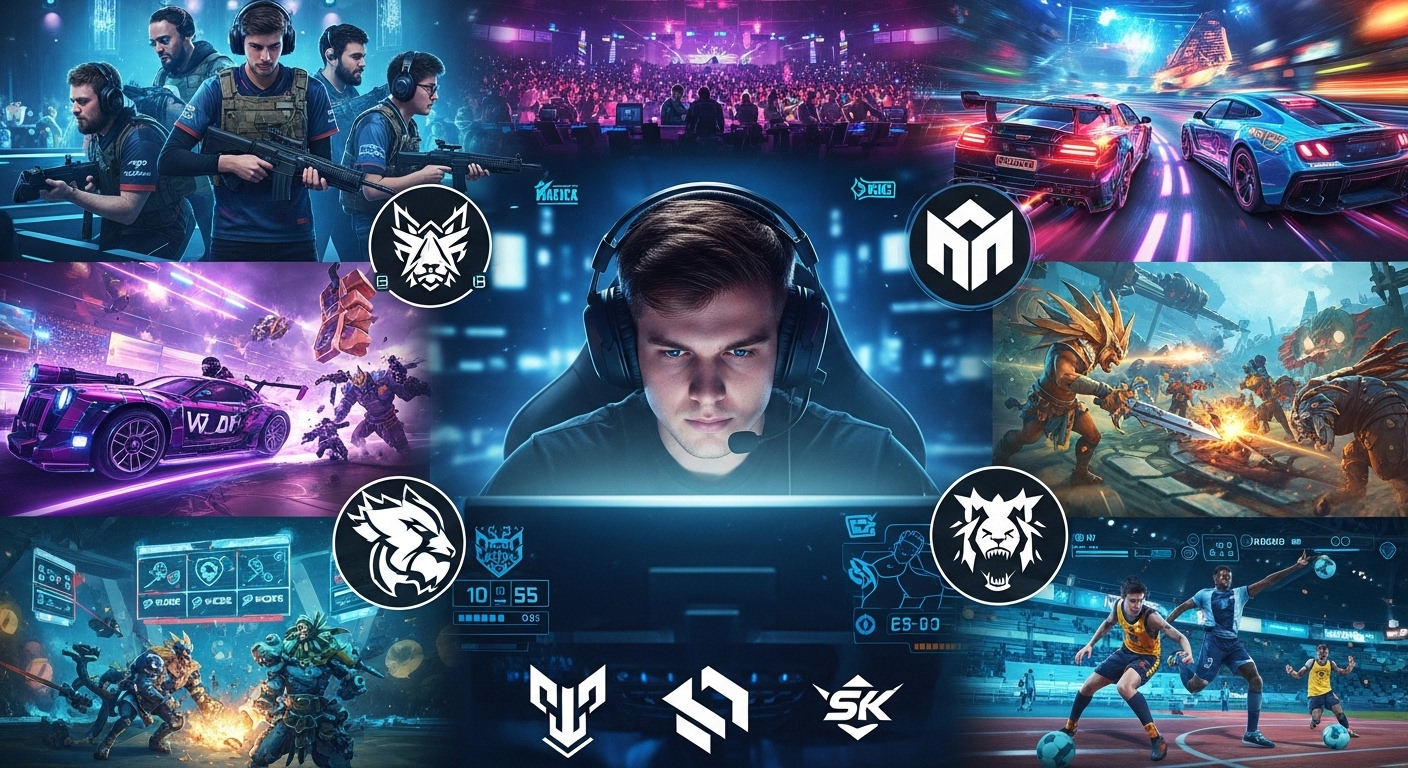
Esports has grown from a simple pastime into a global phenomenon over the past two decades. What began as informal gaming contests among friends has evolved into a professional industry with millions of fans and substantial financial investments. This transformation reflects not only changes in technology but also shifts in how we view competition and entertainment.
What Is Esports?
Esports, short for electronic sports, refers to organized competitive video gaming. Unlike casual play, esports involves professional players and teams competing in tournaments across a variety of games. These competitions can be individual or team-based, with genres ranging from strategy games and first-person shooters to sports simulations and battle royales.
The Players Behind the Screens
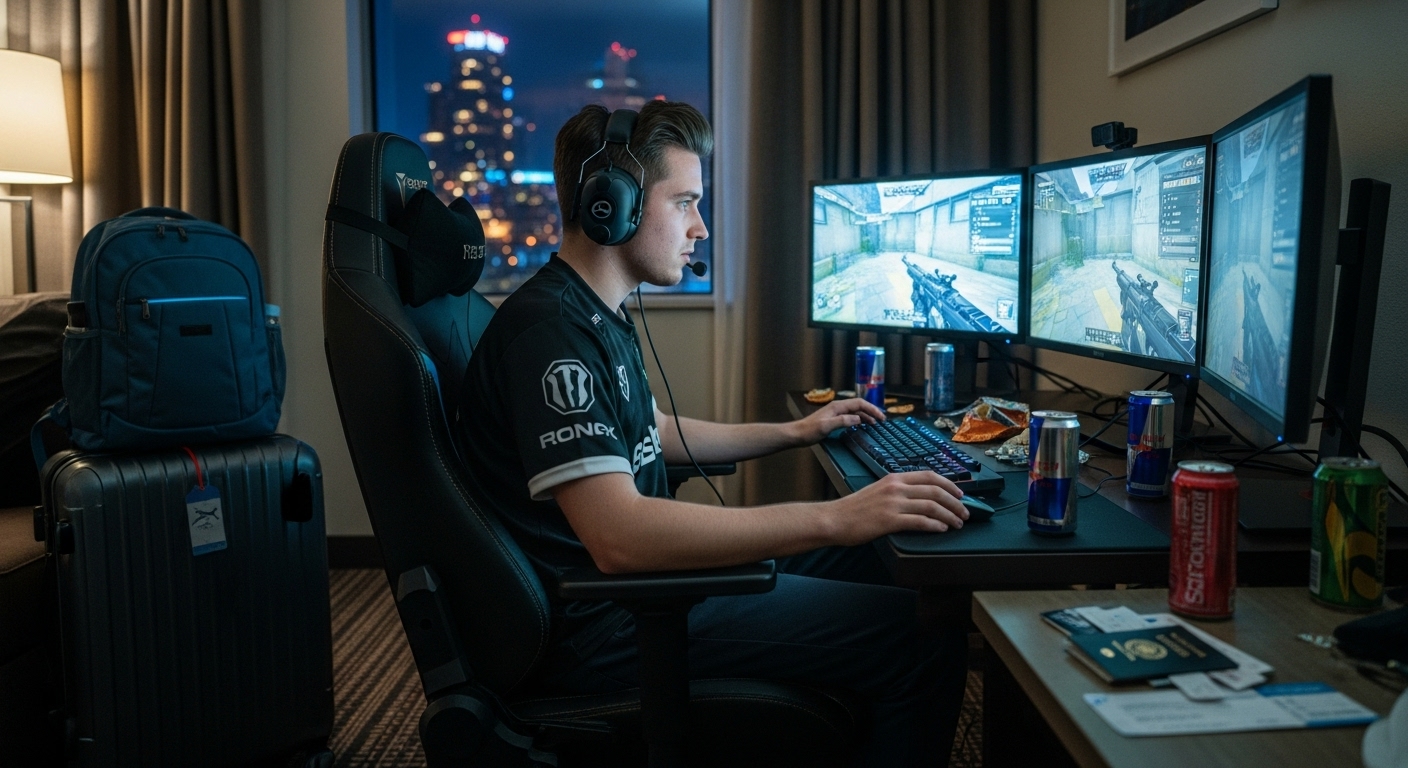
Professional esports players are highly skilled athletes who dedicate countless hours to mastering their games. Success requires precision, quick reflexes, strategic thinking, and excellent teamwork. Many players start young and undergo rigorous training, much like traditional athletes, with coaches, analysts, and support staff helping them perform at their best.
Major Esports Events and Their Impact
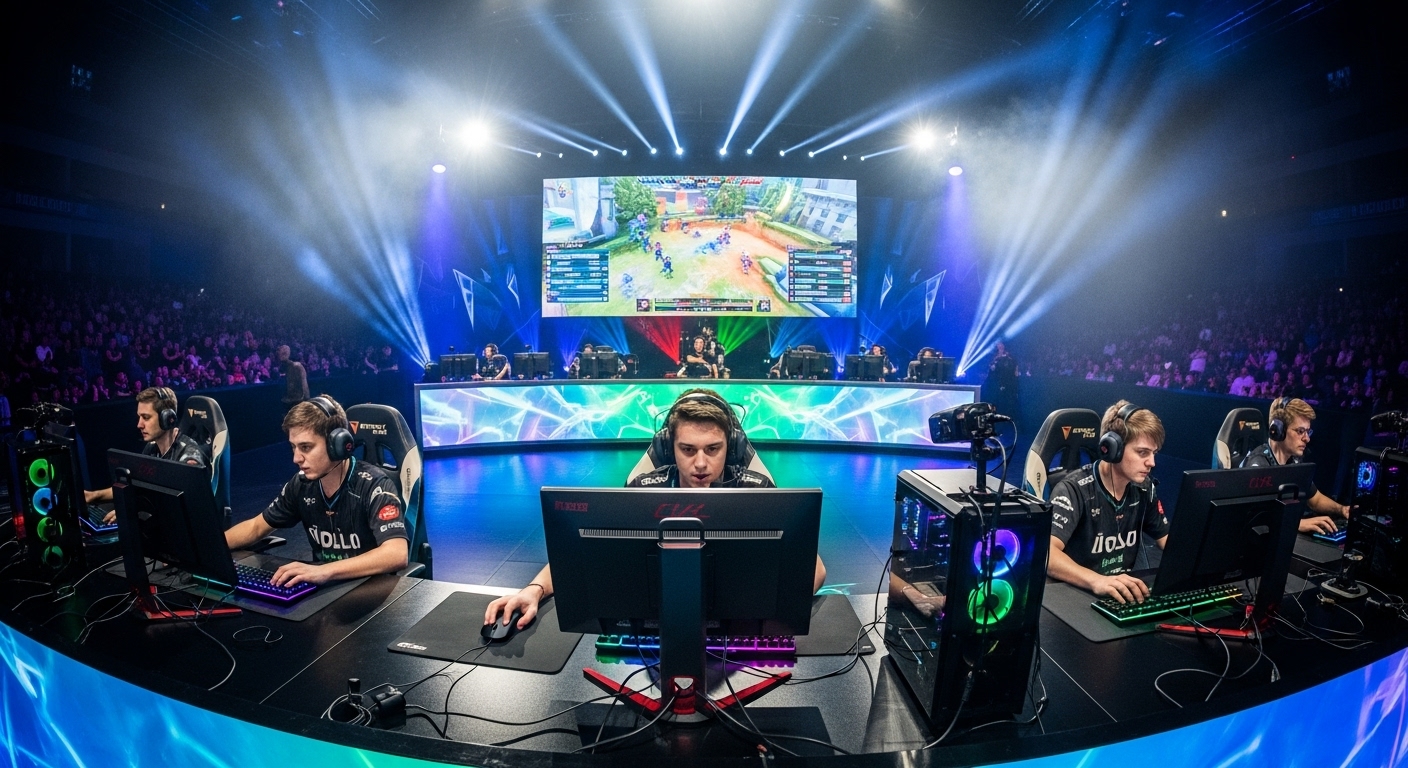
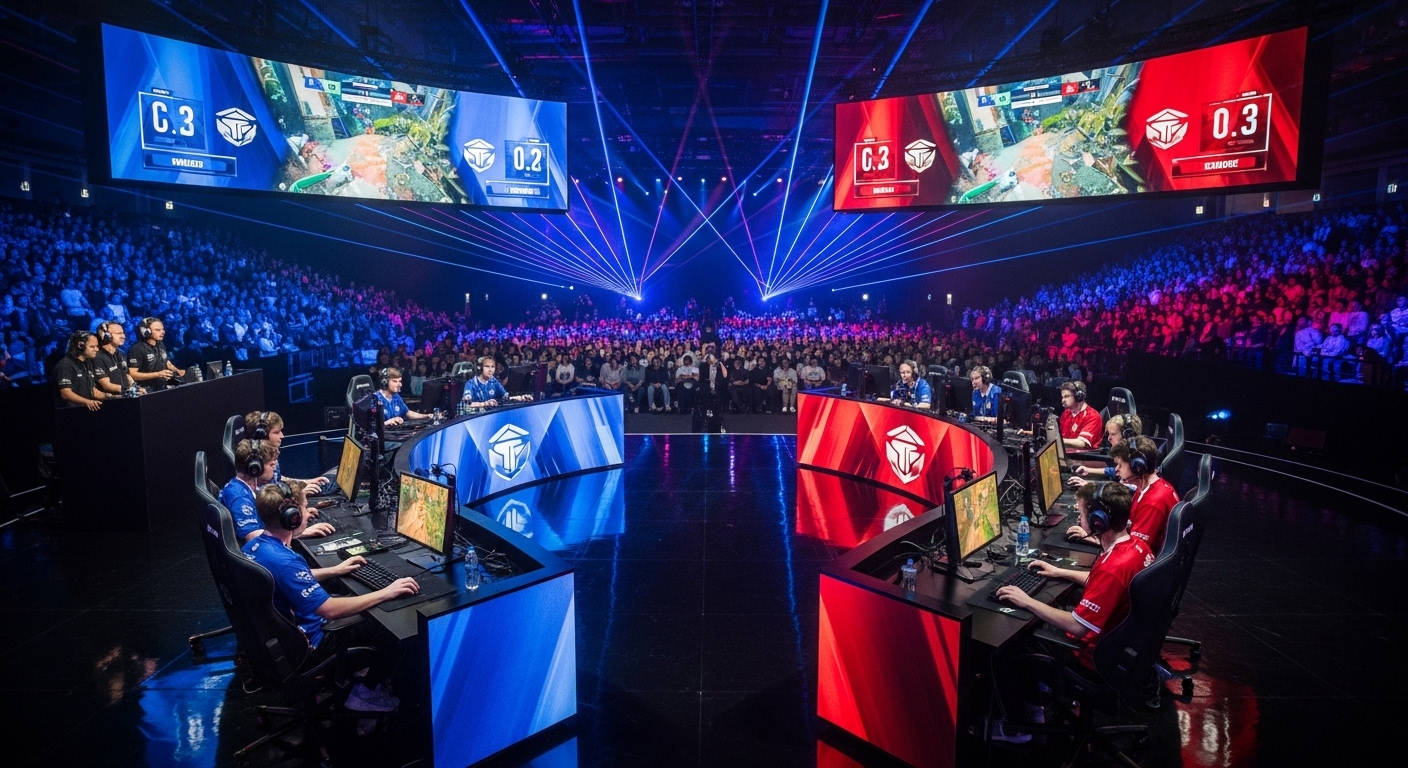
Esports tournaments have become massive events, attracting audiences comparable to those of traditional sports finals. These competitions take place in large arenas filled with cheering fans and are broadcast online to millions worldwide. The energy and excitement at these events create a unique spectator experience that combines the thrill of sports with the creativity of gaming.
Community and Culture in Esports
Esports is more than competition; it is a vibrant community. Fans engage with their favorite teams and players through live streams, social media, and fan events. This interaction builds a sense of belonging and shared passion. The culture surrounding esports embraces diversity, innovation, and the continuous evolution of gaming itself.
Challenges Facing the Industry
Despite its rapid growth, esports faces several challenges. Player health and burnout are concerns due to the intense demands of competitive gaming. Issues like cheating, toxic behavior, and lack of regulation also pose difficulties. However, industry leaders are actively working to create healthier environments and fairer competition through better policies and support systems.
The Future of Esports
Looking ahead, esports is poised to expand even further. Advances in technology such as virtual reality and improved streaming will enhance how games are played and watched. The increasing acceptance of esports in education and mainstream media suggests that it will continue to gain legitimacy and influence worldwide.
Conclusion: Esports as a New Frontier
Esports represents a dynamic intersection of technology, competition, and community. It offers exciting opportunities for players and fans alike while reshaping ideas about what it means to compete and connect in the digital age. As esports continues to grow, it will undoubtedly leave a lasting impact on entertainment and culture globally.