Introduction: The Dawn of a New Era
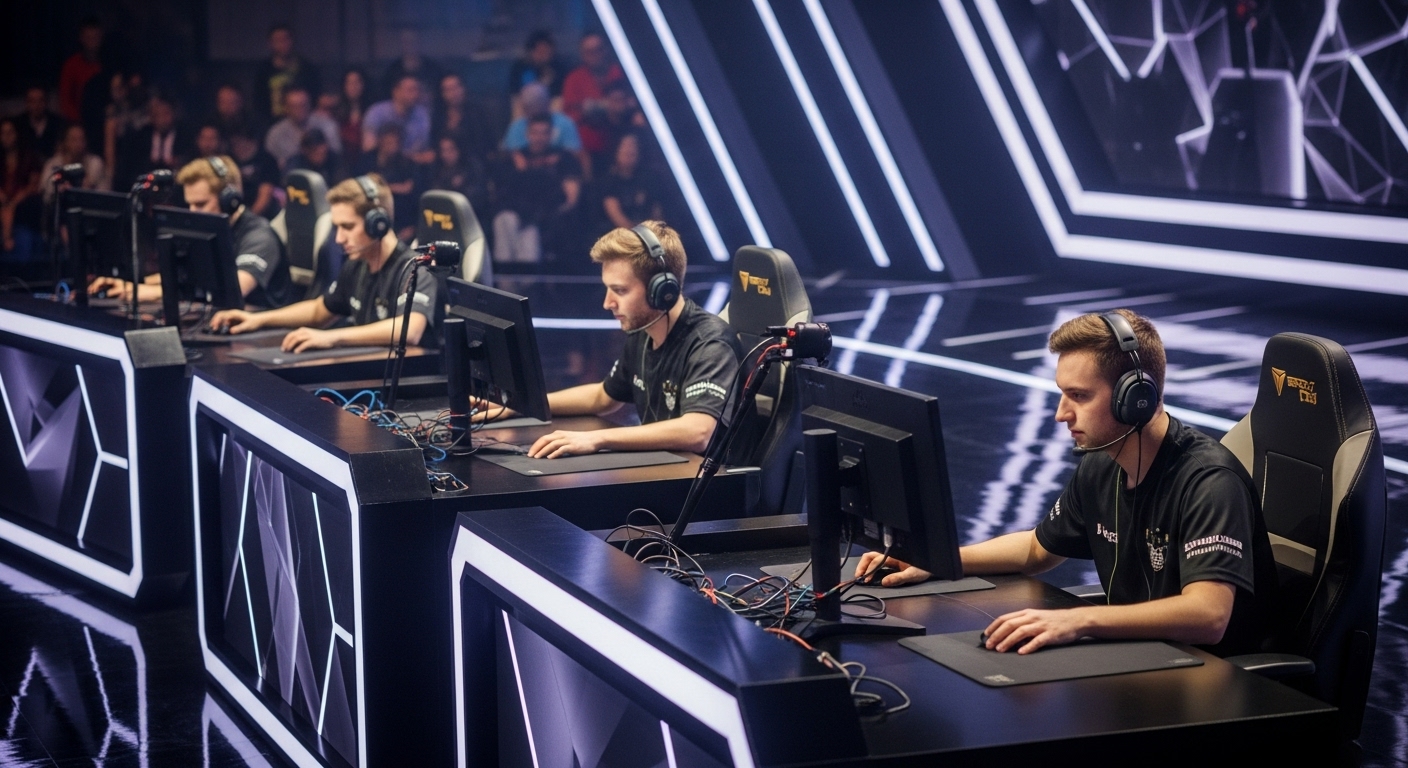
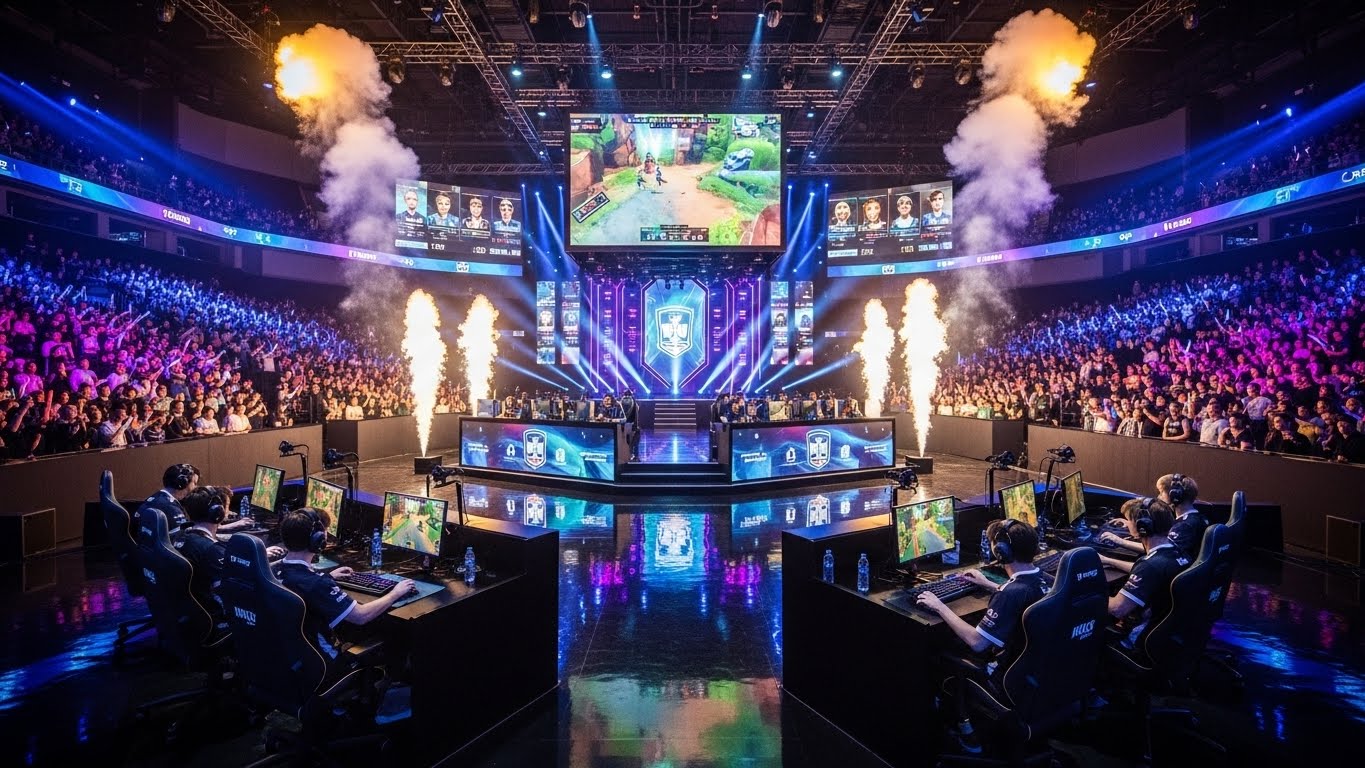
In the past decade, gaming has transformed from a hobby to a global cultural phenomenon, largely driven by the explosive rise of esports. Competitive video gaming, once a niche activity for enthusiasts, has become a legitimate career path, a thriving industry, and a captivating form of entertainment for millions worldwide. Esports is no longer confined to living rooms or small gatherings; it now fills stadiums, commands massive viewership online, and garners sponsorship deals worth millions. But what exactly has fueled this unprecedented growth, and why does esports continue to captivate audiences across age groups and continents?
Understanding Esports: More Than Just Gaming
At its core, esports involves professional players or teams competing in video games at a high level. Unlike casual gaming, esports requires strategy, teamwork, reflexes, and relentless practice. Popular titles such as League of Legends, Counter-Strike: Global Offensive, Dota 2, and Fortnite have evolved into competitive platforms where players earn recognition and substantial incomes. Esports also spans multiple genres including first-person shooters, real-time strategy games, battle royales, and fighting games, each demanding unique skills and tactical approaches.
Esports has redefined the concept of professional sports. Players are now athletes in every sense, requiring physical endurance, mental fortitude, and strategic thinking. Tournaments are meticulously organized, with rules, referees, and live commentary, making the experience engaging for both participants and viewers. The rise of streaming platforms and online tournaments has also blurred the lines between traditional sports entertainment and gaming, creating a hybrid form of competition that thrives in the digital era.
The Growth of the Esports Industry
The esports industry has experienced exponential growth over the last decade. Revenue streams now include sponsorships, advertising, merchandise, ticket sales, and digital content. Major brands, ranging from tech companies to energy drinks, recognize the marketing potential of esports and invest heavily in tournaments and professional teams. These sponsorships not only fund player salaries but also help build dedicated fan communities, transforming casual gamers into lifelong supporters.
Furthermore, esports viewership has skyrocketed, with millions tuning in to watch tournaments live on streaming platforms. The accessibility of online broadcasting has been a game-changer, allowing fans to follow their favorite players and teams without geographic limitations. Unlike traditional sports, esports thrives in the digital landscape, attracting a younger demographic that prefers on-demand, interactive content.
Esports as a Career Path
The perception of esports as a legitimate career has shifted dramatically. Professional players can earn impressive incomes through tournament winnings, sponsorships, streaming, and content creation. Top-tier players often dedicate 8 to 12 hours daily to practice, honing reflexes, teamwork, and game strategies. Beyond players, esports careers also include commentators, analysts, coaches, event organizers, and content creators, providing diverse opportunities within the ecosystem.
The rise of collegiate esports programs has further solidified the industry’s credibility. Many universities now offer scholarships to talented gamers, recognizing their potential to represent institutions in national and international tournaments. This institutional support underscores esports’ growing acceptance and parallels the recognition traditional sports enjoy.
The Social Impact of Esports
Esports is not just an entertainment medium; it also has profound social implications. Online gaming communities provide platforms for interaction, collaboration, and friendship across the globe. Gamers connect with peers from different countries, sharing strategies, experiences, and cultures. This digital socialization breaks barriers of language and geography, fostering a sense of global community.
Moreover, esports has become a source of inspiration for young audiences. Watching professional players compete encourages skills such as perseverance, teamwork, and strategic thinking. Players often serve as role models, demonstrating discipline and dedication. In addition, esports challenges traditional gender norms in gaming, with increasing female participation in tournaments and professional teams, promoting inclusivity and diversity within the industry.
Technology and Innovation Driving Esports
The technological advancements driving esports cannot be understated. High-speed internet, powerful gaming hardware, and sophisticated game development tools have all contributed to the competitive gaming boom. Developers continually update games to maintain balance, introduce new content, and enhance the spectator experience. Esports broadcasting also benefits from technology through high-definition streaming, interactive platforms, and real-time analytics, allowing fans to engage with the action like never before.
Virtual reality and augmented reality are poised to take esports to even greater heights. These immersive technologies offer new ways to play and watch competitive gaming, creating experiences that feel tangible and highly interactive. As technology evolves, so too does the potential for esports to expand beyond traditional screens into fully immersive digital arenas.
Challenges Facing the Esports Industry
Despite its rapid growth, esports faces several challenges. Player burnout is a significant concern, as the rigorous practice schedules and high-pressure environments can take a toll on mental and physical health. Maintaining fairness and integrity is another challenge, with cheating, hacking, and unethical practices occasionally affecting competitions.
Additionally, the monetization model of esports is still evolving. While sponsorships and advertising are lucrative, relying heavily on these streams can be risky if market trends shift. Developing sustainable revenue models and providing long-term career stability for players remain critical priorities for the industry.
The Global Reach of Esports
Esports has transcended borders, with thriving communities and tournaments across North America, Europe, Asia, and South America. Asia, particularly South Korea and China, has played a pivotal role in esports’ rise, with professional leagues and government-backed initiatives supporting competitive gaming. In the United States and Europe, esports has carved its niche through collegiate programs, mainstream tournaments, and media coverage, contributing to global recognition.
International tournaments showcase esports’ ability to unite diverse cultures under a shared passion. Fans from different countries cheer for their favorite teams, creating a sense of camaraderie and competition that mirrors traditional sports while embracing the uniqueness of digital culture.
The Future of Esports
Looking ahead, esports is poised for continued expansion and innovation. As technology advances and audiences grow, esports will likely see more immersive experiences, higher production values, and broader mainstream acceptance. Integration with virtual reality, mobile gaming, and artificial intelligence could redefine competitive gaming, making it more accessible and engaging than ever before.
Moreover, esports is expected to play a larger role in education and professional development. Gamification, strategic thinking, and teamwork skills honed through esports can be applied in real-world contexts, from business leadership to scientific problem-solving. As society increasingly values digital literacy, esports offers a pathway to develop skills relevant to the modern workforce.
Conclusion: More Than a Game
Esports is no longer simply a form of entertainment; it is a cultural force, an economic powerhouse, and a platform for global connection. Its rise reflects broader changes in society, technology, and media consumption. For players, fans, and industry professionals, esports represents opportunity, innovation, and community.
As competitive gaming continues to evolve, its impact will extend beyond screens into everyday life, reshaping how we perceive sports, entertainment, and social interaction. The story of esports is still being written, but its trajectory promises a future where gaming is not just a pastime but a central feature of modern culture, bringing people together in ways that were once unimaginable.