Introduction
The world of gaming has evolved dramatically over the last few decades. What once was a pastime for enthusiasts has transformed into a global phenomenon with professional players, dedicated fan bases, and massive tournaments. This transformation has led to the rise of esports, a competitive arena where video games are more than entertainment—they are a career, a sport, and a cultural movement. Esports has not only redefined how people view gaming but has also reshaped the landscape of sports, entertainment, and even education.
The History of Esports
Esports, short for electronic sports, may feel like a recent trend, but its roots date back to the 1970s. Early gaming competitions included arcade tournaments and high-score challenges, such as the famous Space Invaders Championship in 1980. However, esports truly began to take shape in the 1990s with the proliferation of personal computers and networked gaming. Games like Quake, StarCraft, and Counter-Strike brought players together across cities, countries, and eventually continents, creating communities centered around competitive play. The introduction of live streaming in the early 2010s accelerated esports’ growth, allowing millions of viewers to watch matches in real-time, and cementing esports as a legitimate global industry.
Popular Esports Titles and Genres
Esports spans a wide range of game genres, each with its unique competitive dynamics and dedicated fan bases. Multiplayer online battle arena (MOBA) games such as League of Legends and Dota 2 emphasize strategic teamwork and coordination. First-person shooters (FPS) like Counter-Strike: Global Offensive and Valorant focus on precision, reflexes, and tactical execution. Sports simulations such as FIFA and NBA 2K replicate real-world sports, while fighting games like Street Fighter and Super Smash Bros. highlight individual skill and quick decision-making. The diversity of esports games ensures that there is something for every type of player and viewer, making it a truly inclusive digital sport.
The Structure of Professional Esports
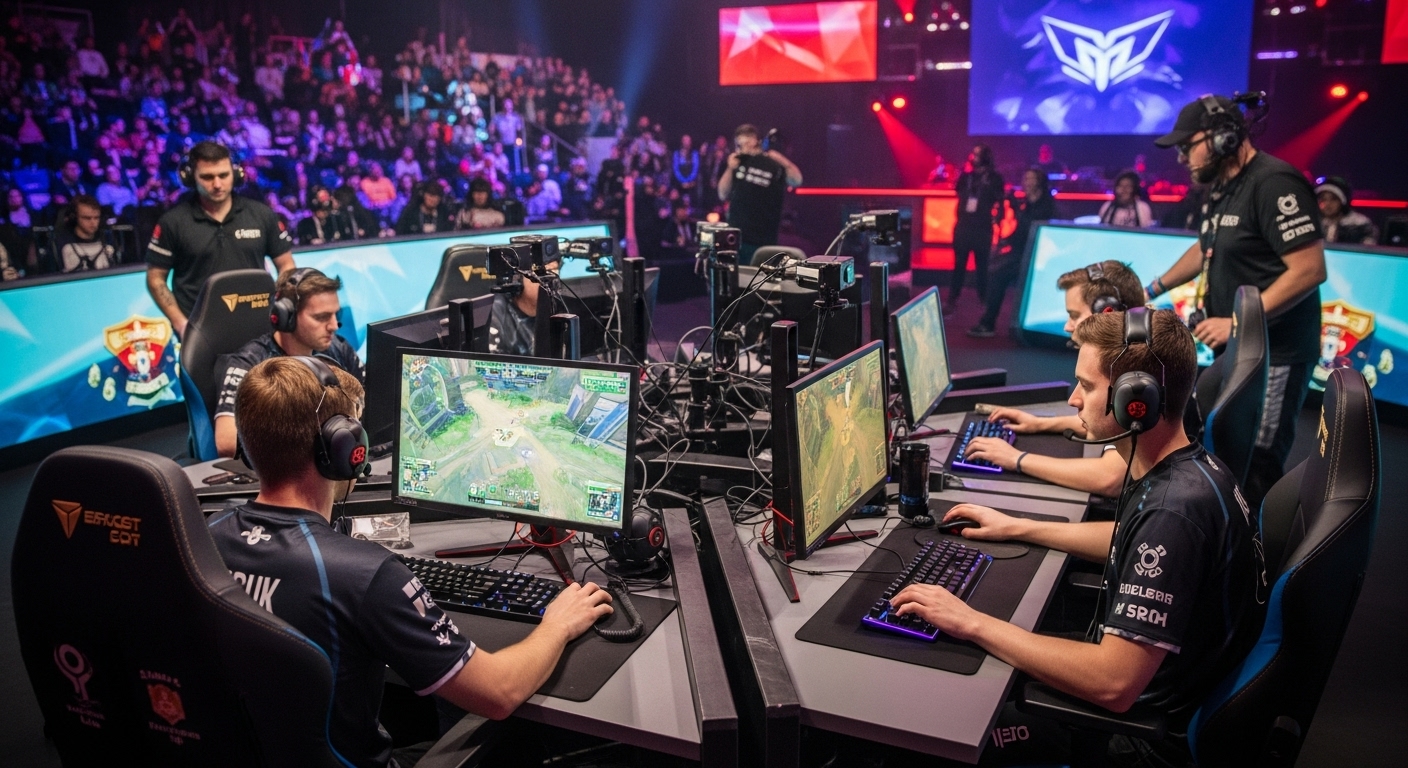
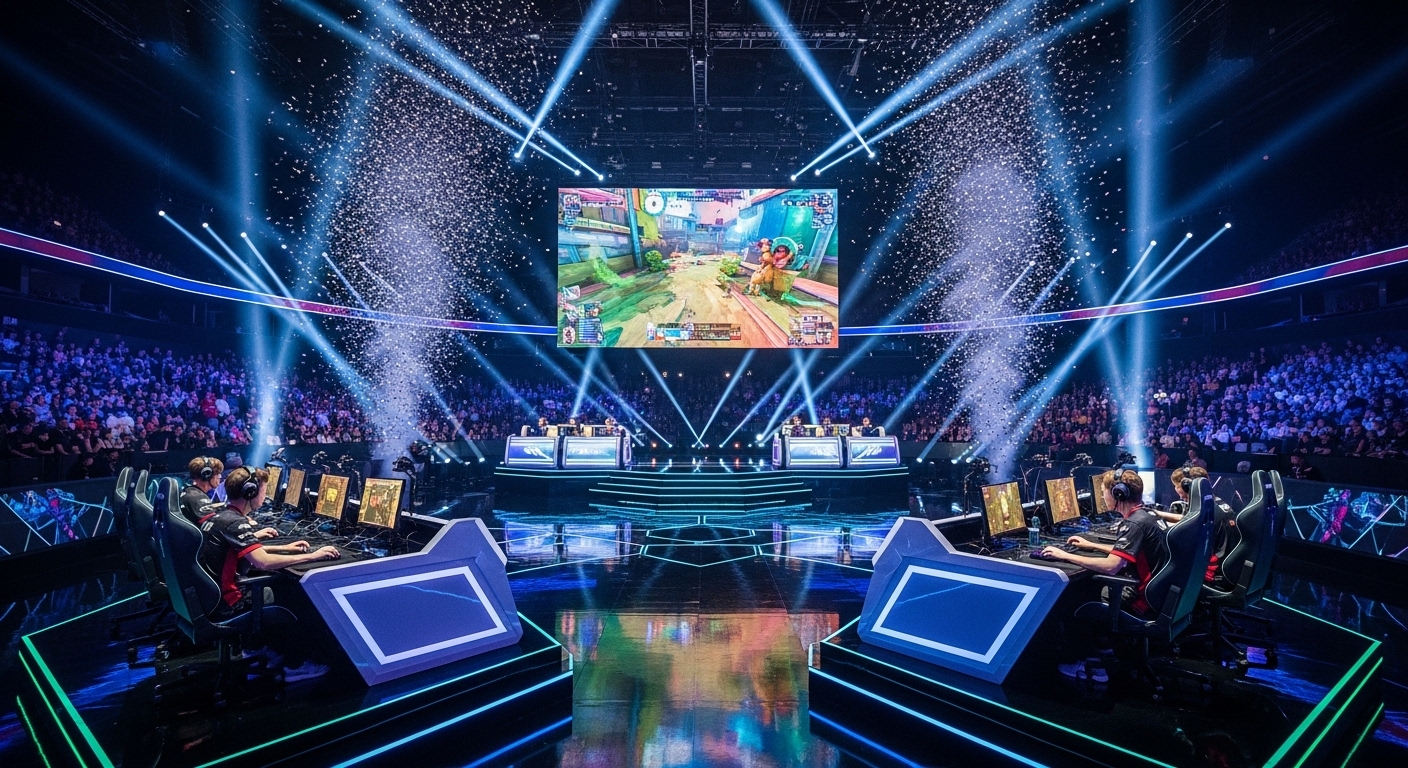
Professional esports operates similarly to traditional sports, with teams, coaches, training regimens, sponsorships, and tournaments. Top-tier esports teams recruit players based on skill, strategy, and potential for growth. Training routines are rigorous and often involve several hours of practice per day, analysis of gameplay footage, and physical and mental conditioning. Major tournaments, such as The International for Dota 2 or the League of Legends World Championship, attract millions of viewers worldwide and offer prize pools that reach millions of dollars. This professional structure has elevated esports from casual competition to a full-fledged career path for many individuals.
The Impact of Streaming and Content Creation
The rise of streaming platforms has played a pivotal role in esports’ explosive growth. Platforms allow professional players and content creators to broadcast their gameplay to a global audience, build fan communities, and earn income through subscriptions, sponsorships, and donations. Streaming has democratized access to esports, enabling anyone with talent and charisma to reach millions of viewers without the need for a traditional team or tournament. Content creators also serve as ambassadors for esports, inspiring younger generations to pursue competitive gaming and creating a continuous cycle of engagement within the community.
Economic Significance of Esports
Esports has emerged as a major economic force, contributing billions of dollars annually to the global economy. Revenue streams include tournament prizes, sponsorship deals, advertising, merchandise sales, and media rights. Brands from various industries, ranging from technology to fashion, have recognized esports as a powerful platform to reach younger, digitally-native audiences. The industry’s financial impact is not limited to professional players or organizations; it extends to event management companies, broadcasters, software developers, and peripheral manufacturers, all of whom benefit from the growing demand for esports-related products and services.
The Social and Cultural Influence
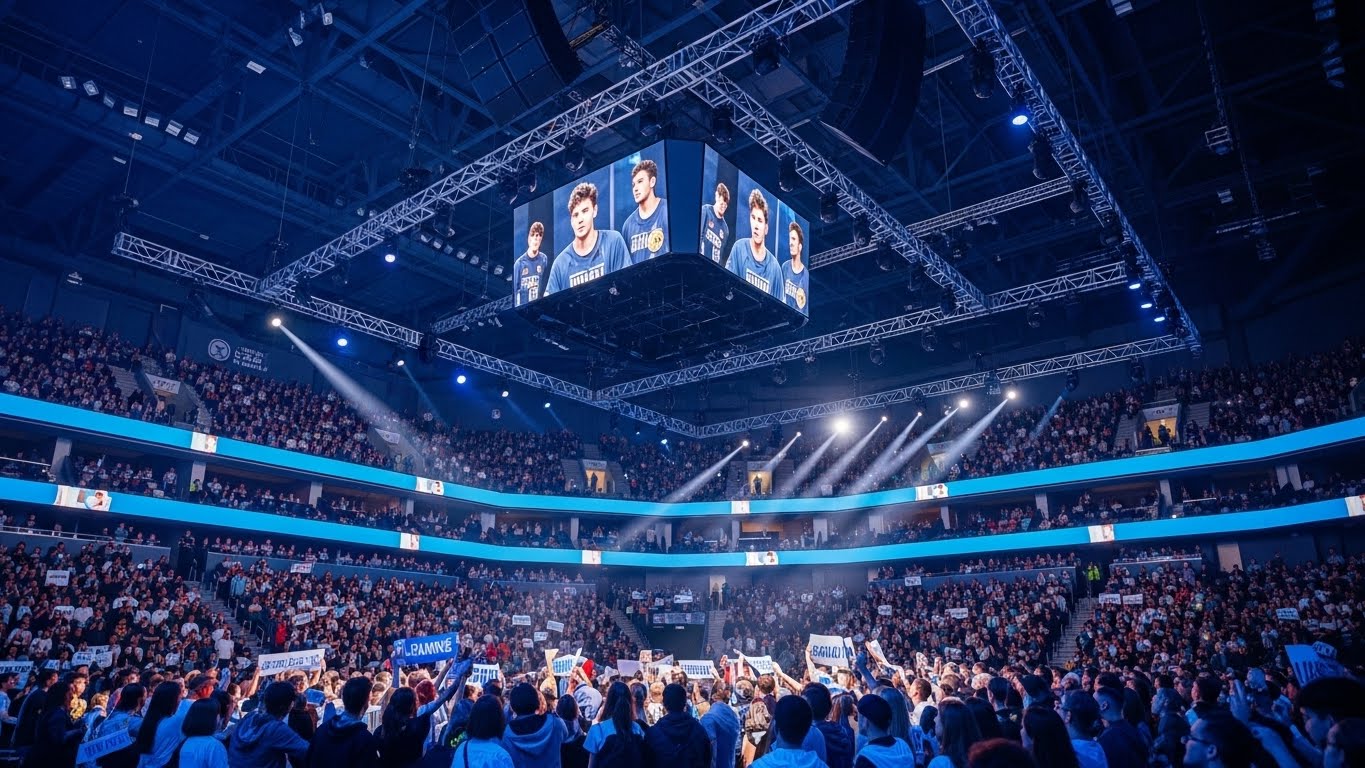
Beyond economics, esports has had a profound social and cultural impact. Competitive gaming has fostered communities that transcend borders, allowing people to connect over shared interests and collaborate in ways that were previously impossible. Esports events often rival traditional sporting events in terms of audience engagement and excitement, with fans cheering for their favorite teams, analyzing strategies, and celebrating victories together. Additionally, esports has challenged traditional notions of what constitutes a sport, encouraging broader acceptance of digital competition as a legitimate form of athleticism.
Challenges Facing Esports
Despite its growth, esports faces several challenges that could affect its sustainability and credibility. One major issue is the lack of standardized regulation across different regions and tournaments. Unlike traditional sports with governing bodies, esports is fragmented, which can lead to inconsistent rules, disputes over contracts, and uneven competition. Another challenge is player burnout, as the demanding schedules, high-pressure environments, and intense public scrutiny can take a toll on mental and physical health. Moreover, esports must navigate controversies related to cheating, toxicity in online communities, and concerns over gaming addiction, which have drawn scrutiny from parents, educators, and policymakers.
Esports and Education
Esports is increasingly being integrated into educational programs, with schools and universities establishing varsity esports teams and offering scholarships for talented players. This integration not only legitimizes esports as a career path but also provides students with opportunities to develop teamwork, leadership, and strategic thinking skills. Academic institutions have begun to recognize the potential of esports to foster critical thinking, problem-solving, and digital literacy, bridging the gap between gaming and education while preparing students for careers in the broader technology and entertainment industries.
The Future of Esports
The future of esports looks promising, with continued growth in audience size, technological innovation, and professional opportunities. Emerging technologies like virtual reality and augmented reality could redefine gameplay experiences, creating even more immersive and interactive competitions. Additionally, as mainstream media and traditional sports organizations increasingly embrace esports, the lines between digital and physical competition are likely to blur, opening up new possibilities for hybrid entertainment experiences. Esports may also play a role in shaping the future of global entertainment, serving as a bridge between gaming, social interaction, and professional sport.
Conclusion
Esports is no longer a niche hobby or underground activity; it has become a cultural, economic, and social phenomenon. From its humble beginnings as arcade competitions to its current status as a billion-dollar industry with global influence, esports has transformed the way we view gaming and competition. It offers opportunities for professional careers, creative expression, community building, and technological innovation. While challenges remain, the growth of esports demonstrates its resilience, adaptability, and enduring appeal. As the industry continues to evolve, esports will remain a defining feature of modern entertainment, proving that video games are more than just play—they are a legitimate and dynamic arena where skill, strategy, and passion collide.