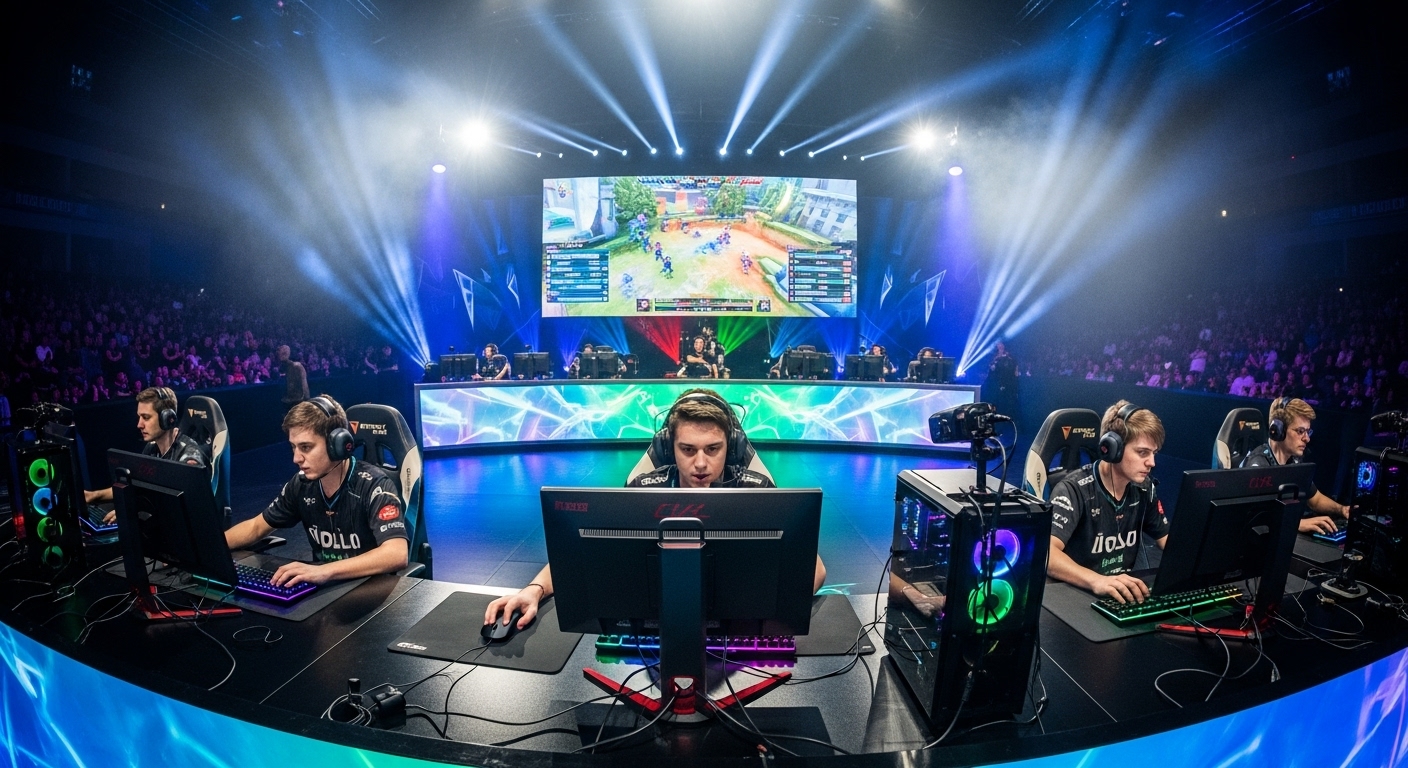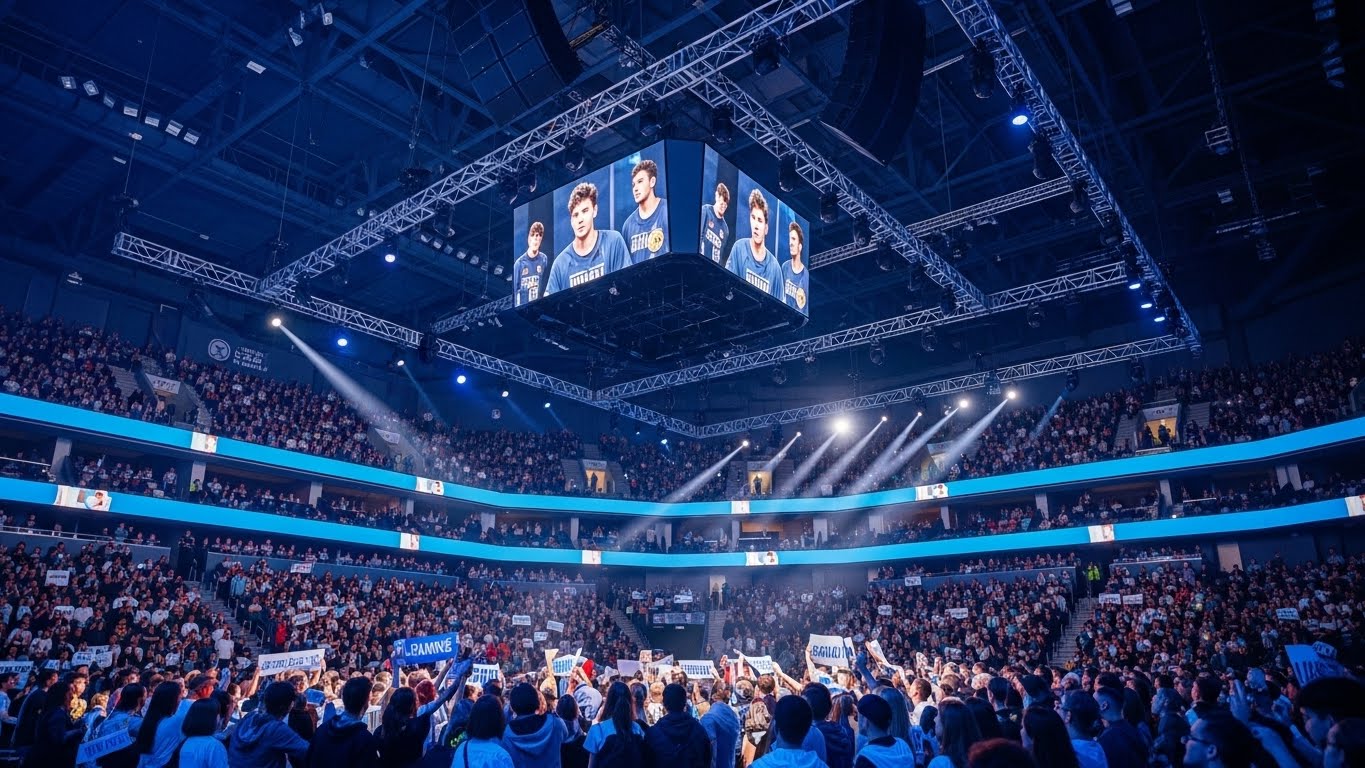
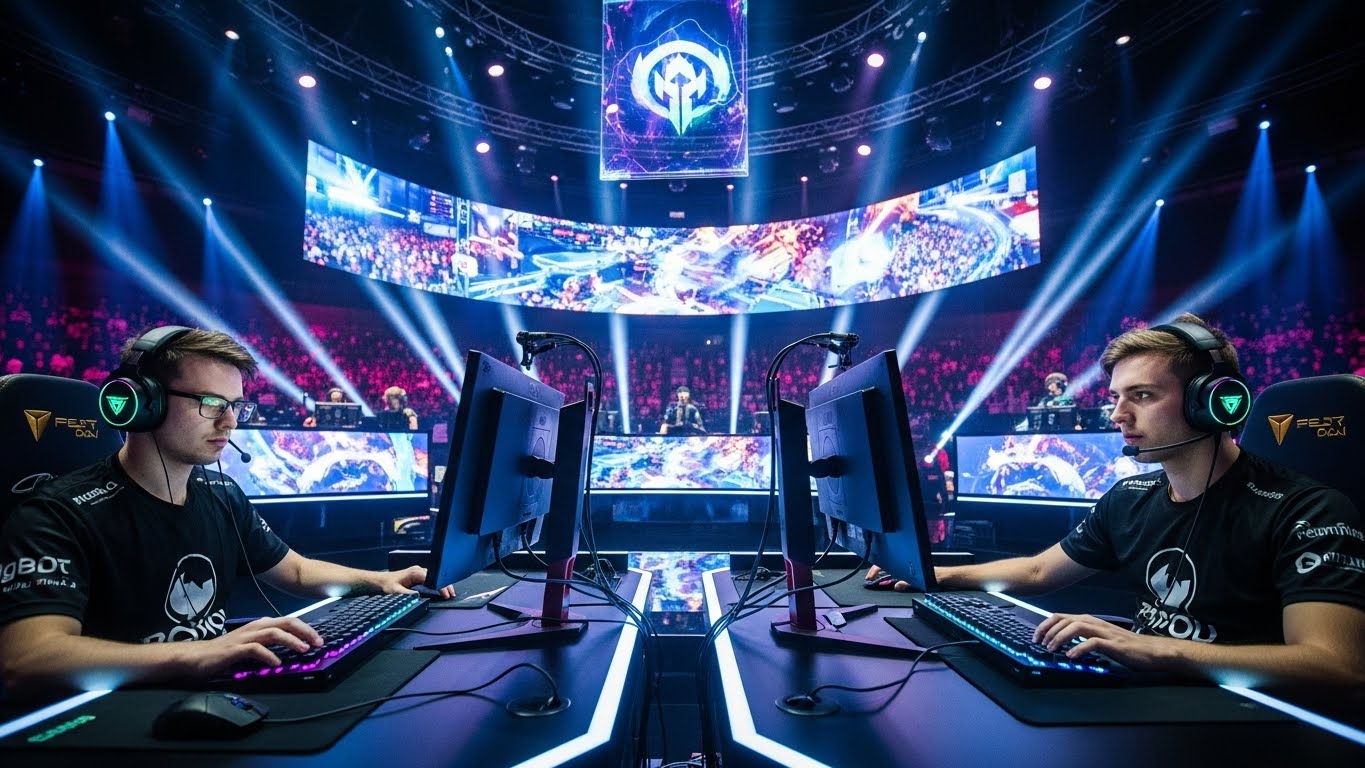
Esports, or electronic sports, has transformed from a niche hobby into a worldwide phenomenon that captivates millions of fans and players. What began as casual gaming competitions in the late 1990s has evolved into a professional industry with dedicated teams, sponsorships, media coverage, and multi-million-dollar tournaments. The rise of esports reflects not just the popularity of video games but also the growing cultural and economic impact of competitive gaming. In this blog, we will explore the evolution of esports, the industry behind it, its cultural influence, and what the future may hold.
The Origins of Competitive Gaming
Competitive gaming has a surprisingly long history. Even before esports became a recognized industry, video games attracted players who competed for pride and small prizes. Early competitions included arcade tournaments and local gaming events in the 1980s, often centered around games like Pac-Man and Street Fighter. These gatherings created a sense of community among players and sparked the first inklings of organized competition.
With the rise of personal computers and the internet in the 1990s, gaming competitions began to grow in scale. LAN parties and online tournaments allowed players from different regions to compete, paving the way for global esports. Games like StarCraft in South Korea and Counter-Strike internationally became early cornerstones of competitive gaming, offering both prestige and modest monetary rewards. These foundational moments were crucial in shaping the esports ecosystem we know today.
The Growth of the Esports Industry
Over the past decade, esports has transitioned from a hobbyist activity to a multi-billion-dollar industry. Professional teams now operate much like traditional sports franchises, complete with coaches, analysts, and brand sponsors. Major tournaments are broadcasted on television, streaming platforms, and social media, drawing audiences comparable to those of conventional sports.
Revenue streams in esports come from multiple sources. Sponsorships and brand partnerships are a major contributor, with companies seeking to engage the large and diverse esports audience. Tournament prizes attract top players, while streaming and content creation provide additional income. Merchandising and ticket sales for live events also contribute to the industry’s growth. This multi-faceted ecosystem reflects how esports has become both a cultural and economic powerhouse, attracting investment from major global brands.
Popular Esports Titles
The esports landscape is diverse, with games spanning multiple genres. Multiplayer online battle arenas, first-person shooters, real-time strategy games, and fighting games all have vibrant competitive scenes. Popular titles like League of Legends, Dota 2, Counter-Strike: Global Offensive, and Fortnite dominate professional circuits. Each game has its own community, rules, and tournaments, catering to a range of player and viewer preferences.
League of Legends, for example, has built an extensive global competitive scene with leagues in North America, Europe, and Asia. Dota 2 features one of the largest prize pools in esports history, creating intense competition among professional players. First-person shooters like Counter-Strike and Valorant combine precision, teamwork, and strategy, attracting both casual viewers and dedicated fans. These games not only define the esports industry but also inspire aspiring players to pursue professional careers.
The Role of Streaming Platforms
Streaming platforms have played a pivotal role in the rise of esports. Services like Twitch, YouTube Gaming, and other streaming platforms allow fans to watch live matches, follow their favorite players, and engage with communities in real-time. Streaming has not only expanded esports’ reach but also created opportunities for players to earn revenue directly through subscriptions, donations, and sponsorships.
Content creation around esports extends beyond live matches. Analysis, tutorials, and behind-the-scenes content help fans deepen their understanding of games and players. Streamers and influencers often serve as ambassadors for games, shaping trends and encouraging participation. This integration of live competition and content creation has been crucial to the growth of esports as a global entertainment industry.
Esports as a Career
For many, esports is more than a pastime—it’s a legitimate career path. Professional players dedicate years to mastering their skills, often practicing for several hours a day to maintain peak performance. Competitive gaming requires not only technical skill but also teamwork, strategic thinking, and mental resilience. Players frequently undergo coaching, participate in scrimmages, and analyze gameplay to improve performance.
Beyond players, careers in esports extend to coaching, broadcasting, marketing, event management, and game development. Analysts provide insights during live broadcasts, while content creators engage audiences and promote games. Event organizers ensure tournaments run smoothly, and developers maintain game balance and competitiveness. This diverse ecosystem demonstrates that esports is not only a competitive endeavor but also a complex professional industry.
Cultural Impact of Esports
Esports has reshaped how we perceive gaming in society. Once considered a niche hobby or even a frivolous pastime, competitive gaming is now celebrated as a legitimate sport with global recognition. Esports tournaments attract massive audiences, with fans cheering for their favorite teams and players much like traditional sports enthusiasts.
The cultural influence of esports extends to fashion, music, and lifestyle. Gaming jerseys, merchandise, and branded accessories are increasingly common, reflecting the professionalization of players and teams. Esports also promotes inclusivity, connecting players from different countries, backgrounds, and cultures. This global community fosters collaboration, communication, and shared experiences, strengthening esports’ position as a cultural force.
Education and Esports
The integration of esports into education is a growing trend. Schools and universities are offering esports programs, scholarships, and competitive teams, recognizing gaming as a platform for developing valuable skills. These programs emphasize teamwork, leadership, strategic thinking, and digital literacy.
In addition, esports education provides pathways to careers in technology, media, and game design. Students learn about streaming, tournament organization, analytics, and marketing, preparing them for diverse roles in the esports ecosystem. By incorporating esports into educational frameworks, institutions acknowledge the growing relevance of competitive gaming and its potential as a tool for skill development and professional growth.
Challenges Facing the Esports Industry
Despite its rapid growth, esports faces several challenges. Player burnout is a significant concern, as the competitive environment demands long hours of practice, constant travel, and mental resilience. Maintaining physical and mental health is essential to ensure sustainable careers in esports.
Another challenge is the issue of regulation and governance. Unlike traditional sports, esports lacks a universally recognized governing body, leading to inconsistencies in rules, player contracts, and tournament standards. Cybersecurity is also a concern, with online competitions vulnerable to hacking and cheating. Finally, while the industry is expanding, income disparity remains an issue, with only top-tier players earning substantial rewards. Addressing these challenges is essential for long-term sustainability and growth.
The Future of Esports
The future of esports is filled with opportunities. Advancements in virtual reality, augmented reality, and cloud gaming have the potential to revolutionize gameplay and spectator experiences. Imagine tournaments where fans can immerse themselves in matches, viewing action from multiple angles or even participating virtually.
Global expansion is another trend. Esports is gaining traction in regions previously less engaged, such as South America, Africa, and parts of Southeast Asia. Increased accessibility to high-speed internet and affordable gaming hardware will likely continue to drive participation. Furthermore, partnerships between esports organizations, traditional sports leagues, and mainstream media are bridging the gap between competitive gaming and conventional entertainment, further solidifying esports’ place in the cultural mainstream.
Conclusion: Embracing the Esports Revolution
Esports is no longer just a hobby—it is a professional, cultural, and economic force that continues to reshape the entertainment landscape. From humble beginnings in arcades and LAN parties to massive stadiums and global online audiences, competitive gaming has proven its legitimacy and appeal.
The industry’s growth is fueled by technological advancements, community engagement, professionalization, and cultural relevance. As esports continues to evolve, it offers opportunities not only for players but also for content creators, educators, and businesses. While challenges such as player burnout, regulation, and cybersecurity must be addressed, the future of esports is bright. For players, fans, and industry professionals alike, embracing this digital revolution promises a dynamic and exciting era in competitive gaming.