Introduction: A New Era in Competitive Gaming
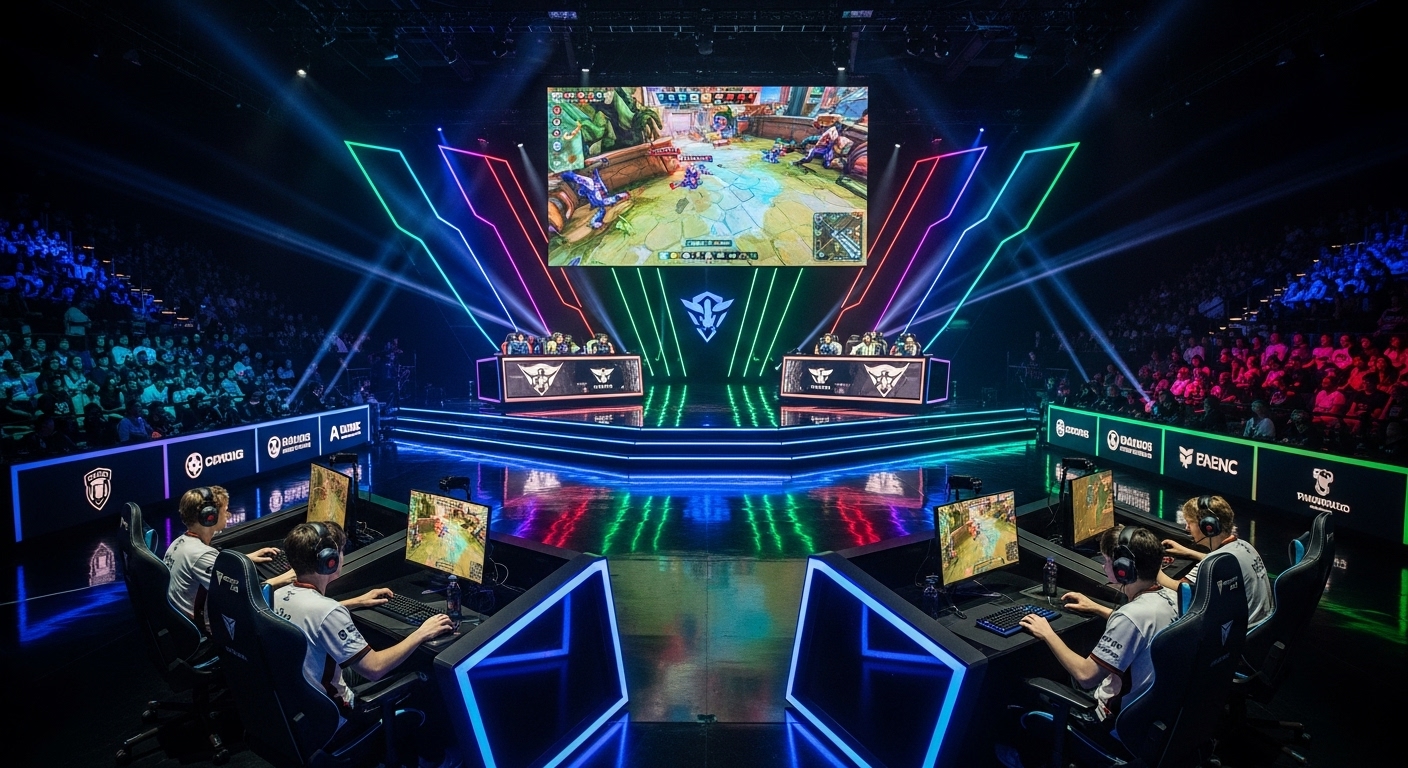
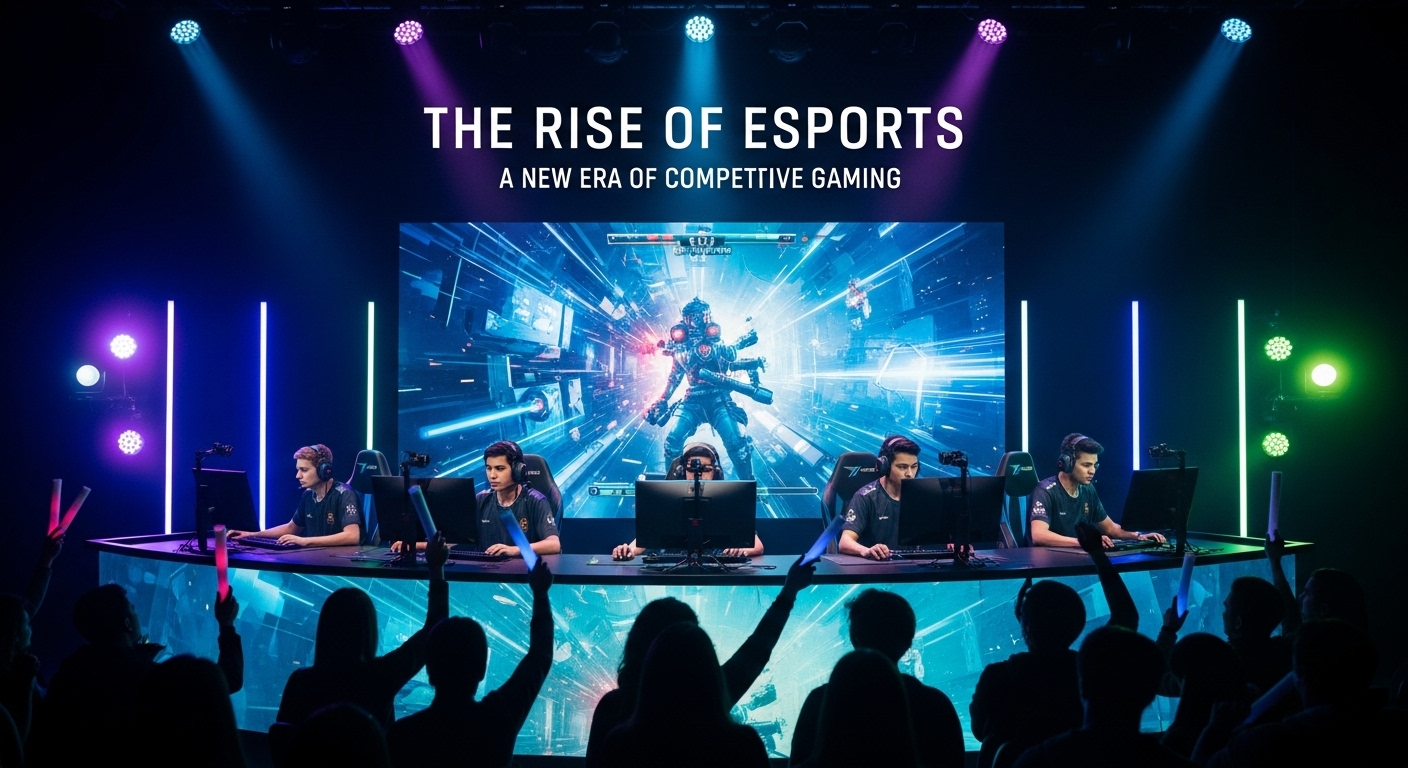
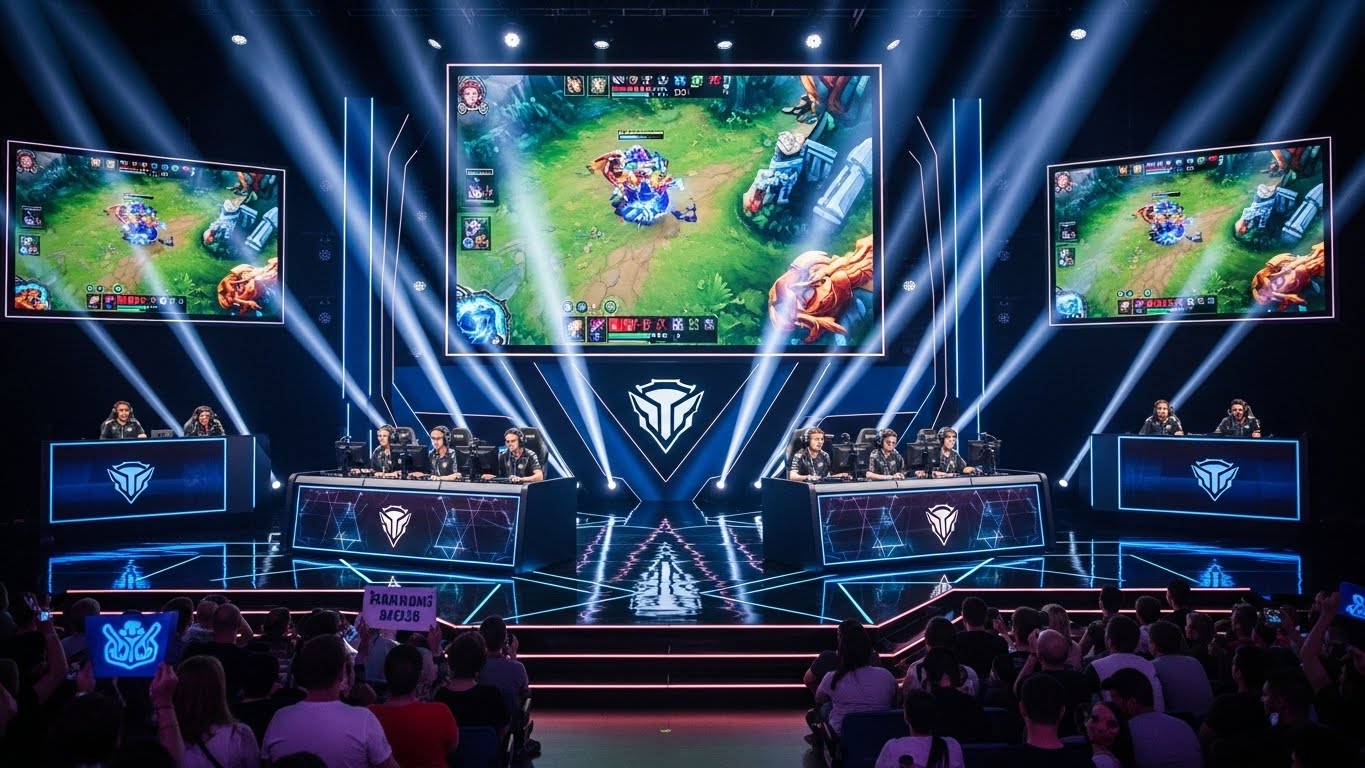
Esports, short for electronic sports, has evolved from a niche hobby into a global phenomenon. Once dismissed as a pastime for a few passionate gamers, it has now become a professional, multi-billion-dollar industry with dedicated teams, sponsorship deals, and international tournaments. The appeal of esports extends beyond mere gaming; it combines competition, entertainment, technology, and community. The evolution of esports reflects broader trends in digital culture, youth engagement, and media consumption, showing how gaming has transformed into a legitimate career path and entertainment medium.
The History of Esports
The origins of esports can be traced back to the 1970s and 1980s when arcade games and early computer games gained popularity. The first recognized competitive gaming events began in the late 1990s with games like StarCraft and Counter-Strike, where players competed in organized tournaments. The development of the internet played a pivotal role, allowing gamers to compete globally rather than being limited to local events. The 2000s saw the rise of professional leagues and broadcasting platforms, and today, esports enjoys mainstream recognition with millions of viewers and fans worldwide.
Popular Esports Games
Esports encompasses a variety of game genres, each attracting unique audiences and professional players. Multiplayer Online Battle Arenas (MOBAs) like League of Legends and Dota 2 have massive followings due to their strategic gameplay and team-based competition. First-Person Shooters (FPS) such as Counter-Strike: Global Offensive and Valorant emphasize precision, reflexes, and teamwork. Battle Royale games, exemplified by Fortnite and PUBG, combine survival elements with competitive gameplay, making them exciting to watch and play. Sports simulation games like FIFA and NBA 2K allow fans of traditional sports to engage in virtual competition. Each genre offers its own appeal, drawing different types of players and spectators, and contributes to the diverse ecosystem of esports.
The Global Impact of Esports
Esports is no longer confined to specific regions; it has become a global phenomenon. Asia, particularly South Korea and China, has long been a leader in esports development, with professional players achieving celebrity status. North America and Europe have seen rapid growth, with large tournaments, sponsorships, and college-level esports programs gaining popularity. The global audience for esports is estimated in the hundreds of millions, demonstrating the widespread cultural impact of competitive gaming. This international reach has made esports a unifying platform, bringing together people from diverse backgrounds with a shared passion for gaming.
The Economics of Esports
The esports industry is driven by a complex economic ecosystem. Revenue comes from multiple streams, including sponsorships, advertising, tournament prizes, merchandise sales, and media rights. Major corporations, from tech companies to fast food brands, invest heavily in esports due to its young, engaged audience. Professional players earn substantial incomes through salaries, endorsements, and streaming revenue, turning what was once a hobby into a viable career. Additionally, tournament organizers, game developers, and streaming platforms all benefit from the economic growth generated by esports. This financial dimension highlights the professionalization and legitimacy of competitive gaming as a serious industry.
Professional Players and Teams
Professional esports players are often regarded as athletes, requiring exceptional skill, strategy, and mental resilience. Teams are formed around top players who practice rigorously, often following strict schedules similar to traditional sports athletes. Esports requires coordination, communication, and deep understanding of game mechanics. Successful players spend hours analyzing gameplay, developing strategies, and honing reflexes. Teams compete in leagues and tournaments, representing brands or organizations, and their performance is closely followed by fans, analysts, and sponsors alike. The rise of esports academies and training programs further illustrates the level of professionalism now associated with the industry.
The Role of Streaming and Content Creation
Streaming platforms like Twitch and YouTube Gaming have revolutionized esports by providing a platform for both competitive events and casual gameplay. These platforms allow fans to watch live tournaments, interact with players, and consume gaming content on-demand. Streamers often gain substantial followings, bridging the gap between professional competition and everyday gaming culture. Content creation in esports also extends to tutorials, commentary, and behind-the-scenes insights, enhancing engagement and providing multiple ways for audiences to connect with the gaming community. The interactive nature of streaming has redefined spectator experience, making esports more accessible and engaging.
Esports and Technology
Technology plays a critical role in the growth of esports. High-performance gaming hardware, fast internet connectivity, and advanced streaming software all contribute to the competitiveness and accessibility of esports. Virtual reality and augmented reality technologies are emerging trends, promising new experiences for both players and viewers. Additionally, data analytics are increasingly used to enhance player performance, strategize gameplay, and predict outcomes, mirroring methods used in traditional sports. The technological evolution of esports ensures that the industry continues to innovate, attracting both new players and spectators.
Cultural Significance of Esports
Esports has transcended the boundaries of gaming, influencing popular culture, education, and social interaction. Gaming conventions, esports tournaments, and fan communities contribute to a shared culture that celebrates skill, creativity, and teamwork. Many universities now offer scholarships and programs for esports players, recognizing it as a legitimate discipline that fosters critical thinking, strategy, and collaboration. Esports has also become a platform for social interaction, allowing people to connect globally and form communities around shared interests. This cultural significance demonstrates that esports is more than entertainment; it is shaping identity, social behavior, and even educational opportunities.
Challenges Facing the Esports Industry
Despite its rapid growth, esports faces several challenges. The intense pressure on professional players can lead to mental health issues such as burnout, anxiety, and depression. Regulation and governance are still developing, with issues like cheating, match-fixing, and player contracts needing oversight. Gender disparity is another concern, as women are underrepresented both as players and in leadership roles within the industry. Additionally, the sustainability of esports tournaments and the balance between competition and entertainment remain ongoing challenges. Addressing these issues is crucial for the long-term stability and credibility of the esports ecosystem.
The Future of Esports
The future of esports looks promising, with continued growth expected in both audience and revenue. Innovations in technology, expanding global participation, and increased mainstream recognition will likely drive this growth. Esports may become an integral part of educational curricula, corporate sponsorship, and traditional media, further solidifying its position in global culture. Additionally, the integration of virtual reality, artificial intelligence, and advanced analytics may redefine competitive gaming experiences, creating more immersive and strategic gameplay. As esports continues to evolve, it will likely shape how society perceives gaming, sports, and entertainment in the digital age.
Conclusion: Gaming as a Global Sport
Esports has emerged as a cultural, economic, and technological force, transforming the way we perceive gaming and competition. From humble beginnings in arcades to billion-dollar tournaments watched by millions worldwide, it exemplifies the power of digital innovation and community engagement. The industry is more than a form of entertainment; it represents career opportunities, cultural exchange, and a new type of athleticism that blends strategy, skill, and technology. As esports continues to grow, it challenges traditional notions of sports and competition, proving that gaming has firmly established itself as a global phenomenon with far-reaching impact.