Introduction to Esports
In the past two decades, the world has witnessed a massive transformation in how entertainment and competition intersect. Esports, short for electronic sports, has emerged as one of the most dynamic and fast-growing industries in modern culture. What began as small, casual gaming competitions among friends has evolved into a global spectacle involving professional players, international tournaments, millions of passionate fans, and multi-million-dollar prize pools. Esports has become a cultural phenomenon that rivals traditional sports in audience size, excitement, and prestige.
The Evolution of Gaming into Esports
To understand esports, one must look at the evolution of gaming itself. Video games were initially designed for recreation and personal enjoyment. In the 1970s and 1980s, arcade games like Space Invaders and Pac-Man created the first wave of competitive gaming, with players striving to achieve high scores and dominate local leaderboards. However, these competitions were mostly informal and localized.
As technology advanced, home consoles and personal computers revolutionized the gaming landscape. The 1990s saw the birth of multiplayer gaming through local area network (LAN) parties, where groups of players would connect computers to compete in titles such as Doom, StarCraft, and Quake. These early LAN events laid the groundwork for what would later become organized esports tournaments.
The early 2000s brought the internet into every home, connecting players worldwide. Games like Counter-Strike, Warcraft III, and Halo gave rise to the first professional gaming teams and international competitions. From there, the term “esports” began to gain recognition as gaming transitioned from a hobby to a legitimate profession.
The Rise of Professional Esports
As gaming audiences expanded, companies began to see the potential of organized competition. Professional leagues and organizations formed, giving structure to what had previously been a loosely connected community. South Korea, in particular, played a crucial role in this transformation. The country embraced gaming as a legitimate profession earlier than most nations, establishing televised tournaments and sponsoring professional players. Titles like StarCraft became national obsessions, and the world took notice.
In North America and Europe, esports organizations like Major League Gaming (MLG) and the Electronic Sports League (ESL) began hosting tournaments for popular titles. These events attracted growing audiences, both in-person and online. The prize pools, once a few hundred dollars, quickly rose to tens of thousands, then hundreds of thousands, and now millions.
Popular Esports Titles That Defined the Industry
Esports is not limited to one genre or style of play. It includes a diverse range of games, each with its own rules, communities, and competitive scenes. Among the most influential are:
- League of Legends (LoL): Developed by Riot Games, this multiplayer online battle arena (MOBA) title revolutionized team-based esports. The League of Legends World Championship draws millions of viewers annually and showcases the highest level of strategic and mechanical skill in gaming.
- Dota 2: Another MOBA, developed by Valve, Dota 2 has one of the largest prize pools in esports history, largely due to its community-funded system known as The International. The game demands immense coordination, deep strategy, and precise execution.
- Counter-Strike: Global Offensive (CS:GO): As one of the oldest and most respected competitive shooters, CS:GO has maintained a massive following for years. The game’s simplicity combined with its skill ceiling makes it a favorite among both players and fans.
- Overwatch: Blizzard’s team-based shooter brought a colorful, hero-driven approach to esports. Its professional Overwatch League aimed to model traditional sports leagues with franchises representing global cities.
- Fortnite: While not always considered a traditional esport, Fortnite has hosted massive tournaments that showcase both casual and professional talent. Its combination of building mechanics and shooting skills created a unique competitive environment.
- Valorant: Another major title from Riot Games, Valorant combines elements of tactical shooters and hero-based gameplay. Since its release, it has quickly grown into a top-tier esport with international leagues and growing fan engagement.
The Role of Streaming and Online Platforms
One of the biggest factors behind the growth of esports has been the rise of live streaming platforms. Websites like Twitch, YouTube Gaming, and Facebook Gaming have made it possible for fans to watch their favorite players, teams, and tournaments live from anywhere in the world. Unlike traditional sports broadcasting, streaming allows for real-time interaction between players and audiences.
This accessibility has given rise to an entirely new form of celebrity. Esports players and streamers can build massive followings, turning their passion for gaming into full-time careers. Personalities like Ninja, Faker, and s1mple are recognized worldwide, representing not only gaming excellence but also entertainment influence.
The Globalization of Esports
Esports is one of the most globally inclusive industries in existence. Players from nearly every continent compete on the same virtual stages, and fans from all backgrounds come together to celebrate their favorite games and teams. Nations such as South Korea, China, and the United States have led the charge in esports development, but regions like Southeast Asia, Latin America, and Eastern Europe are rapidly rising.
International competitions, like the League of Legends World Championship or The International, draw millions of viewers and feature teams representing dozens of countries. Esports transcends language barriers and cultural differences, uniting people through a shared passion for competition and skill.
The Business of Esports
What was once a small hobbyist activity has now become a multi-billion-dollar global industry. The business side of esports encompasses sponsorships, advertising, team management, broadcasting rights, merchandising, and event organization. Major corporations and investors have taken notice. Traditional sports franchises, celebrities, and media companies have entered the scene, purchasing teams or sponsoring tournaments.
Brands outside the gaming world—such as energy drinks, tech companies, and even luxury fashion houses—see esports as a valuable market to reach younger audiences. The demographic appeal of esports is enormous, particularly among millennials and Generation Z, who prefer interactive entertainment over passive consumption.
Esports Arenas and Live Events
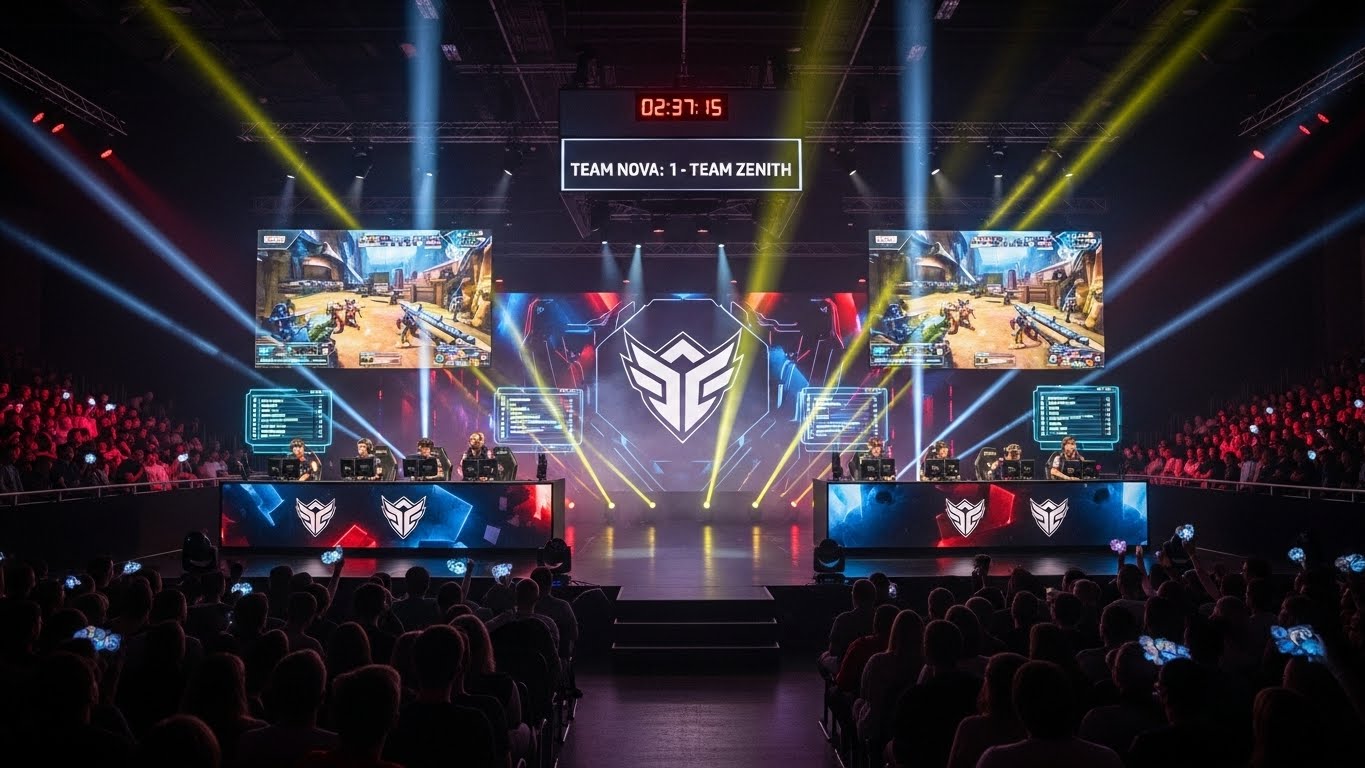
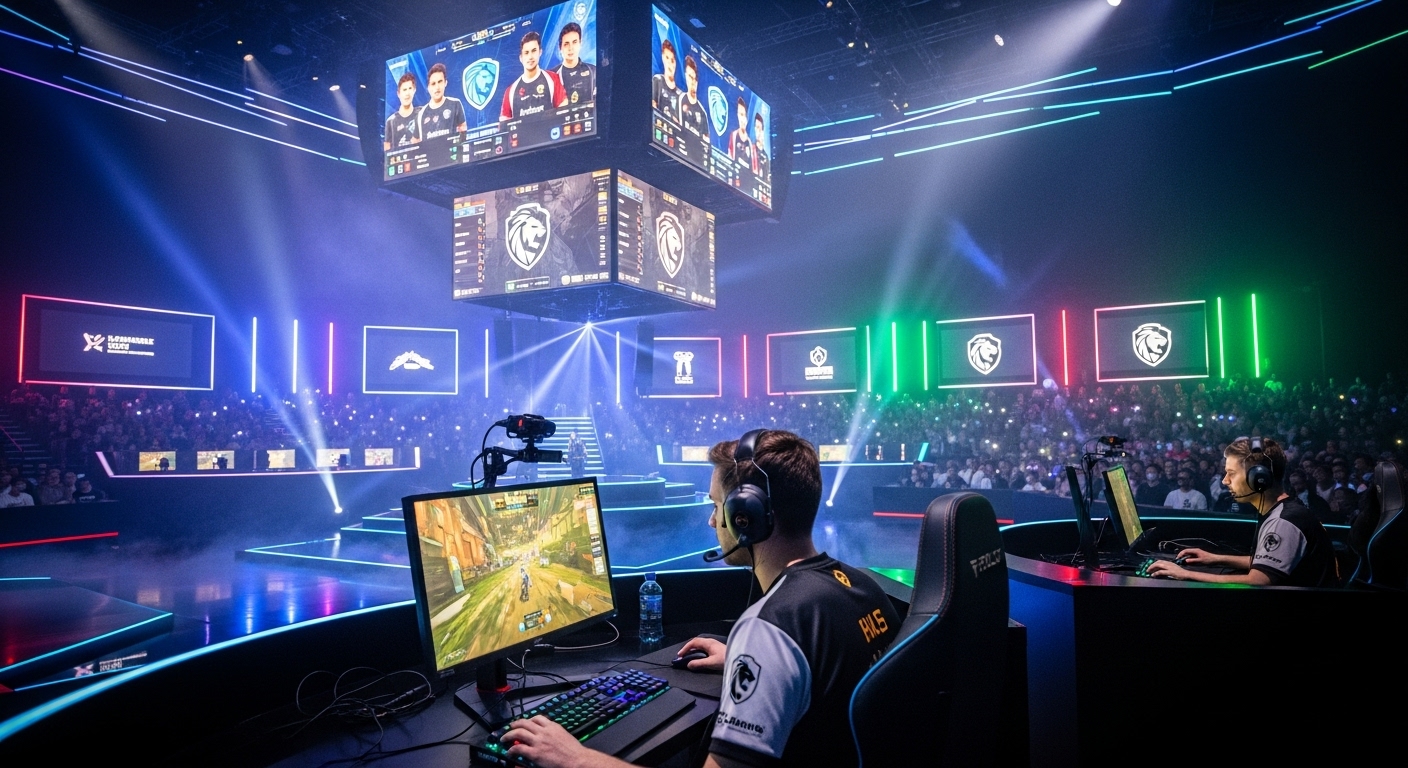
While much of esports takes place online, the live event experience has become a cornerstone of the industry. Large tournaments are hosted in massive arenas and stadiums, filled with cheering fans, light shows, and elaborate stage designs. Events such as the League of Legends Worlds Finals or Dota 2’s The International often sell out major venues.
These events rival traditional sporting championships in atmosphere and production quality. Fans wear team jerseys, wave banners, and engage in chants just like in football or basketball games. The sense of community and excitement within these live events demonstrates the cultural legitimacy of esports as a mainstream entertainment form.
The Life of a Professional Esports Player
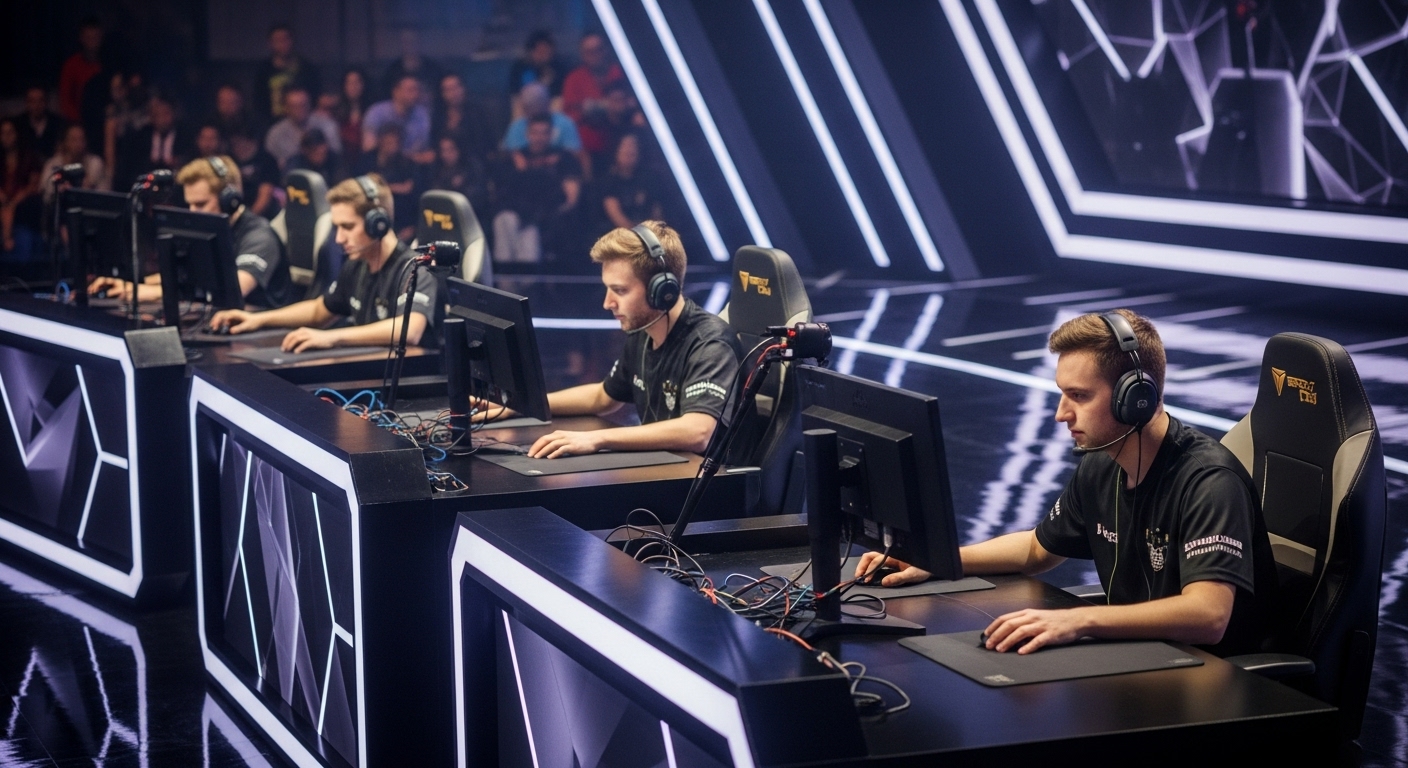
Becoming a professional esports player is not as simple as playing games for fun. It requires years of dedication, practice, and discipline. Top players often train for eight to twelve hours a day, reviewing strategies, scrimmaging with teammates, and analyzing their opponents.
The life of a pro gamer involves physical and mental challenges. Reaction speed, decision-making, and teamwork are crucial skills, but so are maintaining mental health and avoiding burnout. Many organizations now provide support systems for players, including coaches, nutritionists, and psychologists, to ensure long-term performance and well-being.
The Importance of Coaching and Analysis
In the early days of esports, teams operated informally, but now they resemble professional sports organizations. Coaches and analysts play key roles in helping teams refine strategies, review gameplay footage, and prepare for upcoming matches. Data analysis has become an integral part of esports success, with teams studying player tendencies and meta shifts to gain a competitive advantage.
The Role of Education and Scholarships
As esports continues to grow, educational institutions are beginning to recognize its legitimacy. Many universities now offer esports programs, degrees in game management, and even athletic scholarships for competitive players. This development has created a new pathway for students who are passionate about gaming but also value education.
High schools have also joined the movement, creating esports clubs and competitions to promote teamwork, communication, and digital literacy. Esports has proven that gaming can be both recreational and educational when approached responsibly.
The Influence of Esports on Traditional Sports
Traditional sports organizations have not ignored the success of esports. Many professional teams and leagues have launched their own esports divisions or partnered with gaming companies to reach new audiences. For example, soccer clubs and basketball teams often sponsor esports tournaments or own competitive gaming teams.
This crossover demonstrates the shared core values between sports and esports: competition, teamwork, discipline, and entertainment. The line between physical and digital competition continues to blur, opening new opportunities for collaboration and innovation.
Esports and Cultural Impact
Beyond competition, esports has reshaped global culture. It has influenced fashion, music, entertainment, and even politics. Gaming culture is now mainstream, and esports serves as a symbol of how technology and creativity merge to create new experiences.
Major artists have performed at esports events, fashion brands have released collaborations with gaming companies, and film and television have explored stories inspired by esports. This cultural blending shows that esports is not just a form of competition but also a lifestyle and creative movement.
Challenges Facing the Esports Industry
Despite its tremendous growth, esports still faces several challenges. One major issue is sustainability. While top games like League of Legends and CS:GO are thriving, many other titles struggle to maintain consistent viewership or financial backing.
Player burnout and career longevity are also concerns. The intense schedules and short career spans of professional players can lead to mental fatigue. Furthermore, issues like cheating, match-fixing, and performance-enhancing software threaten the integrity of competition.
Regulation is another important topic. Since esports operates globally across many games and organizations, there is no single governing body. Establishing fair rules, player rights, and consistent standards remains a work in progress.
The Future of Esports
The future of esports looks brighter than ever. As technology continues to advance, new gaming experiences will emerge through virtual reality, augmented reality, and artificial intelligence. These innovations could redefine what competitive gaming looks like in the next decade.
Mobile esports, for instance, have exploded in popularity, especially in Asia. Games like PUBG Mobile and Mobile Legends have brought professional gaming to millions of smartphone users, further expanding the industry’s reach.
Esports is also expected to gain more recognition from international sporting organizations. Discussions about including esports in major multi-sport events have already begun, and while debates continue, the inclusion seems increasingly inevitable.
Conclusion: The Legacy of Esports
Esports is more than just gaming. It represents a new frontier of competition, community, and creativity. What began as a niche pastime has evolved into a global movement that inspires millions. It bridges cultures, generations, and technologies, redefining what it means to be an athlete and a fan in the digital age.
The future will bring new games, new stars, and new challenges, but one thing is certain—esports has cemented its place in the world of entertainment. It continues to grow, innovate, and connect people in ways that few other mediums can. The passion of players, the energy of fans, and the vision of creators ensure that esports will remain at the forefront of global culture for generations to come.