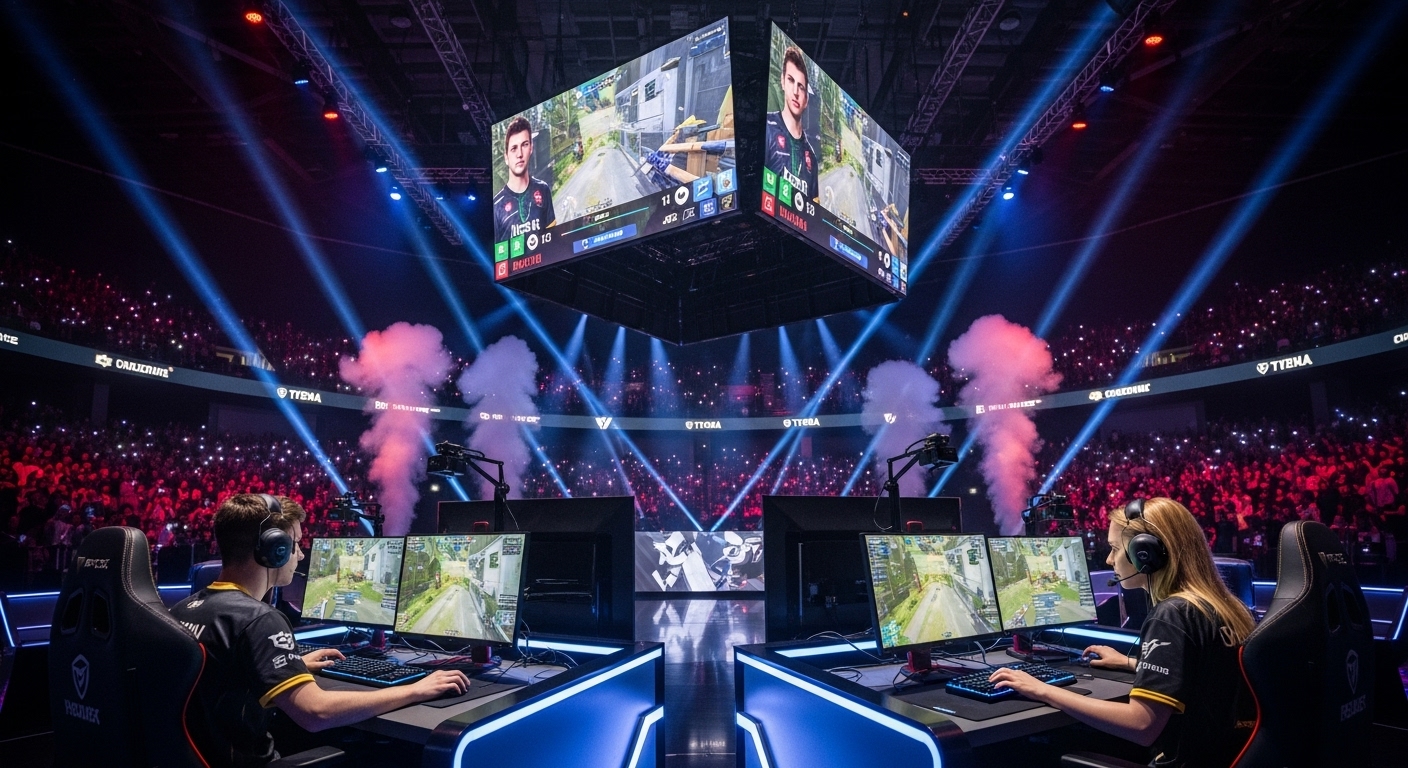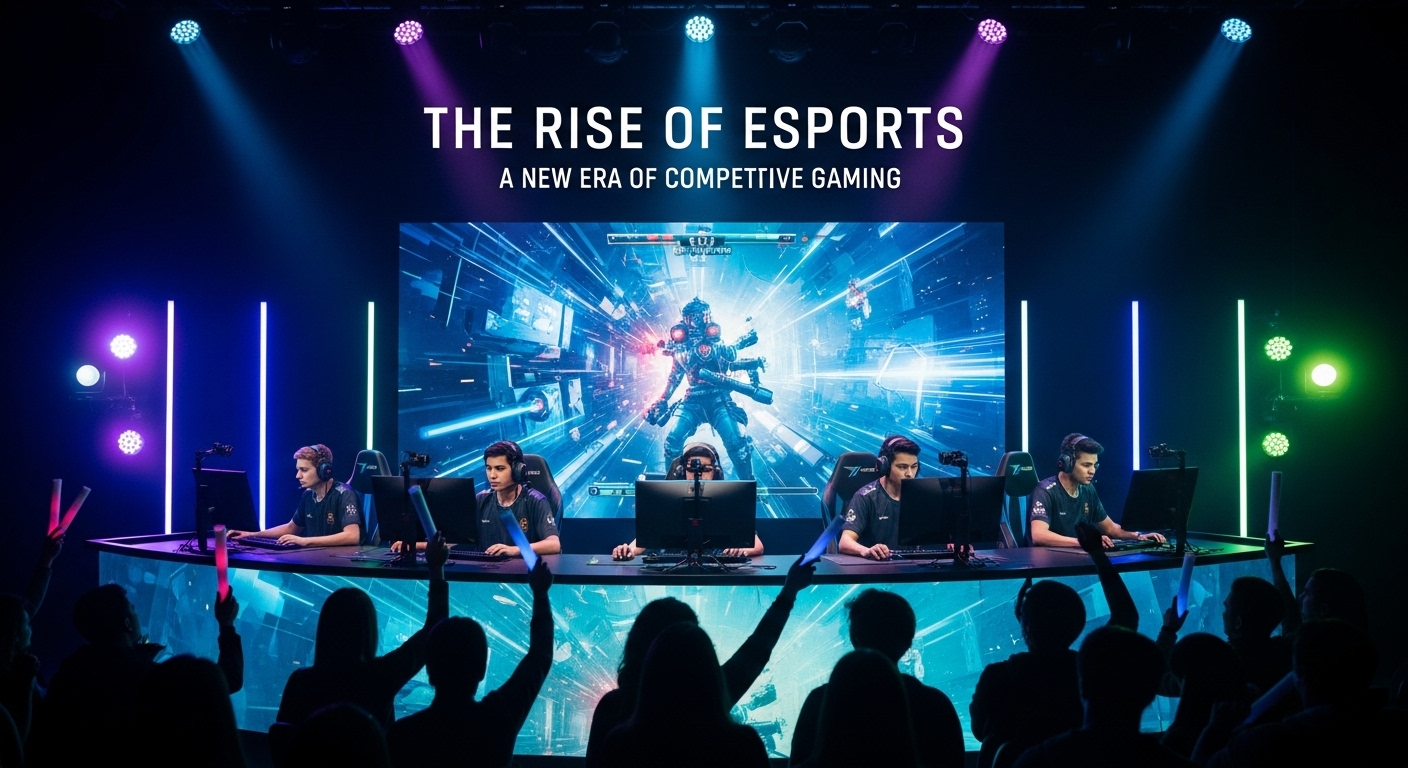
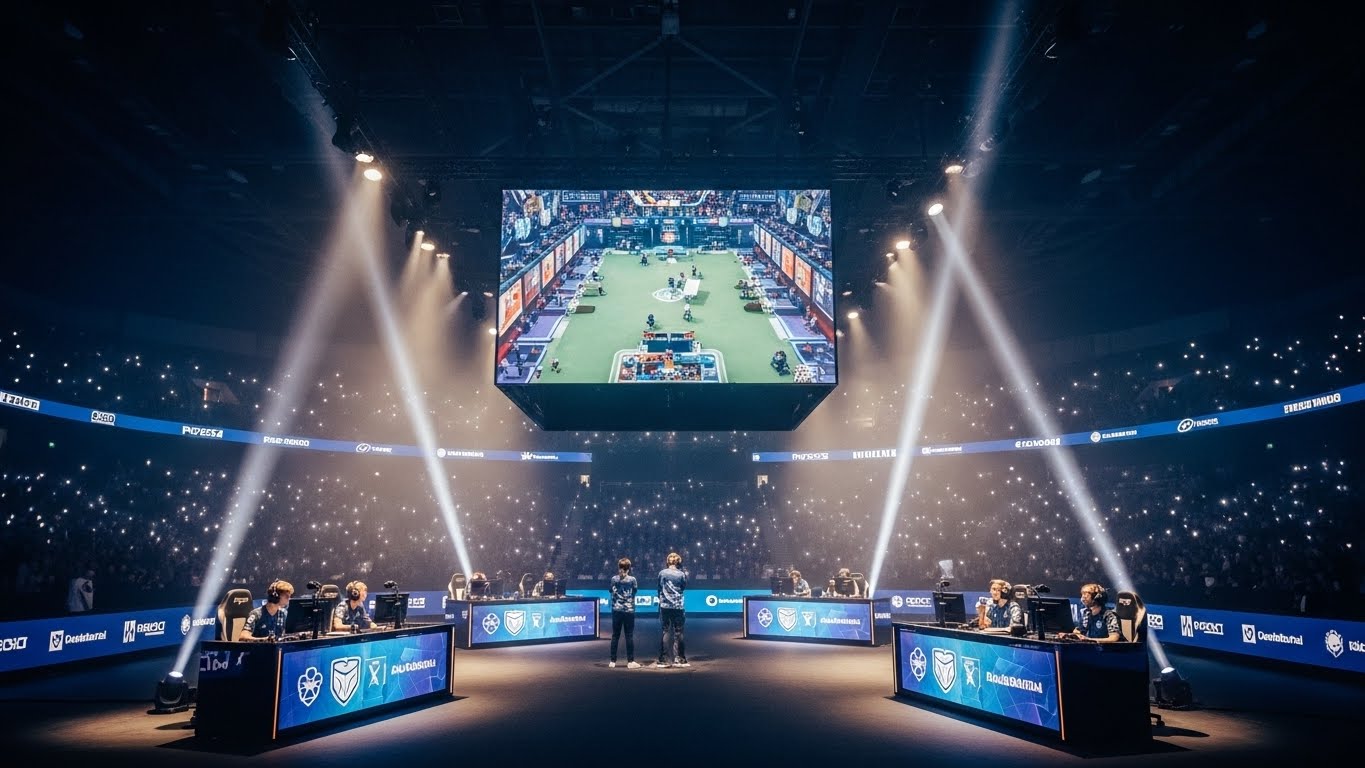
Esports has evolved from a niche hobby into a global phenomenon that attracts millions of viewers, players, and sponsors from around the world. The rapid growth of esports is nothing short of remarkable, and it has reshaped the way we think about competitive gaming, sports, and entertainment. As more players and spectators immerse themselves in this virtual world, esports has become a multi-billion-dollar industry, blending technology, entertainment, and competitive spirit. In this blog post, we will explore the rise of esports, its impact on traditional sports, the technology behind it, the players, and the future prospects of this exciting field.
The Emergence of Esports
In the early days of gaming, competition was largely confined to local gatherings or small-scale tournaments, usually held in arcades or among friends. It was a way for gamers to test their skills in friendly matches and have fun. However, as gaming technology advanced and the internet allowed for global connectivity, something remarkable began to happen: the competitive side of gaming exploded onto the scene.
Esports, short for electronic sports, is a form of competition where players, individually or in teams, compete in video games at a professional level. The games played in esports competitions range from first-person shooters like Counter-Strike and Call of Duty to multiplayer online battle arena (MOBA) games like League of Legends and Dota 2. These games require a combination of skill, strategy, teamwork, and fast reflexes, making them exciting to play and watch.
The rise of esports can be traced back to the late 1990s and early 2000s, when games like StarCraft and Warcraft gained immense popularity in Korea. South Korea became the epicenter of competitive gaming, with the establishment of professional gaming leagues and televised competitions. The success of these early tournaments paved the way for the global expansion of esports, particularly with the advent of platforms like Twitch, which allowed gamers to stream their gameplay to millions of viewers.
The Professionalization of Esports
As esports continued to grow in popularity, it transitioned from a casual hobby to a professional sport. Esports organizations were established, and professional players emerged as celebrities in their own right. Teams were formed, sponsors came on board, and major tournaments began offering lucrative prize pools. One of the most well-known esports events is The International, the annual Dota 2 championship, which has seen prize pools surpassing $40 million in recent years.
Esports organizations like Cloud9, Team Liquid, and Fnatic have built international reputations, with players under contract receiving salaries, benefits, and endorsement deals. This professionalization of the industry has led to the establishment of training facilities, coaching staff, and analytics departments, similar to traditional sports teams. In fact, many esports teams now employ full-time coaches, analysts, and nutritionists to help players reach their peak performance.
The financial aspects of esports have also become more sophisticated. Sponsorship deals with major companies such as Coca-Cola, Intel, and Audi are now common, and streaming platforms like Twitch and YouTube have become central to the ecosystem, providing players with a platform to engage with their fans and generate income through ad revenue, subscriptions, and donations.
The Global Appeal of Esports
One of the most fascinating aspects of esports is its global reach. Unlike traditional sports, which are often limited by geographic location or cultural barriers, esports transcends borders. Players from different countries and backgrounds can compete against one another in real-time, fostering a sense of global community.
Esports tournaments are streamed live to millions of viewers across the world. The ability to watch top-tier players compete from the comfort of their homes has attracted a massive global audience. Major events like League of Legends World Championship and Fortnite World Cup draw in millions of online viewers, rivaling traditional sports broadcasts in terms of viewership.
Esports has also found a home in countries that may not have a strong tradition of competitive sports. In places like China, Southeast Asia, and the Middle East, esports is flourishing and becoming a mainstream activity. The rise of esports in these regions has led to a surge in local talent, and many esports organizations are focusing on expanding into these markets.
In addition to viewership, the esports industry has also created job opportunities in a variety of fields, including event management, marketing, content creation, and software development. This has helped to fuel the continued growth of the esports ecosystem, making it a viable career path for many individuals.
The Impact of Esports on Traditional Sports
The rise of esports has had a significant impact on traditional sports. While esports and traditional sports are fundamentally different in terms of physical activity, they share common elements such as teamwork, strategy, and competition. Esports has introduced a new form of entertainment that appeals to younger generations, who may not be as interested in traditional sports like football, basketball, or soccer.
Esports has even found a place in traditional sports organizations. The NBA, for example, launched the NBA 2K League in 2018, where professional players compete in NBA 2K, the popular basketball simulation video game. Similarly, the German Bundesliga has entered the world of esports with its own FIFA esports league, while the English Premier League has collaborated with FIFA to create the ePremier League. These partnerships between traditional sports and esports help to bridge the gap between the two worlds, attracting new fans and creating new revenue streams.
Furthermore, traditional sports teams and athletes have started investing in esports organizations. NBA stars like Shaquille O’Neal and Michael Jordan have invested in esports teams, while football clubs like Manchester City and Paris Saint-Germain have launched their own esports divisions. This growing crossover between traditional sports and esports highlights the increasing recognition of esports as a legitimate form of entertainment.
The Technology Behind Esports
At the heart of esports is cutting-edge technology. Esports players rely on high-performance gaming hardware, including powerful PCs, gaming consoles, and peripherals like mice, keyboards, and headsets. The advancements in technology have enabled more immersive and realistic gaming experiences, pushing the boundaries of what is possible in competitive gaming.
One of the most important technological innovations in esports is the rise of high-speed internet connectivity. Low latency and fast internet speeds are essential for online gaming, especially in fast-paced games like first-person shooters and MOBAs. The advent of 5G networks and fiber-optic broadband has further improved the gaming experience, reducing lag and enhancing the quality of online competitions.
Another key aspect of esports is the streaming and broadcasting technology that allows millions of fans to watch live competitions. Platforms like Twitch, YouTube, and Facebook Gaming have revolutionized how esports content is consumed. These platforms allow viewers to watch matches, interact with streamers, and even participate in live chats during events. The integration of virtual reality (VR) and augmented reality (AR) into esports events is also on the horizon, providing even more immersive experiences for fans and players alike.
The Future of Esports
Looking ahead, the future of esports appears incredibly bright. As technology continues to evolve, so too will the gaming experience. The integration of artificial intelligence (AI), machine learning, and data analytics into esports will enhance training methods, player performance, and game design. AI-powered coaching tools, for example, could help players refine their skills and strategies by analyzing their gameplay in real-time.
In addition, the potential for esports to become an Olympic event is increasingly being discussed. The International Olympic Committee (IOC) has already begun exploring the possibility of incorporating esports into the Olympic Games, although debates continue over which games would be suitable and how they would fit into the traditional sporting model. Whether or not esports makes its way to the Olympics, its influence on the global sporting landscape is undeniable.
Esports is also likely to continue expanding into new regions, particularly in developing countries where internet infrastructure is improving. As more people gain access to high-speed internet and gaming hardware, esports will continue to flourish in areas that were once underserved. The global appeal of esports means that it will remain a vital part of the entertainment ecosystem for years to come.
Conclusion
Esports has come a long way from its humble beginnings as a hobby to become a multi-billion-dollar industry. It has attracted millions of players, fans, and sponsors from all over the world, and it continues to grow at an exponential rate. With its global appeal, professionalization, technological advancements, and crossover with traditional sports, esports has firmly established itself as a dominant force in the world of entertainment. As the industry continues to evolve, one thing is clear: esports is here to stay, and its future is incredibly promising.
Whether you’re a gamer looking to compete at the highest level, a fan watching from home, or a business looking to invest in a rapidly growing industry, esports offers endless opportunities. Its rise has reshaped the way we view gaming, sports, and entertainment, and it will continue to do so for years to come.