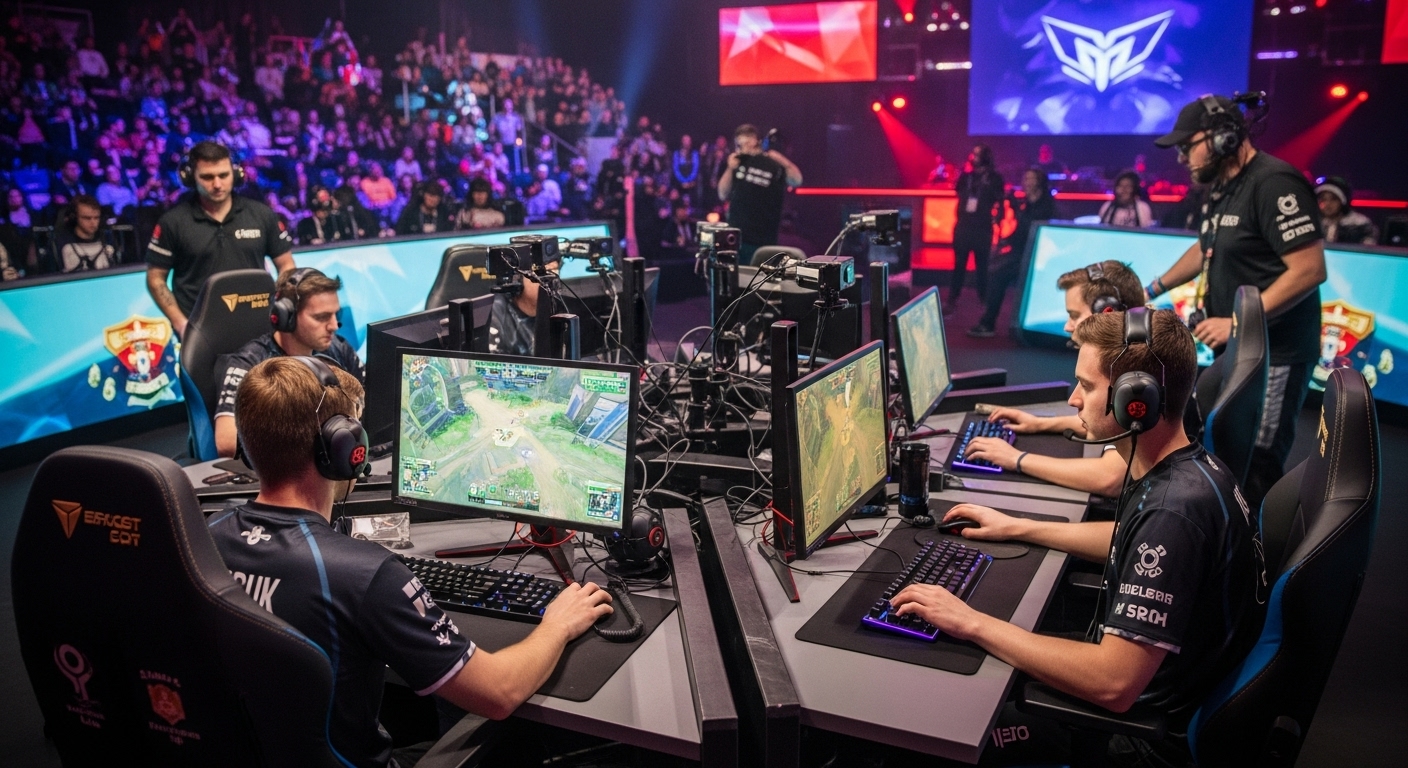
Esports, or competitive gaming, has emerged as one of the fastest-growing entertainment industries in the world. Once considered a niche hobby, esports has now become a global phenomenon, attracting millions of viewers, players, and investors. From small online tournaments to stadium-filling international championships, the growth of esports has transformed the perception of video games from mere recreation to professional competition.
Understanding Esports
Esports is the organized, competitive play of video games, often in multiplayer formats, where players or teams compete against each other for prizes, recognition, or ranking points. Unlike casual gaming, esports demands a high level of skill, strategy, and mental agility. Professional players often dedicate years of practice to perfect their gameplay, much like athletes in traditional sports.
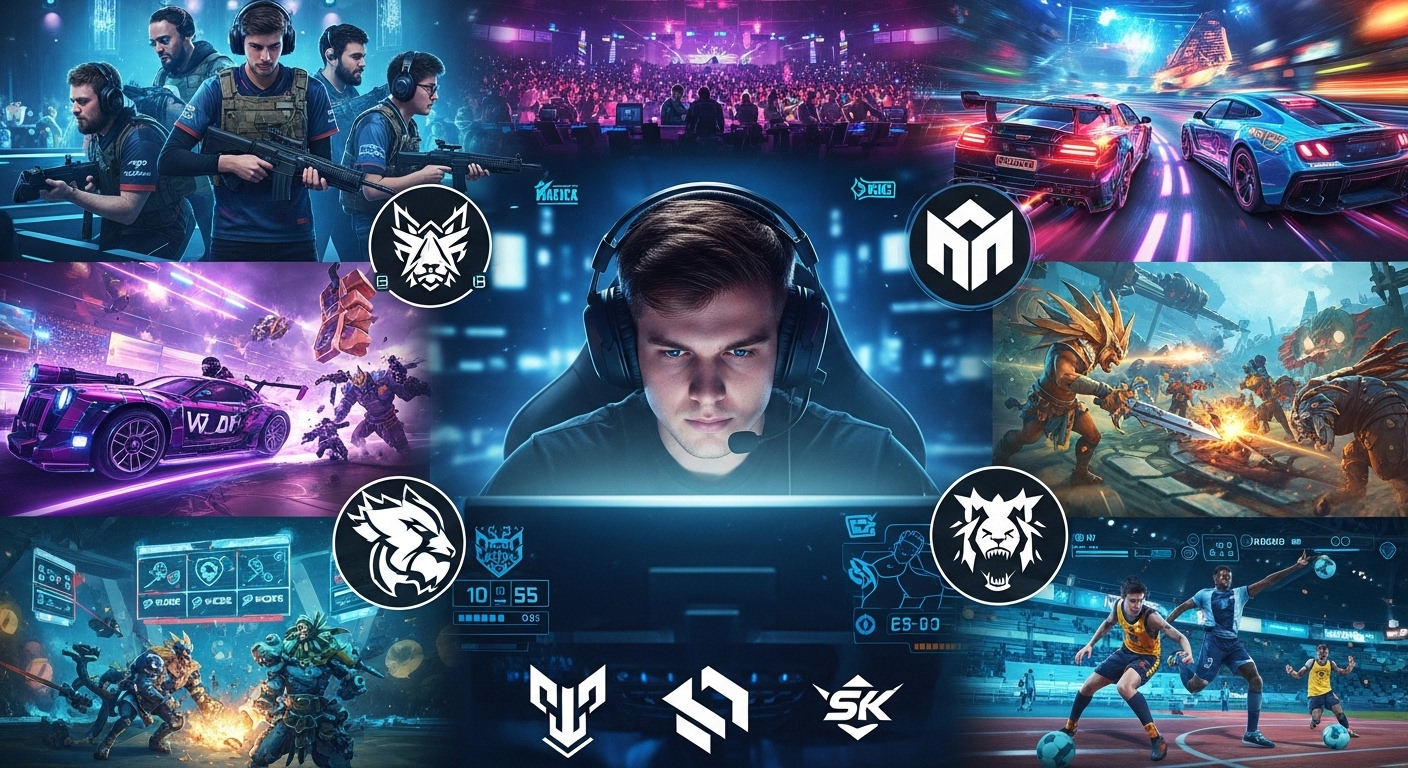
The term “esports” encompasses a wide range of games, including real-time strategy (RTS) games, first-person shooters (FPS), multiplayer online battle arenas (MOBA), and sports simulations. Popular titles include League of Legends, Dota 2, Counter-Strike: Global Offensive, Fortnite, and Call of Duty. Each game has its own mechanics, competitive structures, and dedicated fan base.
Historical Background of Esports
The origins of esports date back to the 1970s and 1980s, when video games began to gain popularity in arcades and on home consoles. Early competitions included high-score challenges for classic games like Space Invaders and Pac-Man. The first notable large-scale video game competition was the Space Invaders Championship held in 1980, attracting thousands of participants and demonstrating the potential for competitive gaming.
In the 1990s, the rise of the internet allowed players to compete remotely, giving birth to online gaming communities and tournaments. Games like Quake and StarCraft pioneered competitive multiplayer gaming, and professional leagues began to take shape in South Korea, where StarCraft became a national obsession. South Korean players and teams dominated international competitions, setting a high standard for professionalism in esports.
Esports as a Career
One of the most fascinating aspects of esports is its ability to provide a viable career path for skilled gamers. Professional esports players earn income through tournament winnings, sponsorship deals, streaming platforms, and team salaries. Top-tier players can earn millions of dollars annually, similar to athletes in traditional sports.
Beyond players, the esports ecosystem offers numerous career opportunities. Coaches, analysts, content creators, event organizers, broadcasters, and team managers contribute to the industry’s growth. Streaming platforms like Twitch and YouTube Gaming allow players and influencers to build personal brands and generate revenue through advertisements, subscriptions, and donations. The rise of esports academies and training programs has also created a structured path for aspiring players, further legitimizing competitive gaming as a profession.
Major Esports Titles and Genres
Esports is incredibly diverse, with games spanning multiple genres. Each genre offers unique competitive experiences and attracts different types of players and fans.
Multiplayer Online Battle Arena (MOBA)
MOBA games are team-based strategy games where players control individual characters, or “heroes,” with distinct abilities. The goal is usually to destroy the opposing team’s base while defending your own. League of Legends and Dota 2 are the most prominent examples, boasting massive global audiences and multi-million-dollar tournaments. MOBAs demand teamwork, precise timing, and strategic decision-making, making them highly engaging for both players and spectators.
First-Person Shooters (FPS)
FPS games focus on combat from a first-person perspective, emphasizing reflexes, aim, and tactical positioning. Counter-Strike: Global Offensive, Call of Duty, and Valorant are leading FPS titles in esports. FPS competitions are fast-paced and thrilling, often featuring intense moments of skill-based gameplay that captivate viewers.
Real-Time Strategy (RTS)
RTS games involve managing resources, building units, and executing strategic plans in real-time. Classic games like StarCraft and Age of Empires laid the foundation for competitive RTS gaming. While RTS has a smaller competitive scene today compared to MOBAs and FPS games, it remains respected for the mental rigor and strategic depth it demands.
Battle Royale
Battle Royale games, such as Fortnite and PUBG, feature large-scale survival gameplay, where players fight to be the last one standing. These games combine elements of shooting, strategy, and resource management. Tournaments often feature unique formats and dynamic challenges, making them popular with both players and spectators.
Fighting Games
Fighting games like Street Fighter, Tekken, and Super Smash Bros. emphasize one-on-one combat, reflexes, and combo mastery. Competitive communities for fighting games are known for passionate fan bases and historic rivalries. Tournaments often celebrate the skill, precision, and creativity required in high-level play.
The Business of Esports
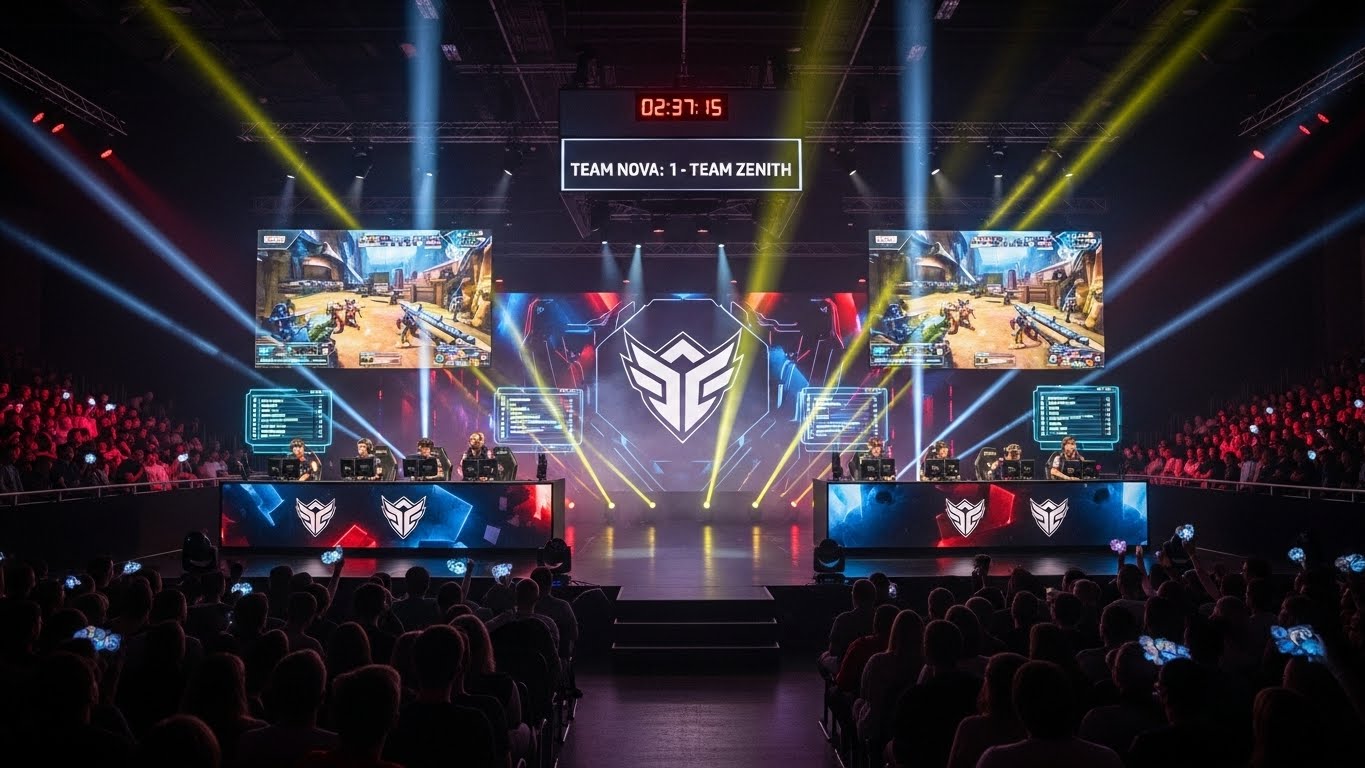
Esports has become a multi-billion-dollar industry, attracting investment from sponsors, media companies, and tech giants. Revenue streams in esports include tournament prize pools, advertising, sponsorships, merchandise, media rights, and streaming subscriptions. Major tournaments now fill arenas with tens of thousands of fans, similar to traditional sports events.
Sponsorship plays a critical role in esports. Companies from various sectors, including technology, energy drinks, fashion, and even banking, invest heavily in teams, events, and content creators. This influx of funding has allowed teams to offer salaries, improve training facilities, and provide comprehensive support to players.
Media rights and streaming platforms are also central to esports’ commercial success. Twitch, YouTube Gaming, and other platforms have transformed how audiences consume esports content. Live streams, commentary, and interactive features enhance viewer engagement, creating an immersive experience that rivals traditional sports broadcasts.
Esports Events and Tournaments
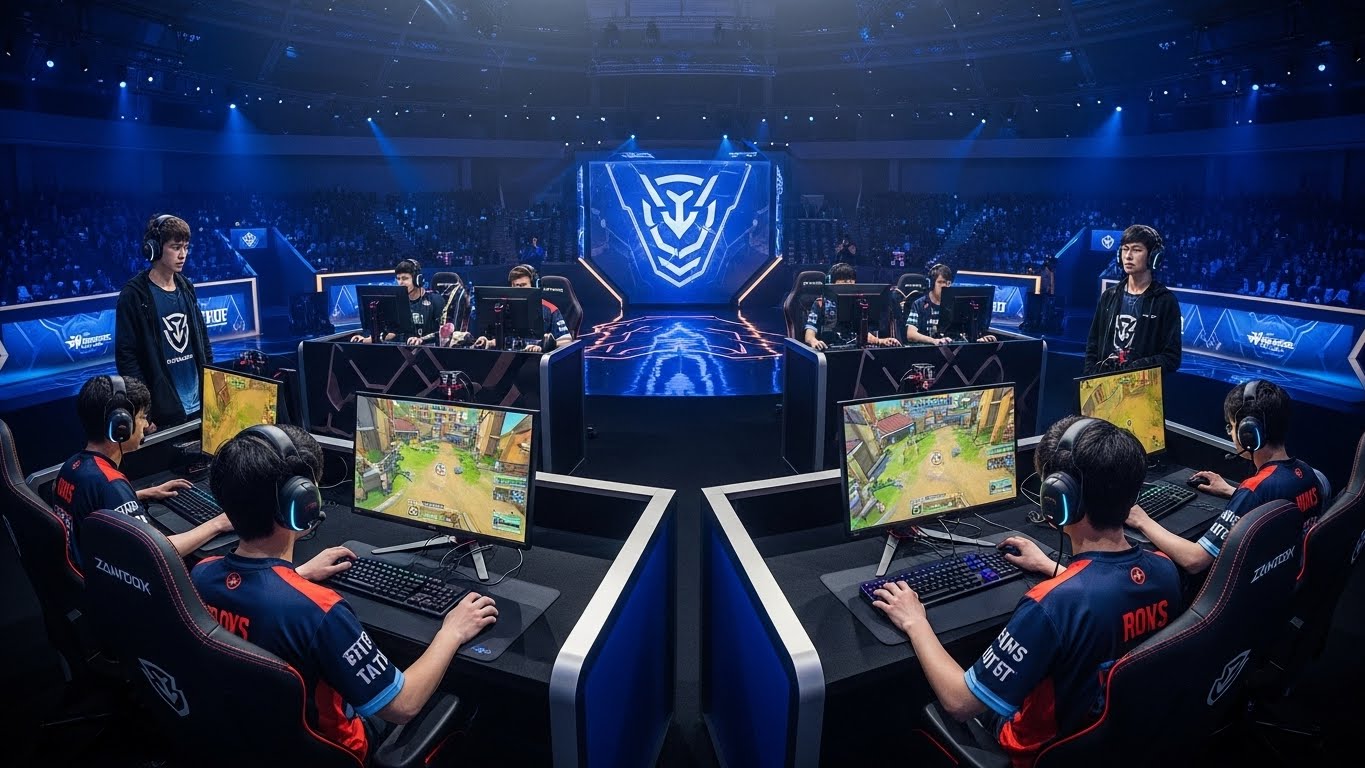
Competitive esports events are as varied as the games themselves. Tournaments can range from small online matches to massive international competitions held in stadiums. These events not only showcase top-tier talent but also serve as social and cultural gatherings for the gaming community.
International Championships
Games like Dota 2 and League of Legends host annual international championships that attract millions of viewers worldwide. The prize pools for these tournaments often reach tens of millions of dollars, making them the most lucrative competitions in the industry. The International, Dota 2’s flagship event, is renowned for its fan-funded prize pool, demonstrating the community’s commitment to supporting competitive play.
Regional Leagues
Many esports titles feature regional leagues that provide structured competition and pathways to international tournaments. For example, League of Legends has professional leagues in North America, Europe, Korea, China, and other regions. Regional leagues help maintain a competitive ecosystem by allowing emerging players and teams to gain experience and recognition before competing on the global stage.
Online Tournaments
Online tournaments are essential for esports accessibility, allowing players from around the world to participate without traveling. Platforms like FACEIT and ESL facilitate these competitions, offering both amateur and professional players opportunities to showcase their skills. Online tournaments also serve as talent scouting grounds for professional teams.
The Role of Technology in Esports
Technology is at the heart of esports. High-performance gaming hardware, fast internet connections, advanced streaming software, and analytics tools all contribute to the competitive experience. Players rely on gaming mice, mechanical keyboards, and high-refresh-rate monitors to optimize performance, while coaches and analysts use data analytics to develop strategies and study opponents.
Streaming technology has revolutionized how esports is consumed. Platforms allow live interaction between players and fans, enhancing engagement and fostering a sense of community. Virtual reality and augmented reality technologies are beginning to influence esports as well, creating immersive experiences that could shape the next generation of competitive gaming.
Esports and Community
One of esports’ most remarkable aspects is the sense of community it fosters. Unlike traditional sports, where fan interaction is limited to cheering in stadiums, esports communities thrive online. Forums, social media, Discord servers, and streaming platforms allow fans to connect, discuss strategies, and share experiences. Community engagement is crucial for sustaining interest in esports, as players and fans often contribute directly to content creation, game development feedback, and tournament organization.
Cosplay, fan art, and community-driven tournaments further enrich the cultural landscape of esports. Fans celebrate their favorite players and teams, forming subcultures and traditions unique to the esports ecosystem. This sense of belonging strengthens loyalty and promotes long-term engagement with games and competitions.
Esports and Education
Esports is also making its mark in education. Schools and universities have started offering esports programs, scholarships, and varsity teams. These programs teach students valuable skills such as teamwork, communication, problem-solving, and strategic thinking. Some institutions even offer courses in game design, esports management, and broadcasting, preparing students for careers in the gaming industry.
Esports in education also helps challenge negative stereotypes about gaming. By promoting structured competition, discipline, and skill development, academic programs demonstrate that gaming can be a productive and rewarding pursuit.
Challenges in Esports
Despite its rapid growth, esports faces several challenges. One of the primary concerns is player burnout. Professional esports players often practice for eight to twelve hours a day, leading to physical and mental strain. Organizations are increasingly recognizing the importance of player wellness, providing coaching, counseling, and rest periods to maintain long-term performance.
Cheating and hacking remain persistent issues in online competitions. Developers and tournament organizers continuously implement anti-cheat measures, but the competitive nature of esports means that maintaining fair play is an ongoing battle.
Additionally, the esports industry faces challenges related to sustainability and regulation. Unlike traditional sports, esports lacks standardized governance, leading to inconsistencies in tournament rules, player contracts, and team management. Addressing these issues is essential for long-term credibility and growth.
The Future of Esports
The future of esports looks promising. With technological advancements, growing investment, and expanding global audiences, esports is poised to become a mainstream form of entertainment. Virtual reality, artificial intelligence, and advanced analytics could redefine gameplay and strategy, offering more immersive and competitive experiences.
Esports is also likely to expand into new markets. Emerging regions in South America, Africa, and Southeast Asia are developing competitive gaming communities, adding diversity and new talent to the global scene. Moreover, as society becomes more accepting of gaming as a professional pursuit, esports will continue to gain recognition alongside traditional sports.
Integration with mainstream media is another key trend. Esports events are increasingly broadcast on television networks, and collaborations with entertainment and sports industries are on the rise. This convergence will broaden the appeal of esports and solidify its position as a dominant form of global entertainment.
Conclusion
Esports has evolved from humble beginnings in arcades and home consoles into a multi-billion-dollar industry that spans the globe. It is a unique blend of competition, entertainment, technology, and community. From professional players to passionate fans, the esports ecosystem thrives on dedication, innovation, and shared enthusiasm for gaming.
As esports continues to grow, it challenges conventional ideas about sports, careers, and entertainment. It demonstrates that video games are more than a pastime—they are a platform for skill, creativity, and social connection. The journey of esports is far from over, and its future promises even greater excitement, opportunities, and cultural impact. The rise of esports is a testament to how human passion, technology, and competition can combine to create something extraordinary.