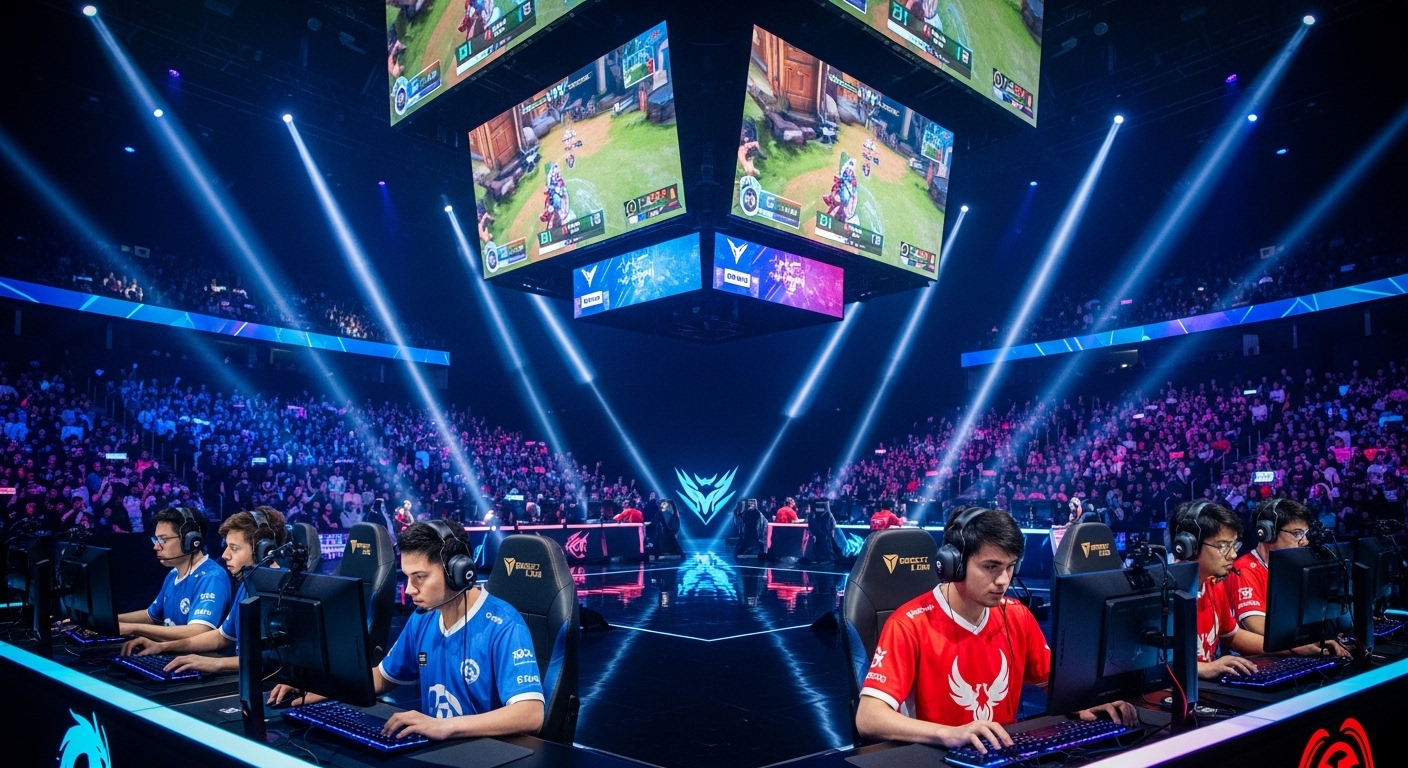
Esports, once considered a niche interest, has evolved into a massive global industry that generates billions of dollars each year. With a growing fanbase, lucrative sponsorships, and intense competition, it is no longer just about casual gaming. Esports is now a professional sport, with players, teams, and tournaments achieving widespread recognition, comparable to traditional sports. This blog post explores the history, growth, impact, and future of esports, highlighting the factors that have led to its meteoric rise.
The Origins of Esports
Esports, or electronic sports, refers to competitive video gaming, where players compete against each other in organized multiplayer video game tournaments. The roots of esports can be traced back to the 1970s and 1980s, when early arcade games like Pong and Space Invaders sparked the first competitive gaming experiences. These initial competitions were small-scale, often taking place in local arcades, and were more about fun than professional stakes.
However, the real birth of esports as we know it today began in the late 1990s and early 2000s. The internet revolution allowed players to connect from all over the world, which led to the creation of online gaming tournaments. The release of titles such as StarCraft, Warcraft III, and Quake played a pivotal role in shaping competitive gaming. These games were not just about playing for fun; they were designed with the mechanics necessary for high-level competition.
In 1997, the first esports tournament was held at the Red Annihilation tournament for the game Quake. It featured a grand prize of a car and attracted significant attention, marking the beginning of a new era in gaming. As the internet continued to improve and broadband connections became more common, competitive gaming grew from small, local gatherings to large-scale, international tournaments.
Esports: From Casual to Competitive
The evolution of esports from a casual pastime to a competitive enterprise is a story of increasing scale, investment, and professionalization. By the early 2000s, dedicated esports leagues began to emerge. The launch of the World Cyber Games in 2000 and Electronic Sports World Cup (ESWC) in 2003 were among the first initiatives to bring esports to a global stage.
In these early days, esports was largely driven by enthusiasts, hobbyists, and volunteers. The players were passionate, but the rewards were minimal. However, the introduction of sponsorships, major game publishers, and professional broadcasting transformed esports into a multi-million-dollar industry. By 2010, major games like League of Legends and Dota 2 began to dominate the esports landscape, offering massive cash prizes, sponsorships, and worldwide recognition.
One of the key factors in the professionalization of esports was the rise of streaming platforms such as Twitch. Founded in 2011, Twitch provided a platform for gamers to stream their gameplay live, attracting a huge audience of both players and fans. With this, the boundaries between the audience and the players began to blur. Fans could now watch their favorite players in real-time, and streamers could interact with their audience, creating a sense of community and accessibility. This relationship between the audience and the players became one of the defining features of modern esports.
The Global Explosion of Esports
In recent years, esports has experienced explosive growth, becoming a global phenomenon. What was once a niche interest for a small group of dedicated players has evolved into a massive industry. According to a report from Newzoo, the global esports market was valued at over $1 billion in 2021, and it is projected to grow even further. This growth is attributed to several factors: the rise of streaming, increased interest from traditional sports organizations, and the increasing popularity of mobile gaming.
Esports tournaments have grown in size and prestige. The League of Legends World Championship, for example, now attracts millions of viewers, and its grand final is broadcasted on major sports networks. The prize pools for major tournaments have also increased dramatically, with some competitions offering prize pools exceeding $30 million. This is on par with major traditional sports events like tennis’ Wimbledon or golf’s The Masters.
The global reach of esports is another factor contributing to its success. Esports tournaments are held in all corners of the world, from North America to Europe to Asia. Major companies and broadcasters, such as ESPN and Fox Sports, have begun to take notice of esports’ popularity, offering live broadcasts of tournaments and even creating dedicated esports channels. The audience for esports is diverse, with millions of fans tuning in from different regions, backgrounds, and age groups.
Esports Ecosystem: Players, Teams, and Tournaments
At the heart of esports lies the ecosystem of players, teams, and tournaments that make up the competitive landscape. The players themselves are often highly skilled individuals who dedicate their lives to mastering their chosen games. Many esports players start young, spending countless hours practicing and refining their skills. They are often recruited by professional teams, which provide the infrastructure and resources necessary to compete at the highest level.
Esports teams are similar to those in traditional sports. They are made up of a group of talented players who train together, strategize, and compete in tournaments. These teams are often backed by major sponsors and investors, who provide financial support in exchange for exposure and branding opportunities. Some of the biggest esports teams in the world, such as Team Liquid, Cloud9, and Fnatic, are household names in the gaming community.
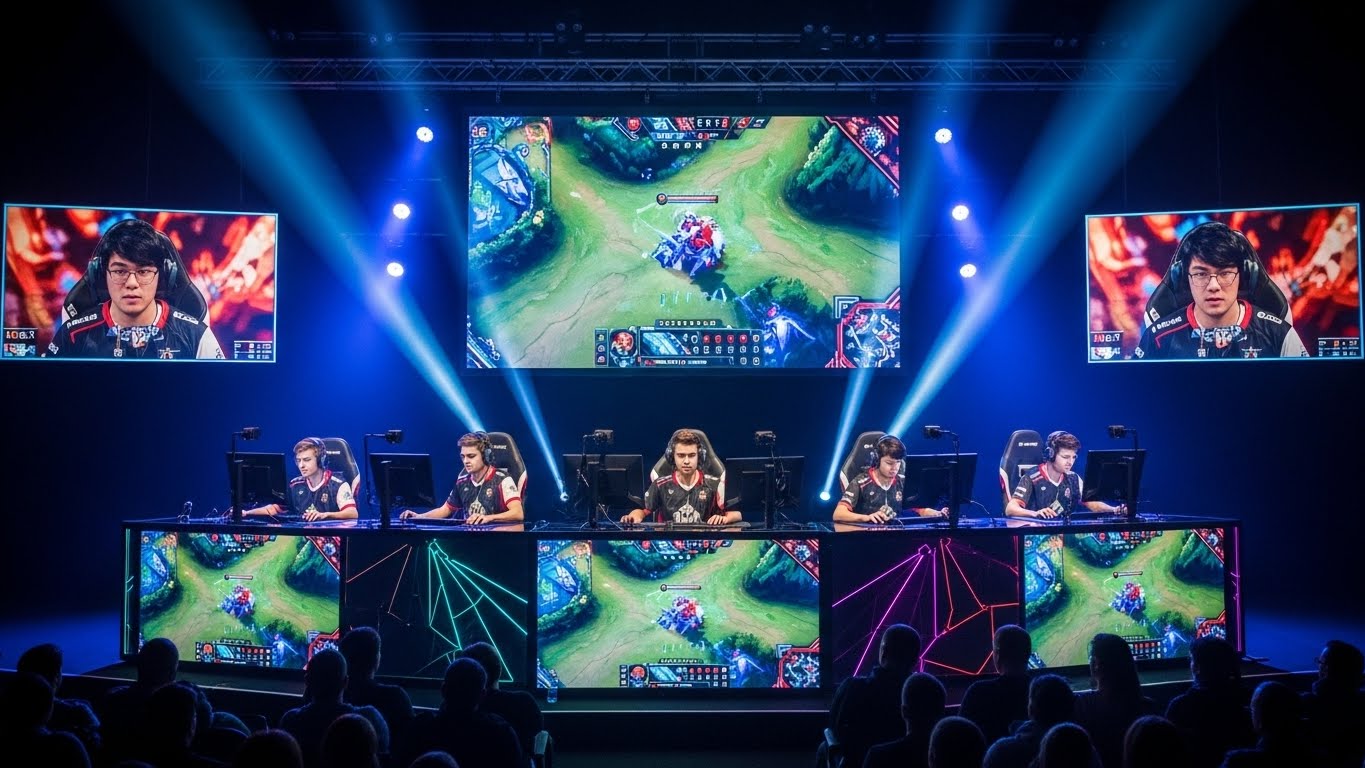
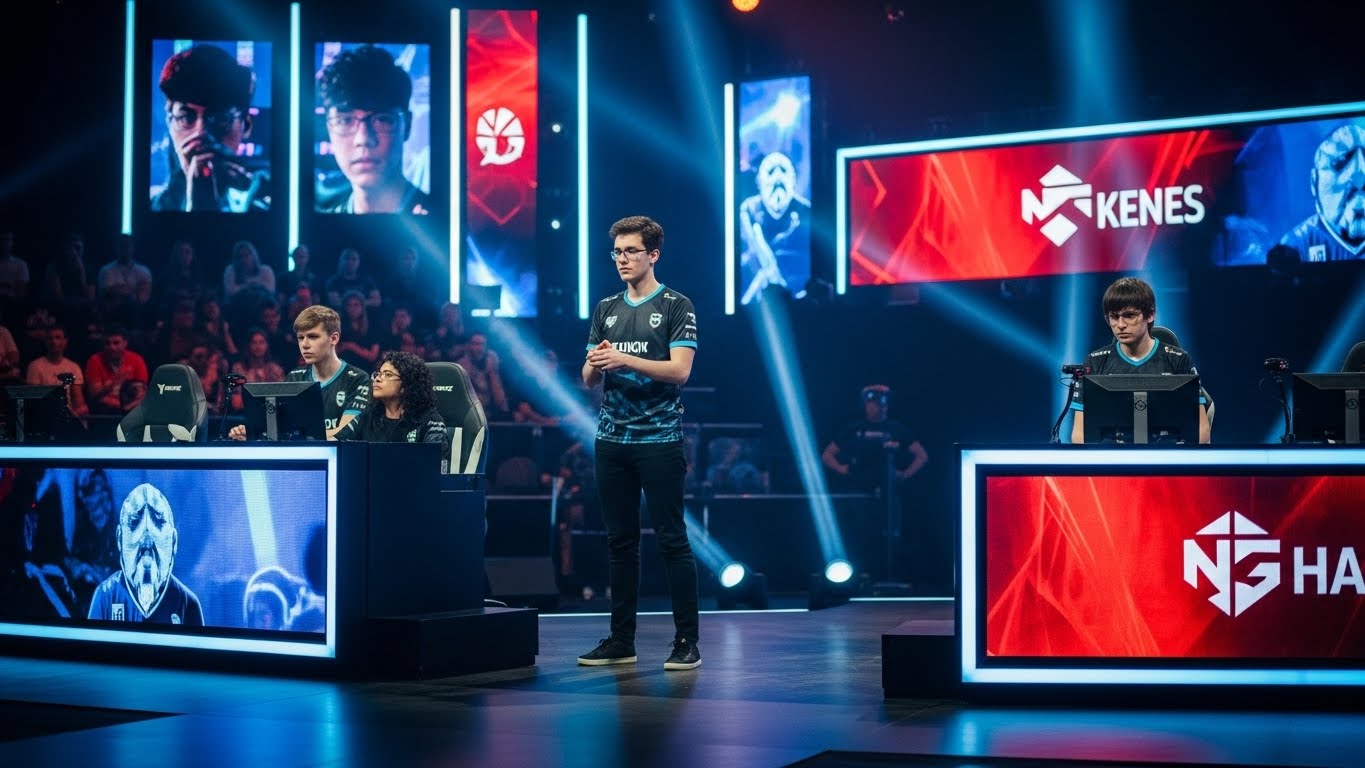
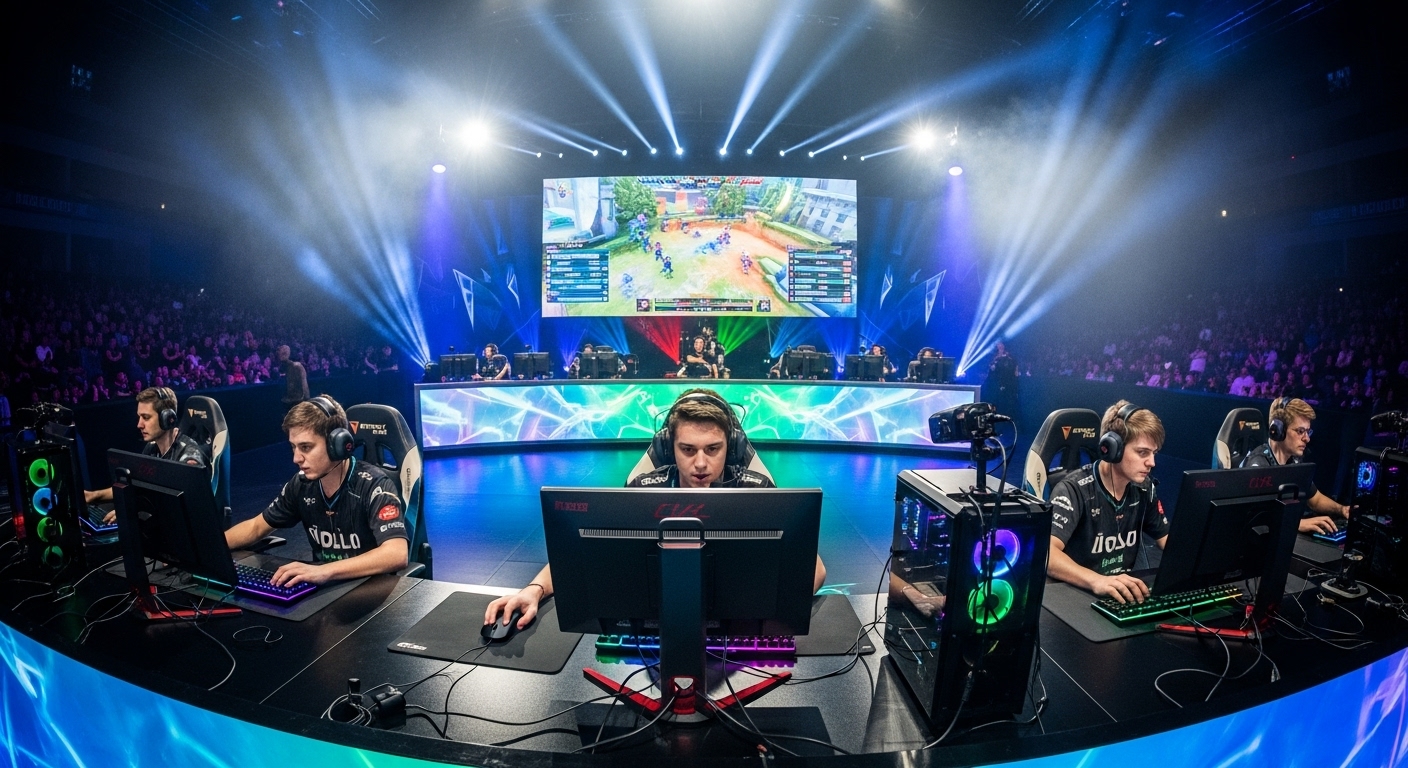
Tournaments are the focal point of the esports scene, where players and teams battle for supremacy. Major tournaments, like The International (for Dota 2), The League of Legends World Championship, and BlizzCon (for Blizzard games like Overwatch), draw in huge crowds and millions of online viewers. These tournaments are often held in massive arenas or stadiums, with large-scale production, broadcasting, and live audiences.
The structure of esports tournaments varies depending on the game, but they typically follow a series of regional qualifiers leading to a global championship. This competitive framework allows for a fair and exciting competition, with the best players from around the world vying for supremacy. Esports tournaments are often multi-day events, with group stages, knockout rounds, and grand finals.
The Role of Sponsors and Brands
Sponsorships have become a crucial aspect of the esports industry, and they are key drivers of revenue. Major brands and corporations have recognized the massive potential of esports, leading to increased investment and sponsorship deals. Companies like Coca-Cola, Intel, Nike, Red Bull, and Mercedes-Benz have all partnered with esports organizations to promote their products and services. These partnerships help to fund tournaments, support players and teams, and increase the visibility of the esports ecosystem.
Sponsorship deals can range from small-scale partnerships with local teams to multi-million-dollar agreements with global organizations. The investment from brands helps to further legitimize esports as a professional industry and provides players with the financial backing needed to compete at the highest level. Additionally, sponsors often use esports to target a younger, tech-savvy audience, who are more likely to engage with their products.
Esports has also seen collaborations with traditional sports organizations. The National Basketball Association (NBA) and Major League Soccer (MLS) have invested in esports leagues, while football clubs like Manchester City and Paris Saint-Germain have their own esports teams. These partnerships represent a growing recognition of esports as a legitimate sport, one that can rival traditional sports in terms of viewership, engagement, and global reach.
The Impact of Esports on Popular Culture
The impact of esports on popular culture cannot be overstated. The rise of esports has had a significant influence on the gaming industry, the entertainment sector, and even the way we view sports. Esports has made gaming more mainstream, with millions of viewers watching professional players compete on a global stage. Esports athletes are now celebrities in their own right, with large social media followings and endorsement deals.
In addition, esports has contributed to the professionalization of gaming as a career. Being a professional gamer is now a viable career option for many young players. Professional esports players, streamers, and content creators are able to make a living from their craft, thanks to sponsorships, streaming revenue, and tournament winnings. Many gamers have also transitioned from playing to becoming content creators, creating YouTube channels or streaming on platforms like Twitch to further engage with their fans.
Esports has also influenced the music and fashion industries. Many esports events feature live performances by popular musicians, and major brands have created esports-inspired clothing lines and merchandise. The influence of esports extends beyond the gaming world, shaping trends in fashion, entertainment, and lifestyle.
The Future of Esports
As esports continues to grow, its future looks brighter than ever. The industry is projected to continue expanding, with new technologies like virtual reality (VR) and augmented reality (AR) potentially changing the way esports tournaments are experienced. Additionally, the increasing popularity of mobile esports is expected to drive growth, as more players around the world access games on smartphones and tablets.
Esports is also set to become more integrated into traditional sports. With major sports leagues showing an interest in esports, it is possible that esports could be included in major multi-sport events like the Olympic Games. The International Olympic Committee (IOC) has already discussed the possibility of adding esports to the Olympics, signaling a recognition of esports as a legitimate form of competition on the global stage.
The integration of esports into education is another exciting development. Many colleges and universities now offer esports programs, scholarships, and dedicated facilities for student-athletes. This has created a new pipeline for future talent, helping to nurture the next generation of professional gamers and esports industry professionals.
Conclusion
Esports has come a long way from its humble beginnings as a small, underground hobby to becoming a multi-billion-dollar industry with global appeal. The rise of esports has changed the landscape of gaming, entertainment, and sports, providing opportunities for players, teams, sponsors, and fans alike. As the industry continues to evolve, esports will only become more influential, cementing its place as one of the most exciting and dynamic sectors in the world.