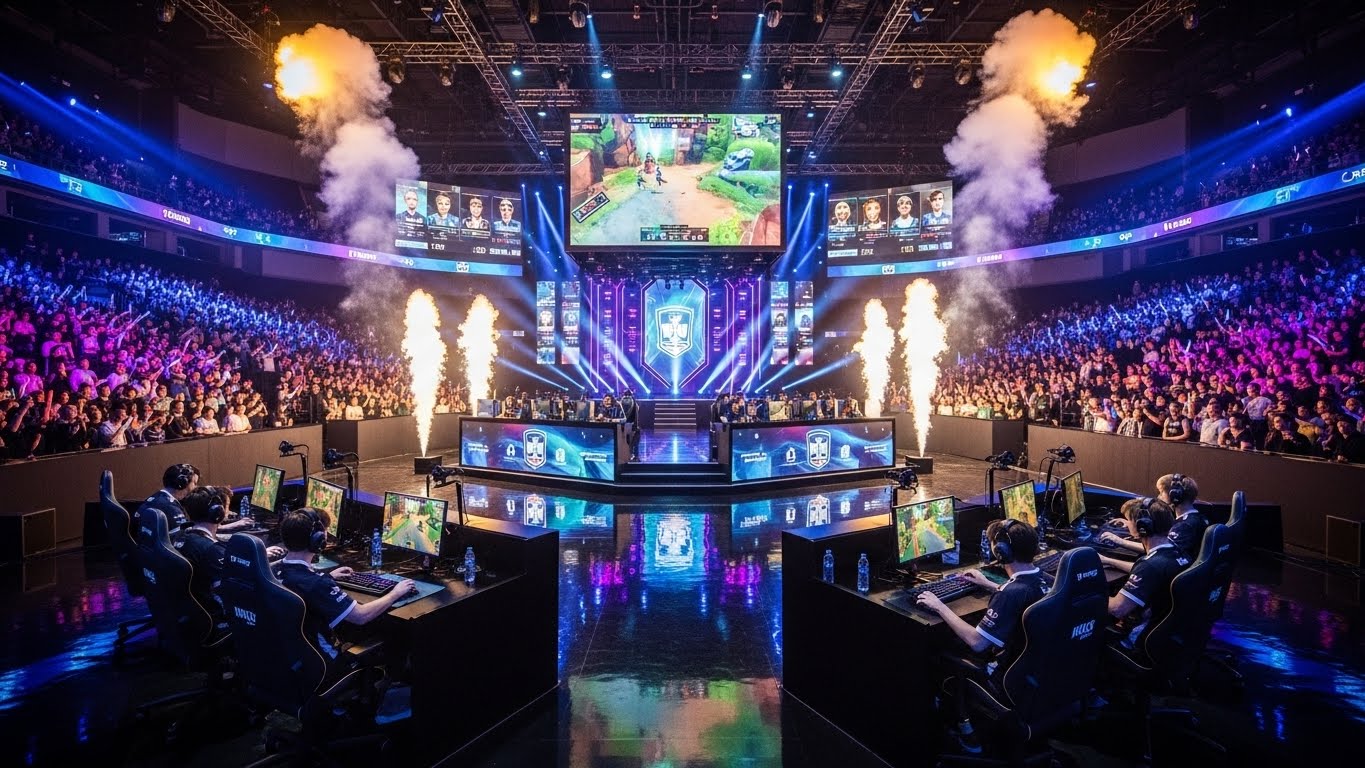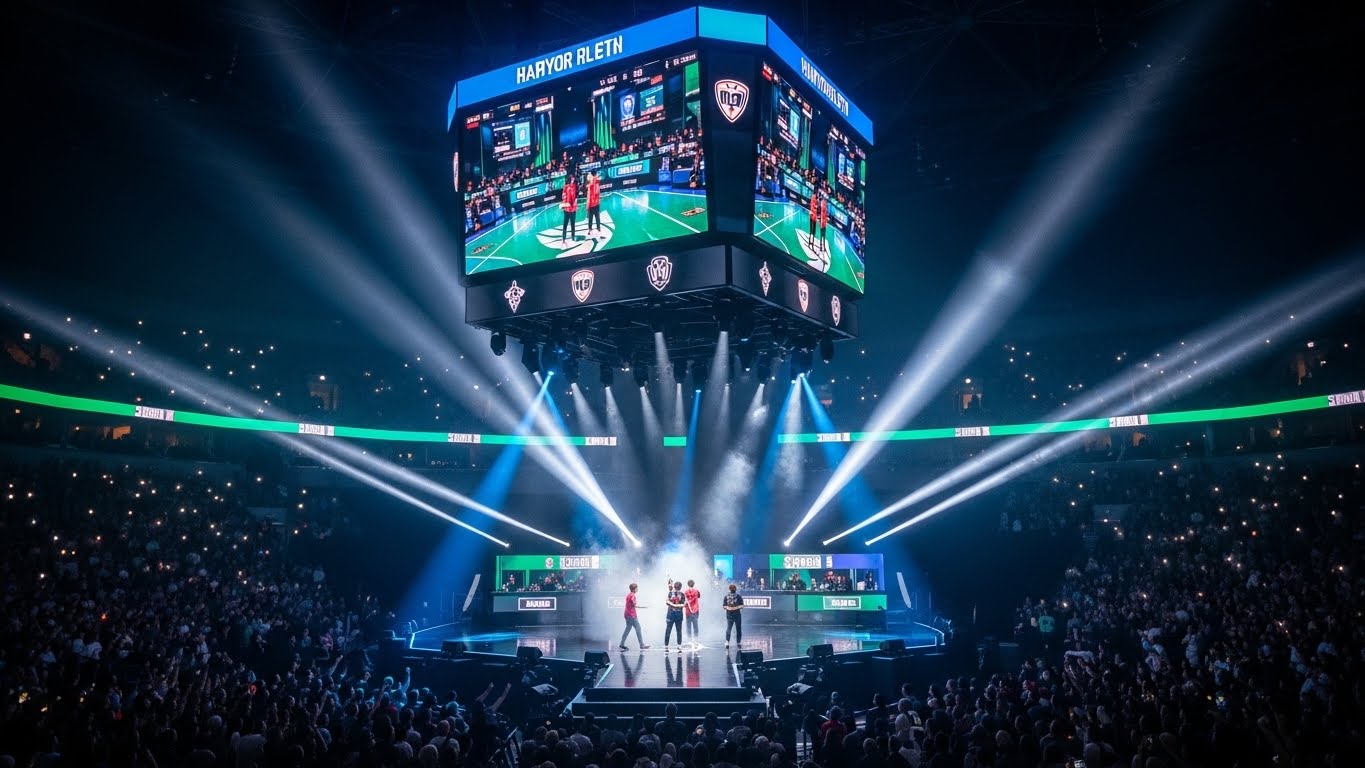

Esports has grown from a niche hobby into a global entertainment phenomenon, reshaping how people play, watch, and interact with video games. Competitive gaming is no longer confined to bedrooms or arcades—it has become a multi-billion-dollar industry, complete with professional teams, international tournaments, streaming platforms, and passionate fans worldwide. The evolution of esports highlights the intersection of technology, culture, and competition, reflecting broader changes in entertainment and society.
The Origins of Esports
Esports has roots that trace back to the earliest days of video gaming. In the late 1970s and early 1980s, players competed for high scores on arcade machines such as Space Invaders and Pac-Man. These competitions were small and localized, often held in arcades or community centers, but they laid the groundwork for organized competitive play. The excitement of proving skill, claiming a top score, or winning a prize created a competitive spirit that still drives esports today.
As personal computers and home consoles became more common, competitive gaming evolved. Multiplayer games like Doom, Quake, and StarCraft allowed players to compete directly against each other, both locally and over emerging networks. The rise of the internet in the 1990s expanded competitive gaming beyond local communities, connecting players from different regions and paving the way for international competition.
The Birth of Professional Esports
The 2000s marked the formalization of esports into a professional industry. Titles such as Counter-Strike, Warcraft III, and later League of Legends and Dota 2 introduced structured competitive scenes, complete with organized leagues, tournaments, and rankings. Players began to treat gaming as a full-time profession, dedicating hours daily to practice, strategy, and teamwork.
Professional esports organizations emerged, sponsoring teams and providing infrastructure to support competitive play. Coaches, analysts, and managers became integral to team success, helping players refine skills, study opponents, and develop strategies. Prize pools increased significantly, with major tournaments offering millions of dollars, attracting players from around the world and legitimizing esports as a serious career path.
Popular Esports Genres and Games
Esports spans a wide range of genres, each with unique gameplay mechanics and fan cultures. Multiplayer Online Battle Arenas (MOBAs) such as League of Legends and Dota 2 emphasize strategy, coordination, and teamwork. First-Person Shooters (FPS) like Counter-Strike: Global Offensive and Overwatch focus on precision, reflexes, and split-second decision-making. Fighting games including Street Fighter and Super Smash Bros. highlight individual skill, timing, and strategy.
Other notable genres include battle royale games such as Fortnite and Apex Legends, which combine survival mechanics with fast-paced action, and sports simulations like FIFA and NBA 2K, which recreate real-world competition digitally. Each genre attracts a specific audience and creates its own community, reflecting the diverse appeal of esports across cultures and demographics.
The Role of Streaming Platforms
Streaming platforms have been essential to the growth of esports. Platforms like Twitch, YouTube Gaming, and Facebook Gaming allow live broadcasts of tournaments, leagues, and casual gameplay, making esports accessible to millions of viewers worldwide. Fans can watch competitions in real time, engage with players and commentators, and participate in chat communities, creating an interactive experience that enhances engagement.
Streaming has also empowered content creators to build audiences independently. Streamers can combine skill, personality, and entertainment to attract viewers, bridging the gap between casual play and professional esports. This interaction between players and fans fosters community, amplifying the cultural impact of esports and strengthening its place in modern entertainment.
The Economics of Esports
Esports has developed into a multi-billion-dollar industry with a complex economic ecosystem. Professional teams generate revenue from sponsorships, merchandise sales, advertising, and broadcasting rights. Major tournaments attract international audiences, creating opportunities for event organizers, media companies, and brands to monetize content.
Players earn income through salaries, prize money, and personal sponsorships, while organizations invest in training facilities, coaching staff, and player wellness programs. Hardware manufacturers, game developers, and streaming platforms also benefit, creating a wide network of stakeholders that contribute to the industry’s growth. The professionalization of esports has elevated it to a level comparable to traditional sports, both in economic impact and organizational structure.
The Cultural Influence of Esports
Esports has had a profound influence on modern culture. Players are celebrated as skilled athletes, and fans follow competitions with intensity similar to traditional sports. Online communities, social media engagement, and fan-generated content have created a dynamic culture around esports, where viewers participate in shaping narratives and trends.
The influence of esports extends into fashion, music, and media. Collaborations between game developers, musicians, and brands have created crossover events, merchandise, and digital content, reinforcing the cultural relevance of competitive gaming. Esports also fosters inclusivity, allowing players of diverse backgrounds, genders, and nationalities to compete on an equal platform, strengthening global community engagement.
Training, Strategy, and Player Development
Professional esports requires more than raw talent; it demands disciplined training, strategic thinking, and teamwork. Players spend hours daily practicing mechanics, reviewing gameplay, and analyzing opponents to improve performance. Team-based games require coordination, communication, and synergy, while individual competitions emphasize adaptability, mental resilience, and precision.
Coaching and analytics have become integral to player development. Teams utilize data analysis to identify weaknesses, refine strategies, and optimize performance. Physical fitness, nutrition, and mental health are increasingly recognized as essential components of player preparation, highlighting the holistic nature of professional esports training.
Esports as Spectator Entertainment
Watching esports offers a unique blend of excitement, drama, and strategy. Commentary teams provide insights, analysis, and entertainment, enhancing the viewing experience for both casual and dedicated fans. Major tournaments feature live audiences, elaborate production, and high-quality visuals, creating immersive events comparable to traditional sporting competitions.
The spectator aspect of esports fosters emotional investment, as fans follow rivalries, witness comebacks, and celebrate victories alongside players. Social interaction through streaming platforms and community forums adds an additional layer of engagement, making esports a participatory form of entertainment.
Challenges Facing Esports
Despite its rapid growth, esports faces several challenges. Player burnout, mental health concerns, and the pressure to perform consistently are ongoing issues. Cheating, toxic behavior, and gambling-related controversies have also highlighted the need for regulation and oversight.
International tournaments must navigate varying legal and cultural frameworks, including sponsorship laws, broadcasting rights, and player contracts. Maintaining competitive integrity and fairness is critical to sustaining trust and credibility within the industry. Organizations continue to implement governance structures, ethical standards, and support systems to address these challenges and ensure long-term sustainability.
The Educational and Social Impact of Esports
Esports has influenced education, offering scholarships, academic programs, and competitive teams at universities worldwide. Participation in esports develops critical skills such as teamwork, communication, strategic thinking, and leadership. Students learn to balance rigorous practice schedules with academic responsibilities, preparing for careers both inside and outside gaming.
Esports also fosters social engagement. Online communities and fan clubs provide spaces for interaction, collaboration, and cultural exchange. Players and fans develop friendships, mentorships, and professional networks, highlighting the social value of esports beyond competition.
The Future of Esports
The future of esports is poised for continued growth and innovation. Emerging technologies such as virtual reality, augmented reality, and artificial intelligence will create more immersive and interactive experiences for players and spectators alike. AI-driven analytics and coaching tools may enhance player development, while advanced broadcasting technologies improve the viewing experience.
Esports will continue to expand globally, reaching new audiences and markets. Collaborations with traditional sports, media, and entertainment sectors will create innovative crossover events, merging digital and physical experiences. Educational programs, professional development, and infrastructure investment will further professionalize the industry, establishing esports as a mainstream and sustainable cultural phenomenon.
Conclusion
Esports has transformed competitive gaming into a global entertainment powerhouse. From its humble beginnings in arcades and home computers to professional leagues, international tournaments, and multimillion-dollar sponsorships, esports demonstrates the power of digital competition to engage, inspire, and connect people worldwide.
The industry combines skill, strategy, and spectacle, appealing to players, fans, and creators alike. It offers economic opportunities, cultural influence, and social engagement, proving that competitive gaming is more than a pastime—it is a serious, professional, and enduring form of entertainment.
As technology continues to evolve and the global audience expands, esports will remain a central pillar of modern entertainment, shaping how people play, watch, and experience competition in the digital age. Its impact on culture, economy, and society will only continue to grow, making esports an integral part of the future of entertainment.
Word Count: ~2,200 words