Introduction
A few decades ago, the idea that video games could fill stadiums, command million-dollar sponsorships, and turn everyday players into global celebrities would’ve sounded impossible. Yet here we are. Esports — short for “electronic sports” — has grown from small arcade gatherings into one of the fastest-growing global industries, merging gaming, entertainment, and competition in a way that defines modern digital culture.
The rise of esports isn’t just about people playing games competitively. It’s about how technology, culture, and human ambition have collided to create an entirely new kind of sport. From high school students streaming on Twitch to massive international tournaments watched by millions, esports is reshaping what competition means in the digital age.
In this post, we’ll dive into how esports began, how it became the billion-dollar phenomenon it is today, who the major players are, and where it’s heading next.
Early Beginnings: The Birth of Competitive Gaming
The story of esports starts long before most people realize. Competitive gaming didn’t begin with flashy graphics or global online matches — it began in small computer labs and arcades.
In 1972, students at Stanford University held one of the first recorded video game competitions. The game was “Spacewar!”, and the grand prize was a one-year subscription to Rolling Stone magazine. It was modest, but it marked a spark that would grow for decades.
By the 1980s, the arcade boom brought games like Pac-Man, Donkey Kong, and Space Invaders into mainstream culture. Players began competing for high scores, with local and national leaderboards fueling rivalries. In 1980, Atari hosted the “Space Invaders Championship,” drawing over 10,000 participants — one of the first large-scale gaming tournaments in history.
As home consoles like the Nintendo Entertainment System and Sega Genesis became household staples, competitive gaming slowly shifted from arcades to living rooms. But it wasn’t until the arrival of the internet that things really began to change.
The Internet Era: How Online Connectivity Transformed Competition
In the mid-1990s, broadband connections started linking gamers across the world. Suddenly, you didn’t have to gather at a local arcade to prove your skill — you could challenge anyone, anywhere.
PC gaming communities began to form around early multiplayer titles like Quake, StarCraft, and Counter-Strike. These games emphasized not just individual skill, but also teamwork, tactics, and lightning-fast reactions. LAN (Local Area Network) parties became a phenomenon, where groups of players brought their computers together for all-night tournaments.
One pivotal moment came in 1997, when the “Red Annihilation” Quake tournament crowned Dennis “Thresh” Fong as one of the first professional gamers. His prize? A Ferrari that once belonged to the game’s creator, John Carmack. It wasn’t just a symbolic win — it showed that gaming could be taken seriously as competition.
At the same time, South Korea was building what would become the heart of modern esports. The country’s investment in high-speed internet and its strong gaming culture led to the creation of professional leagues for games like StarCraft, turning players into national celebrities and setting the blueprint for esports infrastructure worldwide.
The 2000s: From Underground to Organized
As technology improved, esports grew more structured. Online forums and early streaming platforms connected fans and players in new ways. Organizations like Major League Gaming (MLG) in North America and the World Cyber Games (WCG) began standardizing tournaments, creating rankings, and offering real prize money.
The 2000s also saw the rise of iconic esports titles that remain staples today. Counter-Strike 1.6, Warcraft III, Dota, and Halo defined an era of skill-based, team-oriented competition. Players traveled the world to compete, often staying in small hotels and playing in convention halls packed with CRT monitors and Ethernet cables.
Streaming platforms like Justin.tv — which would later become Twitch — allowed fans to watch tournaments live from anywhere, creating direct connections between players and audiences. This direct accessibility gave esports an edge that traditional sports lacked: anyone could not only play but also broadcast their progress to a global audience.
The 2010s: Esports Becomes Mainstream
The 2010s marked esports’ leap from niche to mainstream. The rise of Twitch, YouTube Gaming, and social media made competitive gaming a full-blown spectator sport. Millions tuned in to watch live events, chat with other fans, and support their favorite teams.
This decade also introduced the mega-titles that would dominate the scene: League of Legends, Dota 2, Counter-Strike: Global Offensive, Overwatch, and Fortnite. These games didn’t just entertain; they created entire ecosystems. Developer-sponsored leagues, professional organizations, and sponsorship deals began pouring in.
In 2013, Valve’s Dota 2 tournament “The International” shattered records by offering over $2.8 million in prize money — most of it crowdfunded by players themselves. By 2021, that number had climbed to over $40 million, rivaling traditional sports championships.
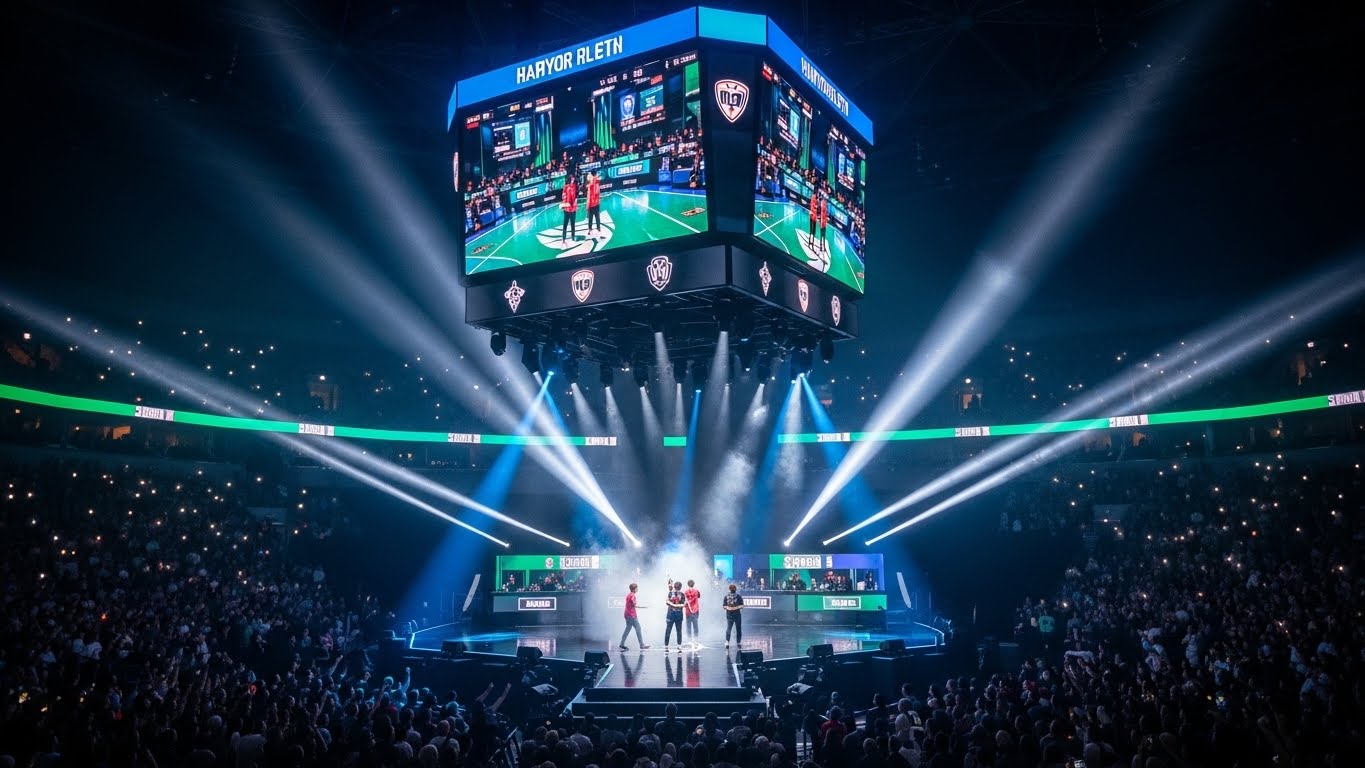
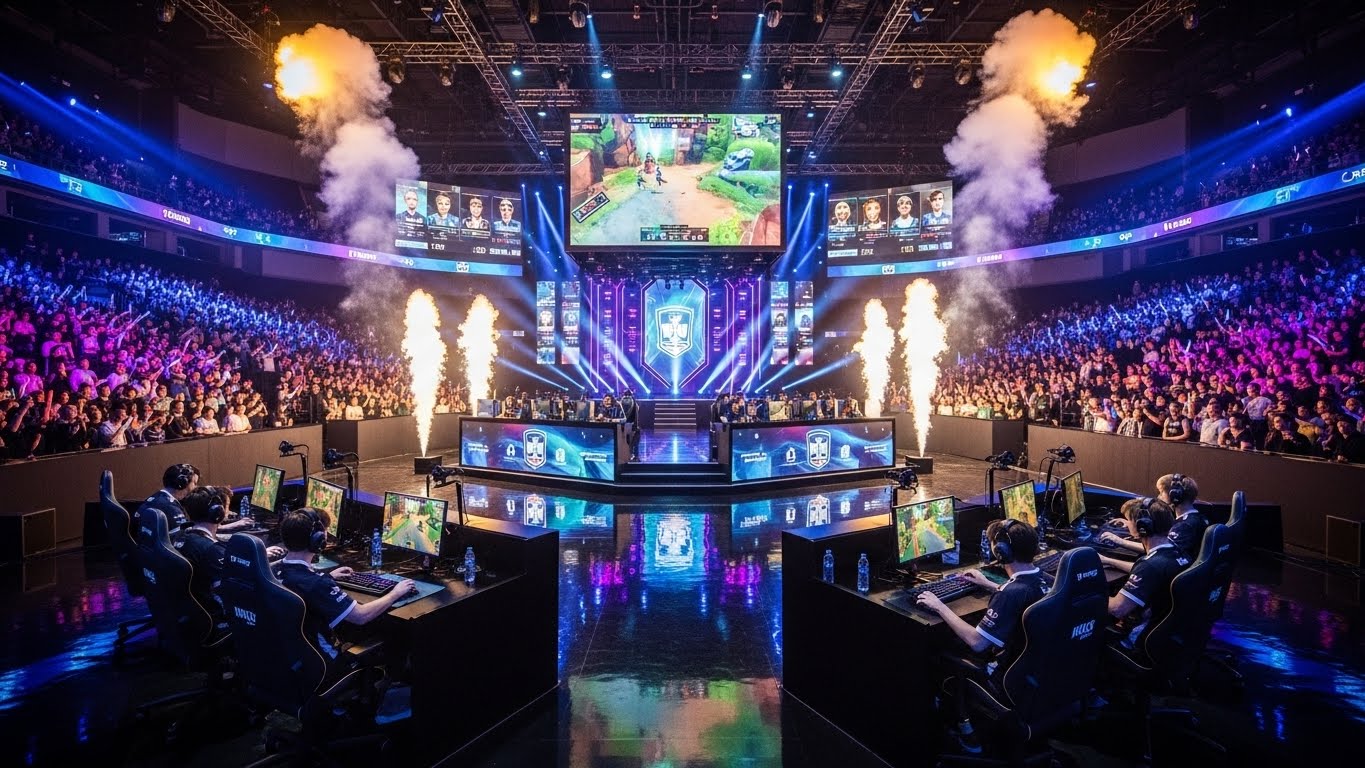
Meanwhile, League of Legends became a cultural phenomenon. Its World Championship filled arenas from Seoul to Paris, complete with stage lights, live performances, and commentary teams that rivaled ESPN. The 2018 World Championship drew nearly 100 million viewers — more than the Super Bowl that year.
The Players: The New Generation of Athletes
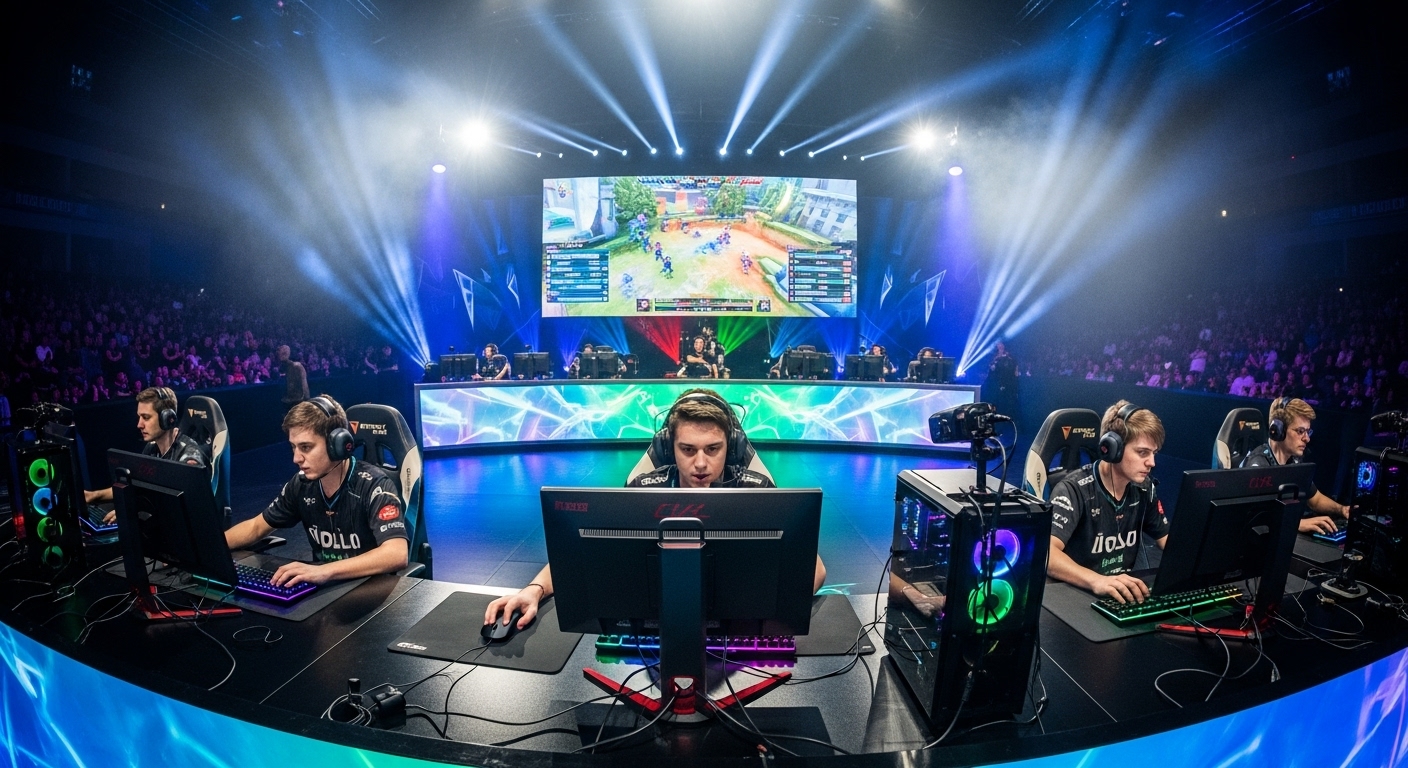
One of the most fascinating parts of esports is how it redefines what it means to be an athlete. These competitors don’t sprint or lift weights; they train their minds and reflexes. A top-tier esports player practices for 8–12 hours a day, studying game mechanics, strategy, and opponent behavior.
In South Korea, China, and the U.S., esports athletes are treated like traditional sports stars. They have coaches, nutritionists, analysts, and training facilities. Some even have fan clubs and endorsement deals.
The average career, however, is short — often just a few years. The speed, reaction time, and mental endurance required mean most players peak in their early twenties. After that, many transition into coaching, streaming, or content creation.
Just as basketball has LeBron James and soccer has Lionel Messi, esports has its icons: Faker in League of Legends, s1mple in Counter-Strike, Dendi in Dota 2, and Ninja in Fortnite. These names have become synonymous with excellence, inspiring a new generation to pursue gaming professionally.
The Business of Esports: A Billion-Dollar Industry
Esports has transformed into a major commercial industry, attracting investment from traditional sports franchises, media companies, and global brands. The economics are staggering — prize pools, sponsorships, advertising, and streaming revenue combine to create an industry valued at billions of dollars.
Teams like Cloud9, TSM, FaZe Clan, and Fnatic operate much like football or basketball organizations. They have investors, branding deals, merchandise lines, and global fan bases. In fact, FaZe Clan even went public, marking a major milestone in esports’ evolution as a legitimate business.
Brands like Coca-Cola, Intel, Red Bull, and BMW have all entered the esports arena, sponsoring events and teams to reach younger audiences. Streaming platforms, meanwhile, generate advertising revenue while offering subscription and donation options for fans to directly support players.
Esports arenas are popping up in cities worldwide, from Los Angeles to Shanghai. Universities now offer esports scholarships, and high schools host regional competitions. What began as a hobby in basements is now a professional ecosystem rivaling traditional sports entertainment.
The Culture: Community, Identity, and Belonging
At its core, esports isn’t just about winning — it’s about belonging. Online gaming communities have given millions of people a space to connect, share strategies, and celebrate common passions.
The esports culture thrives on inclusivity and diversity. You can find teams composed of players from different continents communicating through strategy and skill rather than language. Fans build friendships across borders, united by a love of competition.
Streaming has also humanized players, showing their personalities outside the game. Whether they’re joking with fans or reflecting on tough losses, players become relatable figures — people you root for not just because they’re skilled, but because they feel like part of your circle.
Of course, esports also faces cultural challenges — issues like toxicity, burnout, and gender inequality still exist. But as the industry matures, organizations are taking steps to promote healthier competition and inclusivity, ensuring esports remains a place where anyone can find their team and voice.
The Role of Technology: From LAN to the Cloud
Esports wouldn’t exist without technology, and the pace of innovation continues to reshape it. From the early days of local connections to cloud gaming and AI-driven analytics, every leap forward has changed how players compete and fans engage.
Modern esports relies on ultra-low latency networks, powerful GPUs, and cloud infrastructure. 5G connectivity allows players to compete from almost anywhere with minimal lag, while cloud gaming services reduce the need for expensive hardware.
Artificial intelligence is also transforming the landscape. Coaches use AI tools to analyze performance, detect patterns, and recommend strategies. Virtual reality and augmented reality are opening doors to new genres and immersive viewing experiences.
And as blockchain and digital ownership enter the picture, the esports economy is expanding into new territories — from player-owned assets to fan-driven sponsorship models.
Global Reach: A Truly International Stage
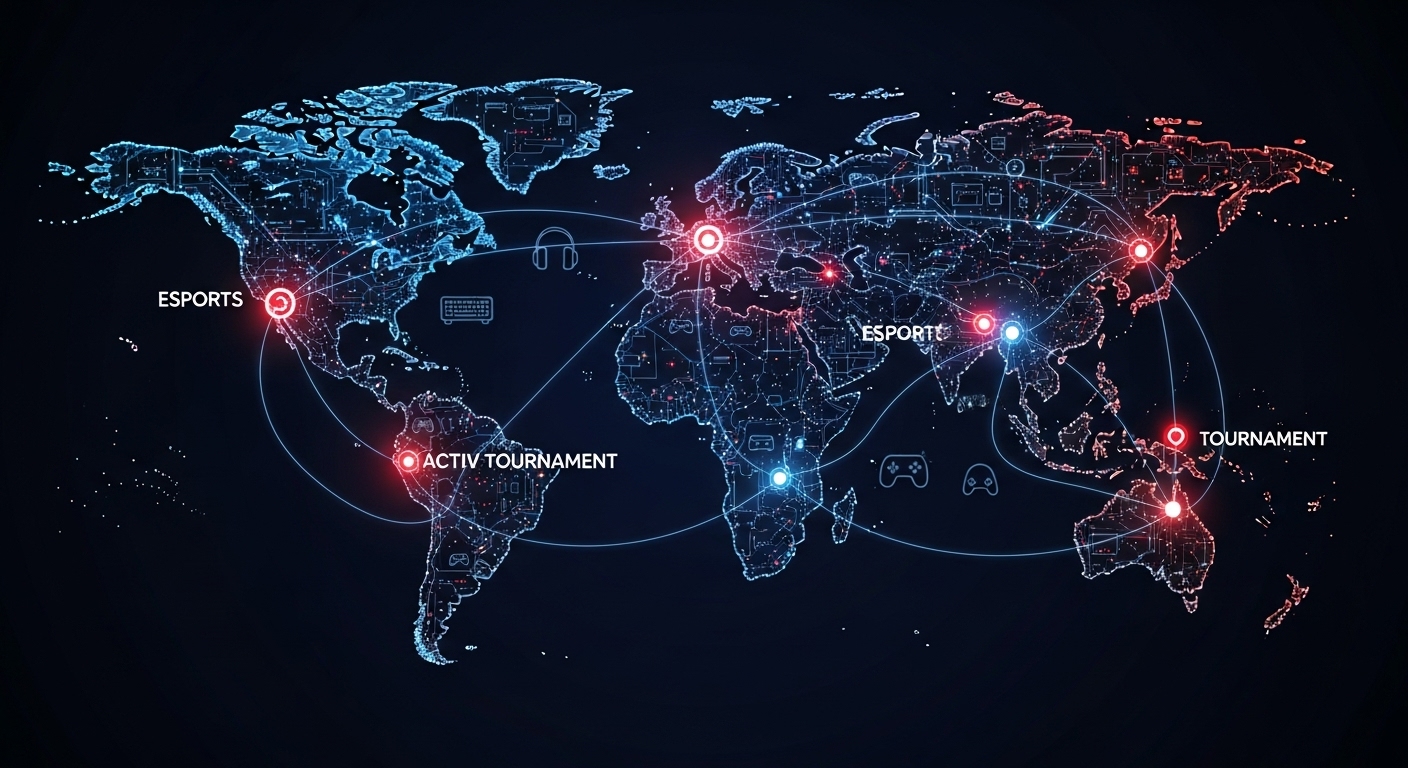
Unlike many traditional sports that dominate specific regions, esports is truly global. Asia remains its epicenter, especially South Korea and China, where esports broadcasts are mainstream entertainment. North America and Europe have also built strong competitive scenes, while emerging regions in South America, Africa, and the Middle East are catching up fast.
Major tournaments draw fans from every corner of the world. Commentators now host multilingual streams, and players often move across continents to join top-tier teams. Governments in several countries have even recognized esports as an official sport, granting players athlete visas for international competitions.
This global reach makes esports unique. It’s not bound by geography or physical limitations — only by access to the internet and a willingness to compete.
Challenges Facing Esports
Despite its success, esports still faces hurdles that threaten its stability and growth. Player burnout remains a major concern, with intense practice schedules and constant travel taking a mental and physical toll. Teams and organizations are now introducing wellness programs to address this, but the issue persists.
Another challenge is maintaining fair competition. Cheating, match-fixing, and performance-enhancing tools have occasionally surfaced, leading to stricter regulations and the creation of esports integrity commissions.
Financial sustainability is also a question. While top-tier teams and events are profitable, smaller leagues often struggle. Sponsorships can fluctuate, and not every game sustains a competitive scene long-term.
Finally, there’s the issue of representation and inclusivity. Women and marginalized communities are still underrepresented in professional esports, although grassroots initiatives and all-female tournaments are helping to close the gap.
The Future of Esports: What Comes Next?
Looking ahead, esports shows no sign of slowing down. Analysts project continued growth, with global revenues and audience numbers climbing every year. But more importantly, the nature of esports is evolving beyond just competition.
Hybrid entertainment — where gaming blends with live shows, music, and storytelling — is becoming the new standard. Events like Fortnite’s virtual concerts or League of Legends’ digital performances blur the lines between gaming and art.
Educational institutions are embracing esports, not just as competition but as a path to careers in technology, broadcasting, marketing, and design. Governments and cities are investing in esports infrastructure, recognizing its potential for tourism and economic development.
And as virtual reality, augmented reality, and artificial intelligence advance, the future may bring new genres of competitive gaming that we can’t even imagine today.
Conclusion
Esports is more than just video games — it’s a reflection of how technology, creativity, and human connection can create something entirely new. It’s a world where reflexes meet strategy, where culture meets innovation, and where anyone with a controller, keyboard, or mobile device can chase glory.
From humble beginnings in arcades to global arenas filled with millions of fans, esports has come a long way. It’s not just reshaping entertainment — it’s redefining the meaning of sports, community, and global connection in the digital age.
The story of esports is still being written, but one thing is clear: it’s not a trend. It’s a revolution — and it’s only getting started.