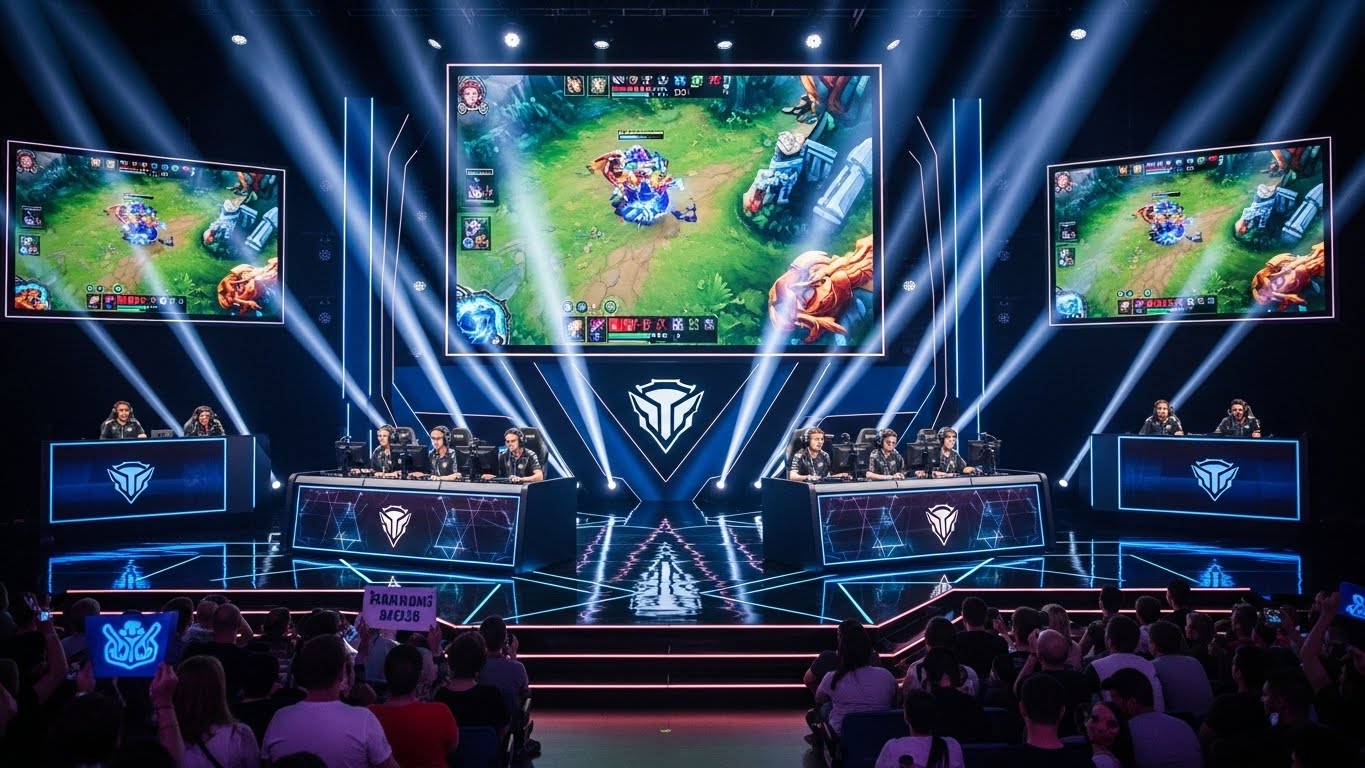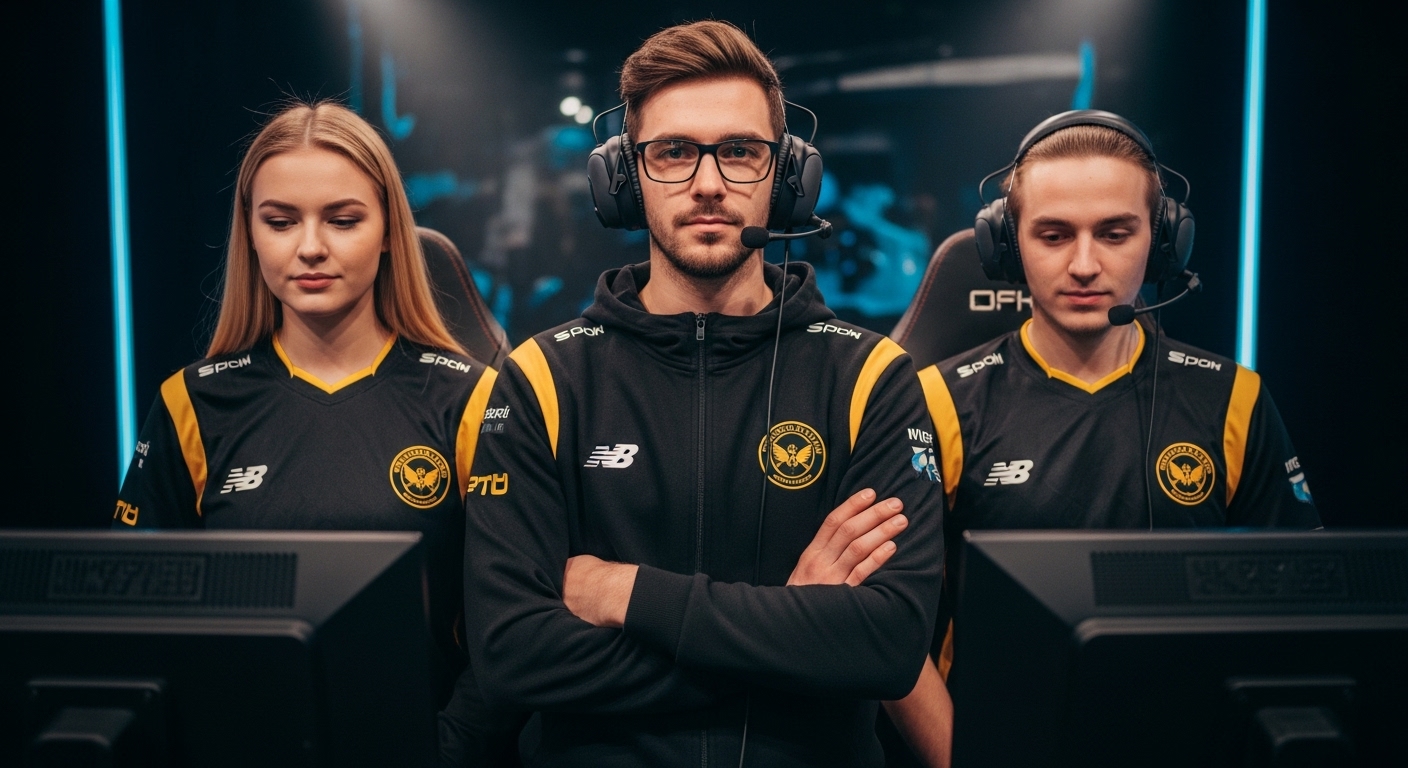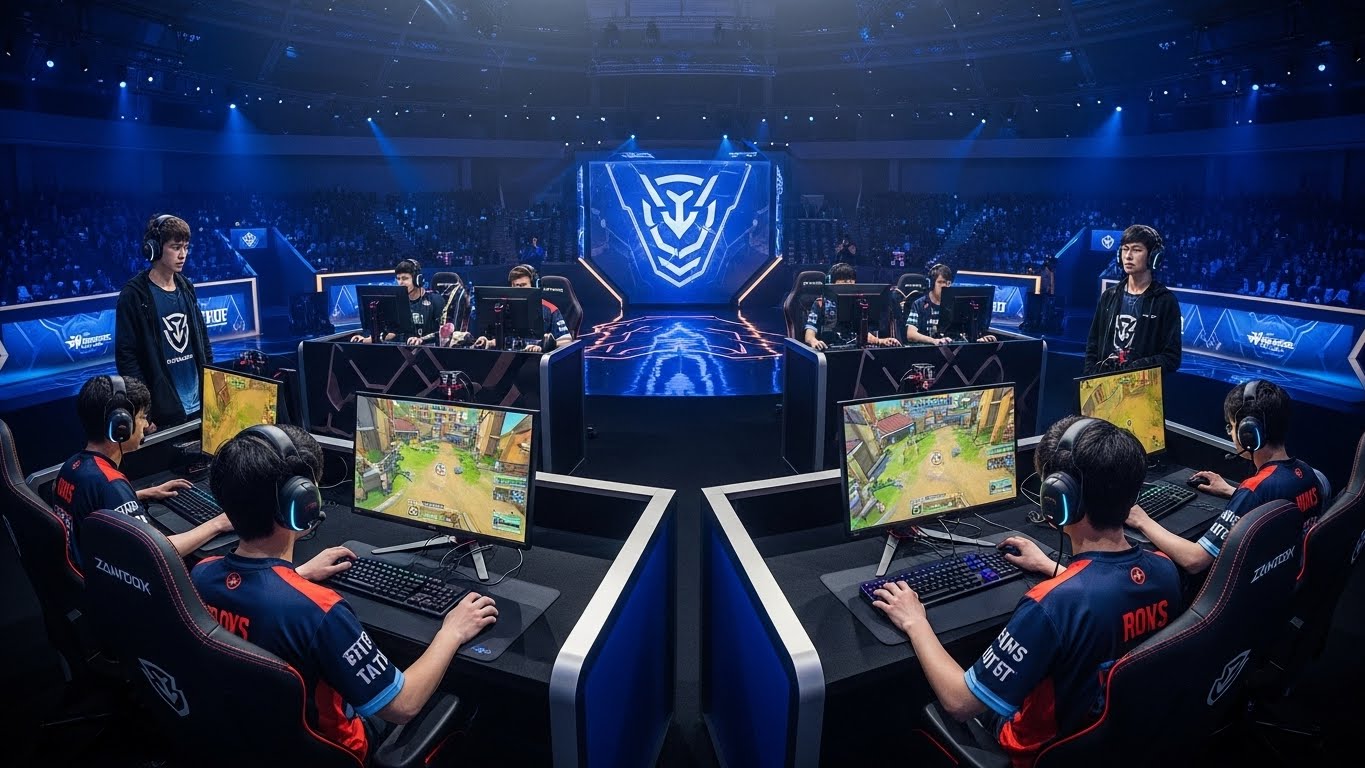

In the fast-evolving world of esports, where every millisecond and decision can change the outcome of a match, technology has always been a vital partner to players and teams. From advanced analytics to real-time data tracking, esports has consistently embraced innovation. But now, a new revolution is emerging that promises to redefine coaching and competitive preparation — the rise of Artificial Intelligence (AI) in esports coaching. AI is not just automating processes; it’s transforming how players train, how coaches make strategic calls, and how teams gain their competitive edge.
The Evolution of Coaching in Esports
Traditional esports coaching relied heavily on human intuition, experience, and manual analysis of gameplay. Coaches would watch match replays, note player mistakes, and discuss strategies based on observation. However, as games became more complex and the level of competition intensified, human analysis alone could not keep up with the sheer amount of data generated by every match.
AI-driven coaching tools now fill that gap. With the ability to process thousands of in-game events per second, AI systems can identify patterns, predict outcomes, and deliver insights far beyond human capability. These tools don’t replace human coaches — they enhance their decision-making and streamline training methodologies.
How AI Analyzes Esports Gameplay
AI systems in esports rely on machine learning algorithms to evaluate gameplay data in real-time. These algorithms track metrics such as:
- Reaction time and accuracy
- Movement efficiency and map control
- Decision-making under pressure
- Ability usage timing and effectiveness
- Team coordination and communication patterns
By collecting and processing this data, AI can pinpoint weaknesses in a player’s mechanics or identify recurring strategic flaws in a team’s approach. For example, in a game like League of Legends, AI can track a player’s ward placement habits, ability cooldown management, and positioning relative to enemy champions. Similarly, in Counter-Strike 2, it can measure the precision of aim, recoil control, and split-second movement decisions.
These insights allow coaches to adjust training routines with surgical precision, focusing only on what truly impacts performance.
AI-Powered Performance Analysis
One of the most significant uses of AI in esports coaching is in performance analysis. Advanced systems now go beyond simple statistics — they interpret context and intent.
For example, rather than just recording a missed shot, AI tools can determine why the player missed. Was it due to bad positioning, poor timing, or stress-induced hesitation? AI can assess environmental factors such as visibility, latency, or map awareness to find root causes behind errors.
This deep analysis enables coaches to personalize training for each player, focusing on cognitive, mechanical, or strategic areas that need improvement. Over time, AI learns from the data, continuously refining its understanding of each athlete’s playstyle and evolution.
Predictive Strategy Development
Another remarkable application of AI in esports is in predictive analytics — anticipating opponent behavior and developing counter-strategies.
AI can analyze massive libraries of past games from opposing teams, studying their tendencies, patterns, and preferred tactics. For example, it might reveal that a certain team frequently chooses aggressive plays after securing specific objectives or tends to favor a particular map side.
Using this knowledge, coaches can craft adaptive game plans tailored to exploit those habits. In essence, AI becomes a digital scout, offering tactical insights that can define victory in top-tier tournaments.
AI and Real-Time Decision Support
Real-time AI systems are starting to influence live matches as well. During practice scrims or even competitions, coaches can receive AI-generated data dashboards that update in real-time.
Imagine an AI assistant suggesting optimal rotations, flagging weak map coverage, or signaling when an opponent is likely to attempt an ambush based on behavioral cues. While tournament rules limit real-time external assistance, such tools can be invaluable during scrimmages and preparation stages, sharpening a team’s tactical instincts before game day.
This kind of AI-assisted coaching transforms strategy formulation into a science — one grounded in probability, pattern recognition, and adaptive modeling.
Personalized Player Training
AI’s ability to tailor feedback makes it an ideal training partner for individual players. Instead of generic drills, AI platforms now create customized practice regimens that align with a player’s unique strengths and weaknesses.
For instance, an AI trainer might identify that a Valorant player’s reaction time is excellent but their crosshair placement suffers during pressure scenarios. It could then simulate exercises that specifically recreate high-stress clutch situations to improve decision-making.
These personalized feedback loops accelerate skill development far beyond traditional coaching. Players can track measurable progress, making motivation and improvement much more tangible.
AI in Mental and Cognitive Training
Beyond physical or mechanical performance, AI is entering the psychological side of esports coaching. Esports athletes face immense mental challenges — stress, burnout, and decision fatigue can all affect gameplay.
AI-driven mental training systems use biometric sensors and cognitive data to monitor player concentration, emotional state, and fatigue levels. For example, facial recognition or EEG-based devices can detect lapses in focus or stress spikes, triggering adaptive exercises designed to calm or re-energize the player.
By merging AI with neuroscience, esports teams are now building holistic performance programs that balance skill with mental resilience.
AI-Driven Scouting and Recruitment
AI is also revolutionizing how teams find and recruit talent. In the past, scouts relied on leaderboards and highlight reels to identify rising stars. Now, AI algorithms analyze millions of matches across multiple regions, spotting consistent performance indicators that humans might overlook.
These systems can detect up-and-coming players with exceptional mechanics, communication efficiency, or adaptability. They even predict potential growth based on data trends — allowing teams to recruit not just based on current ability, but future potential.
This data-driven recruitment process ensures a more objective approach to scouting and reduces the risks associated with human bias or incomplete information.
Integrating AI into Coaching Teams
The most successful esports organizations are now incorporating AI analysts into their coaching staff. These “AI coaches” work alongside human strategists, blending the intuition of experience with the precision of data.
For example, a coach might rely on AI to handle pre-match data crunching, while focusing their time on motivating players and refining in-game communication. The result is a more efficient coaching ecosystem that maximizes both human creativity and machine intelligence.
This hybrid model is already proving effective in professional leagues like Overwatch, Dota 2, and League of Legends, where data-driven strategy has become essential for consistent success.
Challenges and Limitations
Despite its promise, AI in esports coaching faces several challenges.
- Data Privacy and Security – Sensitive player data, including biometrics and in-game behavior, must be securely stored and handled to prevent leaks or misuse.
- Overreliance on AI – There’s a risk that teams may prioritize data over human intuition. Emotional intelligence, motivation, and creativity are still irreplaceable human elements.
- Adaptability Across Games – Each esports title has unique mechanics, making it difficult for one AI model to generalize effectively across different genres.
- Ethical Considerations – AI scouting tools may unintentionally favor players who fit specific data profiles, potentially overlooking unconventional talents.
Overcoming these challenges requires careful balance — using AI as an enhancement, not a replacement, for human expertise.
The Next Generation of AI Coaching Tools
As AI technology continues to evolve, future coaching systems will likely include:
- Real-time VR simulations for immersive training.
- Emotion recognition to adjust feedback tone or difficulty.
- Cross-team AI scrim partners capable of mimicking playstyles of specific opponents.
- Voice and communication analytics to measure team synergy.
These tools will make coaching more scientific, data-driven, and adaptive, giving every team — from grassroots to professional — access to elite-level preparation.
The Human-AI Partnership
At its core, AI is not here to replace esports coaches but to empower them. The best results come when AI complements human intuition. Coaches bring empathy, leadership, and adaptability — qualities that no machine can replicate. AI, on the other hand, delivers precision, memory, and data depth beyond human reach.
Together, they form a partnership that can elevate esports to new heights. As both technology and competition evolve, this collaboration will define the future of how teams train, strategize, and succeed.
Conclusion: A Smarter Future for Esports Coaching
The future of AI in esports coaching represents a new frontier — one where data meets instinct, and technology enhances human potential. From predictive analytics and real-time strategy to mental health support and personalized training, AI is reshaping every aspect of competitive gaming.
As esports continues its global expansion, AI-driven coaching will become the standard, not the exception. The teams that adapt early will hold a decisive advantage — not just in reaction speed or strategy, but in understanding the very essence of competitive performance.
In this new era, the smartest teams won’t just play better — they’ll train smarter. And that’s the true power of AI in the future of esports coaching.