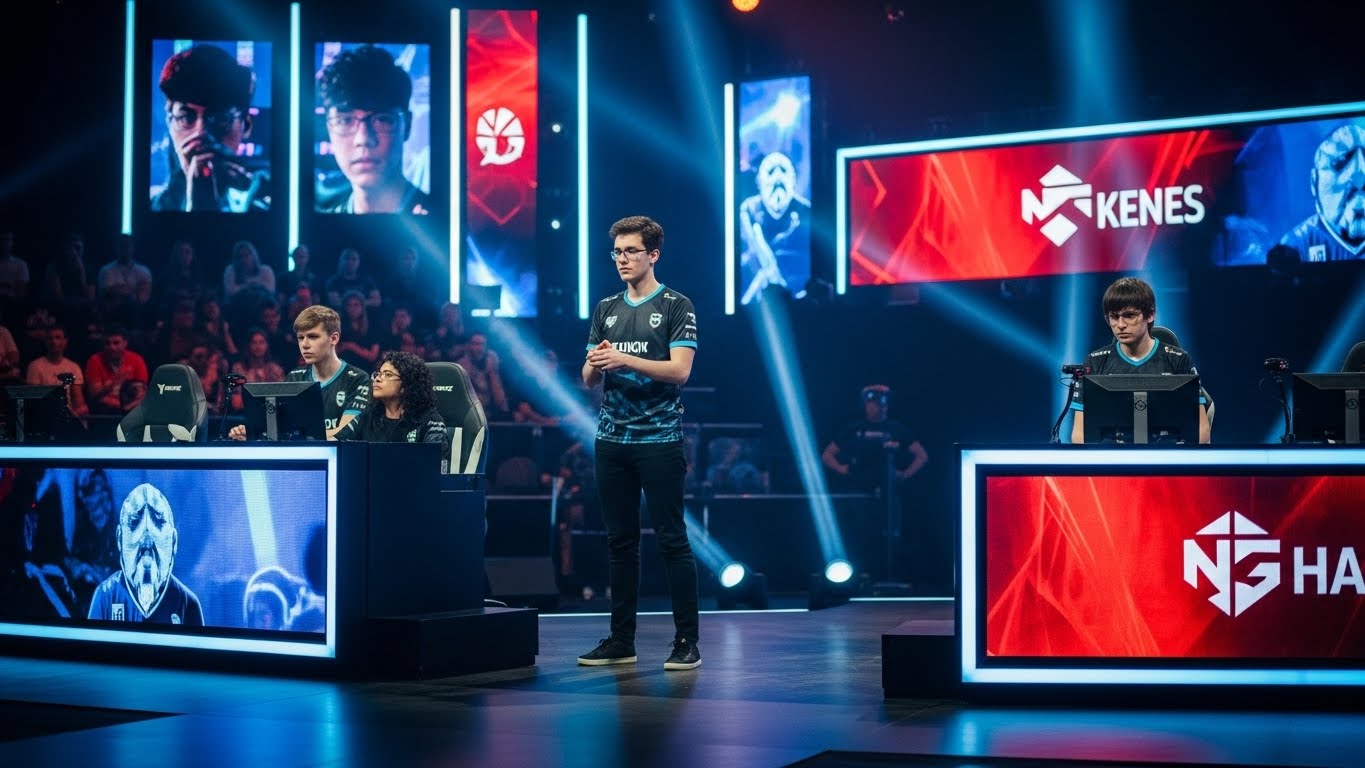
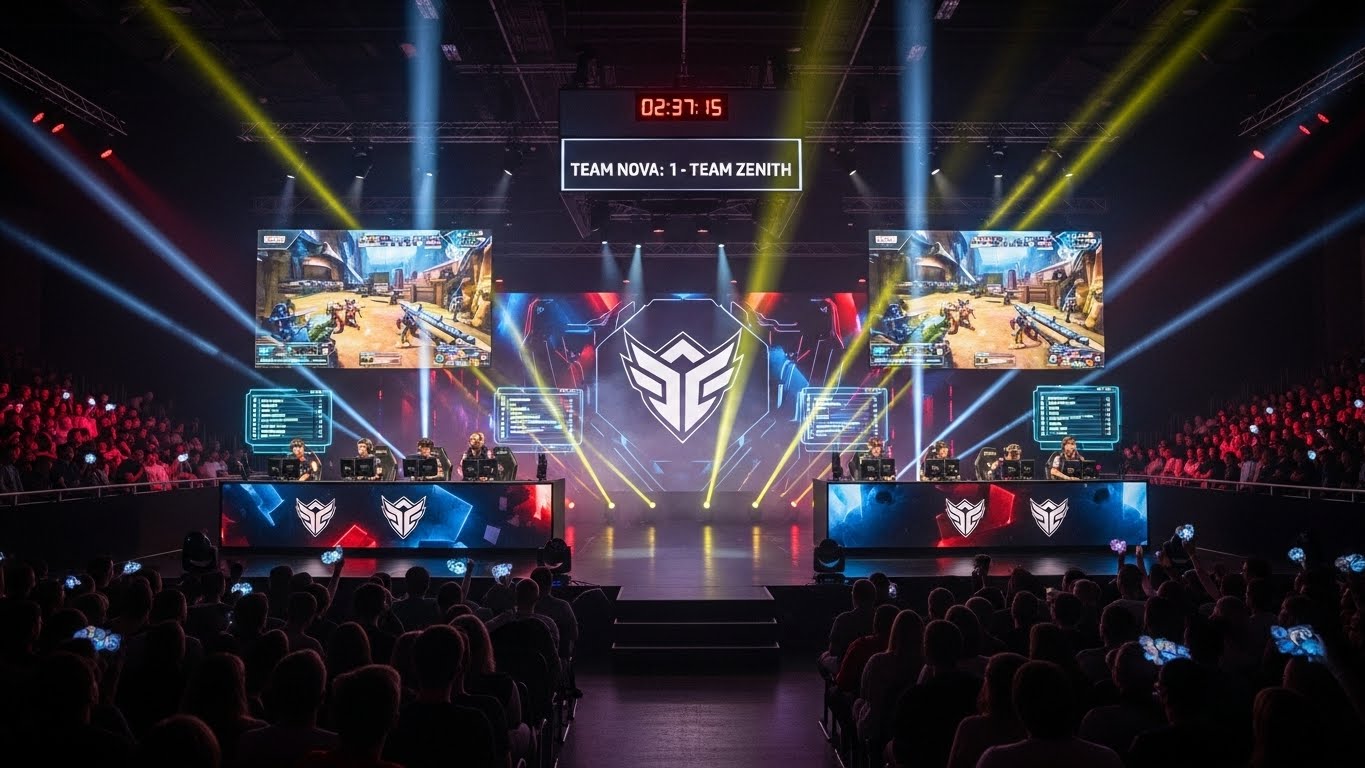
In recent years, the world of competitive gaming has experienced an unprecedented surge in popularity. What was once considered a niche hobby has transformed into a global phenomenon, attracting millions of fans, professional players, and lucrative sponsorship deals. This rise is largely attributed to the expansion of esports, a sector that merges gaming with traditional sports to create a competitive, organized platform for gamers worldwide.
Esports is no longer just a pastime; it has become a multi-billion-dollar industry with its own culture, events, and audience. From major global tournaments like “The International” for Dota 2 to regional leagues such as the League of Legends World Championship, esports has entered the mainstream consciousness. But how did it get to this point? What factors have fueled its meteoric rise? And what does the future hold for this exciting new frontier?
In this blog post, we will explore the dynamic world of esports, its history, growth, and the elements that have driven its success. We will also examine its impact on society, the players, the fans, and the business landscape, and look at what lies ahead for this thriving sector.
The Birth of Esports
The concept of competitive gaming dates back to the early days of video games, when arcade machines became popular in the late 1970s and 1980s. Games like Space Invaders and Pong attracted players who enjoyed challenging one another to beat high scores. However, it wasn’t until the 1990s that the foundation for modern esports was laid, with the advent of local area network (LAN) parties and online multiplayer games.
One of the key milestones in esports history was the release of Quake in 1996. This first-person shooter (FPS) introduced the concept of online multiplayer gameplay, allowing players to compete against each other remotely. The game quickly gained popularity, and in 1997, the first major esports event was held: the Red Annihilation tournament. The prize for the winner? A Ferrari sports car, a testament to how big the stakes had already become.
Around the same time, Blizzard Entertainment’s StarCraft (1998) revolutionized the real-time strategy genre and became a central title in esports. It was in South Korea, however, where esports truly took off, with the launch of professional leagues in the early 2000s. By 2002, the StarCraft Pro League was born, with players competing in televised matches. The popularity of StarCraft in South Korea laid the groundwork for esports to be recognized as a legitimate form of professional competition.
The Growth of Esports as a Global Phenomenon
In the 2010s, the landscape of esports began to shift on a global scale. As the internet became faster and more accessible, players from all corners of the world could compete against one another without the need for physical proximity. The emergence of popular games such as League of Legends (2009), Counter-Strike: Global Offensive (2012), and Overwatch (2016) marked the explosion of esports across various genres: multiplayer online battle arenas (MOBAs), first-person shooters (FPS), and battle royale games.
One of the key factors in esports’ growth was the development of dedicated streaming platforms such as Twitch, which launched in 2011. Twitch revolutionized how esports content was consumed by allowing fans to watch live streams of their favorite players, teams, and tournaments. This not only opened up esports to a wider audience but also created a new form of entertainment that was accessible to anyone with an internet connection.
The rise of professional esports organizations also played a significant role in expanding the industry. Teams like Cloud9, T1, and G2 Esports began recruiting top-tier players, and the money invested in these teams grew exponentially. Sponsorships from major global brands such as Red Bull, Intel, and Coca-Cola further legitimized esports as a major player in the sports and entertainment world.
Esports as a Cultural Phenomenon
Esports is no longer just a game; it’s a cultural movement. With its rapid growth, the esports community has developed its own distinct culture, which transcends the boundaries of gaming. Players, fans, and even casual viewers have formed a global community bound by a shared passion for competitive gaming.
One of the standout features of esports culture is its inclusivity. Unlike traditional sports, where players must have certain physical attributes, esports allows anyone with skill and passion to compete. Age, gender, and physical ability are less of a barrier than they are in traditional sports, making esports a more accessible option for many people around the world.
Furthermore, esports has fostered the rise of content creators—streamers, YouTubers, and influencers—who contribute to the overall culture of gaming. These creators entertain and engage their audiences through live streaming, video content, and social media, helping to further grow the fan base. Some players even gain celebrity status within the esports world, leading to sponsorship deals, merchandise, and even social media followings in the millions.
Esports has also had a significant impact on the traditional sports world. Many major sports teams, including the Dallas Cowboys and the New England Patriots, have invested in esports franchises or have established their own esports teams. Traditional sports broadcasters have also started broadcasting esports tournaments, with networks like ESPN airing major events. The boundary between esports and traditional sports is blurring, with both industries benefiting from the cross-pollination of audiences and expertise.
The Economics of Esports
As esports continues to evolve, it has become a lucrative industry for players, teams, and investors alike. According to Newzoo’s Global Esports & Live Streaming Market Report, the global esports industry is expected to generate over $1.6 billion in 2025. This impressive revenue comes from multiple streams, including sponsorships, media rights, merchandise sales, ticket sales for live events, and digital content monetization.
One of the primary sources of revenue for esports comes from sponsorships. Major brands, both within and outside the gaming industry, are eager to associate themselves with esports due to its young, tech-savvy, and engaged audience. The most successful esports tournaments attract millions of viewers, and the ability to advertise directly to this demographic is a powerful tool for brands. Companies like Nike, Audi, and Mountain Dew have all partnered with esports organizations to create unique campaigns and merchandise collaborations.
Prize pools for major tournaments have also become a source of significant revenue. For instance, The International—the world’s premier Dota 2 tournament—boasts one of the largest prize pools in esports, often exceeding $30 million. Such tournaments attract thousands of players and fans alike, turning them into multi-day spectacles.
In addition to sponsorships and prize money, the emergence of esports betting is another factor driving the industry’s revenue growth. Fans can now place bets on their favorite teams or players, similar to traditional sports betting. This has created a new form of engagement for fans, while also increasing the overall monetary value of esports events.
The Future of Esports
As the esports ecosystem continues to expand, its future looks bright. The integration of virtual and augmented reality (VR/AR) technology could lead to a new wave of immersive esports experiences, where players compete in virtual arenas and fans watch in entirely new ways. The development of 5G technology will also make online gaming more accessible and smoother, potentially leading to more people joining the esports ecosystem from various parts of the world.
One of the most exciting prospects for esports is its inclusion in the Olympics. While esports has not yet been formally included in the Olympic Games, the International Olympic Committee (IOC) has expressed interest in integrating esports into future events. This would be a monumental step in further legitimizing esports as a mainstream form of competition, on par with traditional sports like basketball and soccer.
Another area where esports is likely to thrive is in the realm of college athletics. Several universities across the globe have established esports programs, offering scholarships and creating esports arenas for students to train and compete. This trend is expected to continue, with colleges and universities investing more in esports programs to cater to the growing demand.
Conclusion
Esports has firmly established itself as a force to be reckoned with in the world of entertainment and sports. Its growth, driven by technological advancements, cultural shifts, and economic investments, has made it a multi-billion-dollar industry with millions of fans across the globe. As it continues to evolve, esports is poised to redefine what it means to be a competitive athlete and to change the way we think about sports in the digital age.
Whether you’re a casual gamer, a hardcore esports fan, or a professional player, the future of esports is one filled with limitless possibilities. With new technologies, platforms, and partnerships continuing to emerge, it’s clear that we’re only at the beginning of this new era in competitive gaming. The world of esports is growing fast, and it’s an exciting time to be part of this rapidly changing landscape.