
Introduction: A New Era of Entertainment
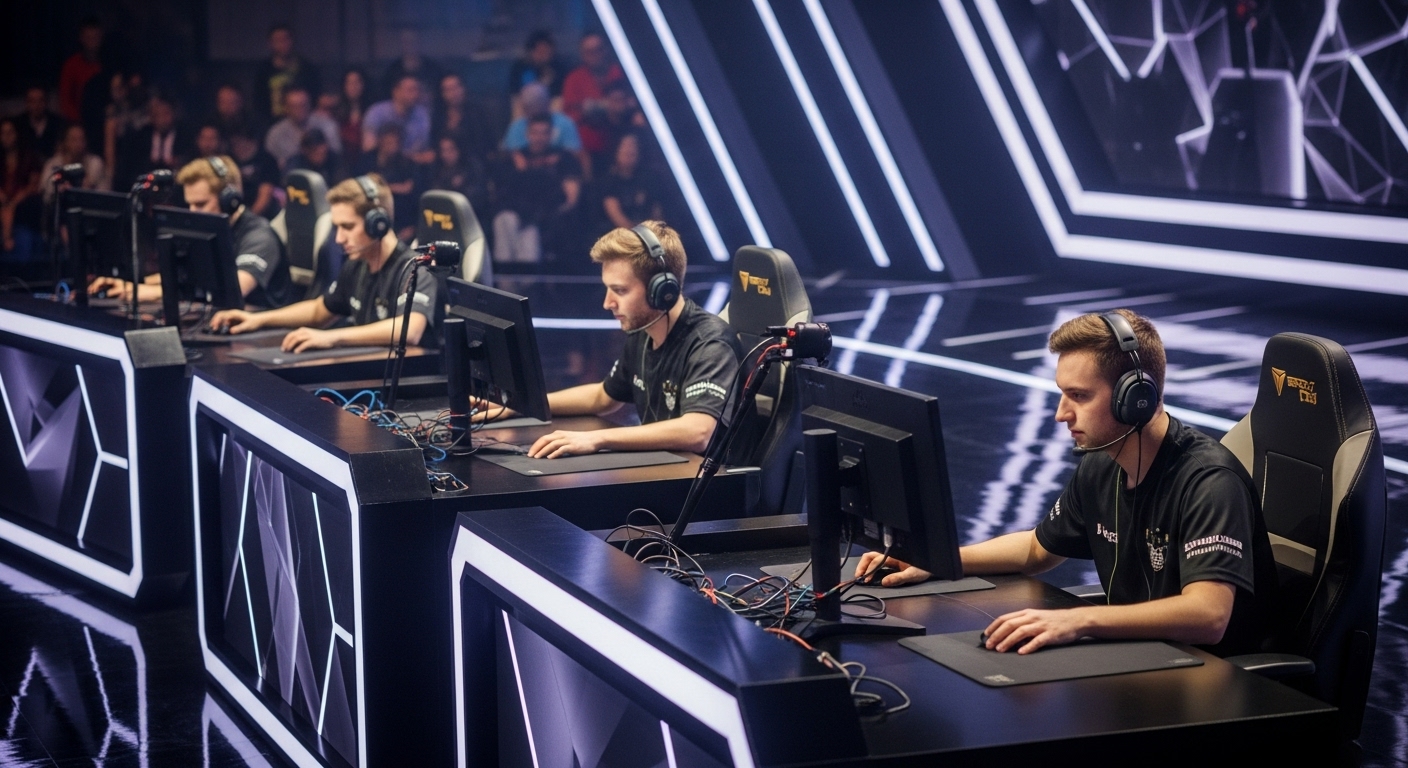
Esports, or competitive gaming, has become one of the most rapidly growing sectors in the entertainment industry. What was once a niche activity for a small group of passionate gamers has blossomed into a massive global industry, drawing millions of spectators, investors, and players. In 2023, the esports market was valued at over $1 billion, with projections for future growth only continuing to rise. The rise of esports has captivated audiences worldwide and transformed gaming from a casual pastime to a legitimate career path for many players.
This transformation has not only reshaped the gaming landscape but has also led to the emergence of new media formats, professional teams, international competitions, and a dedicated fanbase that rivals traditional sports. This blog post delves deep into the history, growth, and future of esports, exploring its influence on global culture and the factors that have led to its success.
The Origins of Esports: From Arcade to Arena
The journey of esports began long before the term “esports” even existed. In the late 1970s and early 1980s, the first competitive video game events were held, marking the early days of organized gaming. However, it wasn’t until the late 1990s and early 2000s that competitive gaming began to take its current form.
In 1997, the Red Annihilation Tournament for Quake became one of the first major esports competitions to gain widespread attention. The event, which was broadcasted on television, drew attention from both players and viewers, establishing a precedent for the kind of competitive gaming events that would become commonplace in the future. This was followed by the launch of tournaments for games like StarCraft in 1998 and Warcraft III in 2002, which attracted professional players and large audiences.
One of the most influential events in esports history occurred in 2000, when the World Cyber Games (WCG) held its first official tournament. This global event brought together top players from various countries and showcased the potential for international competition in gaming. By the mid-2000s, esports began to attract more significant attention, and the infrastructure to support it—such as online multiplayer platforms and streaming services—was starting to develop.
The Growth of Esports: A Multi-Billion-Dollar Industry
The rise of online gaming played a pivotal role in esports’ development. As broadband internet connections became more widely available, competitive gaming became more accessible. Games like Counter-Strike, Dota, League of Legends, and Call of Duty allowed players to compete in real-time against others from around the world. This global access to online competition laid the foundation for the massive growth of esports in the 2010s.
Streaming platforms such as Twitch and YouTube Gaming further accelerated esports’ popularity. Twitch, which was founded in 2011, quickly became the go-to platform for live-streaming gaming content. Esports tournaments began to be broadcast live on these platforms, giving fans a chance to watch their favorite players compete in real-time. These platforms allowed for interaction between players and fans, creating a unique sense of community and engagement that was not possible with traditional media.
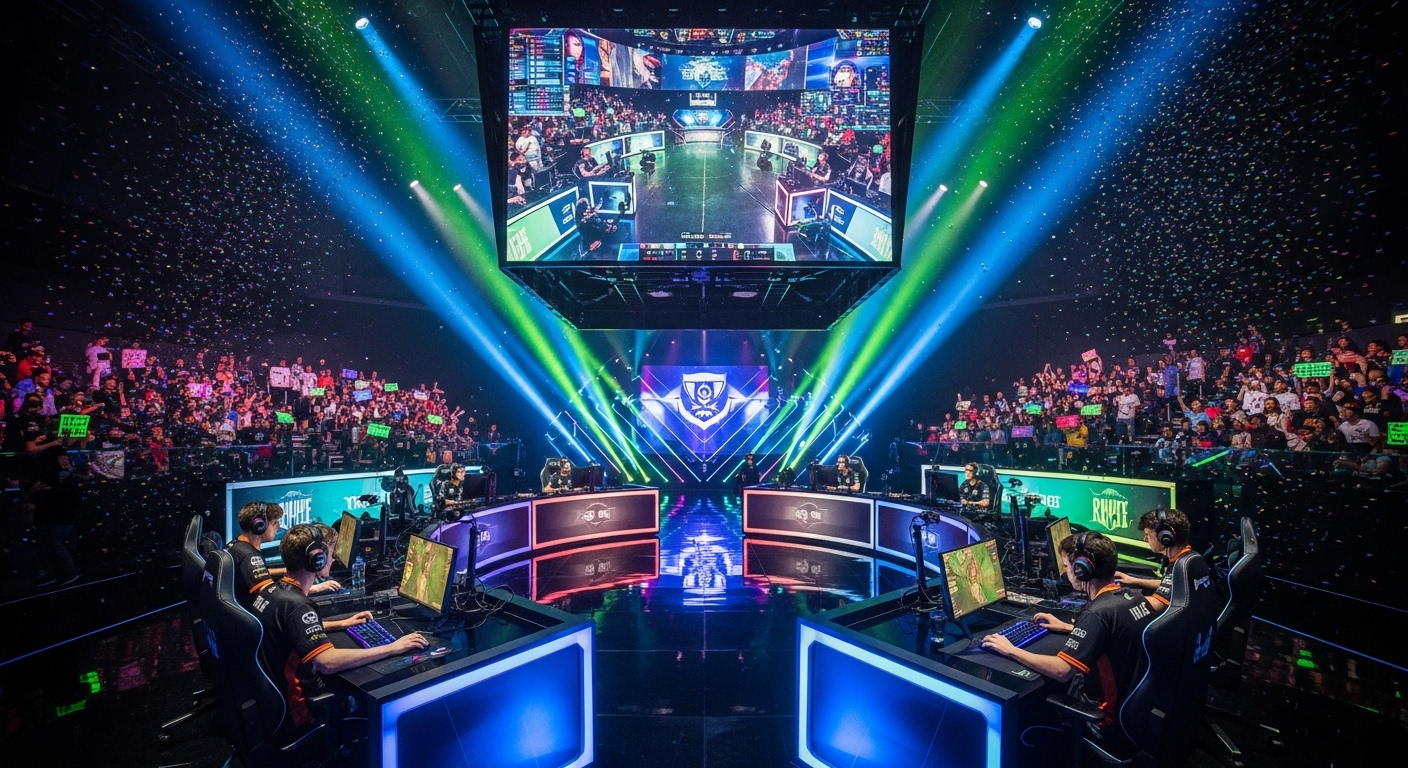
With the growth of live streaming came the expansion of esports events. Major tournaments such as The International (Dota 2), League of Legends World Championship, and CS:GO Major Championships became global spectacles, attracting millions of viewers both online and in person. The 2018 League of Legends World Championship Final, for example, garnered over 200 million viewers worldwide, making it one of the most-watched esports events of all time.
The Rise of Professional Esports Leagues and Teams
As esports grew, so did the infrastructure surrounding it. Professional organizations and teams began to emerge, providing players with the support, sponsorships, and training they needed to succeed at the highest levels. Teams like Cloud9, T1, and G2 Esports are now household names in the competitive gaming scene, with dedicated fanbases and sponsorships from major brands.
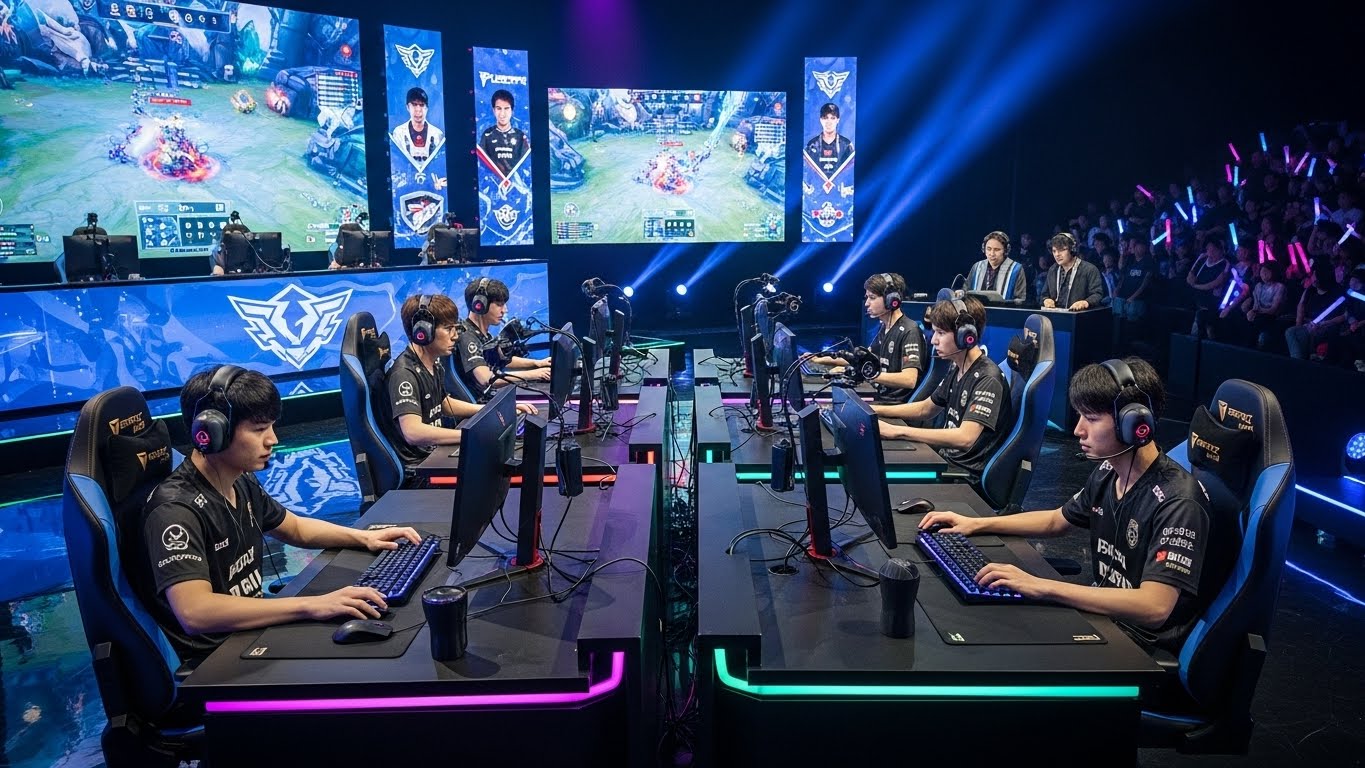
Esports organizations function much like traditional sports teams, with players, coaches, managers, and analysts working together to compete at the highest level. These teams participate in various leagues, which have become an integral part of the esports ecosystem. For example, the Overwatch League (OWL) and Call of Duty League (CDL) introduced the concept of city-based franchises, similar to the structure of major professional sports leagues. These franchises compete in regular seasons, with playoffs and championships culminating in huge live events.
Another major development was the rise of collegiate esports programs. Universities and colleges across the globe began offering scholarships to talented esports players, creating a new pathway for players to develop their skills while obtaining a higher education. This collegiate push not only legitimized esports as a career choice but also introduced a new generation of players to the competitive gaming scene.
Esports and its Global Impact: Fans, Brands, and Sponsorships
One of the key factors behind the meteoric rise of esports is its ability to attract a massive, diverse, and engaged global audience. With millions of fans from different countries, esports has broken down cultural and geographic barriers, creating a truly international community. Major tournaments are broadcast in multiple languages, attracting viewers from all corners of the globe.
Esports also provides a highly targeted advertising platform for brands. Companies looking to reach a younger demographic, particularly the coveted 18-34 age group, have turned to esports as a way to connect with potential customers. Global brands such as Coca-Cola, Intel, and Mercedes-Benz have sponsored esports events, teams, and players, recognizing the enormous marketing potential within this growing market. In fact, sponsorships account for a significant portion of the revenue generated by esports events and leagues.
Moreover, esports has created new career opportunities for people outside of just being a professional player. Event organizers, broadcasters, analysts, social media managers, and content creators all play vital roles in the esports ecosystem. The rise of esports has contributed to the creation of thousands of jobs and has spurred the growth of related industries, such as esports journalism, gaming hardware, and event production.
The Evolution of Esports Content: From Livestreams to Virtual Reality
Esports content has come a long way from its early days of static gameplay streams. Today, esports broadcasts are fully produced shows, with professional commentary, interviews, and engaging storylines that rival traditional sports broadcasts. Popular esports tournaments feature expert analysts, who break down gameplay and provide insights into the strategies used by players and teams. These broadcasts often include a high level of production value, with live interviews, fan interaction, and special segments.
Additionally, esports content is no longer limited to just watching tournaments live. Many esports players and teams have embraced streaming as a way to engage with their audience outside of competitive events. Platforms like Twitch and YouTube Gaming allow players to stream their daily gameplay, providing fans with a behind-the-scenes look at the lives of professional gamers. These streams help build a connection between players and their fans, who can interact with their idols in real-time through chat, donations, and social media.
Virtual reality (VR) and augmented reality (AR) technologies are also poised to revolutionize the esports landscape in the coming years. As VR and AR become more accessible and affordable, we could see the development of entirely new types of esports, where players and spectators are immersed in virtual environments. Imagine watching a Counter-Strike match from the perspective of a player, or participating in a virtual Dota 2 tournament from the comfort of your own home.
Esports as a Cultural Phenomenon
Esports has transcended beyond just a form of entertainment; it has become a cultural phenomenon. The rise of competitive gaming has impacted everything from fashion to music, with players becoming celebrities in their own right. Some esports players have millions of social media followers and can command sponsorship deals worth millions of dollars.
Esports events also act as social gatherings, where fans from around the world come together to celebrate their love for gaming. Events such as The International and League of Legends World Championships attract thousands of fans, who travel across countries to attend in person. These events are filled with fan meetups, live concerts, and interactive experiences, turning them into massive cultural festivals.
Additionally, esports has influenced the way people perceive gaming. No longer is gaming seen as a solitary, isolating activity; it is now viewed as a highly social and competitive pursuit. Esports has helped elevate gaming as a legitimate form of entertainment, gaining the respect of mainstream audiences and critics alike.
The Future of Esports: What’s Next?
While esports has already experienced tremendous growth, the future holds even more promise. The continued advancement of technology, particularly in the fields of virtual reality, AI, and 5G connectivity, will undoubtedly change the way we experience esports. Here are a few key trends to watch for in the coming years:
- Esports in Mainstream Sports: With increasing talk about including esports in the Olympics, we could see esports enter the realm of mainstream sports. The global nature and digital accessibility of esports make it a natural fit for international sporting events, and we may witness esports being recognized alongside traditional sports at the highest level.
- Mobile Esports Explosion: As mobile gaming becomes more sophisticated, mobile esports will continue to grow. Games like PUBG Mobile and Clash Royale have already carved out a niche, and as mobile devices improve, mobile esports will likely become a dominant force in the competitive gaming space.
- Esports as a Career Path: More and more young people are seeing esports as a viable career path. With professional leagues, sponsorships, and streaming platforms offering substantial income opportunities, it’s likely that esports will continue to attract new talent and provide more avenues for players to make a living.
- Virtual and Augmented Reality: The integration of VR and AR into esports could provide an entirely new way to experience competitive gaming. From immersive tournaments to augmented gameplay, these technologies could change how we view and participate in esports in ways we can’t yet fully imagine.
Conclusion: The Bright Future of Esports
Esports has come a long way since its humble beginnings. It has evolved from a hobby to a global cultural and entertainment powerhouse, impacting millions of people around the world. With its growing viewership, professional leagues, and increasing influence in mainstream media, the future of esports looks incredibly promising. Whether you’re a casual gamer, a die-hard fan, or a player aspiring to go pro, the world of esports continues to offer endless opportunities and excitement. As technology advances and the industry matures, esports will only continue to grow, reshaping the way we think about competitive entertainment.