Introduction: The Birth of a Digital Sporting Revolution
Over the past few decades, the world has witnessed an extraordinary transformation in how people interact with technology, entertainment, and competition. One of the most striking manifestations of this evolution is Esports, or electronic sports — the organized, competitive play of video games. What once began as small gatherings of gamers competing for fun has grown into a billion-dollar global industry, attracting millions of viewers, professional athletes, sponsors, and even governments.
Esports is more than just gaming; it represents a new form of sports culture, fusing technology, teamwork, strategy, and spectacle. It challenges traditional notions of athleticism and competition, giving rise to a new generation of digital athletes and redefining the concept of what it means to be a sports star in the 21st century.
The Early Days: From Arcades to Online Arenas
The roots of Esports stretch back to the 1970s and 1980s, long before the internet made global multiplayer gaming possible. Early competitions were simple, often centered around arcade games like Space Invaders or Pac-Man. In 1980, Atari organized one of the first large-scale video game tournaments, the Space Invaders Championship, which attracted over 10,000 participants across the United States. It was a groundbreaking moment that revealed the potential of video games as a shared competitive experience.
The 1990s marked a turning point. The rise of the home console, personal computers, and local area networks (LANs) made it easier for players to compete in more sophisticated ways. Games like Doom, Quake, and StarCraft became the foundation for early Esports tournaments. The creation of the Cyberathlete Professional League (CPL) in 1997 was one of the first steps toward professionalizing gaming competitions. Players started to form teams, seek sponsorships, and travel internationally to compete.
Still, Esports at the time was a niche hobby. The internet was slow, live streaming didn’t exist, and mainstream audiences had yet to recognize gaming as a legitimate spectator activity. Yet beneath the surface, a revolution was brewing.
The Rise of Online Gaming and Streaming Platforms
The 2000s ushered in the internet age, and with it came online multiplayer gaming. Titles like Counter-Strike, Warcraft III, and Dota allowed players from around the world to compete without being in the same physical space. Broadband internet made global tournaments possible, and online ladders or rankings created the foundation for professional gaming careers.
But the true catalyst for Esports’ explosion was the rise of streaming platforms. Services that allowed audiences to watch live matches from anywhere fundamentally changed the way people engaged with games. Suddenly, fans could follow their favorite players, teams, and tournaments in real time. The accessibility of streaming turned Esports from an underground subculture into a mainstream spectacle.
As internet speeds improved, so did the quality of production. Professional commentators, known as “casters,” added entertainment and narrative value, turning matches into thrilling, story-driven experiences. It was no longer just about who won — it was about the personalities, rivalries, and communities that formed around the games.
Major Titles that Defined Esports
Different games have contributed to Esports in unique ways. Each title brought something new to the competitive scene and helped shape the industry’s structure and identity.
1. League of Legends (LoL)
Developed by Riot Games, League of Legends became one of the most popular Esports titles of all time. With its deep strategy, team coordination, and regular updates, it attracted millions of players and viewers. The annual League of Legends World Championship now fills arenas and attracts tens of millions of online viewers.
2. Dota 2
Valve’s Dota 2 took competitive gaming to another level with The International, one of the richest tournaments in the world. Prize pools exceeding tens of millions of dollars — largely funded by the game’s community — showcased the economic power of Esports fans.
3. Counter-Strike: Global Offensive (CS:GO)
Few games have had the longevity of Counter-Strike. Its tactical depth, precision, and teamwork make it a true test of skill. CS:GO tournaments such as the Majors remain some of the most prestigious events in Esports.
4. Fortnite
Fortnite blurred the lines between gaming, entertainment, and culture. Its 2019 World Cup demonstrated that Esports could appeal to younger audiences and mainstream celebrities alike, with massive audiences tuning in to see teenage players become millionaires overnight.
5. Overwatch, Valorant, and Beyond
As new titles emerge, each contributes to the evolution of Esports. Overwatch brought hero-based, team-oriented action to the forefront, while Valorant merged the precision of shooters with strategic depth. Esports continues to evolve alongside the games that define it.
The Business of Esports: From Passion to Profit
Today, Esports is not just a form of entertainment — it is a serious business. Revenue flows from multiple sources: sponsorships, advertising, broadcasting rights, merchandise, ticket sales, and in-game purchases.
Esports organizations operate much like traditional sports teams, with players, coaches, managers, and analysts. Major brands invest heavily in the industry, recognizing its potential to reach young, tech-savvy audiences. Companies like Coca-Cola, Intel, and Nike have all sponsored teams or events, legitimizing Esports in the eyes of global corporations.
Prize money has reached staggering heights. Top tournaments like The International or Fortnite World Cup offer millions of dollars in rewards. Players who once competed for fun now sign professional contracts, receive salaries, and enjoy benefits similar to athletes in other sports.
Broadcasting platforms also play a crucial role. While traditional television was once reluctant to embrace Esports, streaming has created an entirely new model for sports entertainment. Platforms cater directly to niche communities, offering interactivity and engagement that traditional sports broadcasting can’t match.
The Globalization of Esports
Esports has transcended cultural and geographic boundaries. It is a truly global phenomenon, with players and fans from every continent.
In Asia, especially in countries like South Korea and China, Esports has become a national pastime. South Korea, in particular, deserves special mention as the birthplace of modern Esports. Television networks have broadcasted gaming tournaments for over two decades, and professional players enjoy celebrity status. The country’s infrastructure, including dedicated Esports stadiums, training facilities, and academies, set the standard for the rest of the world.
Meanwhile, in Europe and North America, Esports has seen exponential growth. The establishment of structured leagues such as the Overwatch League and Call of Duty League has mirrored the franchised models of traditional sports. Latin America, Africa, and the Middle East are also emerging as new hubs for competitive gaming, driven by growing internet access and passionate communities.
Esports and Traditional Sports: Rivals or Allies?
A common debate surrounds the comparison between Esports and traditional sports. Some argue that Esports lacks the physicality that defines conventional athletics, while others see it as a legitimate test of skill, coordination, and mental endurance.
In truth, the two are not competitors but complementary. Many traditional sports organizations have invested in Esports, recognizing its potential. Football clubs like Manchester City and Paris Saint-Germain have their own Esports divisions. The Olympic Committee has even discussed incorporating Esports into future events, acknowledging the growing influence of digital competition.
Moreover, Esports athletes train rigorously. Their schedules include practice sessions, physical workouts, and mental conditioning. Reaction time, strategic thinking, and teamwork are all critical components of success, much like in traditional sports.
The Cultural Impact of Esports
Esports is not just about competition; it has become a cultural movement. It influences music, fashion, media, and education.
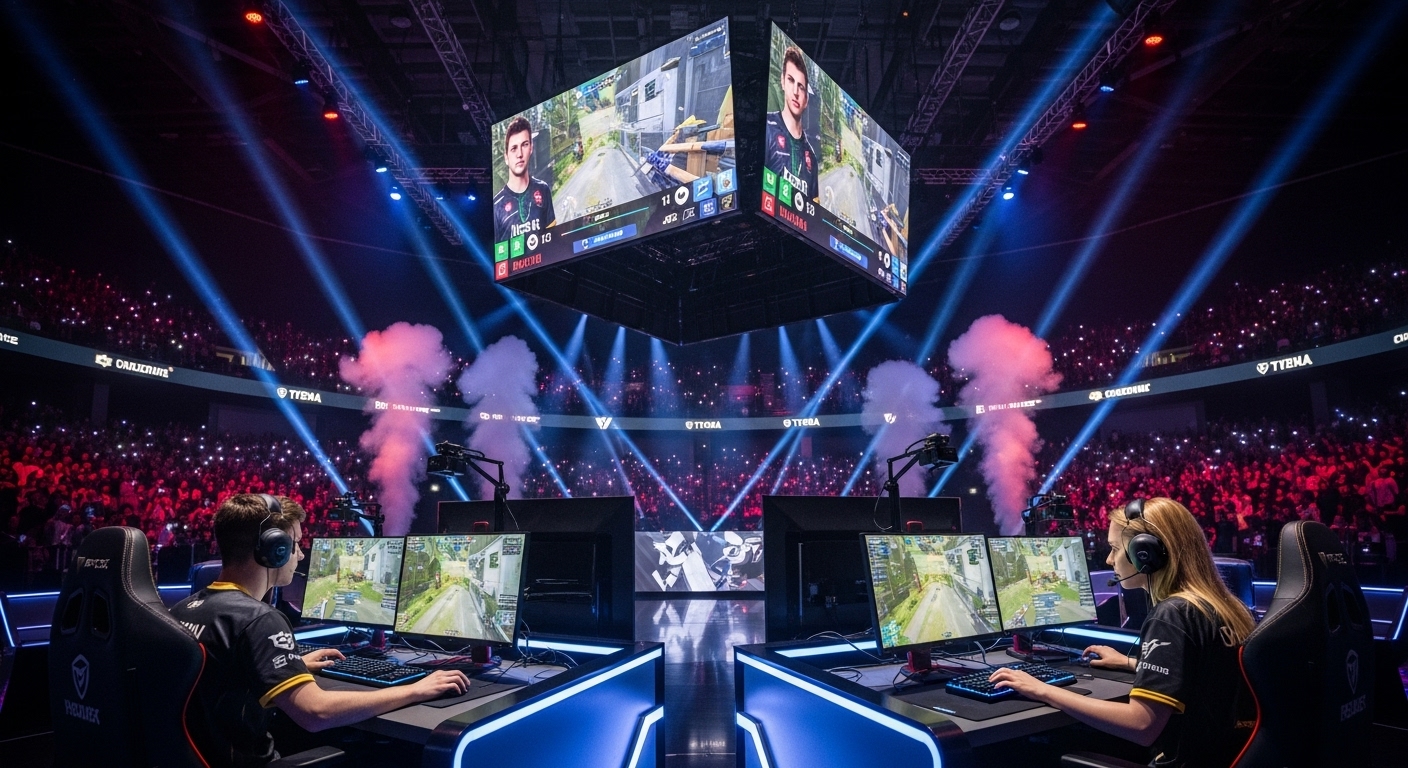
Gaming celebrities command massive online followings, rivaling traditional entertainers. Streamers and professional players are cultural icons, shaping trends and engaging directly with fans through social media. Esports events resemble music festivals, complete with live performances, light shows, and fan conventions.
Furthermore, gaming has become a social connector. Online games create communities where players from different countries, languages, and backgrounds unite under shared passion. This has fostered a sense of global belonging that few other entertainment mediums can achieve.
Educational institutions are also taking notice. Universities now offer scholarships for Esports players and degrees in game design, management, and Esports business. What was once considered a distraction from studies has become a legitimate career path.
Challenges Facing the Esports Industry
Despite its meteoric rise, Esports faces several challenges that threaten its long-term sustainability.
1. Player Burnout
Professional gaming is demanding. Long practice hours, travel, and performance pressure can lead to fatigue and mental health issues. Many players retire young, often before the age of 25, due to stress or declining performance.
2. Regulation and Governance
Unlike traditional sports with centralized organizations, Esports lacks a single governing body. Rules vary between games, and disputes over contracts, cheating, or integrity often lead to controversy. Establishing consistent global standards remains a major challenge.
3. Diversity and Inclusion
While gaming is universal, professional Esports has struggled with diversity. Gender representation remains limited, and efforts are ongoing to make the environment more inclusive and welcoming to all players.
4. Financial Stability
Not all Esports organizations are profitable. Many rely heavily on sponsorships, and sudden changes in a game’s popularity can impact entire ecosystems. Balancing business sustainability with competitive integrity is essential for long-term growth.
Technology and the Future of Esports
As technology continues to evolve, so too will Esports. Virtual reality (VR) and augmented reality (AR) promise new forms of immersive competition. Artificial intelligence is already being used to analyze player performance, optimize training, and enhance viewer experience.
Cloud gaming and 5G networks are breaking barriers of accessibility, allowing high-quality gaming on any device, anywhere in the world. This means the next generation of Esports players could emerge from any corner of the globe.
The metaverse — a shared digital space that blends gaming, social interaction, and commerce — could further redefine Esports. Fans may soon attend matches as avatars, interact directly with players, and experience games from within the virtual arena.
Esports and Education: A New Learning Frontier
Esports is increasingly being recognized as a tool for education and skill development. Schools are integrating gaming into curricula to teach teamwork, communication, problem-solving, and digital literacy.
Colleges and universities now run official Esports programs, offering scholarships to top players. These programs not only develop gaming talent but also open doors to careers in broadcasting, event management, software development, and marketing.
Esports encourages critical thinking and adaptability — skills that are valuable in the modern digital economy. It teaches leadership and collaboration, bridging the gap between entertainment and education in unprecedented ways.
The Role of Fans: The Heartbeat of Esports
No industry thrives without its audience, and Esports fans are among the most passionate and engaged in the world. They don’t just watch — they participate. Fans contribute to crowdfunding tournaments, create online content, and even influence the direction of games through community feedback.
Social media platforms amplify this connection, allowing players and fans to interact directly. Esports is as much about the community as it is about competition. Every victory, defeat, and highlight becomes part of a collective experience that binds millions together.
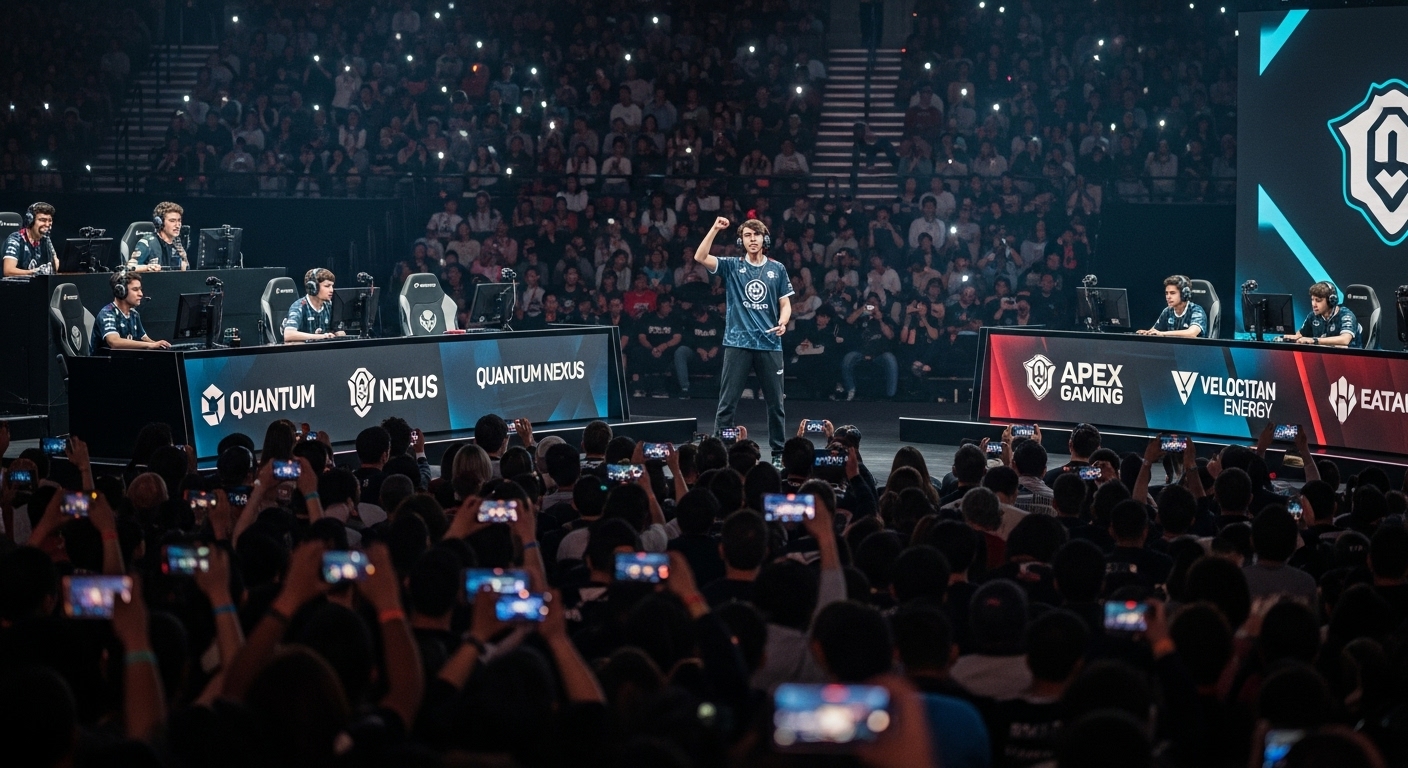
The enthusiasm of fans has also pushed Esports into mainstream media. Major events now take place in packed arenas, complete with roaring crowds and massive screens. The energy mirrors that of any major sports event — proof that Esports has truly arrived as a global spectacle.
Women in Esports: Breaking Barriers
Historically, Esports has been dominated by male players, but the tide is changing. More women are entering the competitive scene as players, casters, and organizers. All-female teams and inclusive tournaments are helping to create visibility and representation.
The push for equality extends beyond competition. Women are leading in Esports management, production, and journalism, challenging stereotypes and reshaping the industry’s culture. The future of Esports depends on this inclusivity — ensuring that everyone has a place in the arena, regardless of gender or background.
The Future Outlook: Esports as the Next Global Phenomenon
The momentum behind Esports shows no sign of slowing down. Analysts predict continued growth in viewership, sponsorship, and revenue. Governments and educational institutions are investing in infrastructure and research to support Esports development.
The integration of advanced technologies, broader accessibility, and cross-cultural appeal make Esports one of the most promising industries of the future. It stands at the intersection of entertainment, innovation, and global connectivity — the very pillars of the modern digital age.
As virtual and real worlds continue to merge, Esports may soon stand alongside football, basketball, and other global sports as a permanent fixture in our cultural landscape.
Conclusion: The Game Has Only Just Begun
Esports represents more than just competition; it is a reflection of our times — a convergence of technology, creativity, and community. It has evolved from small LAN parties to sold-out arenas, from pixelated duels to international tournaments with million-dollar stakes.
What makes Esports truly remarkable is its inclusivity and adaptability. It welcomes anyone with a passion for gaming, regardless of background, language, or location. It thrives on innovation, driven by both players and fans.
The story of Esports is still being written, but one thing is certain: it has transformed the way humanity views play, competition, and connection. The future belongs to those who can master not just the game, but the spirit of the digital world — where skill, strategy, and imagination define the new era of champions.