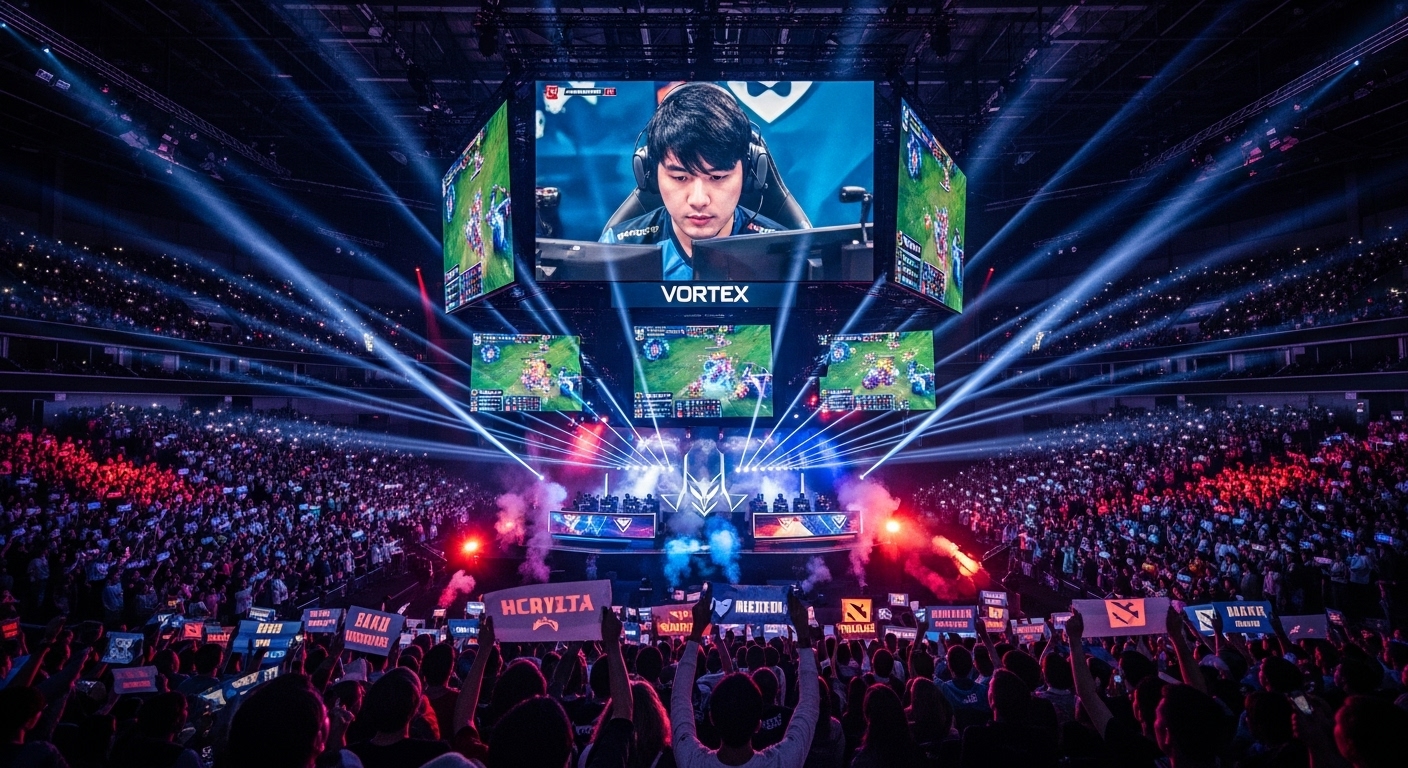
Introduction: The Digital Revolution of Competition
In the last few decades, the world has witnessed an extraordinary transformation in the way people entertain themselves, communicate, and even compete. Among the many modern developments, esports stands out as one of the most fascinating phenomena of the 21st century. Esports, short for electronic sports, refers to organized, competitive video gaming where individuals or teams face off in popular titles across various genres. What was once a niche hobby for a small community of passionate gamers has evolved into a billion-dollar industry with professional players, global tournaments, and millions of fans tuning in from every corner of the world.
The emergence of esports symbolizes more than just gaming—it represents the merging of technology, creativity, and competition into a single vibrant culture. From small LAN parties in the early 2000s to massive stadium events attracting audiences comparable to traditional sports, esports has proven that the digital age has its own champions, legends, and heroes.
The Origins of Esports: From Arcades to Arenas
To understand the present glory of esports, it is important to look back at its humble beginnings. The concept of competitive gaming dates back to the late 1970s and early 1980s when arcade machines became popular. The earliest known gaming tournament was organized in 1972 at Stanford University for the game Spacewar!, where students competed for a magazine subscription as the prize. Though modest, it marked the beginning of a new kind of entertainment culture.
The 1980s saw the rise of high-score competitions in arcade games like Pac-Man and Donkey Kong, where players would battle for the top spot on leaderboards. However, it wasn’t until the 1990s, with the advent of personal computers and the internet, that multiplayer gaming truly took off. Games like Doom and Quake allowed players to connect over local area networks (LANs), creating the first real multiplayer communities.
As technology improved, tournaments began to emerge. Events like the Cyberathlete Professional League and QuakeCon laid the foundation for organized esports. These early competitions not only showcased gaming skill but also fostered a sense of community among enthusiasts who shared a passion for digital combat.
The Explosion of Esports in the 21st Century
The 2000s marked the real turning point for esports. Broadband internet became more accessible, gaming hardware improved drastically, and online multiplayer games started gaining massive popularity. Titles like Counter-Strike, StarCraft, and Warcraft III were among the first to attract professional players and audiences worldwide.
South Korea, in particular, played a pivotal role in popularizing esports as a legitimate sport. The country’s rapid internet expansion, government support for digital culture, and passionate gaming communities turned esports into a national phenomenon. Professional gamers became celebrities, and television channels began broadcasting matches live. The success of StarCraft in South Korea inspired other nations to take esports seriously.
With the introduction of streaming platforms and social media, esports entered an era of unprecedented exposure. Platforms allowed fans to watch their favorite players and teams compete in real time. The global accessibility of online streaming broke geographical barriers, making esports an international spectacle that anyone with an internet connection could enjoy.
Major Esports Titles and Genres
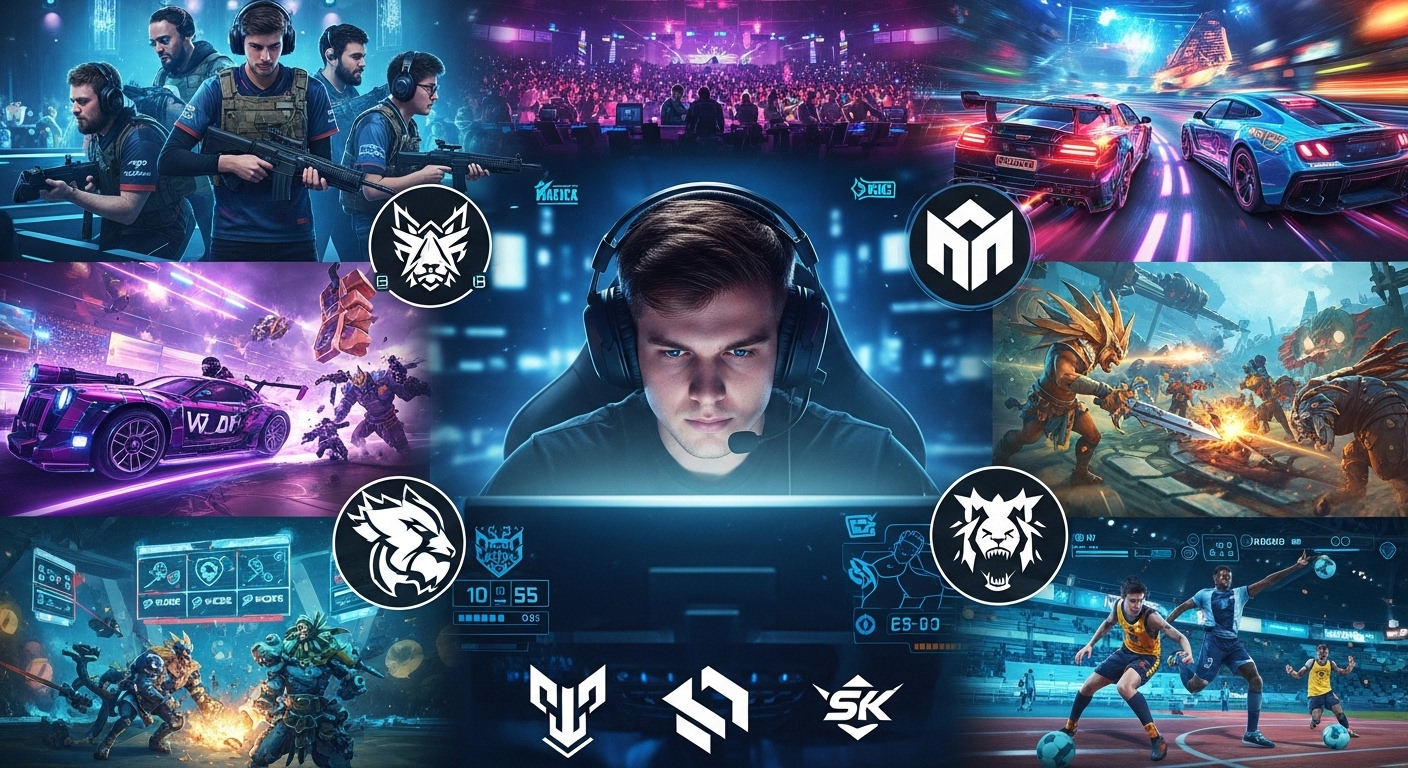
Esports spans a wide variety of game genres, each with its own unique rules, mechanics, and fan base. Some of the most influential and widely played esports titles have defined entire eras of competitive gaming.
In the first-person shooter genre, Counter-Strike: Global Offensive remains one of the most iconic esports titles. It emphasizes teamwork, strategy, and precision, making it a favorite among both players and viewers. Another powerhouse in this genre is Call of Duty, which has consistently hosted major tournaments across multiple game versions.
In the multiplayer online battle arena (MOBA) genre, games like League of Legends and Dota 2 reign supreme. These titles involve complex team-based strategies where coordination, timing, and skill are essential. The League of Legends World Championship and The International for Dota 2 offer some of the largest prize pools in all of esports, often reaching tens of millions of dollars.
The battle royale genre, represented by games such as Fortnite and PUBG, introduced a new kind of thrill to competitive gaming. With their large-scale matches and unpredictable gameplay, these titles attract both casual gamers and serious competitors alike.
Sports simulation games like FIFA and NBA 2K bridge the gap between traditional sports and esports, offering virtual versions of real-world athletic competitions. Meanwhile, fighting games such as Street Fighter, Tekken, and Super Smash Bros. continue to showcase one-on-one duels that highlight mechanical mastery and reflex precision.
The Rise of Professional Players and Teams
Just like athletes in traditional sports, professional esports players dedicate years of practice to mastering their craft. The life of a pro gamer involves rigorous training schedules, strategic analysis, and team coordination. Many players begin at a young age, honing their skills in ranked online matches before being scouted by professional organizations.
Esports teams operate similarly to professional sports franchises. They have managers, coaches, analysts, and even nutritionists to ensure optimal performance. Teams like Fnatic, Team Liquid, Cloud9, and T1 have built massive fanbases, often with millions of followers across various platforms. These organizations participate in multiple games simultaneously, functioning as global brands within the esports ecosystem.
The financial aspect of professional gaming is equally impressive. Top players can earn millions of dollars through tournament winnings, sponsorships, and streaming revenue. The recognition of esports as a legitimate profession has opened new career opportunities for gamers, allowing them to build stable and lucrative livelihoods through passion and talent.
The Role of Technology in Esports Growth
Esports would not have achieved its current status without advancements in technology. High-speed internet, powerful graphics cards, and efficient streaming services have all contributed to its growth. Modern gaming platforms offer seamless online connectivity, allowing players from different continents to compete against each other with minimal lag.
Moreover, innovations in broadcasting technology have transformed esports viewing experiences. Spectators can now enjoy high-definition streams with real-time commentary, instant replays, and detailed statistics. Virtual reality and augmented reality are also beginning to play a role in esports, offering immersive experiences that bring fans closer to the action than ever before.
Cloud gaming services are another promising development. By removing the need for expensive hardware, cloud platforms allow more people to participate in gaming and esports. This democratization of access is likely to expand esports audiences even further in the coming years.
Esports as an Entertainment Industry
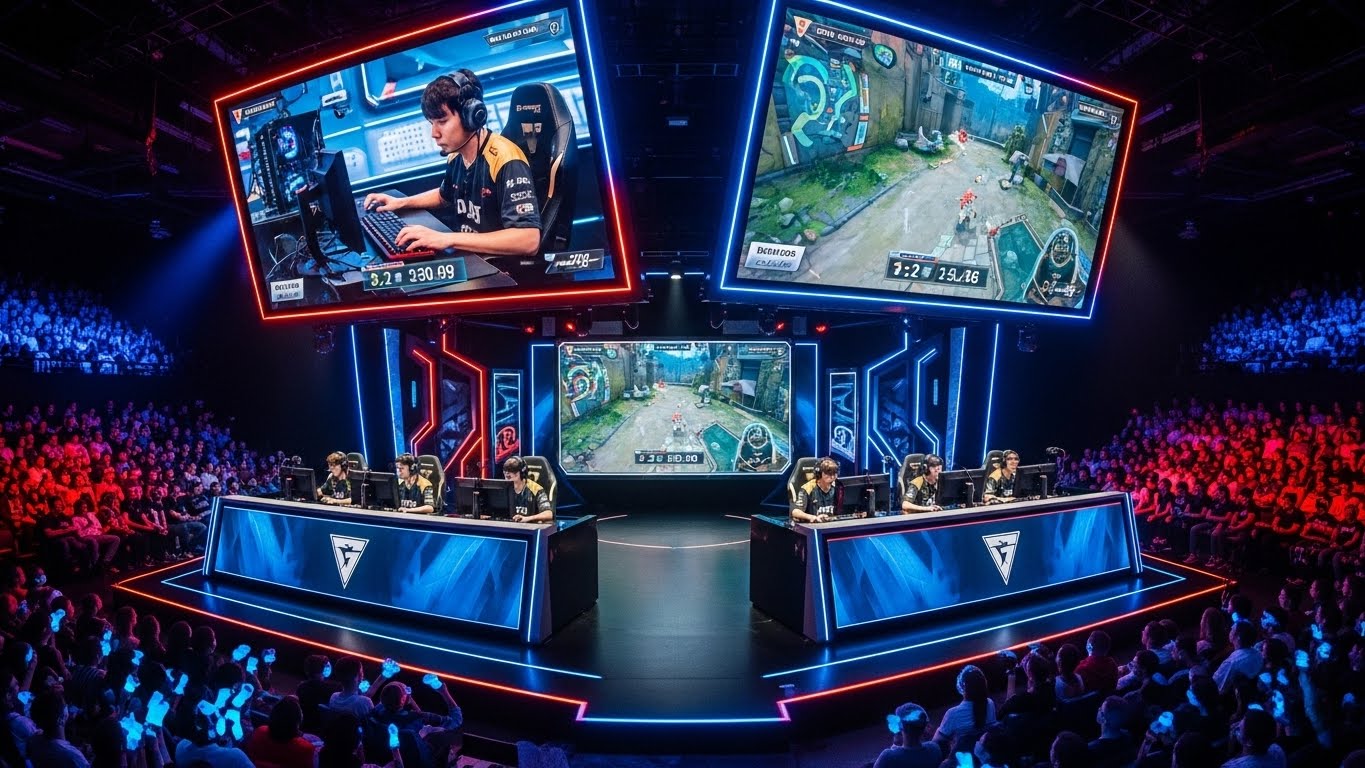
Esports is no longer just about competition; it has become a complete entertainment ecosystem. Major events are hosted in world-class stadiums, featuring elaborate opening ceremonies, celebrity appearances, and live music performances. The scale and spectacle of these events rival those of major sports championships.
Beyond tournaments, esports content thrives on digital platforms. Streamers and influencers build communities through interactive content, sharing gameplay, tutorials, and commentary. These personalities often have as much impact as professional players, shaping gaming culture and influencing trends across social media.
The integration of esports into mainstream media has further boosted its visibility. Documentaries, films, and television shows centered around competitive gaming have helped introduce esports to broader audiences. The boundary between virtual competition and real-world entertainment continues to blur, marking a significant cultural shift.
The Global Impact of Esports
Esports is truly a global phenomenon, transcending borders, languages, and cultures. Countries from every continent participate in international tournaments, creating a sense of global unity among gamers. The competitive spirit of esports encourages collaboration and cultural exchange, with players often learning new languages or customs to communicate with their teammates and fans.
In many developing nations, esports has become a gateway to digital literacy and career opportunities. Young people who once viewed gaming as a hobby now see it as a path toward professional success. The growth of esports academies, training programs, and scholarships reflects its increasing legitimacy as a career option.
Educational institutions are also embracing esports. Many universities have introduced esports management degrees, offering students the chance to study game design, event organization, and marketing within the industry. School-level competitions are nurturing the next generation of talent, ensuring that esports will continue to thrive for decades to come.
Challenges Facing the Esports Industry
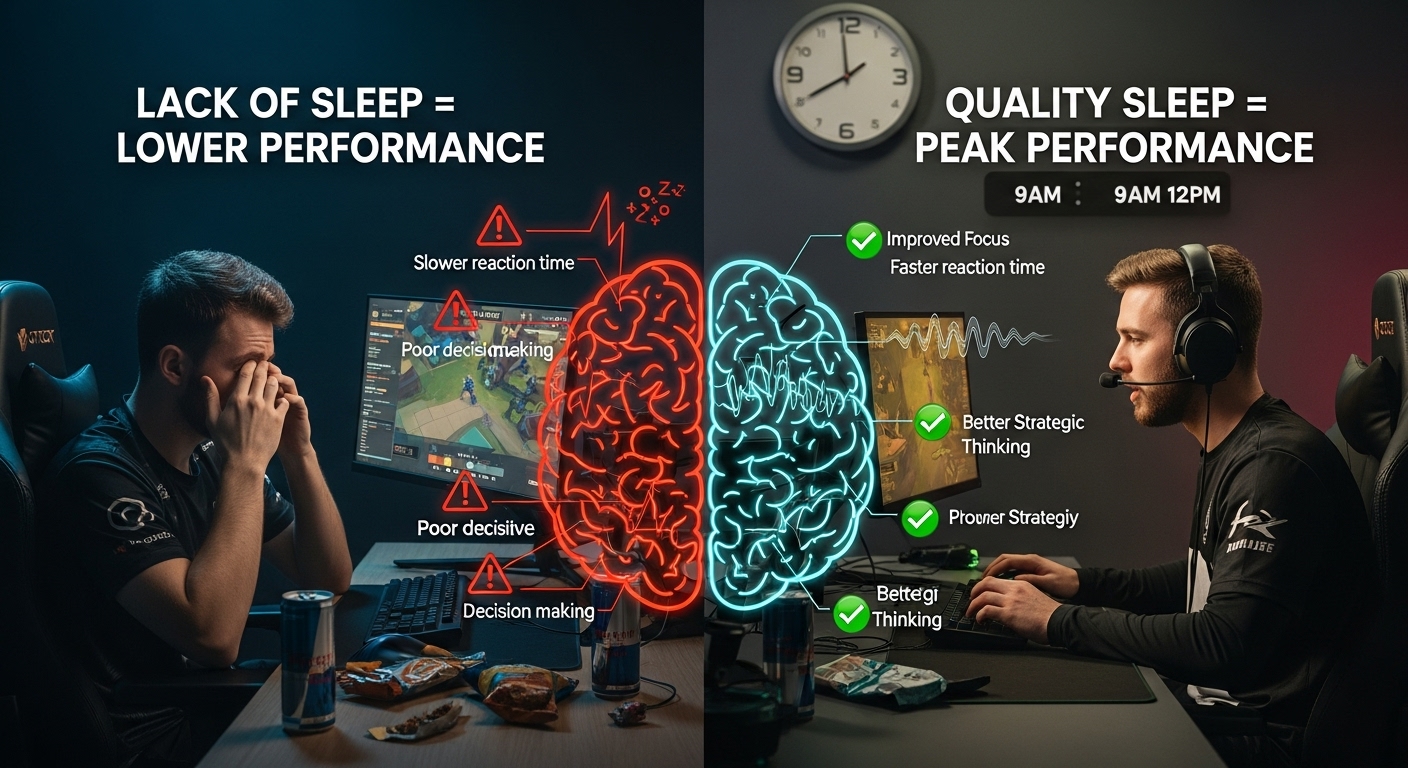
Despite its remarkable progress, esports faces several challenges that need to be addressed for sustainable growth. One major issue is player burnout. The intense practice schedules and pressure to perform can take a toll on mental and physical health. Many players retire early, often in their mid-twenties, due to exhaustion or injury.
Another concern is the lack of standardized regulation across different games and regions. Unlike traditional sports, esports does not have a single governing body. This creates inconsistencies in rules, contracts, and player treatment. Establishing global standards could help protect players and ensure fair competition.
Toxicity and cheating also pose significant problems. Online anonymity can sometimes lead to harassment, and developers constantly battle hackers who exploit game vulnerabilities. Promoting positive behavior and maintaining integrity in competition are essential to preserving esports’ credibility.
Finally, financial inequality remains an issue. While top-tier players and organizations earn millions, smaller teams and grassroots communities struggle to find funding. Supporting local tournaments and providing opportunities for emerging talent are crucial for long-term development.
The Future of Esports: Boundless Possibilities
The future of esports looks exceptionally bright. With continued technological innovation and cultural acceptance, its influence will only grow stronger. Virtual reality competitions, AI-assisted coaching, and cross-platform tournaments are likely to define the next stage of esports evolution.
Mainstream recognition is already underway. Some nations have officially recognized esports athletes, and international events may soon feature esports alongside traditional sports. The inclusion of esports in global sporting events would mark a new era of legitimacy and celebration for digital athletes.
Moreover, the lines between gaming, education, and business are becoming increasingly blurred. Companies use gamification techniques for training, while schools employ esports to teach teamwork, communication, and problem-solving skills. The values learned through gaming—discipline, strategy, and perseverance—translate effectively into real-world applications.
Conclusion: The Spirit of Competition in a Digital Age
Esports is more than a pastime—it is a reflection of human creativity, innovation, and ambition. It showcases how far technology has come and how deeply digital experiences have become part of modern life. From arcade beginnings to international arenas filled with roaring fans, the journey of esports is a testament to the power of passion and perseverance.
As we look toward the future, one thing is certain: esports will continue to shape culture, inspire millions, and redefine what it means to compete. Whether through virtual battles or global tournaments, the spirit of competition lives on—alive and thriving in the heart of digital gaming.
Esports is not just the future of entertainment; it is the living proof that in the world of endless possibilities, even pixels can become champions.