The rise of video game streaming has changed the way millions of people around the world consume entertainment. Instead of simply playing games alone or watching pre-recorded walkthroughs, audiences now flock to platforms where they can engage with live content, chat with their favorite creators, and become part of interactive communities. Among the platforms leading this revolution, Twitch and YouTube Gaming stand at the very top.
Both platforms are giants in the live-streaming space, yet they serve their audiences and creators in different ways. Twitch has long been seen as the home of live game streaming, while YouTube Gaming leverages YouTube’s massive video ecosystem to provide a unique mix of live and on-demand content.
This blog post will dive deep into Twitch vs. YouTube Gaming—their strengths, weaknesses, communities, monetization opportunities, and future prospects—to help streamers, gamers, and fans understand which platform might be better for them.
1. The Origins of Twitch and YouTube Gaming
Twitch: Born for Live Gaming
Twitch launched in 2011 as a spin-off of Justin.tv, a live-streaming platform. Unlike Justin.tv, which supported all kinds of live content, Twitch focused specifically on video games. This niche focus resonated with both creators and viewers, and Twitch quickly became synonymous with gaming streams.
By 2014, Amazon acquired Twitch for nearly $1 billion, cementing its importance in the digital entertainment world. Today, Twitch dominates the live-streaming space, hosting millions of active channels, professional esports tournaments, and gaming personalities who draw in massive audiences.
YouTube Gaming: Google’s Answer to Twitch
YouTube, already the world’s largest video platform, recognized the growing popularity of live game streaming. In 2015, Google introduced YouTube Gaming, a dedicated hub for gamers that combined livestreaming with pre-recorded gaming videos.
Initially, YouTube Gaming existed as a separate app and platform, but in 2019, Google integrated it directly into YouTube itself. This integration allowed creators to benefit from YouTube’s enormous user base, video discovery algorithms, and monetization tools, while also competing directly with Twitch in the live-streaming space.
2. User Interface and Experience
Twitch’s Interface
Twitch’s layout is designed entirely around live content. The homepage features streams organized by category, viewer count, and recommendations. The left-hand sidebar highlights “followed channels,” making it easy for users to see if their favorite creators are live.
Twitch’s chat system is one of its strongest features. Real-time engagement, emotes, and channel-specific features make Twitch chat an entertainment experience in itself. The culture of Twitch chat—filled with memes, inside jokes, and reactions—sets it apart from other platforms.
YouTube Gaming’s Interface
YouTube Gaming is integrated directly into YouTube, so it benefits from the platform’s familiar layout. Users can find live streams alongside regular gaming videos, which means creators don’t have to split their efforts between two types of content.
The comment system during live streams resembles Twitch chat, but it’s less culturally unique. However, YouTube has introduced features like “Super Chat,” which allows fans to pay to highlight their messages during live streams, giving an added layer of interaction.
3. Content Variety and Focus
Twitch’s Strength: Live-First Approach
Twitch’s primary focus is live streaming. Almost every tool, feature, and community element is built around live interaction. While Twitch does allow creators to save past broadcasts (called VODs), these aren’t prioritized in the same way as live streams.
Twitch thrives on immediacy—the excitement of being live with thousands of viewers, reacting in real time, and sharing unpredictable moments.
YouTube Gaming’s Strength: Live + VOD Integration
YouTube Gaming combines live streaming with video-on-demand (VOD) content. This dual structure is one of its greatest strengths because it allows creators to live stream and then automatically save and edit their content into videos.
This means creators on YouTube can attract both live viewers and long-term video viewers, maximizing exposure. This is especially valuable for smaller creators, as YouTube’s search and recommendation algorithms help surface content long after the stream has ended.
4. Community and Culture
Twitch’s Community
Twitch’s community is one of its strongest selling points. The platform has cultivated a culture that is uniquely its own, filled with memes, Twitch-specific emotes (like Kappa, PogChamp, and LUL), and traditions like Twitch Plays Pokémon.
Viewers often become part of tight-knit communities around their favorite streamers, and many tune in daily to hang out with both the streamer and other fans. Twitch also has a “raiding” feature, where one streamer can send their audience to another streamer’s channel, further fostering collaboration and discovery.
YouTube Gaming’s Community
YouTube’s community is broader and more diverse because it isn’t exclusively focused on gaming. While this gives creators access to a larger audience, it also means the culture isn’t as tight-knit or distinct as Twitch’s.
That said, YouTube creators benefit from having all of their content—gaming, lifestyle, vlogs, shorts, or tutorials—on one platform, which helps build a more versatile brand. The community dynamic is less about memes and inside jokes, and more about content consumption and fan support.
5. Monetization Opportunities
For creators, monetization is one of the most important factors when choosing a platform.
Twitch Monetization
Twitch offers several revenue streams:
- Subscriptions: Viewers can subscribe to channels for a monthly fee, unlocking perks like emotes, badges, and ad-free viewing.
- Bits: Twitch’s virtual currency that viewers can purchase to cheer for streamers.
- Ads: Streamers earn revenue from ads played during streams.
- Sponsorships & Donations: Many streamers also rely on outside sponsorships and third-party donation systems.
However, Twitch has faced criticism for its revenue split, typically 50/50 between the platform and creators (though some top streamers get 70/30).
YouTube Gaming Monetization
YouTube Gaming’s monetization benefits from YouTube’s broader ecosystem:
- Super Chat & Super Stickers: Fans can pay to highlight their messages or send fun animations during live streams.
- Channel Memberships: Similar to Twitch subscriptions, offering perks like badges and emojis.
- Ad Revenue: YouTube has one of the strongest ad ecosystems in the world, which benefits streamers.
- YouTube Premium Revenue: Creators also earn a share from YouTube Premium subscribers watching their content.
Importantly, YouTube typically offers a 70/30 revenue split, which is more favorable than Twitch’s default.
6. Discoverability and Growth
Twitch Discoverability
Twitch has long struggled with discoverability. Unless a streamer already has a following, it can be difficult for new viewers to find their content. Twitch mostly organizes streams by viewer count, meaning larger creators dominate the top spots while smaller streamers are buried.
While features like raids, clips, and community networking help, Twitch’s system inherently makes growth challenging without external promotion (such as on social media or YouTube).
YouTube Gaming Discoverability
YouTube Gaming excels in this area because it leverages YouTube’s search and recommendation algorithms. Even after a live stream ends, the recorded version can rank in search results, appear in “suggested videos,” or be recommended to users weeks or months later.
This makes YouTube a more sustainable platform for creators looking for long-term growth, as content doesn’t disappear after the stream ends.
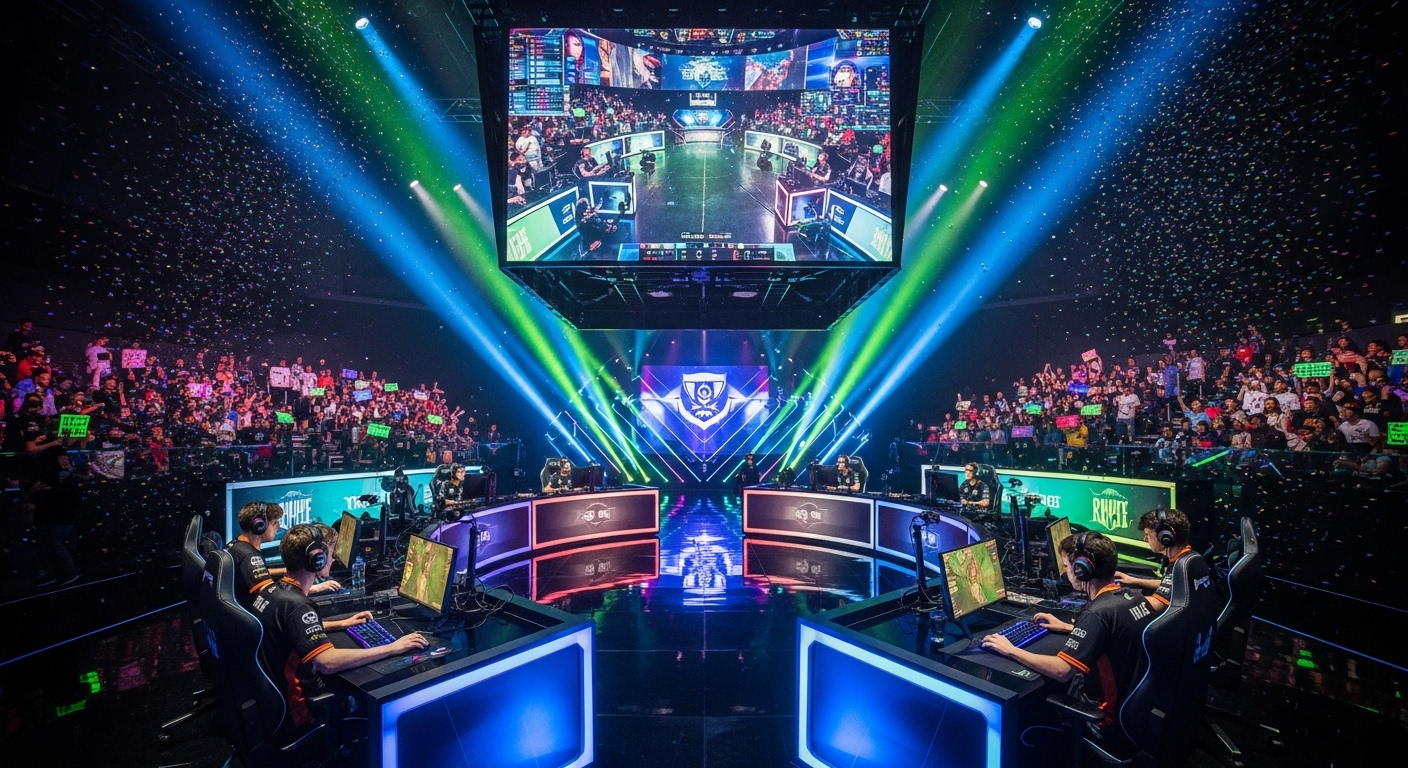
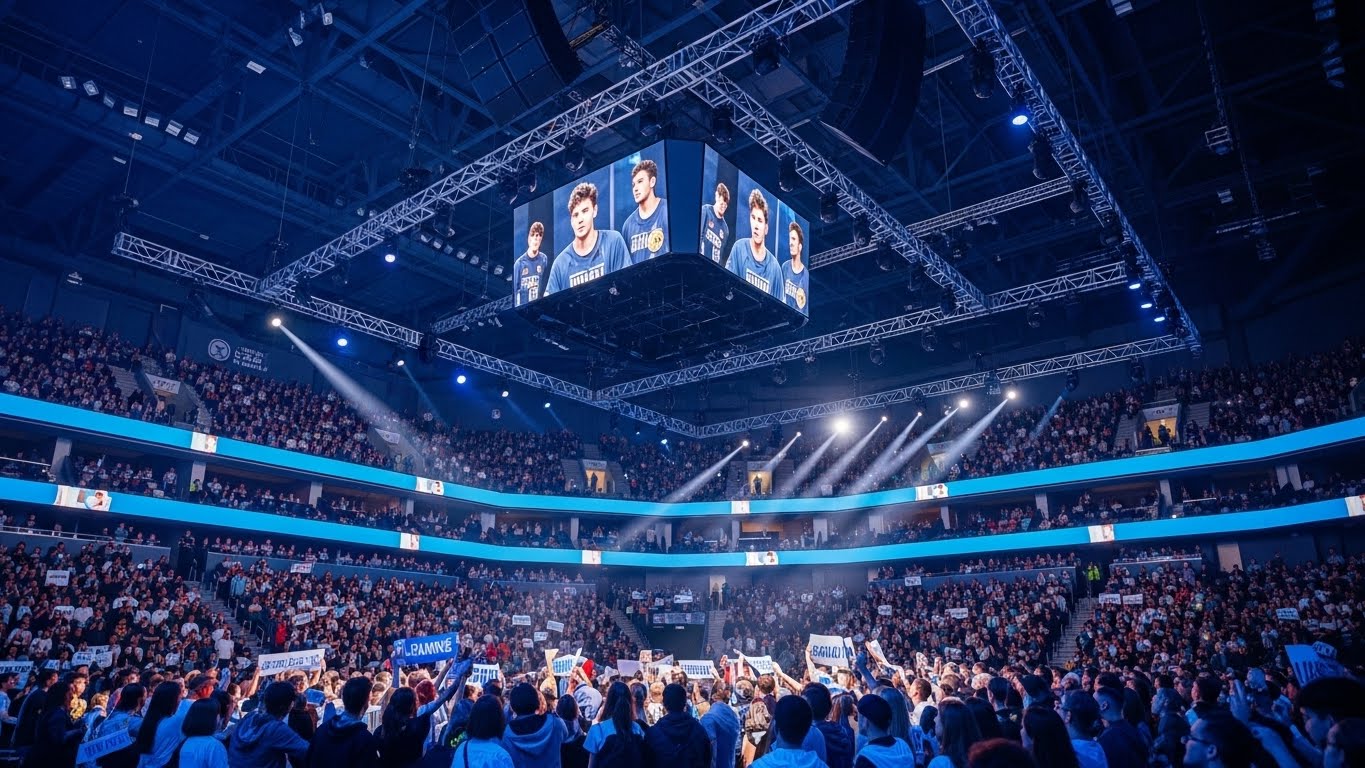
7. Esports and Competitive Gaming
Twitch’s Role in Esports
Twitch has been a central hub for esports since its early days. Major tournaments for games like League of Legends, Dota 2, and Counter-Strike: Global Offensive have been streamed primarily on Twitch.
The platform’s live-first approach and chat culture make it perfect for esports audiences who crave real-time excitement and community interaction.
YouTube Gaming’s Role in Esports
In recent years, YouTube has struck deals with major esports leagues like Call of Duty League and Overwatch League to exclusively stream their events. While these exclusives gave YouTube Gaming a boost, viewer culture still leans heavily toward Twitch when it comes to competitive gaming.
8. Mobile Streaming and Accessibility
Twitch Mobile
Twitch’s mobile app provides easy access to live streams, but it is primarily designed for viewers. Mobile streaming is possible, though it’s not as polished as desktop setups.
YouTube Mobile
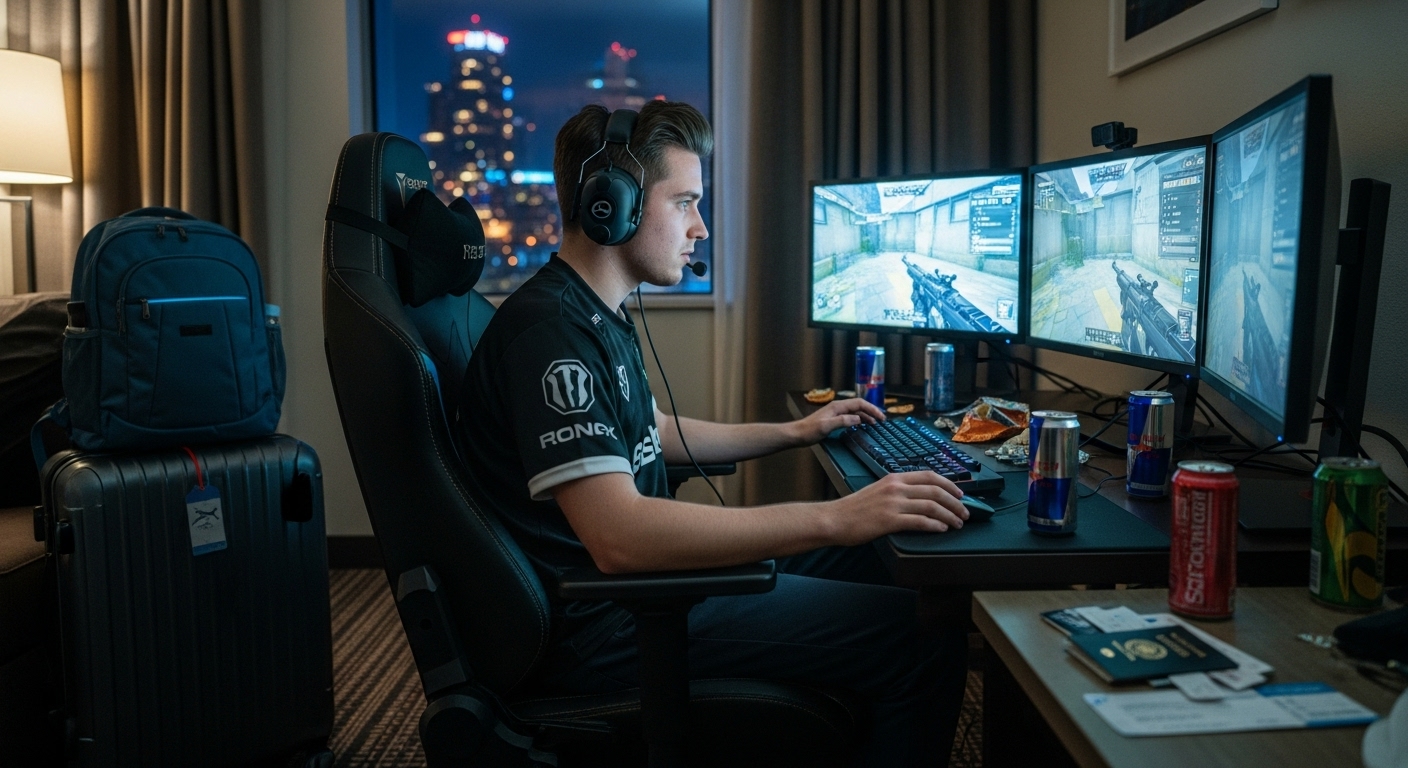
YouTube’s mobile app is one of the most widely used apps in the world, and it seamlessly integrates live streaming. Many creators use mobile streaming for casual gaming or IRL (in real life) streams. Because YouTube is already familiar to billions of users, live gaming on mobile feels natural within the app.
9. Pros and Cons of Each Platform
Twitch Pros
- Strong gaming-focused community and culture
- Robust live-streaming features and tools
- Popular destination for esports and gaming fans
- Interactive chat system with emotes and memes
Twitch Cons
- Poor discoverability for small streamers
- 50/50 revenue split (less favorable than YouTube)
- Limited support for non-live content
- Heavily competitive space with many established creators
YouTube Gaming Pros
- Integration with YouTube’s massive ecosystem
- Better discoverability through algorithms and search
- More favorable 70/30 revenue split
- Ability to combine live streams and VOD content
YouTube Gaming Cons
- Weaker live-streaming culture compared to Twitch
- Chat and community interaction less engaging
- Still catching up in esports dominance
- Some features (like raids) not as advanced
10. Which Platform Should Creators Choose?
The choice between Twitch and YouTube Gaming depends on a creator’s goals.
- Choose Twitch if: You want to be part of a strong live-streaming culture, build an interactive community, and focus mainly on live gaming content.
- Choose YouTube Gaming if: You want long-term growth potential, better discoverability, and the ability to diversify your content with both live streams and VODs.
Some creators even use a hybrid strategy—streaming on one platform while uploading highlights or full VODs to the other. For example, many Twitch streamers upload edited highlights to YouTube, while some YouTubers occasionally stream on Twitch to engage with live audiences.
11. The Future of Twitch and YouTube Gaming
The battle between Twitch and YouTube Gaming is far from over. Both platforms continue to evolve:
- Twitch is focusing on improving monetization tools, better moderation, and expanding beyond just gaming with categories like “Just Chatting.”
- YouTube Gaming is investing heavily in live-streaming features and exclusive deals to attract more gaming talent.
In the future, we may see even more crossover between the two platforms as competition drives innovation. Creators and viewers alike will benefit from improved tools, features, and experiences.
Conclusion
The rivalry of Twitch vs. YouTube Gaming represents the broader evolution of digital entertainment. Twitch dominates as the cultural home of live gaming, with strong community traditions and a focus on real-time experiences. YouTube Gaming, on the other hand, offers unmatched discoverability, better revenue splits, and the unique advantage of combining live streaming with VOD content.
For streamers, the decision comes down to priorities: immediate live engagement or long-term growth and discoverability. For viewers, it’s about choosing the platform that aligns best with their habits, whether that’s diving into the fast-paced energy of Twitch chat or browsing through the vast gaming library on YouTube.