Introduction
In the last two decades, the world has witnessed a revolution in entertainment, competition, and technology through the phenomenon known as esports. What began as small gatherings of gamers competing for fun has evolved into a multi-billion-dollar global industry, captivating millions of fans, generating enormous revenue, and transforming the very definition of sports. Esports, short for electronic sports, is the organized competitive play of video games. It has become an essential part of the modern entertainment landscape, with professional players, major tournaments, sponsorships, and even university scholarships. This blog explores the journey, growth, culture, and impact of esports, as well as the challenges and future that lie ahead.
The Origins of Esports
The story of esports begins long before the rise of online gaming. The earliest known video game competition took place in 1972 at Stanford University, where students competed in the game Spacewar. The prize was modest—a year’s subscription to a magazine—but it marked the beginning of something extraordinary. In the 1980s, arcade gaming became a global craze, and players began to challenge one another for high scores in games like Pac-Man, Donkey Kong, and Space Invaders. These arcade competitions gave birth to the idea of video gaming as a legitimate contest of skill.
The 1990s brought new momentum to esports with the development of multiplayer PC games and local area network (LAN) tournaments. Titles like Doom, Quake, and StarCraft allowed players to compete in real-time, laying the foundation for organized competitive gaming. South Korea became the epicenter of this emerging culture, with television networks broadcasting StarCraft matches and professional players gaining celebrity status. This period established the early infrastructure for esports as we know it today—professional teams, commentators, sponsorships, and dedicated fanbases.
The Growth of Competitive Gaming
As internet connectivity improved and online platforms expanded, the 2000s saw esports flourish on a global scale. Games like Counter-Strike, Warcraft III, and Dota became cornerstones of competitive play. The creation of streaming platforms and social media allowed fans to follow their favorite players and teams, transforming gaming from a private hobby into a public spectacle.
Tournaments such as the World Cyber Games and the Electronic Sports World Cup attracted international attention and sponsorships from major companies. What made esports so unique was its accessibility. Anyone with skill, determination, and a computer could rise to the top. It broke down the traditional barriers of sports, welcoming players from every corner of the world, regardless of physical ability or background.
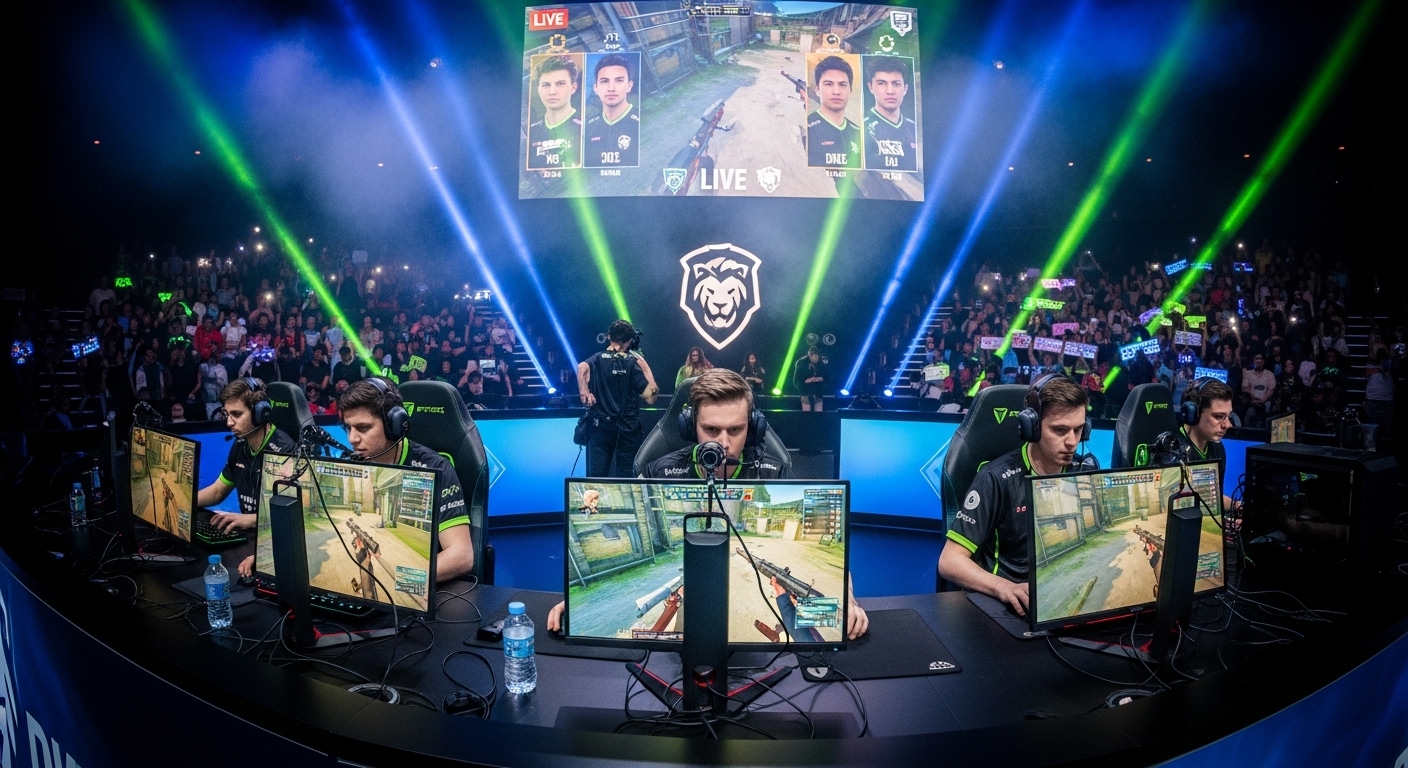
By the 2010s, esports had entered the mainstream. Games like League of Legends, Dota 2, and Counter-Strike: Global Offensive became household names, and tournaments began filling stadiums. The prize pools grew exponentially, with Dota 2’s The International offering millions of dollars in rewards. Esports teams became professional organizations with managers, coaches, analysts, and support staff, mirroring traditional sports clubs.
The Professionalization of Esports
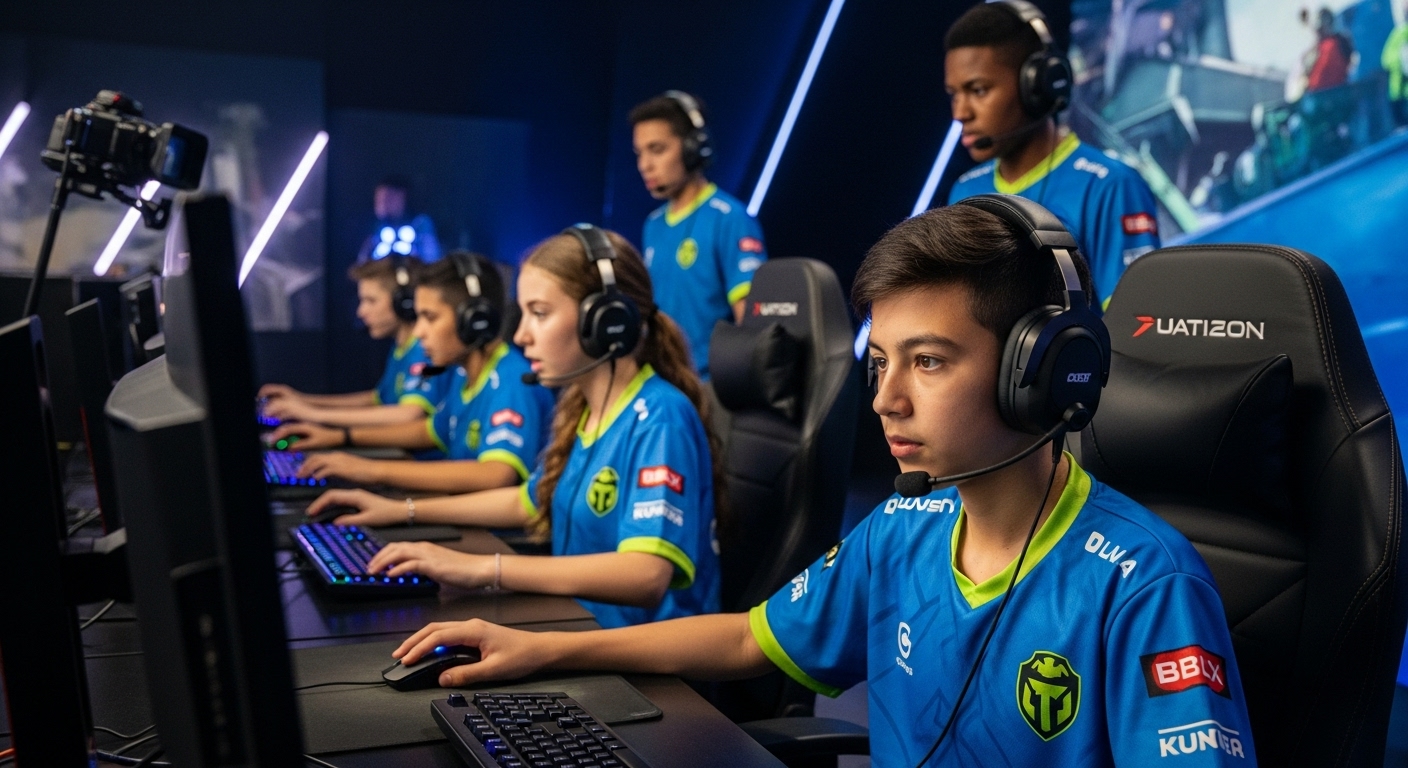
One of the defining moments in esports history was the transition from amateur passion to professional career. The industry developed a structured ecosystem that included leagues, contracts, and sponsorships. Players now train for hours daily, studying strategies and honing their reflexes. Team houses and training facilities became common, providing athletes with physical and mental conditioning similar to traditional sports.
Professional players often specialize in specific roles within their games. For instance, in games like League of Legends, players assume positions such as top laner, mid laner, jungler, support, or ADC (attack damage carry). These roles require distinct skills and communication, emphasizing teamwork and coordination. Esports also introduced the role of coaches, who analyze gameplay, develop strategies, and provide guidance.
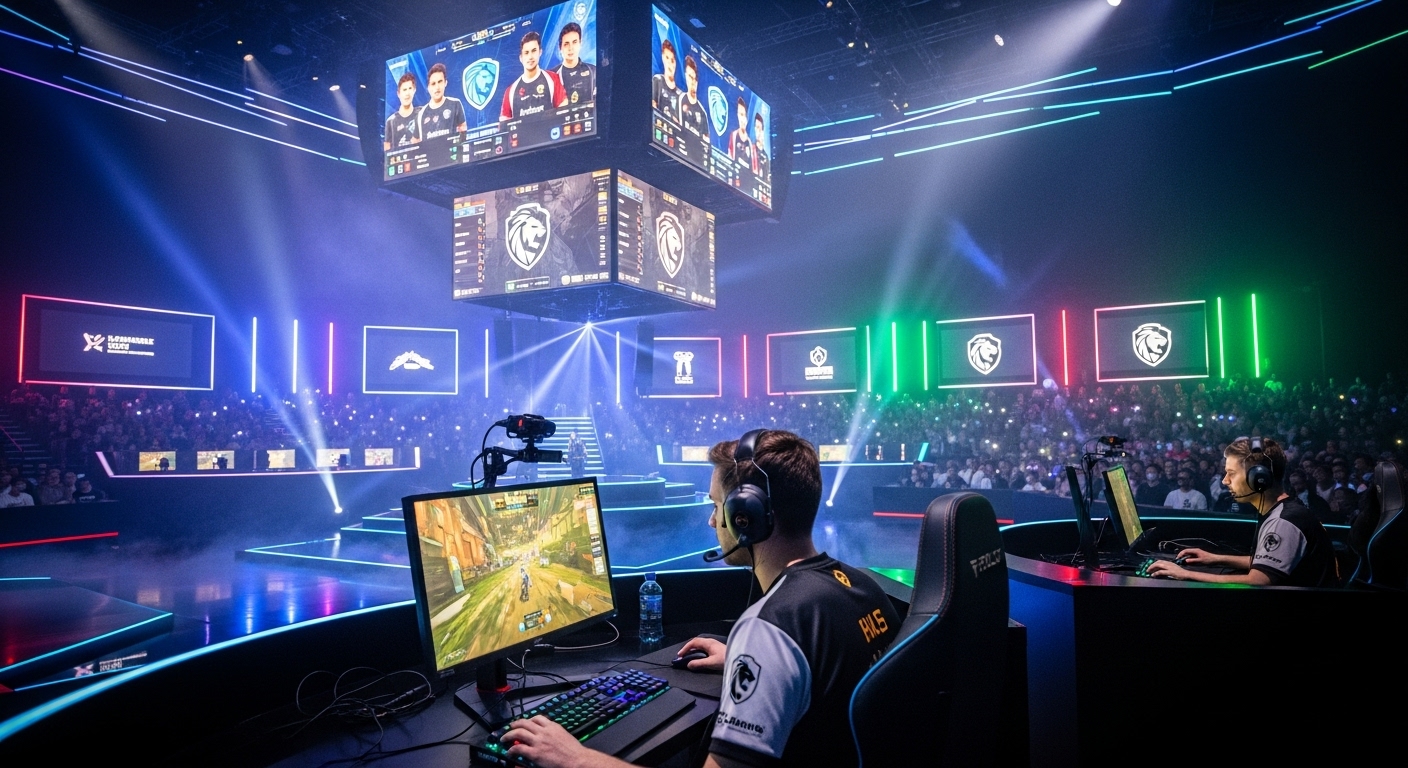
Moreover, the business side of esports has expanded rapidly. Sponsorships from global brands, merchandise sales, ticket revenue, and streaming income contribute significantly to the industry’s economy. Some esports tournaments now rival traditional sporting events in both viewership and production quality, with elaborate stage designs, commentary desks, and professional broadcasting.
The Global Esports Ecosystem
Esports has truly become a global phenomenon. Different regions have established their dominance in specific games. South Korea remains a powerhouse in games like StarCraft and League of Legends, while China boasts massive esports viewership and government-backed initiatives. North America and Europe have also cultivated thriving competitive scenes, with major organizations and investments flowing into the sector.
In Southeast Asia, esports has become a vital part of youth culture. Countries like the Philippines, Indonesia, and Thailand have produced talented teams and players who compete on the international stage. Meanwhile, the Middle East, Africa, and South America are emerging as new frontiers for esports growth, thanks to improving infrastructure and increasing accessibility.
Governments and educational institutions are recognizing esports as a legitimate career path. Universities around the world are offering scholarships for talented players, and esports management courses are being introduced to prepare students for roles in marketing, event management, and production. This recognition has given legitimacy to what was once dismissed as “just playing video games.”
Esports and Technology
Technology has played a central role in the rise of esports. The rapid advancement of internet connectivity, powerful gaming hardware, and streaming platforms has made it possible for millions of people to engage with competitive gaming simultaneously. High-refresh-rate monitors, mechanical keyboards, and optimized gaming peripherals are now standard tools of the trade.
Streaming platforms have revolutionized how audiences consume esports content. Services like Twitch and YouTube Gaming have become virtual arenas where fans watch live matches, chat with other viewers, and support their favorite players. The rise of content creators and streamers has further expanded the esports ecosystem, blending entertainment with competition.
Virtual reality and augmented reality technologies are also influencing the future of esports. These innovations promise to create more immersive experiences for both players and viewers, blurring the lines between physical and digital sports. Cloud gaming is another technological advancement that could democratize access to esports, allowing players to compete on any device without expensive hardware.
The Cultural Impact of Esports
Esports has not only changed entertainment but also influenced global culture. The sense of community, teamwork, and shared passion has united people across borders. Esports has fostered friendships, inspired careers, and provided opportunities for self-expression. It has also challenged stereotypes about gamers, proving that competitive gaming requires discipline, strategy, and mental agility.
The esports fanbase is diverse and global. Fans follow their favorite players much like traditional sports fans follow athletes. Esports personalities often serve as influencers, promoting products, charities, and positive messages. The sense of connection between players and fans is strong, largely because of the direct communication enabled by social media and streaming.
In addition, esports has inspired art, music, fashion, and even film. Game soundtracks are performed by orchestras, while collaborations between esports organizations and fashion brands have created stylish merchandise lines. Esports tournaments often feature live performances, celebrity appearances, and elaborate opening ceremonies, combining digital entertainment with real-world spectacle.
The Economic Power of Esports
The financial growth of esports is astonishing. The industry generates billions of dollars annually, fueled by sponsorships, advertising, broadcasting rights, and merchandise. Major corporations recognize the marketing potential of esports, as its audience consists primarily of tech-savvy young people—a highly valuable demographic.
Franchise-based leagues, such as the Overwatch League and the Call of Duty League, have introduced new business models, similar to traditional sports. Teams are often owned by investors who see long-term potential in esports. Prize pools continue to rise, and the number of tournaments grows each year. Some players earn six-figure salaries, not including sponsorship deals or streaming revenue.
The economic impact extends beyond players and organizations. Event organizers, production teams, broadcasters, software developers, and marketers all play vital roles in sustaining the industry. Esports arenas are being constructed worldwide, further integrating competitive gaming into urban development and tourism.
Challenges Facing Esports
Despite its success, esports faces several challenges. One of the most significant is maintaining player health and well-being. The intense training schedules and high-pressure environments can lead to burnout, stress, and repetitive strain injuries. Organizations are increasingly prioritizing mental and physical health programs for their players.
Another issue is regulation. Unlike traditional sports, esports lacks a universal governing body. Each game is owned by a company that sets its own rules and tournament structures. This can lead to inconsistencies in standards, player contracts, and dispute resolution. Establishing fair regulations while maintaining creative freedom remains an ongoing challenge.
Cheating, match-fixing, and toxic behavior are additional concerns. Developers and tournament organizers use advanced anti-cheat systems and strict codes of conduct to maintain integrity, but these problems persist in some areas. Gender inclusivity is another topic of discussion, as women in esports continue to face barriers and discrimination despite growing participation and success.
The Educational and Career Opportunities
Esports has expanded beyond playing into a wide range of career opportunities. Game designers, analysts, commentators, marketers, event managers, and coaches all contribute to the ecosystem. Educational institutions are acknowledging the potential of esports not only as a competitive field but as a gateway to careers in technology, media, and business.
Programs in esports management and production are being introduced in universities. Students learn about event organization, digital marketing, broadcasting, and team operations. The skills developed through esports—strategic thinking, leadership, communication, and teamwork—are valuable in numerous industries.
Esports is also becoming an educational tool. Teachers use gaming to engage students in subjects like mathematics, science, and history. The teamwork and problem-solving elements of gaming help develop social and cognitive skills, demonstrating that esports can be both entertaining and educational.
The Future of Esports
Looking ahead, the future of esports appears bright and full of potential. The industry is expected to continue its rapid expansion as technology evolves and global audiences grow. Mobile gaming, in particular, is emerging as a dominant force in esports, making competition even more accessible. Games like PUBG Mobile, Free Fire, and Mobile Legends have proven that players do not need expensive equipment to compete at a professional level.
The inclusion of esports in multi-sport events, such as the Asian Games, shows growing recognition from international sports organizations. There are ongoing discussions about including esports in the Olympic Games, which would further legitimize competitive gaming as a global sport.
Artificial intelligence and data analytics will play an increasing role in player training and game analysis. AI tools can identify patterns, optimize strategies, and enhance performance, providing teams with a competitive edge. Furthermore, virtual reality may lead to new genres of esports that combine physical movement with digital environments.
Conclusion
Esports has evolved from a niche hobby into a global cultural and economic powerhouse. It combines technology, creativity, competition, and community in a way that few other industries can match. The journey of esports reflects the broader story of how digital innovation can reshape human interaction and entertainment.
What began as simple games in arcades has become a movement that inspires millions, unites nations, and redefines what it means to be an athlete. Esports represents not only the future of gaming but also the evolution of sports itself. Its growth has shown that passion, skill, and technology can come together to create something truly transformative—a digital arena where everyone has the chance to compete, connect, and succeed.
The rise of esports is more than just a trend; it is a testament to how human ambition continues to evolve in the digital age. Whether you are a player, a fan, or simply a curious observer, one thing is certain—the world of esports is here to stay, and its next chapter is only just beginning.