Introduction: The New Frontier of Competition
Esports, or electronic sports, has evolved from niche hobby to global phenomenon in just a few decades. Competitive gaming now attracts millions of viewers, professional players, and sponsors worldwide, transforming the way people perceive sports and entertainment. What was once dismissed as a pastime is now a serious industry with professional leagues, massive tournaments, and prize pools rivaling traditional sports. This blog explores the rise of esports, its cultural impact, technological advancements, and what the future holds for this dynamic and growing industry.
The Origins of Esports: From Arcades to Online Arenas
The roots of competitive gaming trace back to the early 1980s, when arcade games like Pac-Man, Space Invaders, and Donkey Kong inspired friendly competition among players. Local tournaments emerged, offering small prizes and bragging rights. With the introduction of home consoles, the gaming landscape began to shift, allowing players to compete with friends and strangers beyond their local communities.
The real revolution began with the rise of the internet in the 1990s. Online multiplayer games enabled competitions across cities and countries, creating the first global gaming communities. Titles like Counter-Strike, StarCraft, and Warcraft laid the foundation for professional esports, combining skill, strategy, and teamwork in ways that traditional sports could only emulate.
Esports Today: A Thriving Global Industry
Today, esports is a multi-billion-dollar industry, encompassing a variety of games, leagues, and tournaments. Competitive games span genres, from first-person shooters and real-time strategy to sports simulations and battle royales. Each genre attracts unique audiences and cultivates specialized player skills.
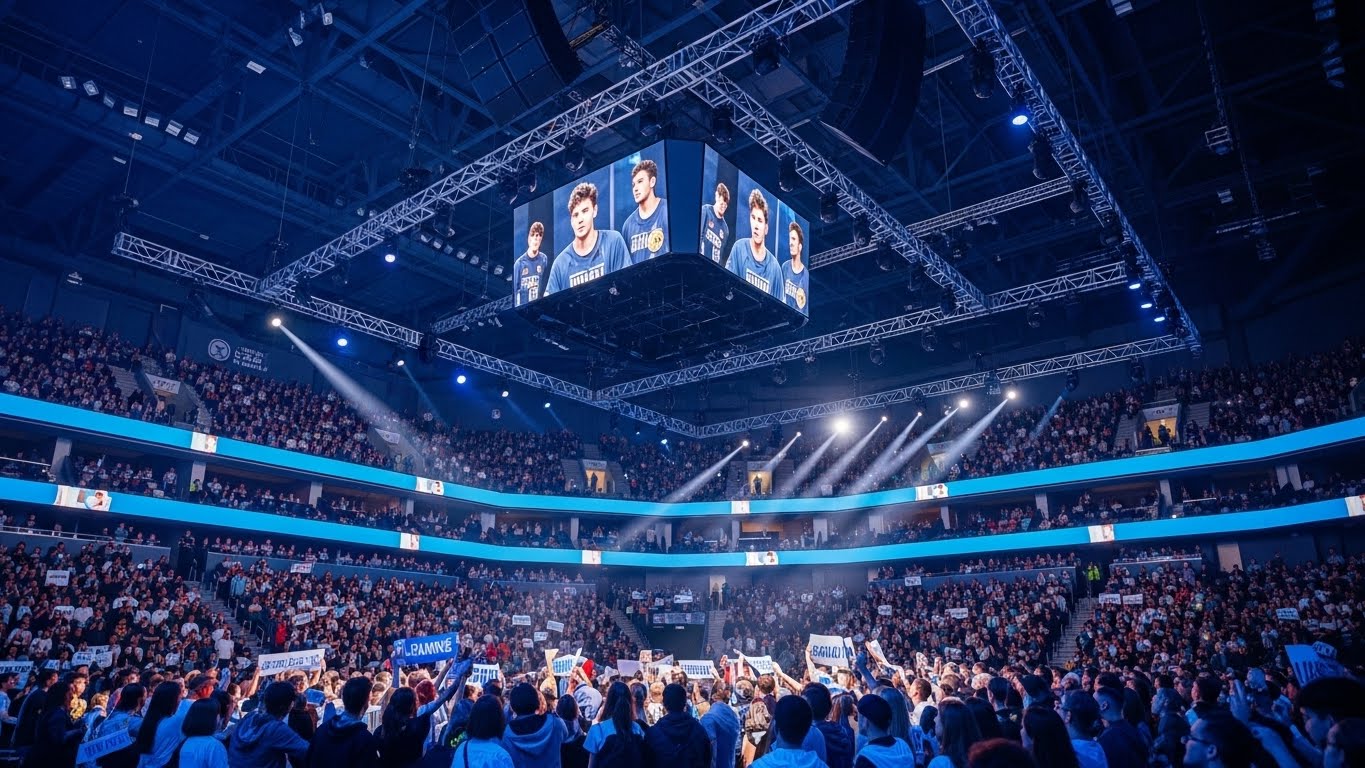
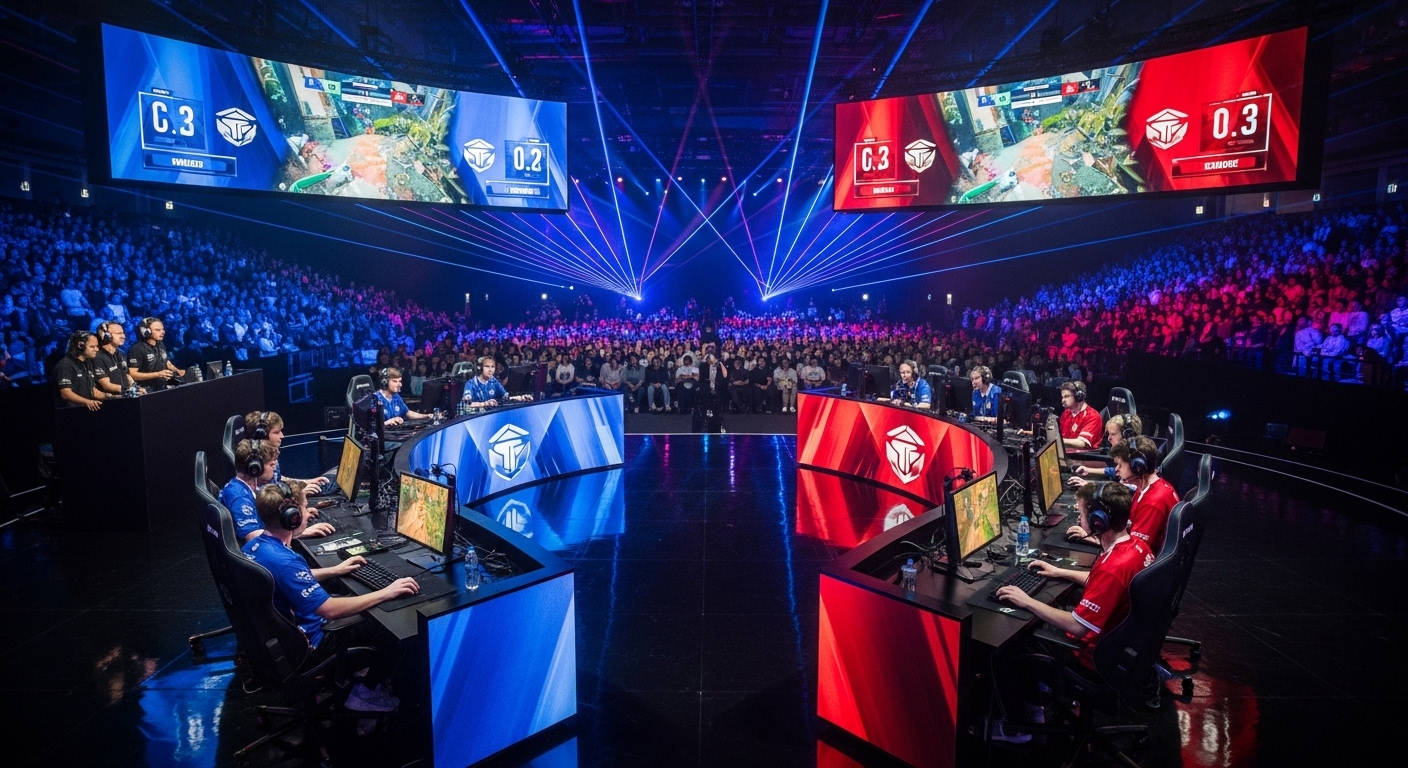
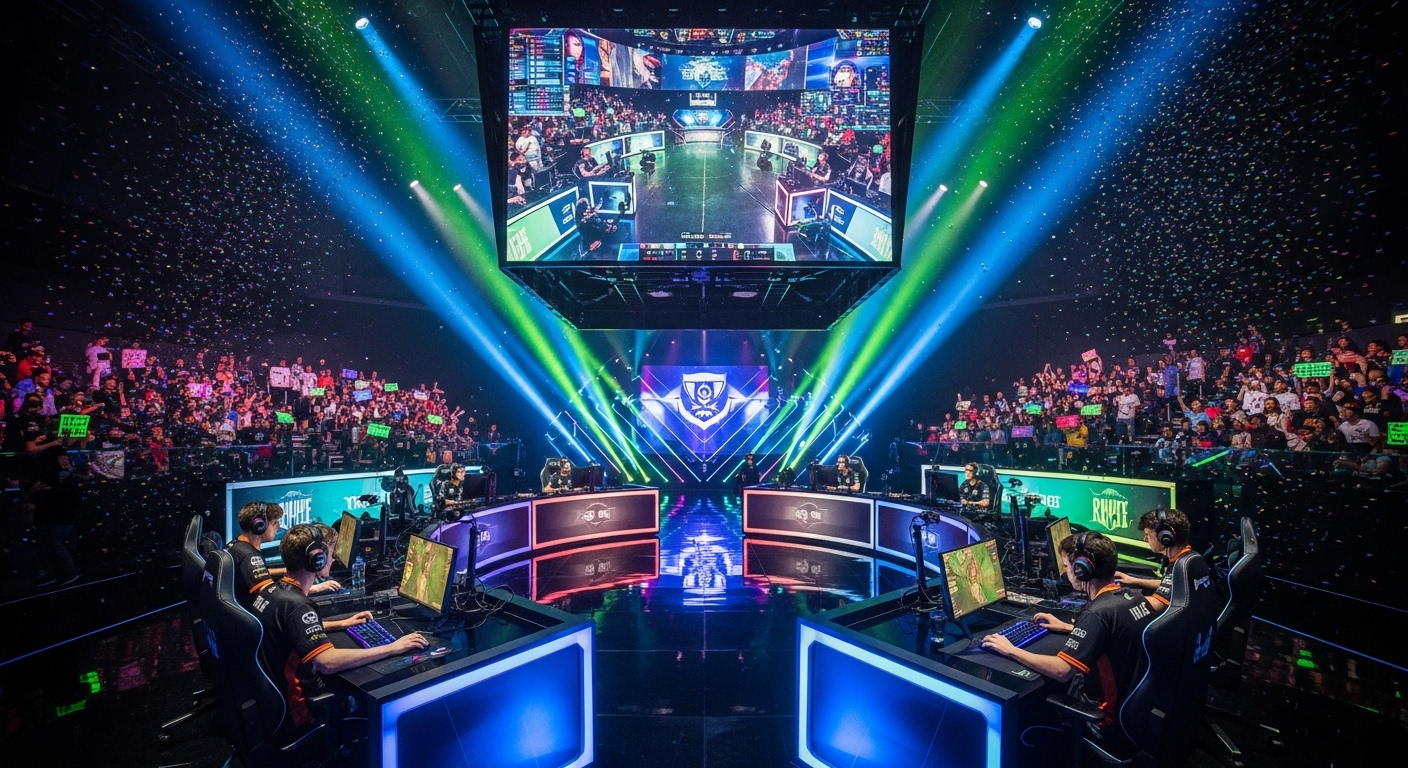
Esports tournaments have grown into grand spectacles, with live audiences, streaming broadcasts, and professional commentary. Massive events, such as world championships, attract millions of viewers online and in-person, highlighting esports’ growing popularity and legitimacy. Sponsorships from global brands further validate its cultural and economic influence, making esports an important player in modern entertainment.
Professional Players: From Gamers to Athletes
Professional esports players dedicate countless hours to training, strategy, and team coordination. Like traditional athletes, they maintain strict routines, practice regularly, and continuously analyze their performance to improve. The level of skill required is immense, as competitive games demand quick reflexes, mental agility, and flawless execution under pressure.
Esports players are also influencers and public figures, engaging with fans through live streams, social media, and content creation. This dual role as athlete and entertainer enhances their visibility and cultivates loyalty within the gaming community. Professional players’ success stories inspire young gamers worldwide, demonstrating that gaming can be both a passion and a career.
The Role of Teams and Organizations in Esports
Teams and organizations play a crucial role in professional esports. They recruit and train talent, provide resources, and manage sponsorship deals. Teams also foster a sense of identity and community, representing fans and countries in international competitions.
Esports organizations resemble traditional sports franchises, complete with coaching staff, analysts, marketing teams, and management. They focus on both performance and branding, building fanbases that extend beyond gameplay. This professional structure elevates esports to a highly organized, sustainable industry capable of long-term growth.
Streaming and Broadcasting: The New Spectator Experience
Streaming platforms have transformed esports into a spectator sport. Millions of viewers tune in to watch live matches, interact with players, and participate in global fan communities. Professional commentary, analysis, and behind-the-scenes content make esports entertaining for casual viewers and competitive enthusiasts alike.
Unlike traditional sports, esports spectatorship is highly interactive. Fans can chat with commentators, vote in polls, and follow players’ social media accounts, creating a more immersive and engaging experience. Streaming has not only expanded esports’ audience but also reshaped how people consume entertainment and connect with the gaming world.
Major Esports Games and Genres
Esports encompasses a wide range of games, each with distinct competitive dynamics. First-person shooters, such as Call of Duty and Counter-Strike, focus on precision, reflexes, and teamwork. Real-time strategy games like StarCraft test tactical planning and resource management. Multiplayer online battle arena games, including League of Legends and Dota 2, emphasize collaboration, strategy, and adaptability. Sports simulation games like FIFA and NBA 2K bring virtual versions of traditional sports to digital arenas. Battle royale games, such as Fortnite and Apex Legends, combine survival instincts with tactical execution.
Each genre appeals to different audiences and cultivates diverse competitive skills. This diversity ensures esports remains dynamic, inclusive, and continually evolving.
Esports and Cultural Impact
Esports is more than competition—it is a cultural phenomenon that influences fashion, music, social media, and youth culture. Players and teams inspire trends, create communities, and promote creativity. Esports has also become a platform for global cultural exchange, connecting fans from different countries and backgrounds through a shared passion for gaming.
Furthermore, esports challenges traditional perceptions of sports and athleticism. It highlights mental agility, strategic thinking, and precision, showing that athletic excellence extends beyond physical prowess. Esports contributes to redefining what it means to compete, excel, and inspire in the modern era.
Challenges Facing Esports
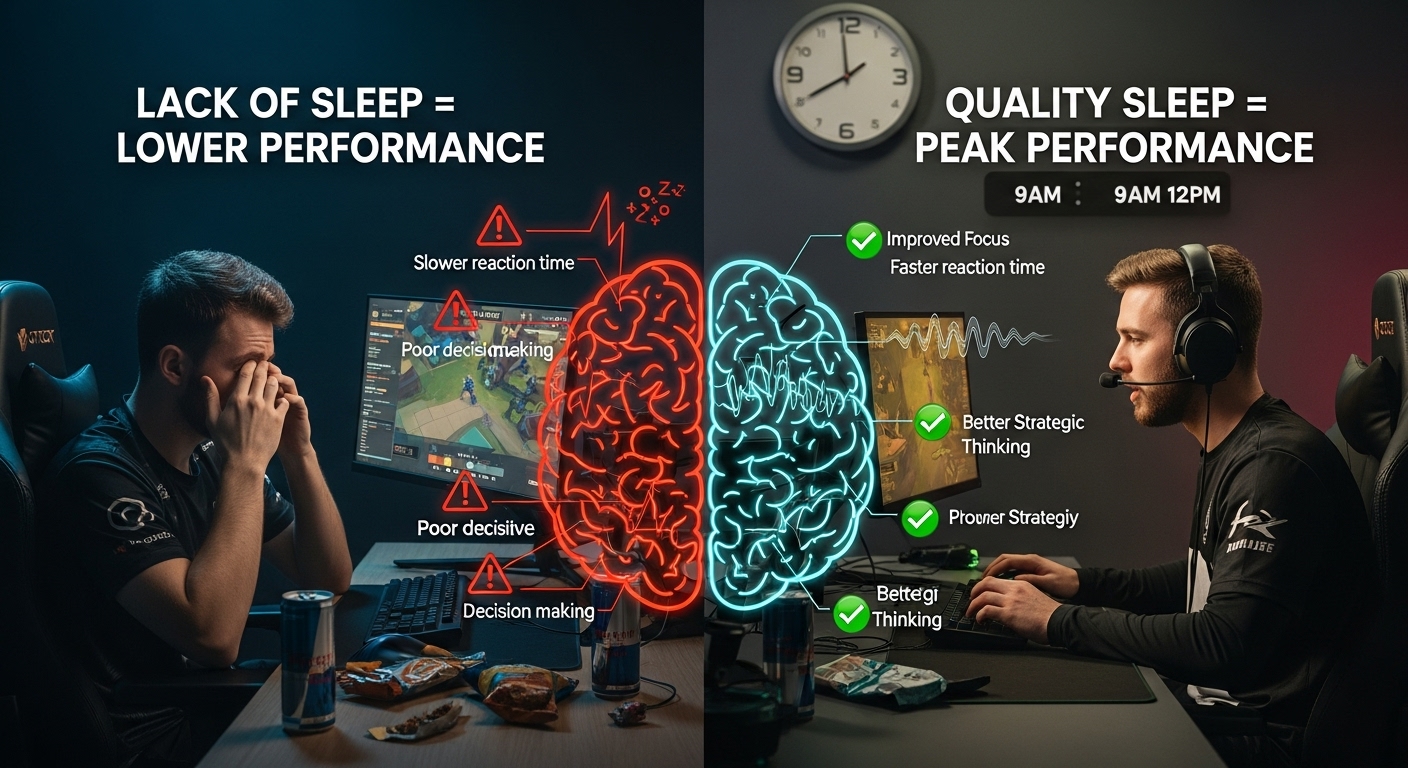
Despite its success, esports faces challenges that require careful attention. Gaming addiction and burnout are concerns, particularly for young players pursuing professional careers. Maintaining a balance between intense training and personal life is essential for mental and physical well-being.
Inclusivity and representation are also ongoing challenges. The industry has historically been dominated by certain demographics, but efforts are being made to encourage diversity among players, fans, and content creators. Ensuring accessibility for players with disabilities is another area where esports continues to make progress. Addressing these issues is crucial for the long-term sustainability and ethical growth of the industry.
The Business Side of Esports
Esports generates revenue through multiple channels, including sponsorships, merchandise, advertising, tournament tickets, and streaming partnerships. Major brands invest heavily in esports due to its young, engaged audience and global reach. Teams and leagues operate like traditional sports franchises, focusing on profitability, fan engagement, and brand building.
The financial growth of esports has also created employment opportunities beyond competitive play. Careers in event management, broadcasting, marketing, coaching, and content creation are now integral parts of the ecosystem. This expansion reinforces esports’ status as a legitimate and sustainable industry.
Education and Esports: Learning Through Gaming
Esports is increasingly recognized for its educational potential. Schools and universities have incorporated esports programs, teaching teamwork, communication, problem-solving, and strategic thinking. Academic scholarships for esports athletes provide opportunities for personal growth and career development.
In addition to skill development, esports encourages technological literacy. Players learn about software, hardware, and online platforms, preparing them for careers in technology and digital media. The intersection of education and esports demonstrates that gaming can be both entertaining and intellectually enriching.
Esports in the Global Context
Esports has a worldwide presence, with regional differences in game popularity, competitive style, and fan engagement. Asia, particularly South Korea and China, has been a pioneering hub for esports, establishing professional leagues and fostering a culture of competitive gaming. North America and Europe have also developed robust esports ecosystems, producing internationally recognized teams and tournaments.
Globalization of esports encourages cross-cultural collaboration and competition. International tournaments bring together diverse players and audiences, fostering mutual understanding and shared enthusiasm. Esports has truly become a global language, connecting people across borders through play.
The Future of Esports
The future of esports is bright and full of possibilities. Emerging technologies such as virtual reality, augmented reality, and artificial intelligence will create new forms of competition and immersive experiences. Esports may further integrate with traditional sports, entertainment, and education, expanding its reach and impact.
As the industry matures, professionalization, inclusivity, and sustainability will remain key priorities. Esports is poised to continue its growth, inspiring players, entertaining fans, and shaping the cultural landscape of the 21st century.
Conclusion: Esports as a Cultural and Competitive Phenomenon
Esports has transcended its origins to become a major cultural and competitive force. It combines skill, strategy, creativity, and community, appealing to players and fans alike. From local tournaments to global championships, esports celebrates human ingenuity and passion in a digital age. As technology advances and the industry continues to evolve, esports will remain at the forefront of entertainment, offering endless opportunities for competition, connection, and inspiration.