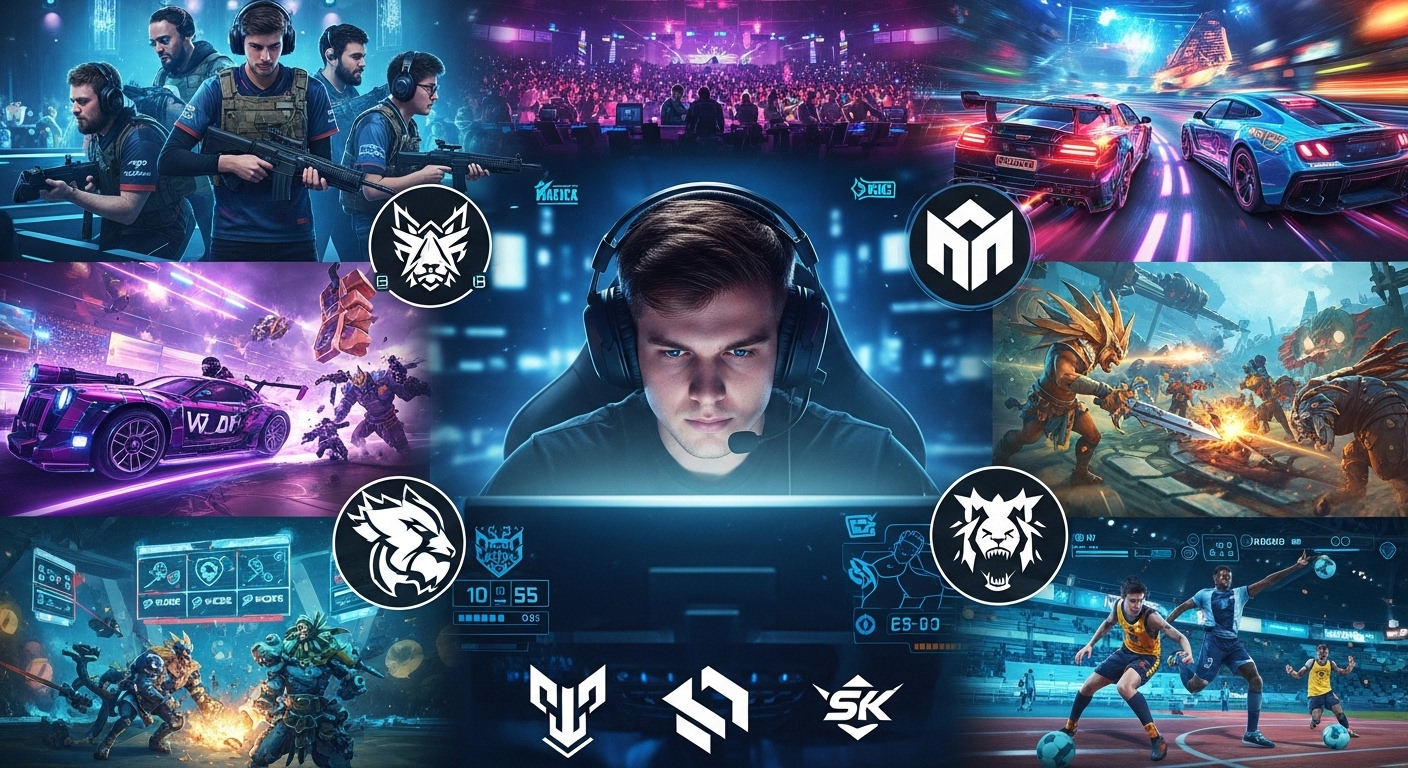
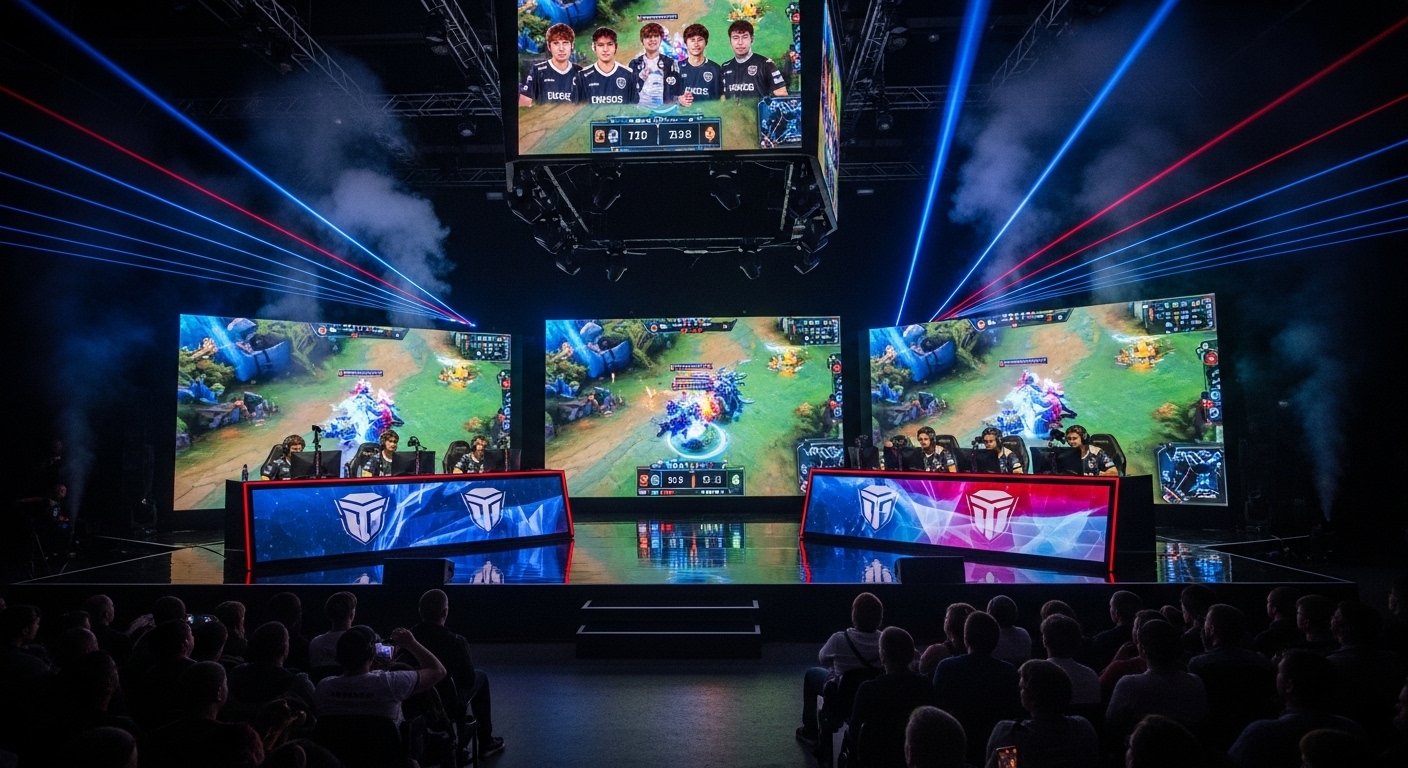
Esports has rapidly evolved from a niche hobby into a global cultural phenomenon. What was once casual gaming has transformed into a professional industry, attracting millions of fans, players, and sponsors worldwide. Today, esports represents a blend of skill, strategy, technology, and entertainment that rivals traditional sports in scale and impact.
The Origins of Esports
Competitive gaming has existed in some form since the early days of video games. In the late 20th century, tournaments for titles like “Pac-Man” and “Space Invaders” allowed players to test their skills against one another. These small-scale competitions laid the foundation for today’s professional esports scene. Over the years, the industry has expanded from local arcades to international arenas with massive audiences.
The Growth of Competitive Gaming
In the past decade, esports has experienced unprecedented growth. Online streaming platforms have made it easy for fans to watch live tournaments, interact with players, and engage with communities worldwide. Games such as “League of Legends,” “Dota 2,” and “Counter-Strike: Global Offensive” have become household names, with tournaments offering prize pools that rival traditional sports championships.
Careers in Esports
Esports is no longer limited to playing games professionally. The industry offers a wide range of career opportunities, including coaching, event management, broadcasting, content creation, and analytics. Professional players can earn substantial incomes through tournament winnings, sponsorships, and streaming, while supporting roles provide careers that sustain the competitive ecosystem.
The Social Impact of Esports
Esports has fostered a new form of global community. Multiplayer online games encourage teamwork, strategy, and communication among players from different backgrounds. Fans connect with each other through streaming platforms, forums, and social media, creating vibrant networks of shared passion. Esports also promotes inclusivity by allowing players to compete regardless of physical ability, gender, or location.
Technology Driving Esports
Technology is at the core of esports’ success. High-performance hardware, fast internet, and advanced gaming peripherals enable competitive play at elite levels. Analytics tools and artificial intelligence help players improve strategies and performance. Emerging technologies like virtual reality and augmented reality promise to make esports even more immersive and engaging for players and fans alike.
The Future of Esports
The future of esports is bright and full of potential. As technology evolves and mobile and virtual platforms expand, esports will reach wider audiences than ever. Professional leagues, global tournaments, and sponsorships will continue to grow, making competitive gaming a mainstream form of entertainment and career. The industry is poised to shape the future of digital sports, culture, and media.
Conclusion
Esports is more than just gaming—it is a professional, cultural, and technological phenomenon. It combines skill, strategy, entertainment, and community in ways that traditional sports can scarcely match. As esports continues to grow, it not only entertains millions worldwide but also opens new opportunities for players, creators, and fans alike. Competitive gaming has arrived, and its influence will continue to expand in the years to come.