Introduction: The Rise of Esports
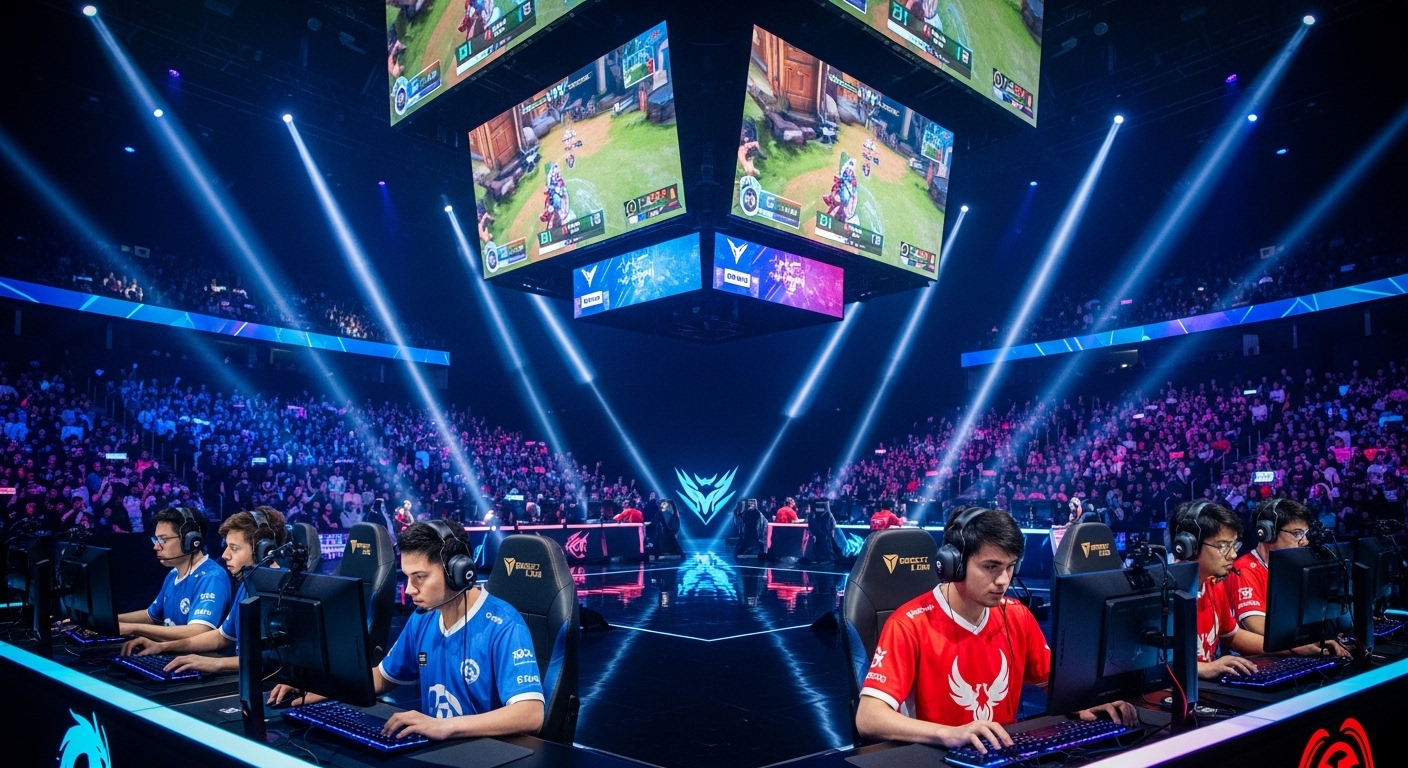
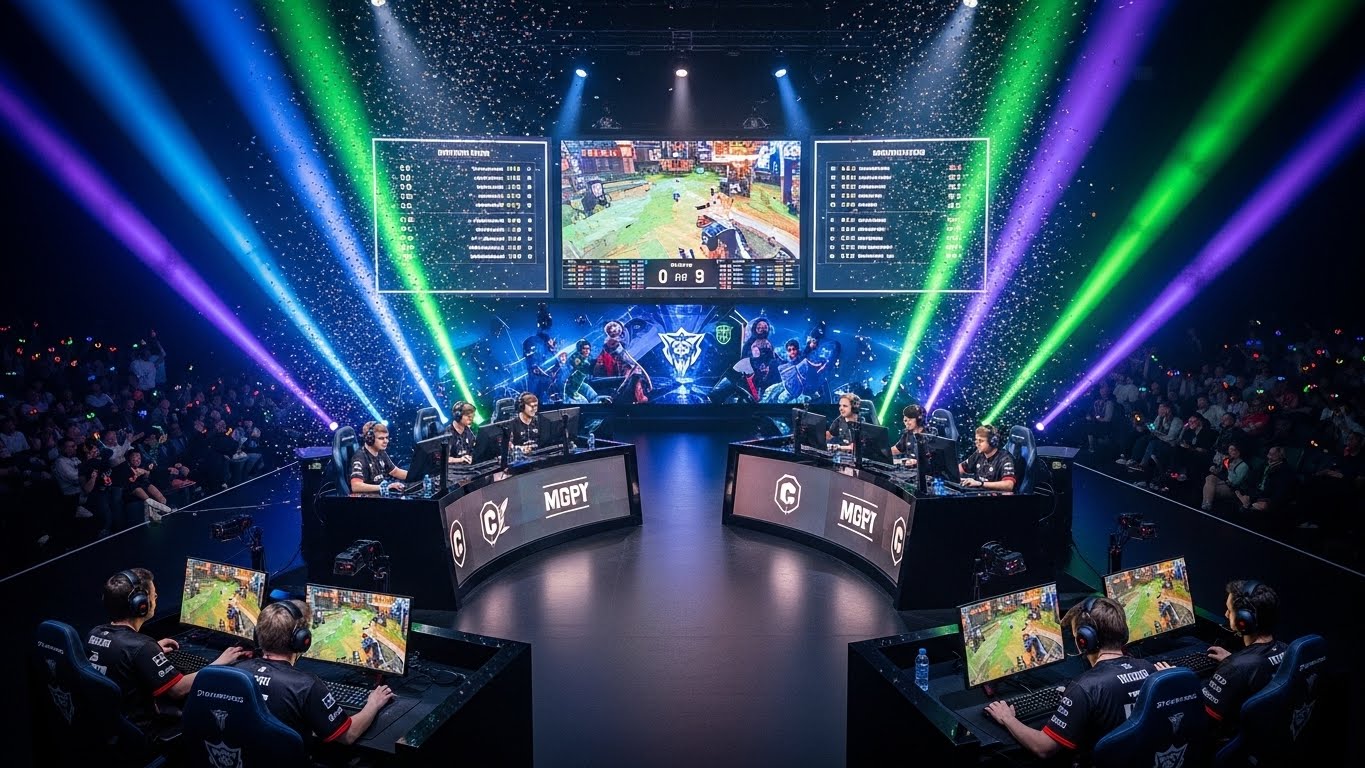
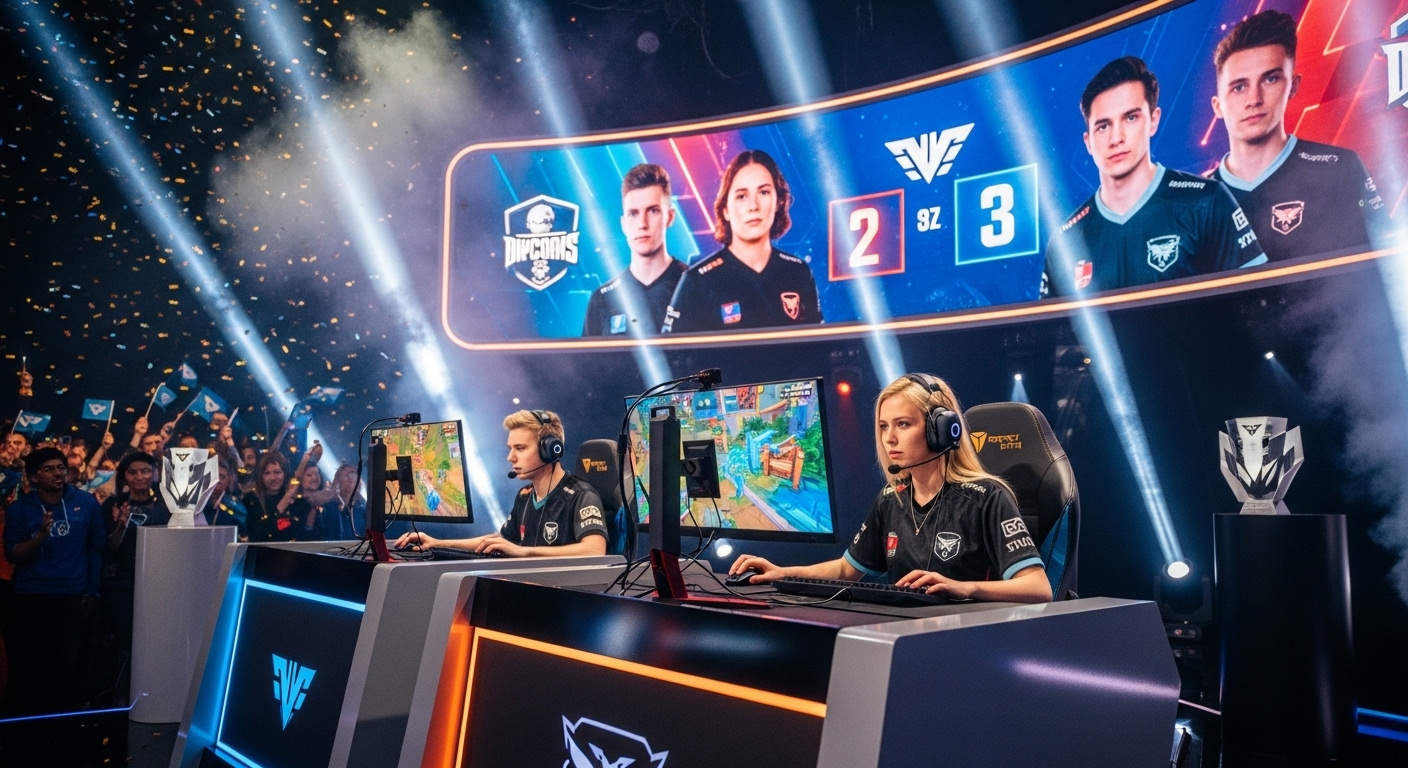
Esports, or competitive gaming, has evolved from a niche hobby into a global phenomenon. What once was considered just casual video gaming is now a professional arena attracting millions of viewers worldwide. With massive tournaments, large prize pools, and professional teams, esports has become a legitimate career path and a mainstream form of entertainment.
The Growth of the Industry
The esports industry has grown at an astonishing rate. Tournaments like the League of Legends World Championship and Dota 2’s The International draw audiences comparable to traditional sports events. Revenue streams include sponsorships, merchandise, ticket sales, and broadcasting rights. This rapid expansion has transformed esports into a billion-dollar industry and continues to attract investors, media, and fans.
Popular Games in Esports
Several games dominate the competitive scene, each offering unique experiences. MOBAs like League of Legends and Dota 2 test strategy and teamwork. First-person shooters such as Counter-Strike: Global Offensive and Call of Duty focus on precision and quick reflexes. Meanwhile, battle royale games like Fortnite and Apex Legends combine survival tactics with fast-paced action. These games provide a diverse landscape for professional competition.
Technology and Streaming
Technology has been a key driver in esports’ success. High-speed internet, advanced gaming hardware, and live-streaming platforms allow players to compete globally and fans to watch from anywhere. Streaming platforms also help players build personal brands, creating opportunities beyond just playing professionally. The integration of virtual and augmented reality hints at a future of even more immersive competitions.
Impact on Youth and Society
Esports has significantly influenced youth culture. Many young players aspire to become professionals, streamers, or analysts. The competitive environment promotes critical thinking, teamwork, and communication skills. However, it also raises concerns regarding excessive screen time and physical well-being, highlighting the importance of balance.
Challenges Facing Esports
Despite its growth, esports faces several challenges. Player burnout, lack of standard regulations, and issues with fair play remain concerns. Smaller teams often struggle financially, while dominant games and established organizations receive most attention and resources. Addressing these challenges is crucial for the sustainable growth of the industry.
The Future of Competitive Gaming
The future of esports is promising. Emerging technologies, cross-platform tournaments, and global accessibility will continue to expand its reach. As esports gains wider cultural acceptance, it could one day rival traditional sports in popularity, influence, and professional recognition.
Conclusion
Esports has transcended the realm of casual gaming to become a major global entertainment industry. Its influence on technology, culture, and career opportunities is profound. While challenges exist, the growth and evolution of esports signal a vibrant future where competitive gaming is recognized as both a sport and a cultural movement.