Introduction: From Pixels to Glory
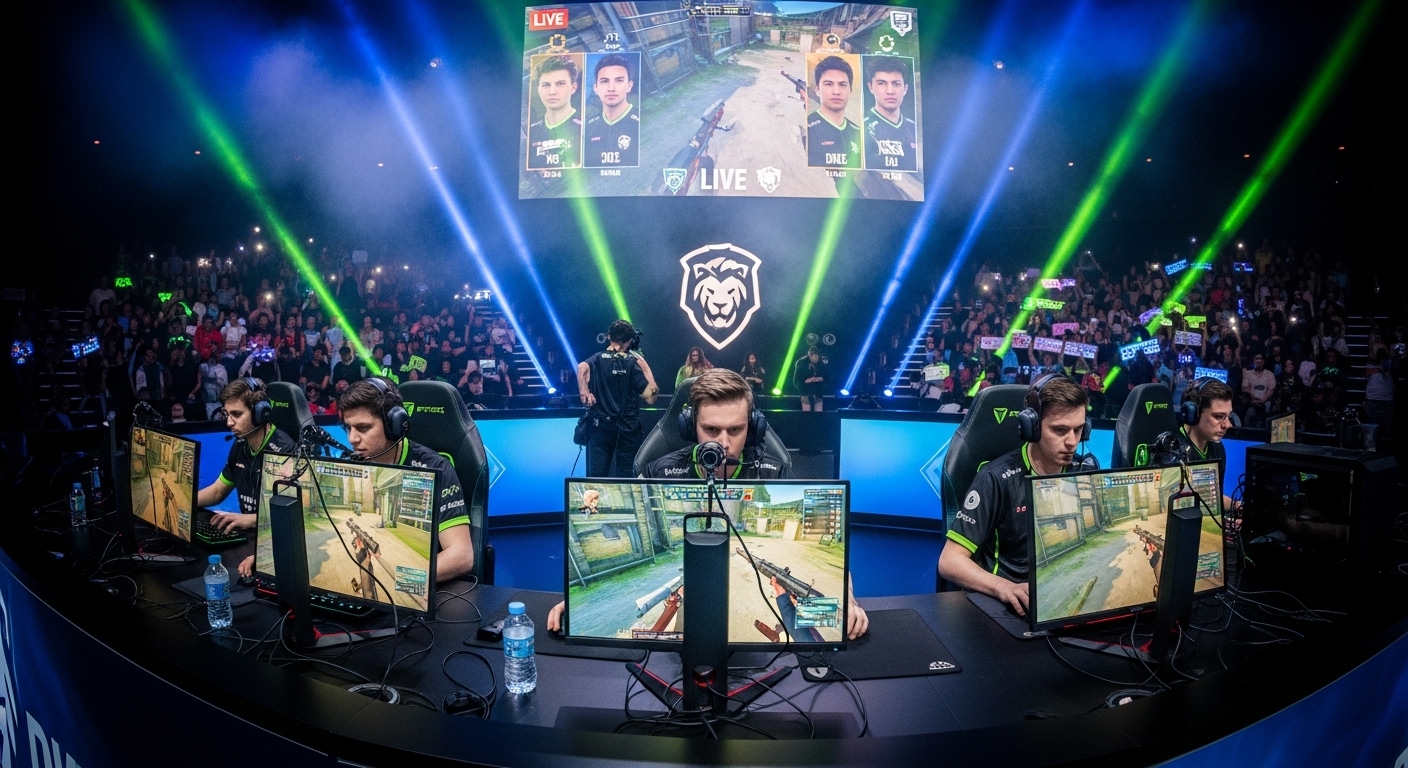
The concept of sports has traditionally been associated with physical endurance, stadiums filled with cheering crowds, and athletes pushing their bodies to the limit. However, over the last two decades, a new form of competition has emerged, redefining the meaning of sports in the digital era. Esports, or electronic sports, has grown from casual gaming into a global phenomenon where skill, strategy, and teamwork reign supreme. What was once considered a niche hobby is now a multi-billion-dollar industry, attracting millions of viewers worldwide and creating professional careers comparable to those in traditional sports.
The Birth of Esports
Esports did not appear overnight. Its origins can be traced back to the early 1970s when a group of students at Stanford University hosted one of the first-known video game competitions using the game “Spacewar.” Participants competed for small prizes, but this event planted the seed of competitive gaming.
In the 1980s, arcade games like “Pac-Man” and “Donkey Kong” popularized gaming competitions through high-score leaderboards. The 1990s introduced home consoles and local multiplayer tournaments, particularly in genres such as fighting games and real-time strategy. As the internet became more accessible, competitive gaming expanded internationally, with titles like “StarCraft,” “Counter-Strike,” and “Warcraft III” creating early professional scenes, especially in South Korea, which quickly became a hub for esports excellence.
Esports in the Mainstream
The 2010s marked a turning point for esports as it entered mainstream culture. The rise of live-streaming platforms allowed millions of fans to watch professional matches in real-time, transforming esports from a niche interest into a global entertainment powerhouse. Games such as “League of Legends,” “Dota 2,” “Overwatch,” and “Fortnite” became more than entertainment—they became spectacles with professional leagues, massive tournaments, and enormous prize pools.
Tournaments such as the League of Legends World Championship attract audiences comparable to major traditional sports events, while Dota 2’s The International routinely offers prize pools exceeding tens of millions of dollars. The accessibility of esports is one of its defining traits. Unlike traditional sports, esports requires only a gaming device, an internet connection, and dedication. This opens doors for players worldwide, irrespective of physical constraints or geographic limitations.
The Structure of Competitive Esports
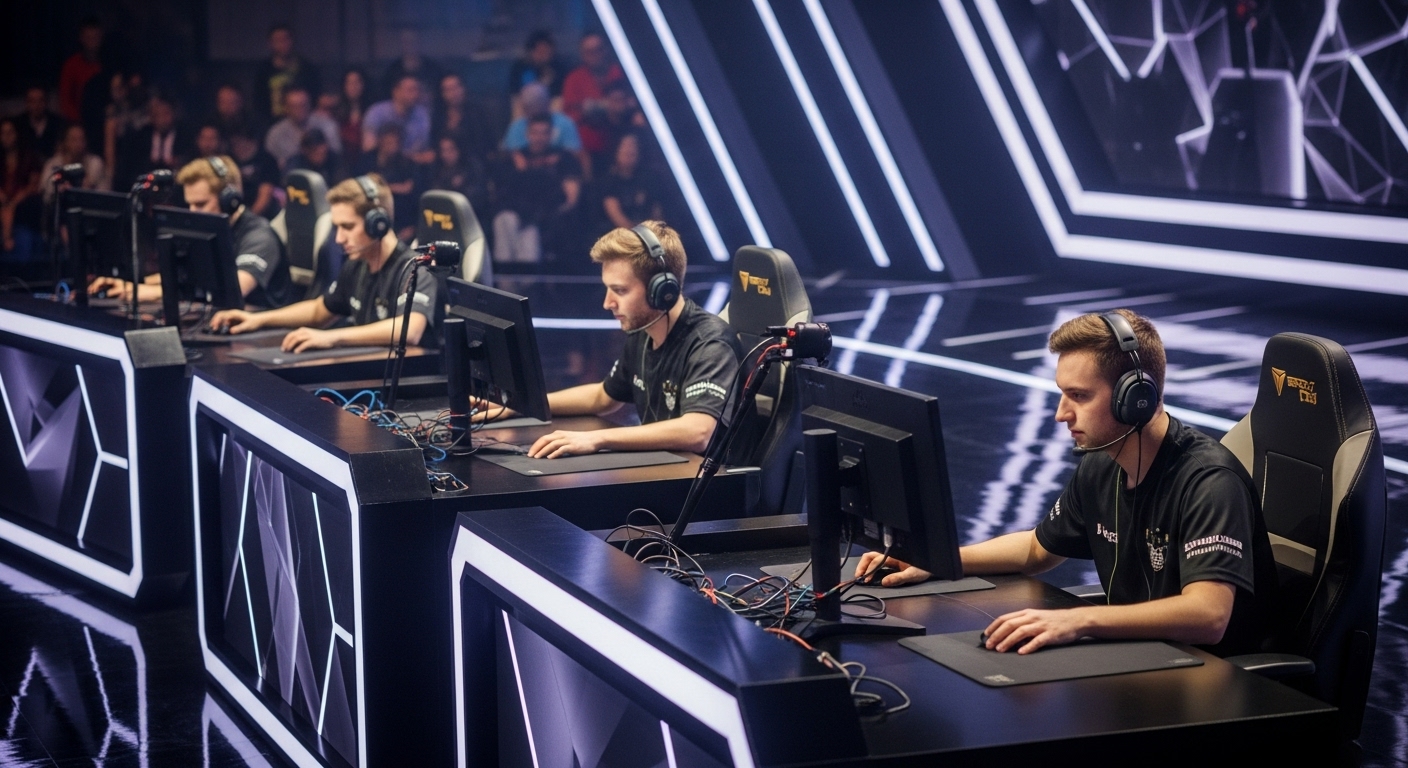
Professional esports follows an organized structure similar to traditional sports. Teams and players participate in leagues, tournaments, and seasonal competitions. Each game has its own ecosystem, including governing rules, tournaments, and professional circuits.
Esports organizations such as Team Liquid, Cloud9, Fnatic, and T1 operate like traditional sports franchises. They manage player contracts, sponsorships, coaching staff, and training regimens. Players adhere to strict practice schedules and strategic planning sessions to maintain peak performance.
Competitions differ depending on the game. Some operate on seasonal leagues where teams earn points over months, while others focus on independent high-stakes tournaments. Rankings and performance impact a player’s career trajectory, sponsorship opportunities, and earning potential.
Technology as the Backbone of Esports
Technology has been instrumental in shaping the esports industry. High-speed internet, powerful gaming devices, and advanced graphics systems enable competitive gaming on a global scale. Streaming platforms allow millions to watch live matches while interacting with players and other fans through chat features.
Emerging technologies such as virtual reality and augmented reality promise to further revolutionize esports, creating immersive experiences for both players and spectators. Cloud gaming has reduced the barrier to entry by enabling high-quality gameplay on less powerful devices, while artificial intelligence assists in training, analyzing strategies, and improving player performance.
Mobile esports has emerged as a massive segment, particularly in regions like South Asia and Latin America. Games like “PUBG Mobile” and “Mobile Legends” have millions of competitive players, bringing gaming and esports to audiences who may not have access to traditional PC or console setups.
The Economics of Esports
Esports is no longer just about competition; it is a thriving industry. Revenue streams include sponsorships, media rights, advertising, merchandise, ticket sales, and event hosting. Major brands from various sectors sponsor esports tournaments, players, and teams, recognizing the marketing potential to younger demographics.
The growth of esports betting and fantasy leagues mirrors developments in traditional sports, creating additional revenue opportunities. Universities and colleges now offer esports scholarships, reflecting the increasing legitimacy of esports as a career path. Organizations invest in training facilities, coaching staff, and wellness programs to support players, demonstrating how seriously esports is now taken as a professional endeavor.
Educational Opportunities Through Esports
Esports is not just entertainment—it is an educational tool. Schools and universities are increasingly incorporating esports programs to teach skills such as teamwork, strategic thinking, communication, and leadership. Students can gain experience in event management, broadcasting, marketing, and game design while participating in competitive gaming.
Dedicated esports programs offer professional coaching, access to arenas, and academic support. These programs not only nurture players but also prepare them for careers within the gaming industry, including roles as analysts, broadcasters, and developers. This integration of esports into education signifies a shift in societal attitudes toward gaming as a productive and career-oriented pursuit.
Physical and Mental Demands of Esports
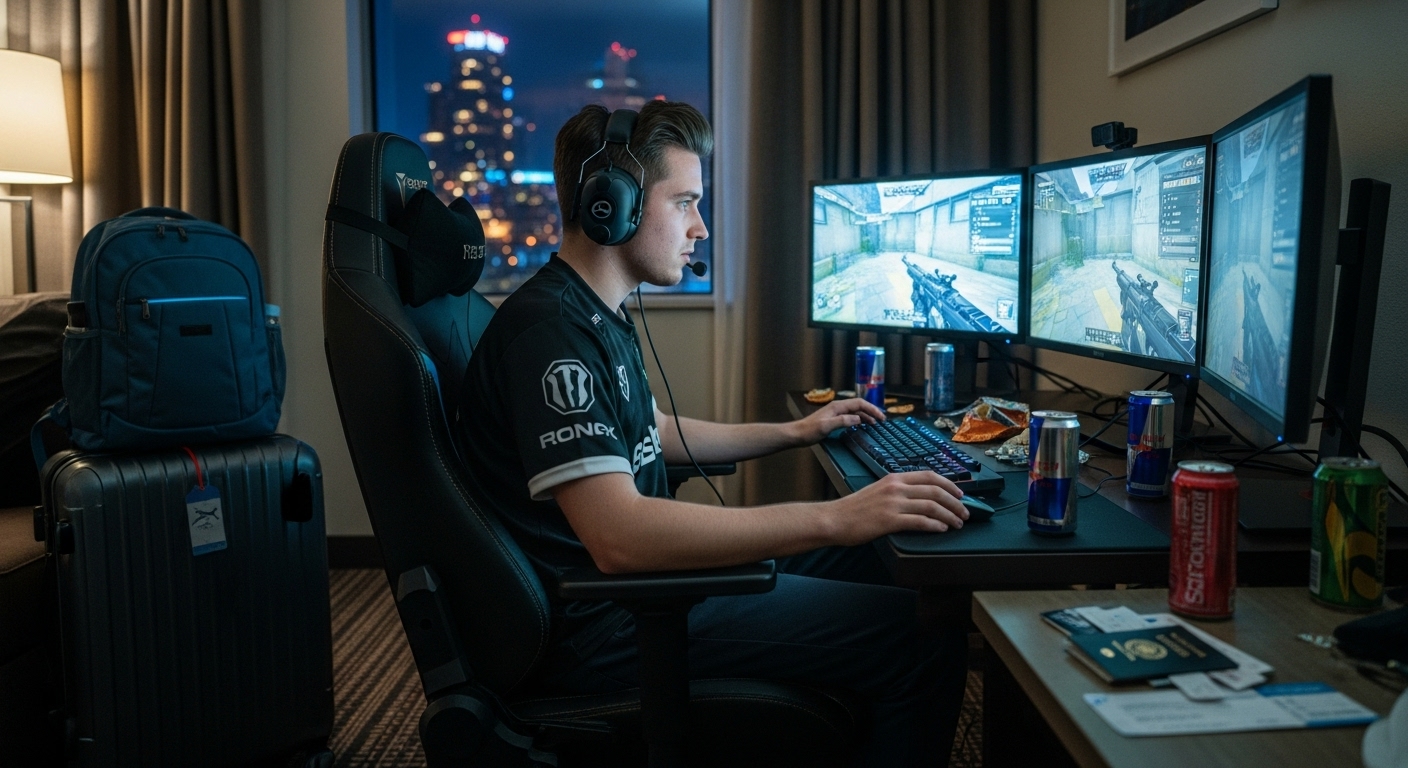
Although esports does not require the same physical exertion as traditional sports, it demands immense mental focus and agility. Professional players often practice for hours daily, developing reflexes, precision, and teamwork skills under high-pressure conditions.
The lifestyle also presents challenges. Long hours in front of screens can lead to eye strain, repetitive stress injuries, and mental burnout. To address this, many esports organizations emphasize wellness programs, including physical exercise routines, proper nutrition, and psychological support. Maintaining mental resilience and balanced living is crucial for sustained success in competitive gaming.
Esports as a Global Cultural Phenomenon
Esports has transcended competition to become a global cultural movement. Fans interact in online communities, create content, and follow players as influencers. Cosplay, fan art, music performances, and interactive events have become integral to major tournaments, creating an experience that extends beyond the game itself.
Esports has also contributed to increased diversity and inclusion. Women, differently-abled gamers, and players from underrepresented regions are gaining recognition, helping the community become more inclusive. The global reach of esports fosters cultural exchange and connects people across continents, creating shared experiences unlike any other sport.
Challenges Facing Esports
Despite its rapid growth, esports faces significant challenges. Player burnout, inconsistent tournament regulations, and the threat of cheating or match-fixing are ongoing concerns. The industry’s reliance on private game publishers also creates instability. If a publisher stops supporting a game, the professional scene can collapse.
To address these issues, the esports industry is exploring regulatory frameworks, player associations, and international standards to ensure fair competition, transparency, and sustainability. These efforts aim to stabilize the ecosystem and protect both players and investors.
The Future of Esports
The future of esports appears promising. Analysts predict continued growth in audience size, revenue, and technological innovation. Integration of virtual reality, artificial intelligence, and cloud gaming will enhance the immersive experience, making esports even more engaging.
Esports is increasingly gaining recognition as a legitimate sporting endeavor. Demonstration events in international sports competitions, government investments, and university programs indicate that esports is here to stay. Innovations such as virtual stadiums may redefine fan experiences, allowing spectators to attend matches in immersive digital environments from anywhere in the world.
Conclusion: Esports as a Modern Phenomenon
Esports has evolved from small gaming gatherings into a global entertainment and professional ecosystem. It combines skill, strategy, technology, and culture, reshaping traditional notions of sports and competition. Players, fans, and organizations are all part of a digital revolution that reflects the changing landscape of entertainment in the twenty-first century.
In a world dominated by technology, esports exemplifies how human creativity and digital innovation can intersect to produce new forms of competition, community, and culture. The journey of esports has only just begun, and its influence will continue to grow, inspiring generations of players and fans worldwide.