Introduction
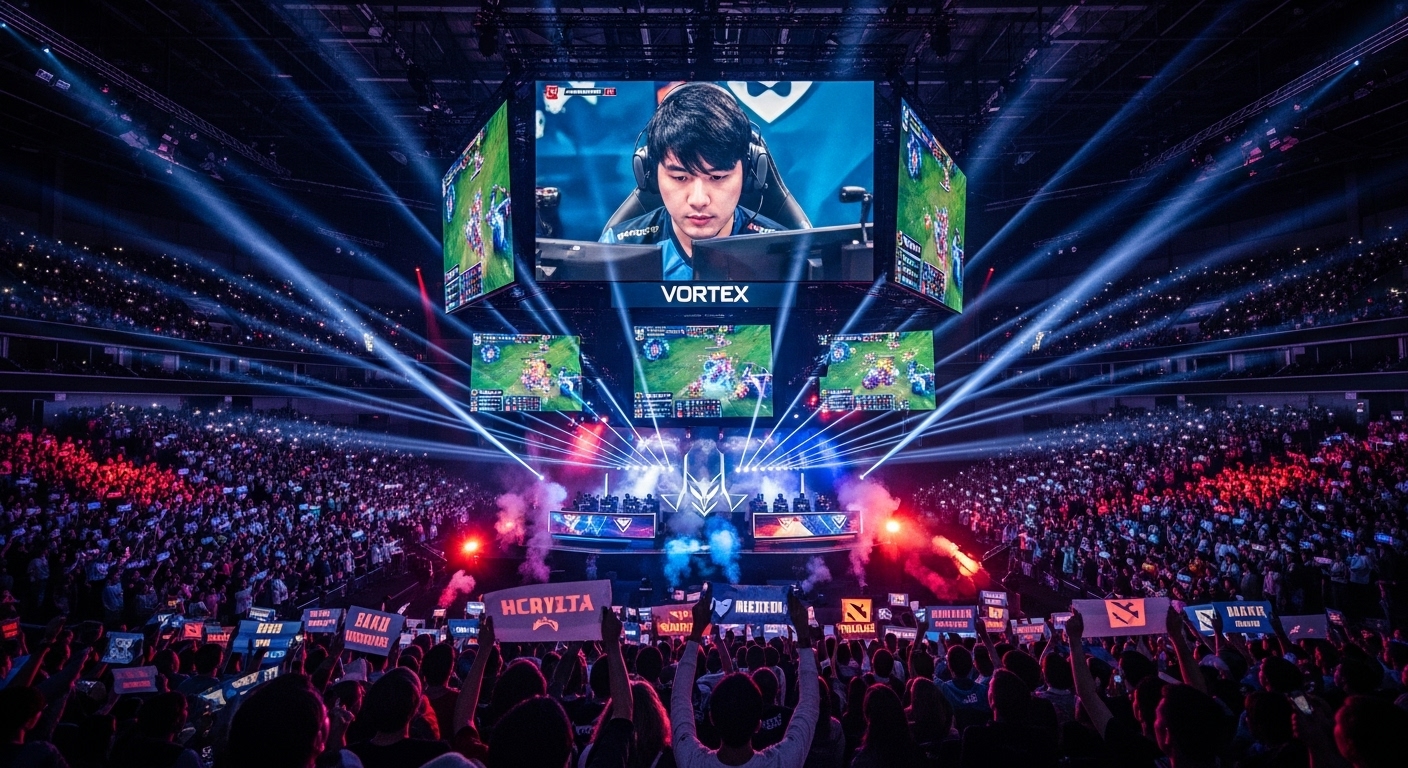
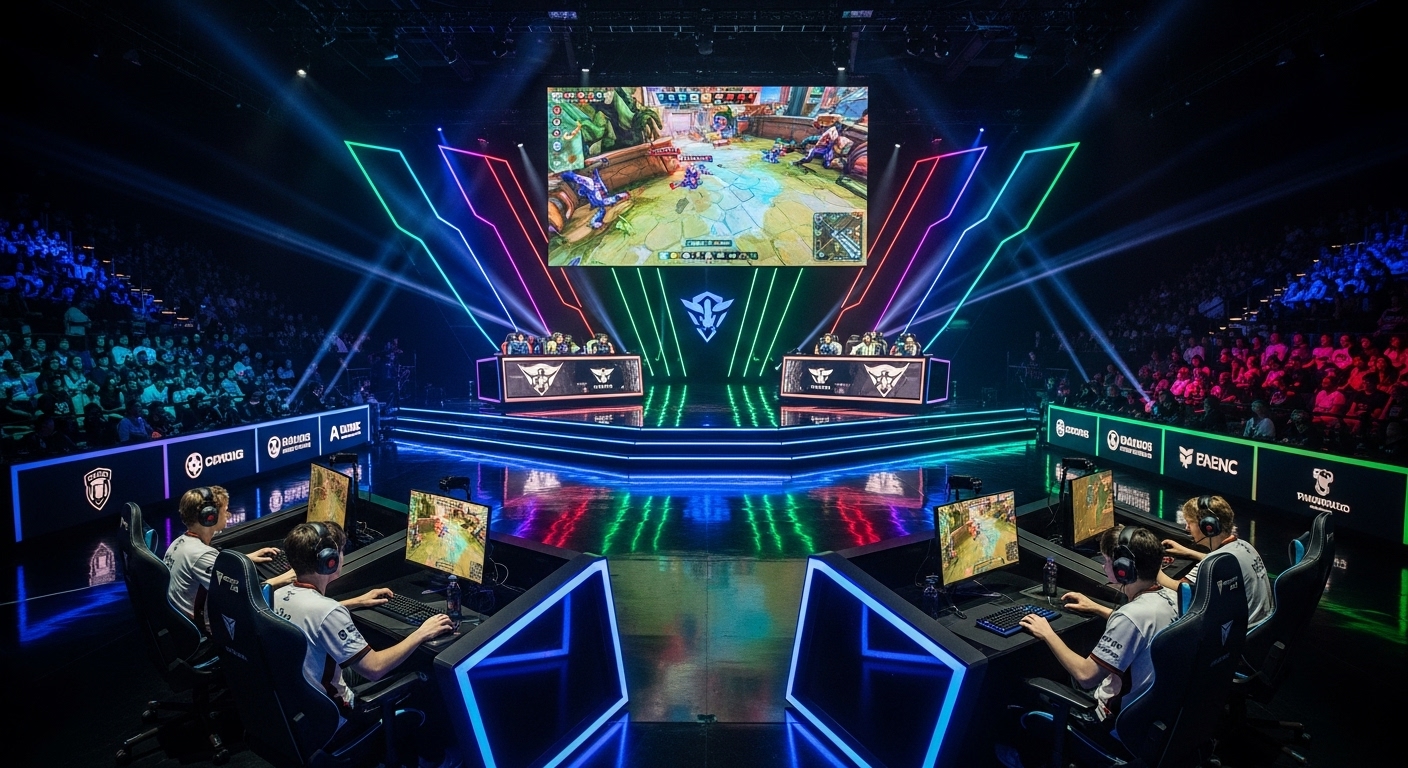
Esports, or competitive video gaming, has emerged as one of the fastest-growing industries in the world, transforming the way people engage with games, entertainment, and even professional careers. What was once considered a niche hobby for enthusiasts has evolved into a global phenomenon, drawing millions of players and spectators, offering career opportunities, and reshaping the entertainment landscape. With international tournaments, professional teams, and sponsorship deals rivaling traditional sports, esports has firmly established itself as a legitimate competitive arena. This blog explores the rise of esports, its cultural and economic impact, and why it is shaping the future of entertainment and sports alike.
The Evolution of Esports
Esports has a long history that dates back several decades. Early competitive gaming emerged in the 1970s and 1980s with arcade games and home consoles, where players competed for high scores. The 1980s Space Invaders Championship is often cited as one of the first organized gaming competitions. During the 1990s, the rise of multiplayer games like StarCraft, Counter-Strike, and Warcraft introduced more complex forms of competitive play, leading to local and international tournaments.
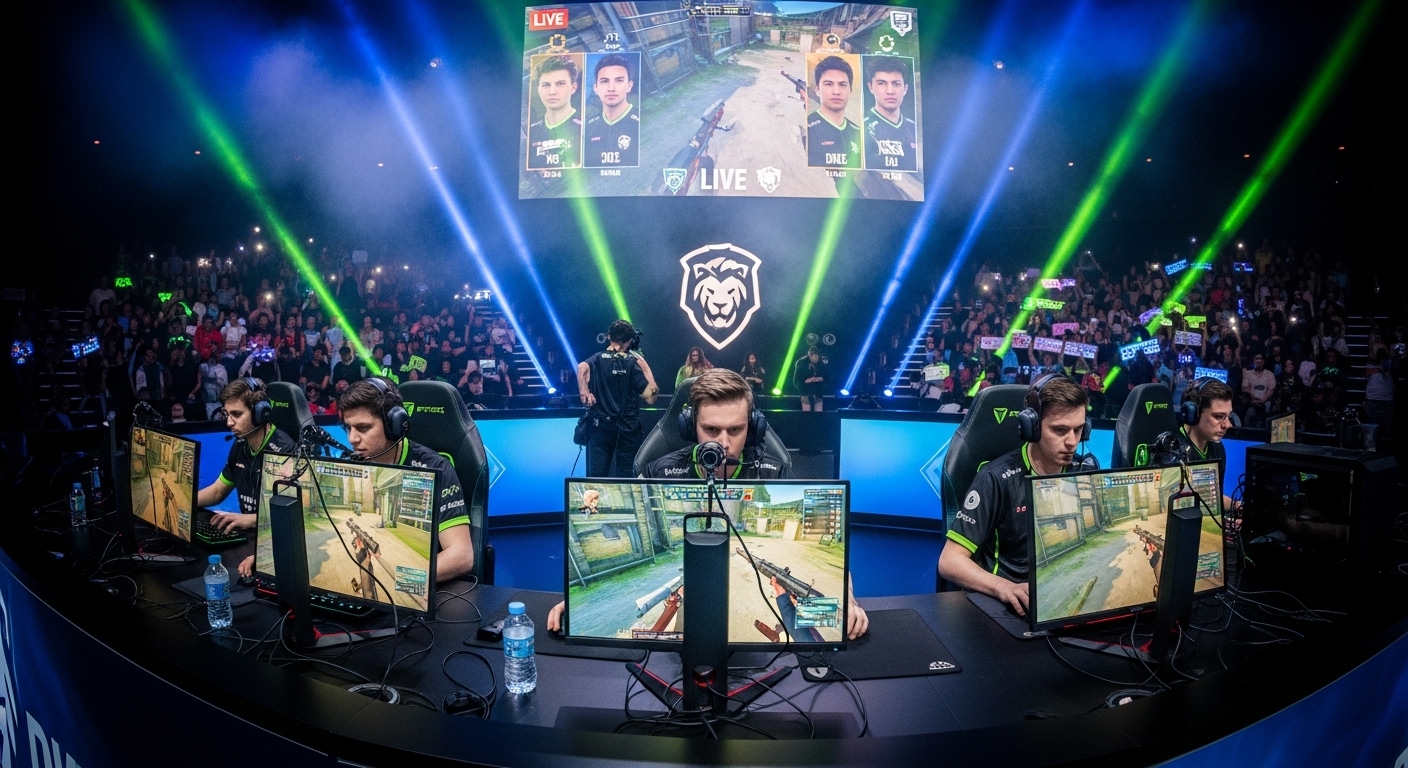
The real revolution began in the 2000s with the proliferation of high-speed internet and online multiplayer platforms. Gamers could now connect across countries, participate in leagues, and stream matches to audiences worldwide. Today, esports is a billion-dollar industry with professional teams, full-time players, coaches, analysts, and millions of fans following tournaments and streams globally.
The Global Impact of Esports
One of the most unique aspects of esports is its global reach. Unlike traditional sports, esports does not require physical infrastructure or specific geographical conditions. Players from Asia, Europe, the Americas, and beyond can compete on equal footing through online platforms. Countries like South Korea, China, and the United States have become esports hubs, hosting major tournaments and producing world-class players.
Esports tournaments, such as international championships and world cups, attract millions of viewers worldwide. Spectators engage in live chats, fan forums, and social media discussions, creating a sense of community across cultures and borders. This global appeal has helped esports break down barriers, unite people through a shared passion, and create cultural connections that transcend traditional sports.
The Cognitive and Physical Benefits of Esports
While esports is primarily digital, it still requires remarkable mental agility and physical coordination. Competitive gaming demands quick reflexes, precise hand-eye coordination, multitasking, and strategic thinking. Players must analyze situations rapidly, adapt to opponents’ tactics, and make split-second decisions. These skills translate into improved problem-solving abilities, enhanced memory, and heightened cognitive processing.
Professional esports players also recognize the importance of physical fitness. Maintaining physical health supports better mental focus, faster reaction times, and sustained concentration during intense matches. Many esports professionals incorporate exercise, nutrition, and proper rest into their routines, demonstrating that competitive gaming is not purely sedentary and requires holistic preparation.
Economic Significance of Esports
Esports has grown into a multibillion-dollar industry, with revenue streams from sponsorships, advertising, merchandise, ticketed events, and media rights. Professional players earn salaries, tournament prizes, and endorsement deals, making esports a viable career option for talented individuals. Leading organizations operate much like traditional sports franchises, employing managers, coaches, analysts, and marketing teams to support players and grow their brand.
The industry also creates opportunities beyond professional play. Streamers, content creators, commentators, event organizers, and technology developers all contribute to the ecosystem. Gaming hardware manufacturers, software companies, and media platforms thrive in tandem with esports’ expansion. This economic influence demonstrates how esports has evolved into a sophisticated and highly lucrative sector.
Esports and Education
Education and esports are increasingly intersecting. Schools and universities are recognizing the educational value of competitive gaming, establishing esports programs and offering scholarships to talented players. Participation in esports teaches students teamwork, leadership, communication, and time management—skills applicable both inside and outside the gaming world.
Esports programs in educational institutions also promote digital literacy and technology skills. Students gain hands-on experience with game development, media production, marketing, and event management. By integrating esports into education, schools prepare students for emerging career paths while fostering engagement and learning through interactive and exciting experiences.
Community and Social Connection
Esports fosters a strong sense of community and belonging. Online platforms allow players to connect with teammates, mentors, and fans, forming networks of support and collaboration. Spectators and players alike share a common passion, exchanging strategies, insights, and experiences. Competitive events often cultivate camaraderie, with fans participating in discussions, creating fan art, and celebrating achievements collectively.
For many individuals, esports provides a safe and inclusive space. Unlike traditional sports, esports levels the playing field, focusing on skill and strategy rather than physical attributes. People of different genders, abilities, and backgrounds can participate, making esports an accessible and socially inclusive form of competition.
Challenges in Esports
Despite its growth, esports faces several challenges. Mental health and burnout are pressing concerns for professional players who endure long training hours, intense competition, and constant public scrutiny. Ensuring a balance between gaming, personal life, and physical health is crucial for sustainability.
Ethical concerns such as cheating, hacking, and online harassment also affect the integrity of esports. Organizations must implement strict regulations, fair play policies, and secure platforms to maintain credibility. Access and inclusivity remain issues as high-performance hardware, reliable internet, and gaming peripherals are necessary for competitive play, potentially limiting participation for some aspiring players.
The Future of Esports
The future of esports is dynamic and promising. Advances in technology, including virtual reality, cloud gaming, and artificial intelligence, are set to transform competitive gaming experiences. New game genres and interactive platforms will expand participation opportunities for players and engagement for fans.
Esports is increasingly integrated into mainstream culture, education, and professional sectors. Organizations are investing in youth programs, wellness initiatives, and international collaborations to ensure the industry grows sustainably. As esports continues to gain recognition, it will likely become an integral part of global entertainment, education, and career pathways.
Esports as a Cultural Phenomenon
Beyond competition, esports has become a cultural phenomenon. It influences fashion, music, lifestyle, and social media trends. Popular players and teams have substantial followings, shaping fan culture and inspiring the next generation of gamers. Esports also encourages creativity, as fans produce content, design game-related art, and develop mods or strategies that enhance the gaming experience.
The cultural impact of esports extends to mainstream media, with coverage in television broadcasts, documentaries, and online publications. This integration into popular culture reinforces its legitimacy as a modern form of entertainment and community engagement.
Conclusion
Esports is more than digital competition—it is a transformative force in the world of entertainment, education, and global culture. It has evolved from humble beginnings into a billion-dollar industry, connecting millions of players and fans worldwide. Esports promotes cognitive development, social connection, teamwork, and career opportunities, challenging misconceptions about gaming as purely recreational.
As technology continues to advance, esports will become increasingly immersive, inclusive, and influential. It is reshaping how society perceives competition, skill, and professional achievement. Whether you are a player, fan, or aspiring professional, esports offers opportunities for growth, connection, and engagement like no other platform. The rise of esports is not just a trend; it is a defining aspect of modern culture, shaping the future of entertainment and competition for generations to come.