
Introduction: The Emergence of Esports
In recent years, the world of entertainment has witnessed a revolution unlike any other. Competitive gaming, commonly known as esports, has evolved from a niche hobby into a global phenomenon. What once began as friendly video game competitions among friends has grown into a professional ecosystem with millions of players, dedicated fans, and multi-million-dollar tournaments. Esports blends skill, strategy, teamwork, and technology in a way that traditional sports rarely achieve. This blog explores the rise of esports, its professional framework, cultural and economic impact, challenges, and its potential to transform entertainment and society.
The Origins of Competitive Gaming
The roots of esports trace back to the early 1980s. Events such as the Space Invaders Championship in 1980 marked one of the first large-scale organized gaming competitions. During this era, arcade games and early console systems allowed players to test their skills against one another, sparking the idea that gaming could be more than just leisure.
Throughout the 1990s, competitive gaming evolved with the advent of personal computers and multiplayer games. Titles like StarCraft, Quake, and Counter-Strike laid the foundation for professional esports. These early games required precise skills, strategy, and quick decision-making, traits that remain essential in modern competitive gaming. By the 2000s, tournaments with live audiences and online broadcasts began to attract attention from sponsors and the media, signaling the birth of esports as a legitimate industry.
The Professional Esports Ecosystem
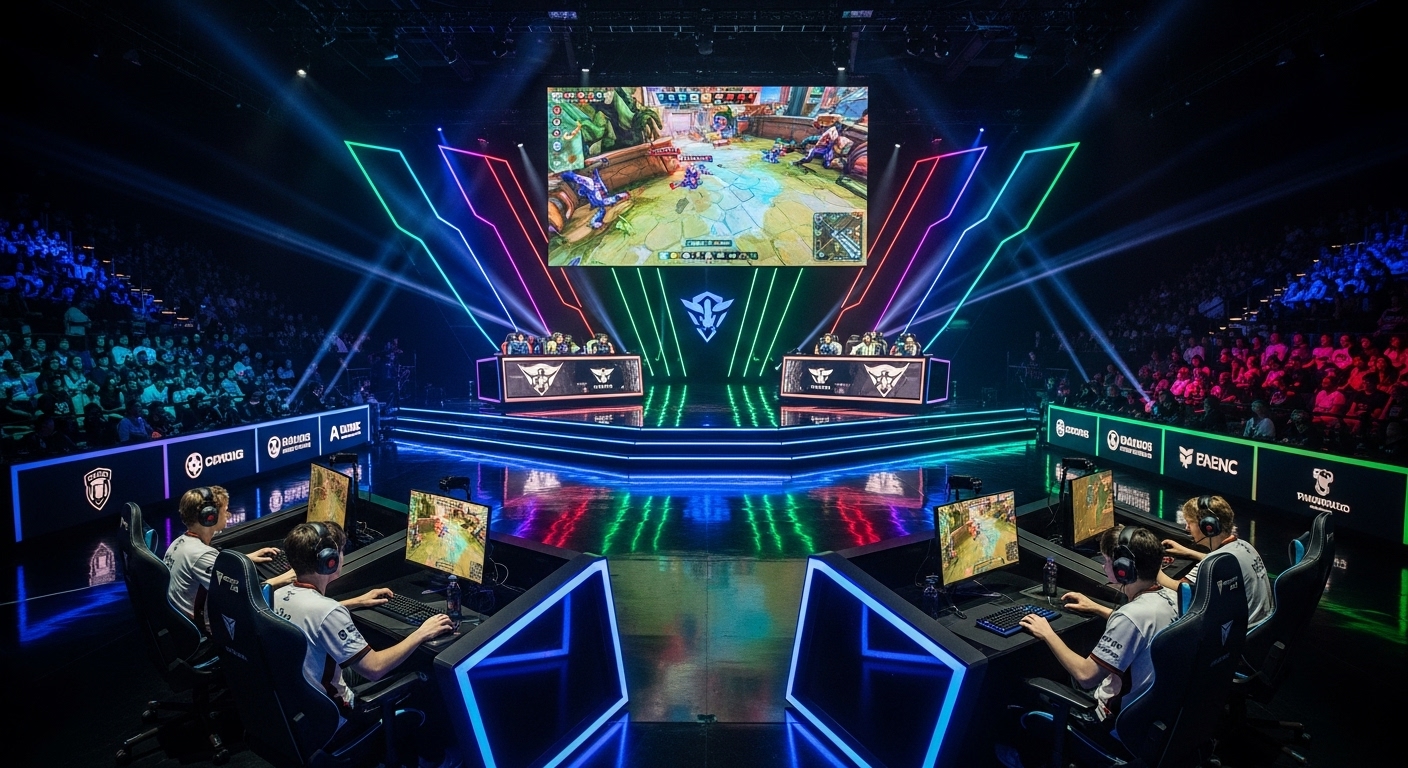
Today, esports is a highly structured industry. Professional players often join teams or organizations that provide coaching, strategy development, fitness programs, and mental health support. These teams compete in leagues, tournaments, and championships with structured schedules and rigorous training regimens, similar to traditional sports teams.
Sponsorships, brand endorsements, and tournament winnings offer substantial earnings for top players. In addition to gaming skills, professionalism, communication, and media presence are critical for success. Universities have even started offering esports scholarships, recognizing gaming as a discipline that develops teamwork, leadership, and analytical thinking. The professional ecosystem continues to grow as more organizations, investors, and institutions recognize the value of competitive gaming.
Popular Esports Genres and Games
Esports encompasses a wide range of game genres, each with its own competitive scene and fanbase. Multiplayer online battle arena games, or MOBAs, like League of Legends and Dota 2, emphasize strategy, teamwork, and rapid decision-making. First-person shooters, including Counter-Strike: Global Offensive and Call of Duty, require precision, reflexes, and situational awareness.
Battle royale games, such as Fortnite and Apex Legends, test survival skills and adaptability under pressure. Sports simulation games, including FIFA and NBA 2K, attract traditional sports fans into the esports sphere. Each genre contributes to the diversity of the esports ecosystem, allowing players and fans with different interests to find their niche.
The Role of Streaming Platforms
Streaming platforms have been instrumental in the global rise of esports. Platforms like Twitch, YouTube Gaming, and Facebook Gaming allow fans to watch live matches, interact with players, and participate in a dynamic community. Streamers have become influential figures, combining gaming expertise with entertainment, personality, and audience engagement.
Streaming has also democratized esports. Amateur players can broadcast their gameplay to a global audience, participate in online competitions, and even attract sponsorships. This accessibility has widened the talent pool and created opportunities for individuals worldwide to pursue esports professionally, reinforcing the global and inclusive nature of competitive gaming.
Esports and Global Culture
Esports has become a cultural phenomenon that transcends national boundaries. International tournaments bring together players from different continents, fostering collaboration, competition, and cultural exchange. Fans from across the globe follow these events, creating communities united by shared passion and enthusiasm.
Esports also reflects broader trends in modern culture, including digital connectivity, online interaction, and the blending of entertainment with technology. It has influenced fashion, music, and social media, becoming a lifestyle for millions of fans. The cultural impact of esports is evident in how gaming terminology, memes, and trends permeate mainstream society.
Economic Impact of Esports
The esports industry has developed into a multi-billion-dollar global market. Tournament prize pools often reach millions of dollars, while sponsorships and media rights provide ongoing revenue streams. Professional teams operate as businesses, managing players, merchandise, content creation, and partnerships.
Esports also fuels economic activity beyond the game itself. Hardware manufacturers, software developers, event organizers, and marketing agencies benefit from the growing industry. Cities hosting major tournaments experience increased tourism, media coverage, and business opportunities. The economic significance of esports highlights its potential as a major contributor to global entertainment markets.
Youth and Esports
Esports has become increasingly popular among younger generations. Gaming provides a platform for social interaction, competition, and skill development. Participating in esports teaches focus, problem-solving, time management, and teamwork.
Educational institutions are beginning to recognize these benefits, integrating esports into programs and offering scholarships to talented players. Schools and colleges organize tournaments and clubs, fostering community and providing structured pathways for aspiring professional gamers. Early involvement in esports can cultivate discipline, leadership, and strategic thinking, valuable both inside and outside the gaming world.
Health and Wellbeing in Esports
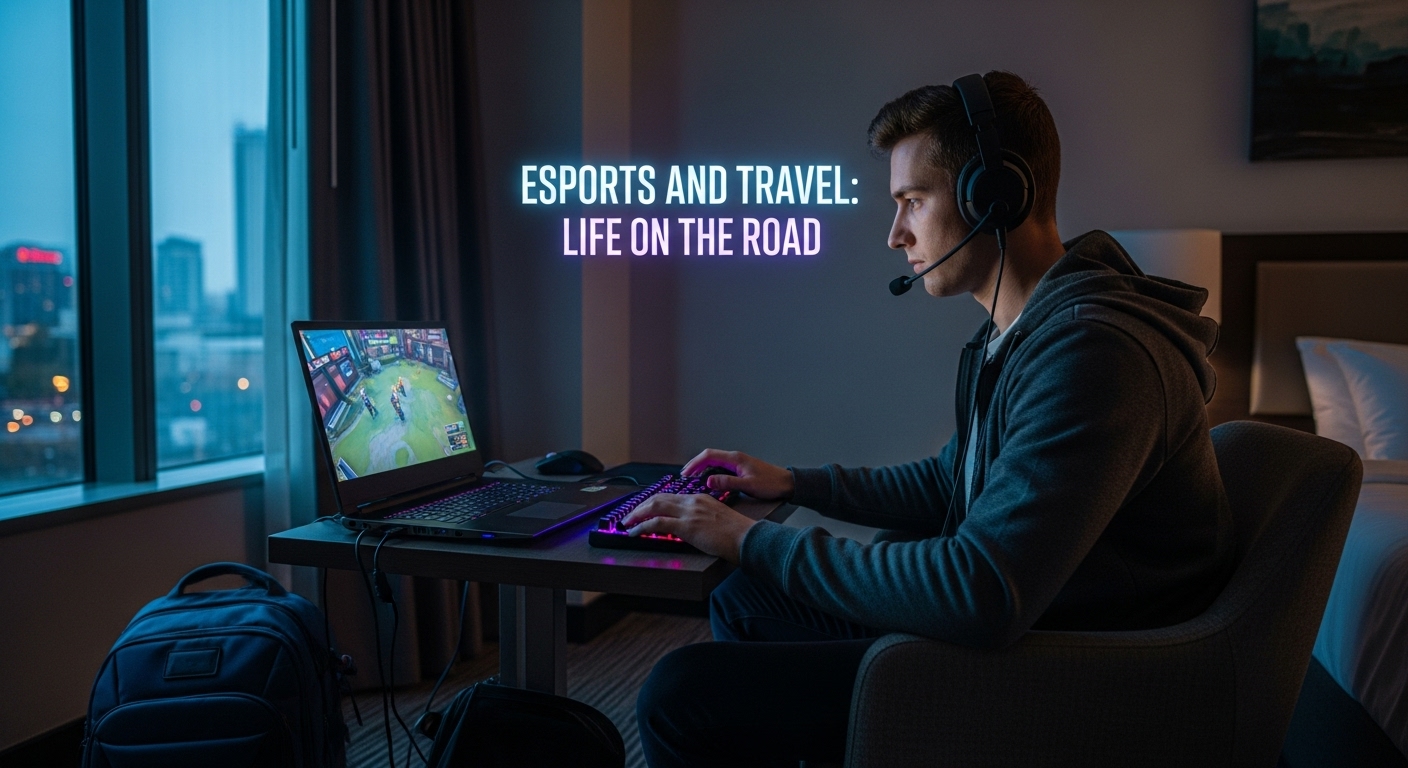
While esports is primarily digital, player health is an essential component of professional success. Long hours of gameplay can lead to physical strain, mental fatigue, and burnout. Professional teams now incorporate fitness routines, ergonomic setups, and mental health support into their training programs.
Mental resilience, stress management, and focus are critical to sustained performance. Proper rest, exercise, and nutrition ensure players can maintain high-level gameplay over extended periods. The emphasis on health and wellbeing has professionalized esports, ensuring its longevity as a sustainable career path.
Challenges in Esports
Despite rapid growth, esports faces challenges that need careful management. Issues such as cheating, hacking, and toxicity in online communities threaten fairness and player experience. Additionally, regulatory frameworks, standardization of rules, and player protection remain areas requiring development.
Balancing commercial interests with ethical responsibilities is another challenge. Sponsorships and revenue generation must align with integrity and inclusivity, ensuring esports remains accessible and credible. Addressing these challenges will determine the long-term stability and mainstream acceptance of competitive gaming.
Esports as Entertainment
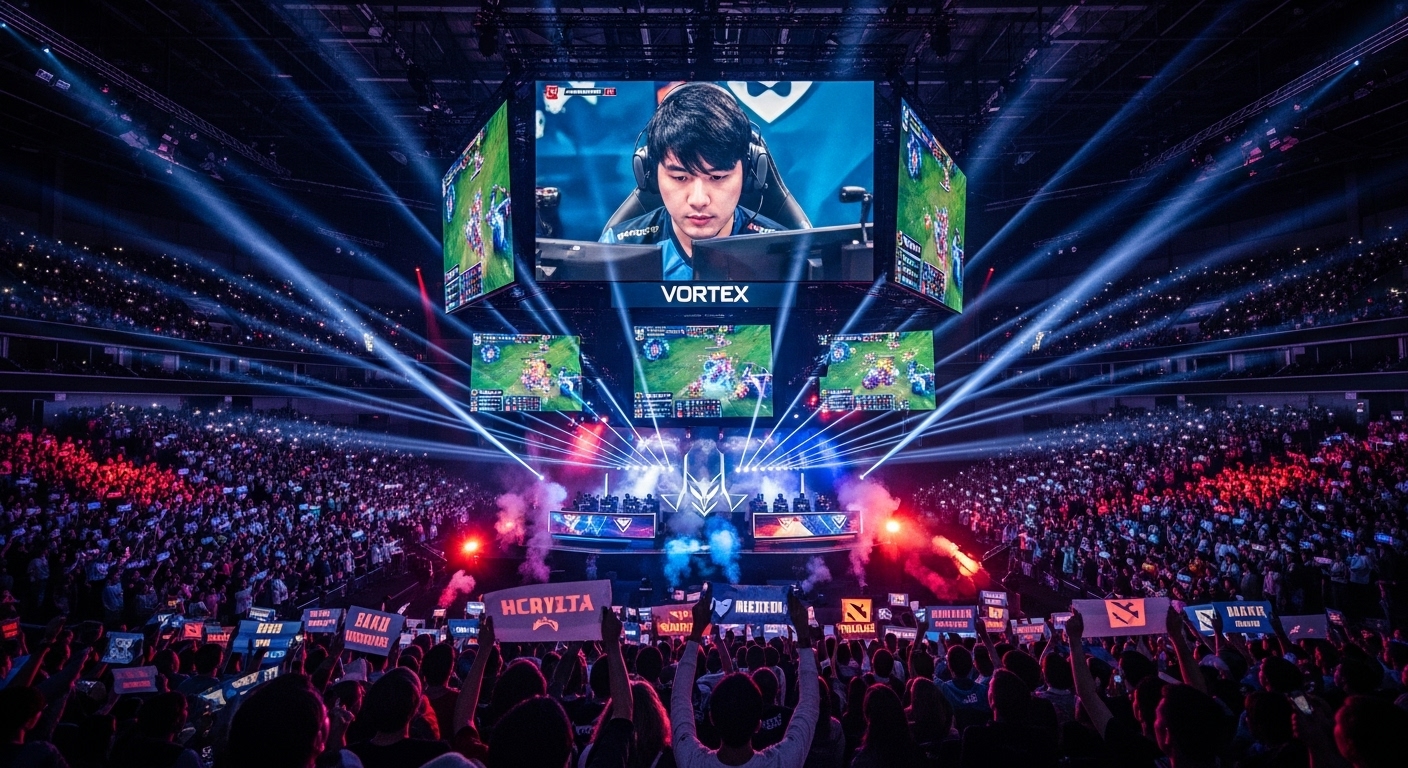
Esports is both a competitive endeavor and a form of entertainment. Spectators enjoy live tournaments, watch highlights, and engage with content across digital platforms. The excitement of watching top-tier players execute strategies, adapt under pressure, and achieve remarkable feats creates a compelling spectator experience.
Fan interaction through streaming, social media, and online communities enhances engagement, creating a sense of belonging and shared enthusiasm. Esports entertainment merges competition, storytelling, and digital media, redefining what it means to watch and participate in games.
The Future of Esports
The future of esports is poised for further growth and innovation. Emerging technologies like virtual reality and augmented reality could create fully immersive competitive experiences. Artificial intelligence may assist with coaching, strategy, and content creation, while continued expansion into new regions will attract diverse talent and audiences.
Esports will likely integrate more closely with traditional entertainment industries, including collaborations with sports leagues, music events, and media franchises. As technology and global connectivity advance, esports will continue to redefine entertainment, competition, and digital culture.
Conclusion: Esports as a Transformative Force
Esports represents a new frontier in entertainment and competition. It combines technology, skill, strategy, and community engagement, attracting millions of players and fans worldwide. Beyond gaming, esports has social, cultural, and economic significance, shaping modern digital culture while providing professional opportunities and fostering global connections.
From grassroots competitions to international tournaments, esports exemplifies the potential of digital platforms to create global communities and professional pathways. Its growth demonstrates the impact of innovation, dedication, and human creativity in the 21st century. Esports is more than a game; it is a transformative force redefining competition, entertainment, and the way we connect in a digital world.