Introduction
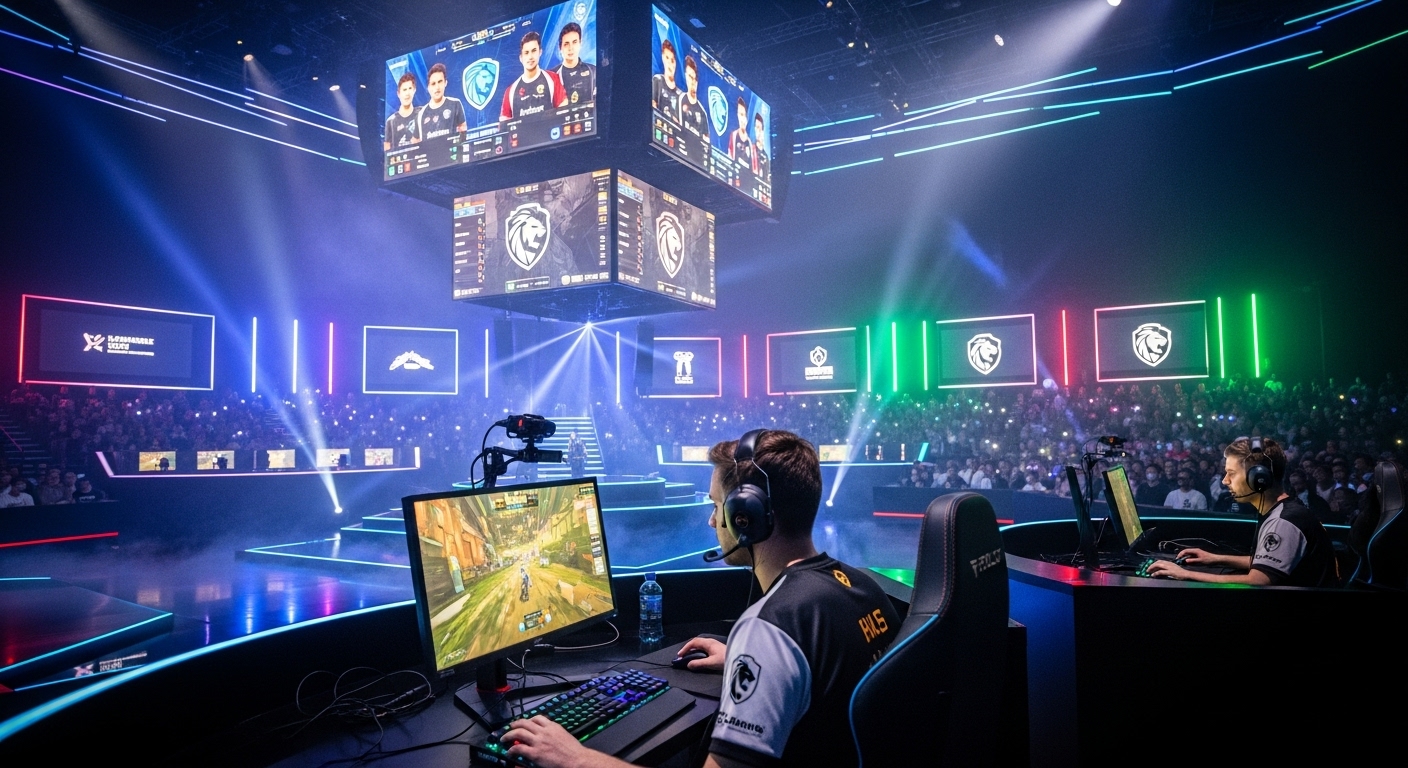
Over the past few decades, esports has evolved from a niche hobby into a global entertainment powerhouse, captivating millions of players, fans, and viewers alike. Competitive gaming, once relegated to small tournaments and online communities, is now a multi-billion-dollar industry, with professional leagues, international tournaments, and mainstream recognition. What was once considered an alternative to traditional sports is now being recognized as a legitimate form of competition and entertainment, complete with sponsors, broadcasting rights, and a growing fanbase. This blog post delves into the world of esports, exploring its rapid rise, the mechanics behind it, and the cultural, economic, and technological factors that continue to drive its success.
The Origins of Esports: From LAN Parties to Global Phenomenon
The history of esports dates back to the late 1990s when competitive gaming first began to gain traction. Early esports events were often held in local area networks (LAN) or internet cafes, where players gathered to compete in games like Quake, StarCraft, and Warcraft. These events were typically small, community-driven affairs, but they laid the foundation for the competitive gaming scene that would emerge in the 2000s.
By the early 2000s, online multiplayer games like Counter-Strike, Warcraft III, and Halo introduced the concept of global competition, allowing players to connect with others from around the world. Esports tournaments began to take shape, with organizations such as the World Cyber Games (WCG) and Electronic Sports World Cup (ESWC) hosting international competitions. These events showcased the growing potential of esports, attracting attention from gamers, sponsors, and media.
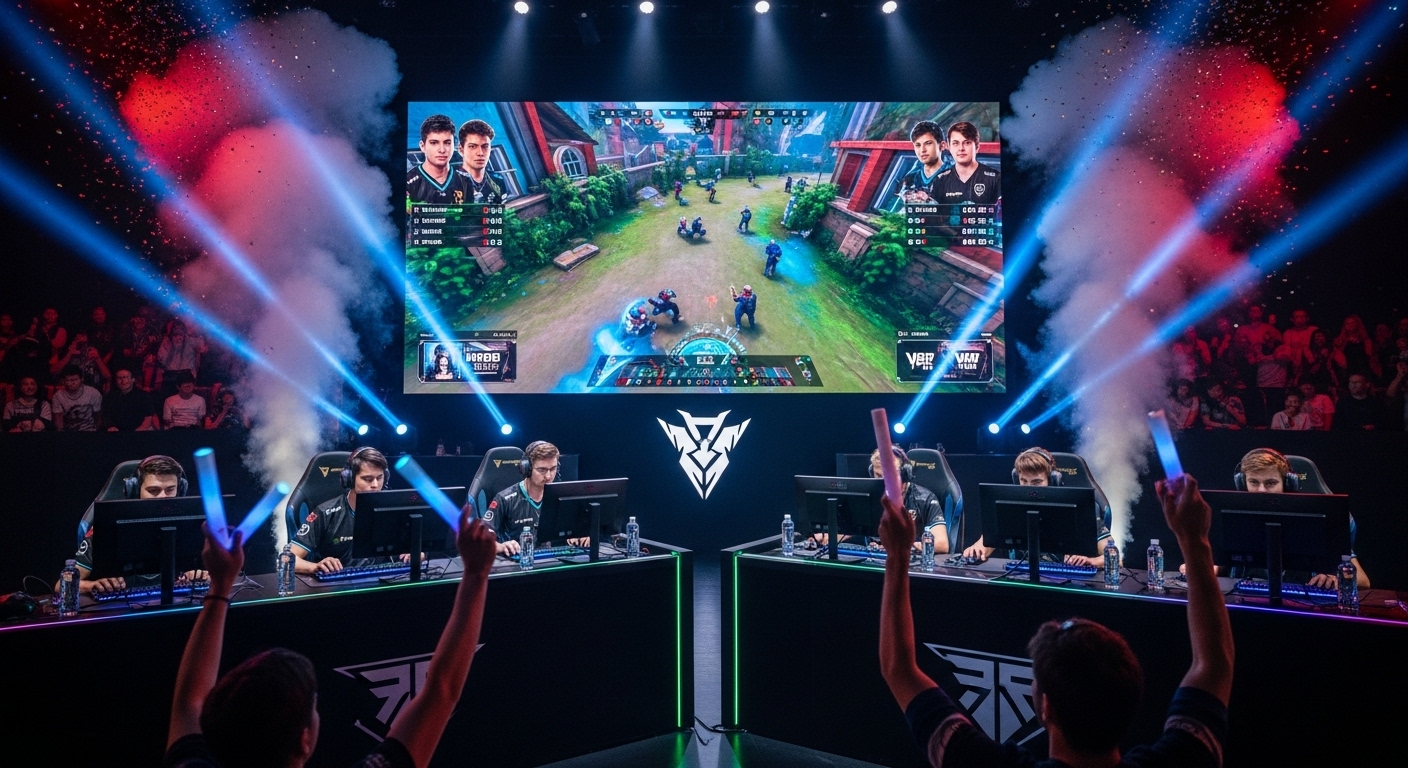
However, it wasn’t until the rise of games like League of Legends, Dota 2, and Counter-Strike: Global Offensive (CS:GO) that esports truly exploded into the global mainstream. With massive online player bases and professional leagues, these games turned esports into a worldwide spectacle, drawing millions of viewers both online and in-person.
The Rise of Esports as a Professional Career
One of the most significant shifts in the esports landscape has been the emergence of professional players and teams. In the early days of esports, competitive gaming was often a hobby, with participants playing for pride or modest cash prizes. Today, esports athletes can earn significant salaries, sponsorships, and prize money, with some of the top players making millions of dollars a year.
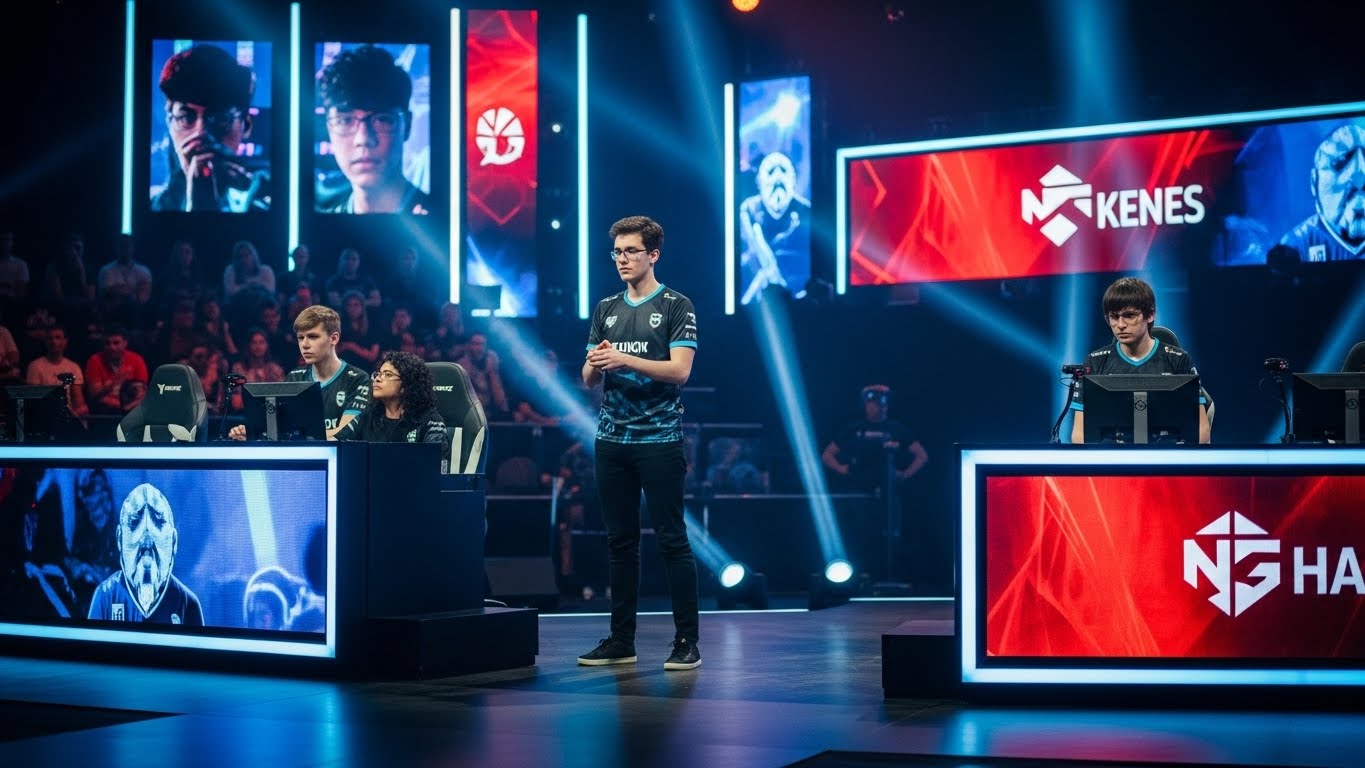
Professional esports leagues and tournaments, such as the Overwatch League, League of Legends World Championship, and The International (Dota 2), have turned gaming into a viable career for skilled players. These leagues operate similarly to traditional sports leagues, with franchises, regular seasons, and playoffs. Players often sign contracts with teams, receive salaries, and participate in team training, just like athletes in other professional sports. The level of competition and professionalism has risen dramatically, with players practicing for hours a day, working with coaches, and participating in team-building exercises.
In addition to traditional competitions, streaming platforms like Twitch and YouTube have allowed esports players to build their personal brands and generate income through sponsorships, donations, and ad revenue. Many professional players now have lucrative streaming careers, where they broadcast their gameplay live to millions of viewers. This dual career path—competing professionally while maintaining a streaming presence—has created new opportunities for players and broadened the scope of esports beyond the tournament stage.
The Global Appeal of Esports: A New Kind of Sports Entertainment
One of the key factors behind esports’ success is its ability to appeal to a global audience. Unlike traditional sports, esports is not bound by geographic or physical limitations. Players from different countries, cultures, and backgrounds can compete in a digital arena, eliminating the need for physical infrastructure or travel. This international accessibility has helped esports grow rapidly, with competitions being held across multiple continents and streamed in multiple languages.
Furthermore, esports has a unique ability to engage a wide range of people. Traditional sports often attract fans who are already familiar with the rules and players, but esports offers an opportunity for anyone to join in, regardless of prior experience or knowledge. Spectators can watch a match and instantly understand the excitement and strategy involved, even if they have never played the game before. This accessibility has helped esports reach diverse audiences, from casual viewers to die-hard fans.
Esports Broadcasting and Media
The rise of esports has also transformed the way we consume sports content. Just like traditional sports, esports tournaments are now broadcasted live on television, through online streaming platforms, and even on major sports networks. Major media companies such as ESPN and Turner Broadcasting have recognized the value of esports and have begun broadcasting major tournaments, further legitimizing esports as a mainstream form of entertainment.
The format of esports broadcasting is also unique. Unlike traditional sports, where commentators provide play-by-play analysis of physical action, esports commentators (or “casters”) provide insights into complex strategies, game mechanics, and team dynamics. These casters bring a level of excitement and analysis to the game, making even the most intricate moments easy to understand for viewers. Some broadcasts are even accompanied by in-depth analysis, post-game breakdowns, and player interviews, mimicking the production values of traditional sports coverage.
Streaming platforms like Twitch and YouTube Gaming have played a pivotal role in the esports media ecosystem. These platforms allow fans to watch live streams of their favorite players and teams, interact with streamers in real-time through chat, and watch archived content. The rise of “live-streaming” has created an entirely new form of digital media consumption, allowing viewers to directly engage with players and events in ways that were previously impossible.
Esports and the Digital Economy: Sponsorships, Merchandise, and Advertising
As esports has grown, so has its economic impact. Sponsorships from major brands have flooded the industry, with companies like Coca-Cola, Intel, and Adidas investing heavily in esports teams and events. These sponsorships provide much-needed financial support for teams and tournaments, allowing them to continue growing and attracting larger audiences. Major brands see esports as an opportunity to reach a tech-savvy, youthful demographic that is increasingly difficult to target through traditional advertising.
In addition to sponsorships, esports has created a booming merchandise industry. Fans eagerly purchase jerseys, gaming peripherals, and other branded merchandise to show support for their favorite teams and players. This has created a unique market for esports products, with dedicated online stores and dedicated esports sections on major retail websites.
Advertising has also become a significant revenue stream for the esports industry. Just like traditional sports, esports events attract large audiences, making them a prime location for advertisers to reach consumers. Digital ads, sponsorships, and product placements are all common ways for companies to engage with the esports community.
The Role of Technology in Esports
Technology has been the driving force behind the growth of esports, both in terms of gameplay and viewing experience. High-performance gaming computers, advanced graphics engines, and low-latency internet connections have enabled smooth, high-quality gaming experiences that are essential for professional competition. The rise of gaming peripherals, such as high-end keyboards, mice, and headsets, has also played a role in leveling the playing field for esports athletes, providing them with the tools they need to succeed.
Moreover, esports relies heavily on live-streaming technology to reach audiences around the world. Platforms like Twitch, YouTube, and Facebook Gaming provide a seamless way for players and teams to broadcast their gameplay to millions of viewers in real-time. These platforms also provide features like chat, donations, and subscriptions, creating an interactive ecosystem that benefits both the player and the viewer.
The Future of Esports: Growth and Challenges
Esports shows no signs of slowing down. As technology continues to improve, we can expect even more immersive experiences, such as virtual reality tournaments and more advanced AI-driven gameplay. The development of 5G networks will also make online gaming faster and more reliable, opening the door for even larger global competitions.
However, there are challenges that the esports industry must navigate. One of the biggest hurdles is sustainability. As the industry grows, the demand for high-quality tournaments, production values, and player welfare increases. Ensuring that players have the support and infrastructure they need to succeed, while also keeping the industry financially stable, will be key to its long-term success.
Another challenge is the issue of diversity and inclusion. Although esports has become a global and diverse community, there is still work to be done to make the scene more inclusive for women, minorities, and people from underrepresented backgrounds. The esports community must continue to create a welcoming environment for all, both in terms of players and fans.
Conclusion
Esports is more than just a game—it’s a cultural phenomenon that has captured the hearts and minds of millions of people around the world. From its humble beginnings in LAN cafes to its current status as a global industry, esports has proven that competitive gaming is here to stay. With its massive audience, professional infrastructure, and lucrative opportunities for players and sponsors alike, esports is carving out its place in the entertainment world alongside traditional sports. As technology advances, the esports industry will continue to evolve, bringing new experiences and challenges to both players and fans. The future of esports looks incredibly bright, and its influence on the global entertainment landscape will only continue to grow.