Introduction: The Emergence of Esports as a Global Phenomenon
Over the past two decades, esports has transformed from a niche activity to a mainstream global industry. Competitive gaming, which was once confined to small local tournaments and basement LAN parties, has evolved into a billion-dollar enterprise that attracts millions of viewers, sponsors, and players from all corners of the globe. With tournaments streamed live on platforms like Twitch and YouTube, sold-out arenas, and a rapidly growing fanbase, esports is no longer just a hobby; it’s a fully-fledged industry shaping the future of entertainment.
But how did this transition happen? What made esports such a significant cultural force? In this blog post, we will explore the rise of esports, examining its history, the technologies driving its growth, the major players in the industry, and the impact it has had on the entertainment landscape. From the competitive games that dominate the scene to the rise of esports stars and the massive revenue streams that have emerged, esports is a force to be reckoned with.
The Roots of Esports: A Journey from Arcades to Online Platforms
The origins of competitive gaming can be traced back to the early days of video games in the 1970s and 1980s. Arcade games like Space Invaders, Pong, and Donkey Kong were some of the first instances of games that encouraged high scores and competition between players. These early arcade games laid the groundwork for competitive gaming by creating an environment where players could measure their skills against one another.
In the 1990s, the advent of personal computers and online multiplayer games marked the beginning of the digital age for competitive gaming. Games like Doom and Warcraft allowed players to connect over local area networks (LANs), creating the first virtual competitions. These early LAN parties, where gamers would gather in person to compete against one another, became the breeding grounds for competitive gaming communities and events.
The real turning point for esports came with the release of StarCraft in 1998. The game’s combination of strategic depth, multiplayer functionality, and appeal to a global audience helped establish esports as a viable form of entertainment. StarCraft tournaments, particularly in South Korea, became some of the first professional esports competitions. The success of StarCraft laid the foundation for the esports industry we know today, with South Korea leading the way in establishing esports as a mainstream form of entertainment.
By the early 2000s, the rise of broadband internet and the growing popularity of online multiplayer games like Counter-Strike, Warcraft III, and League of Legends enabled players to compete globally, creating a truly international competitive gaming scene. Esports organizations began to form, and tournaments became more structured and professional.
The Growth of Esports: Global Events, Sponsorships, and Media Attention
As the internet became more accessible and gaming technology advanced, the competitive gaming scene began to expand rapidly. Esports saw its first major breakthrough in the mid-2000s when companies like Major League Gaming (MLG) and Electronic Sports League (ESL) began hosting large-scale tournaments. These events attracted thousands of spectators and offered cash prizes, which helped legitimize esports as a professional sport.
One of the most pivotal moments in the history of esports came with the rise of League of Legends. Released in 2009 by Riot Games, League of Legends quickly became one of the most popular esports titles in the world. The annual League of Legends World Championship now attracts millions of viewers and offers multi-million-dollar prize pools. The success of League of Legends helped solidify esports as a legitimate career option for gamers, with professional teams and players earning sponsorship deals, salaries, and recognition.
The explosion of esports’ popularity also led to the growth of dedicated esports organizations. Teams like Cloud9, Team Liquid, and Fnatic became household names, signing top-tier players and attracting lucrative sponsorships from major brands like Coca-Cola, Intel, and Red Bull. Esports became an industry in its own right, with revenue streams coming from sponsorships, advertising, broadcasting rights, merchandise, and ticket sales for live events.
As the demand for esports grew, media companies and streaming platforms like Twitch and YouTube Gaming emerged as central hubs for the esports ecosystem. Twitch, in particular, played a significant role in making esports more accessible to a global audience. With millions of viewers tuning in to watch live-streamed tournaments, esports became a staple of digital entertainment. The accessibility of streaming platforms allowed fans to follow their favorite teams, players, and games in real-time, creating a new kind of fandom centered around competitive gaming.
Esports as a Career Path: The Rise of Pro Players and Content Creators
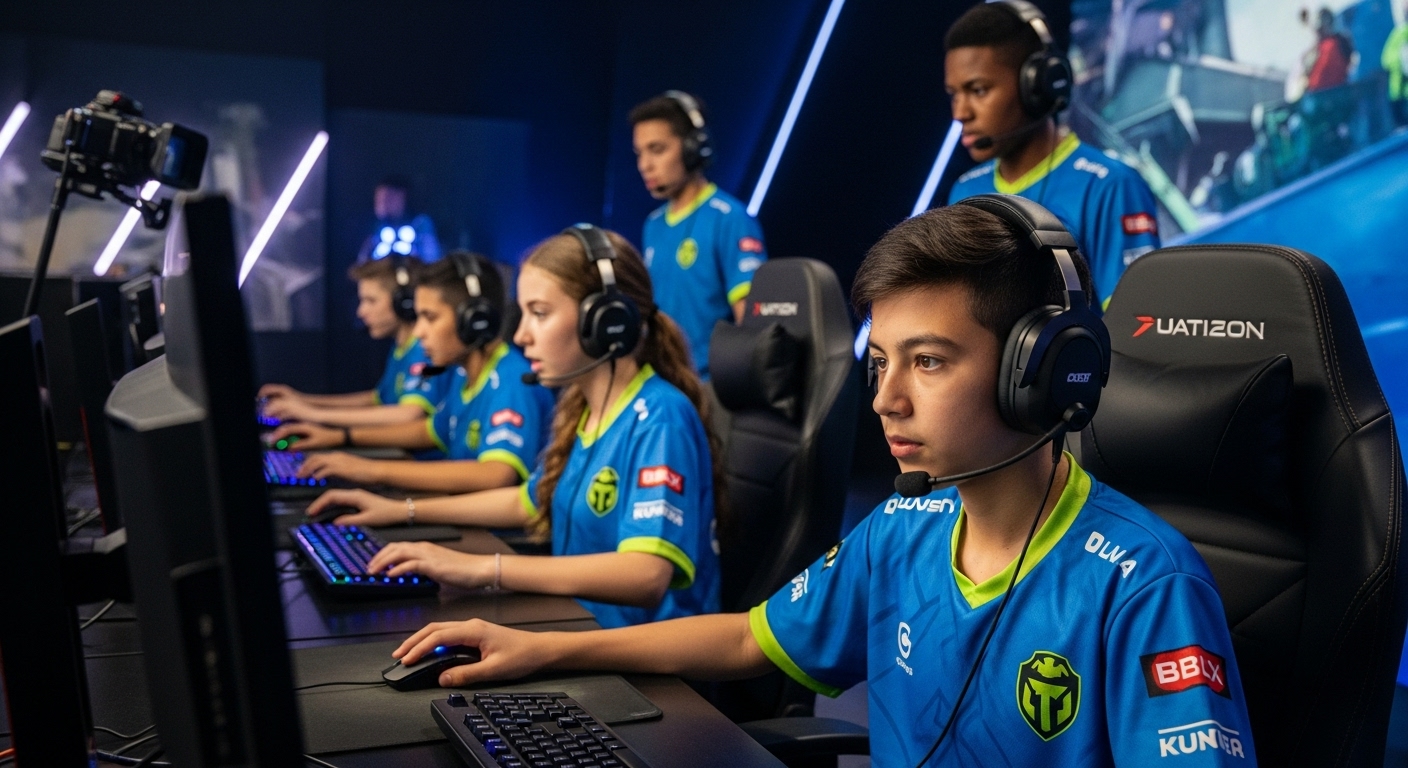
Perhaps the most significant development in the esports industry has been the emergence of esports players as global celebrities. Professional gamers, who were once seen as hobbyists or outcasts, have now become stars with massive followings. The best players in games like Dota 2, Overwatch, and Fortnite are not only known for their skill but also for their charisma, personalities, and ability to engage with fans on social media.
Esports organizations now sign players to long-term contracts, providing them with salaries, sponsorships, and even training facilities. The competitive nature of esports, combined with the global fanbase, has created a unique environment where players can earn substantial income not only from prize money but also from brand deals, streaming, and content creation.
Streaming platforms like Twitch and YouTube have given players a platform to connect with fans beyond tournaments. Players can stream their gameplay, share tutorials, and interact with their audience in real-time. This has created an entirely new career path for many gamers, turning them into content creators and influencers. Players like Ninja, who rose to fame through his Fortnite streams, and Faker, a legendary League of Legends player, have become household names in the gaming world, with millions of followers on social media.
Content creation in esports is not limited to professional players alone. Many streamers, coaches, analysts, and even casual gamers have been able to turn their passion for esports into a lucrative career. As esports continues to grow, content creators play an increasingly important role in promoting games, tournaments, and players, further solidifying esports as a multifaceted industry.
The Role of Technology in Esports: Innovation and Advancement
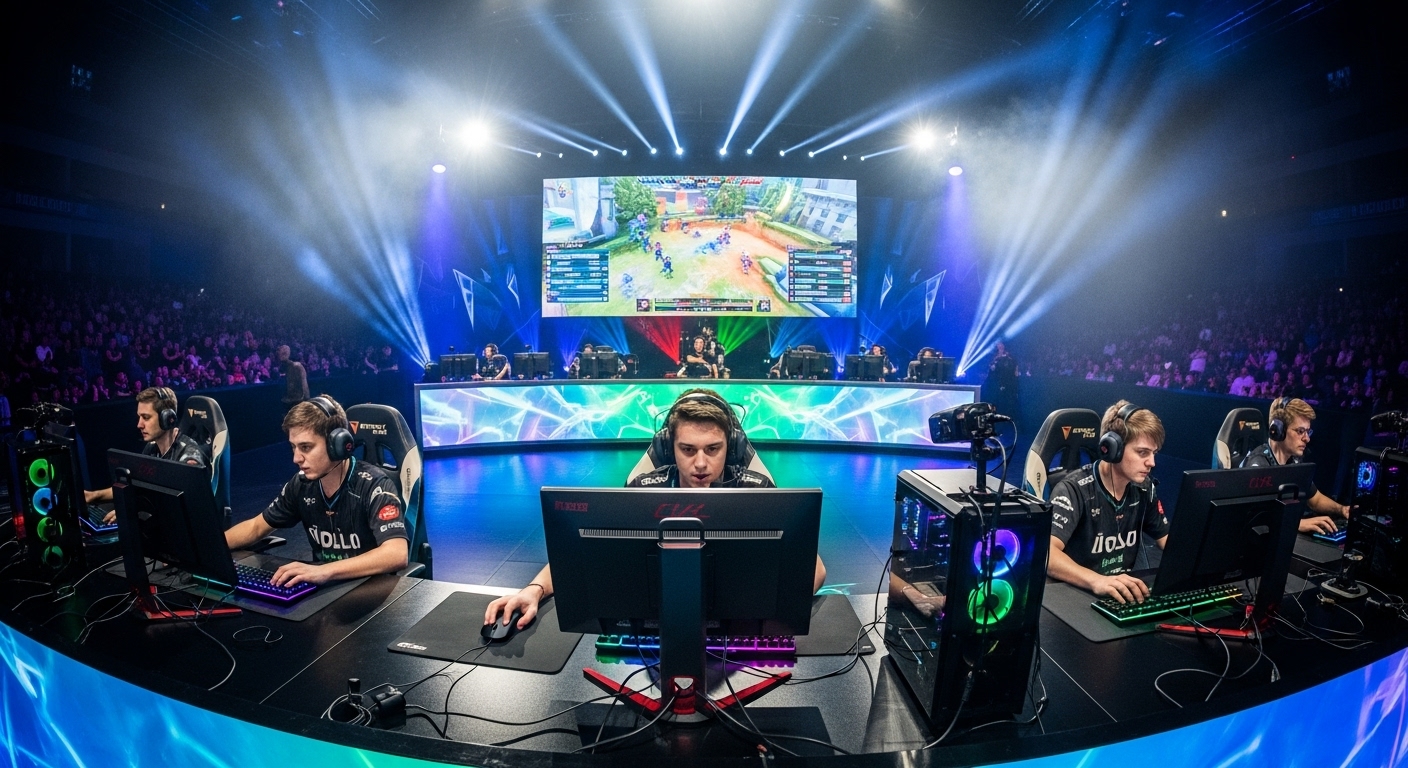
Esports would not be what it is today without the rapid advancements in gaming technology. The development of high-performance gaming hardware, such as powerful PCs, graphics cards, and peripherals, has enabled players to compete at the highest levels. Esports athletes rely on fast, precise equipment that gives them a competitive edge, whether it’s a high refresh rate monitor, a mechanical keyboard, or a precision gaming mouse.
The continuous evolution of gaming software has also contributed to the rise of esports. Games like League of Legends, CS:GO, and Dota 2 have undergone constant updates, introducing new features, balancing changes, and gameplay modes to keep the competitive scene fresh and engaging. Game developers have recognized the importance of esports and have invested heavily in building esports-friendly ecosystems that cater to both casual and competitive players.
Streaming technology has also played a key role in the success of esports. The growth of high-quality streaming platforms, combined with advances in video compression and internet infrastructure, has allowed esports events to be broadcast in real-time to audiences around the world. The rise of virtual reality (VR) and augmented reality (AR) technologies could further revolutionize esports, creating immersive experiences for fans and players alike.
Esports and Its Cultural Impact: Breaking Boundaries and Creating Communities
Esports has not only changed the way people watch and play games but has also had a significant cultural impact. What was once seen as a pastime for introverted gamers has become a social activity that unites people across borders. Esports fans are a passionate community, and the shared experience of watching a tournament, cheering for a favorite team, or celebrating a player’s victory has created a sense of belonging and camaraderie that transcends geographic and cultural barriers.
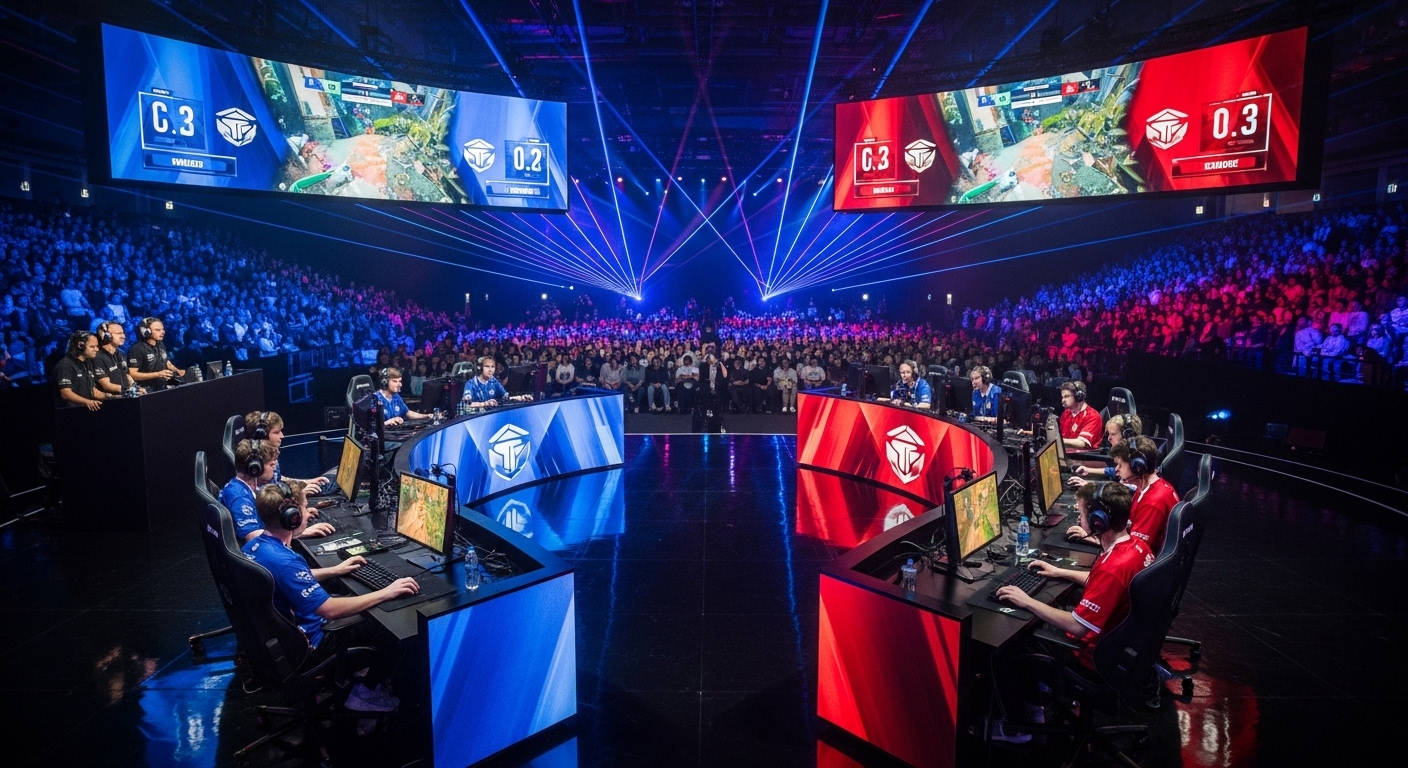
In many ways, esports has helped redefine the concept of traditional sports fandom. The global nature of esports allows fans to connect with other like-minded individuals from all over the world, whether through online forums, social media, or live events. Major esports tournaments now draw massive crowds, filling arenas and stadiums, with millions more watching from home. In some countries, esports has even earned the recognition of being a legitimate sport, with esports athletes receiving the same respect and recognition as athletes in traditional sports.
Esports has also played a role in challenging stereotypes about gaming culture. As esports has grown in popularity, it has attracted a more diverse audience, with people of all ages, genders, and backgrounds participating in the scene. This growing inclusivity has helped dispel misconceptions about gaming being a male-dominated or niche hobby, fostering a more open and accepting environment for everyone.
The Future of Esports: Opportunities and Challenges
Looking ahead, the future of esports appears incredibly bright. As technology continues to advance, the gaming experience will only become more immersive and engaging. The expansion of mobile gaming, the integration of VR and AR, and the continued evolution of streaming platforms are all set to make esports more accessible and appealing to a broader audience.
However, there are also challenges that esports will need to address in the coming years. As the industry grows, questions about regulation, fair play, and player welfare will become increasingly important. Ensuring that players are treated fairly, that tournaments are organized with integrity, and that the community remains inclusive will be essential for the long-term success of esports.
Furthermore, as the esports ecosystem becomes more commercialized, balancing the interests of players, organizations, sponsors, and fans will be a delicate task. Ensuring that esports maintains its competitive integrity and community spirit amid growing financial interests will be crucial for preserving its authenticity.