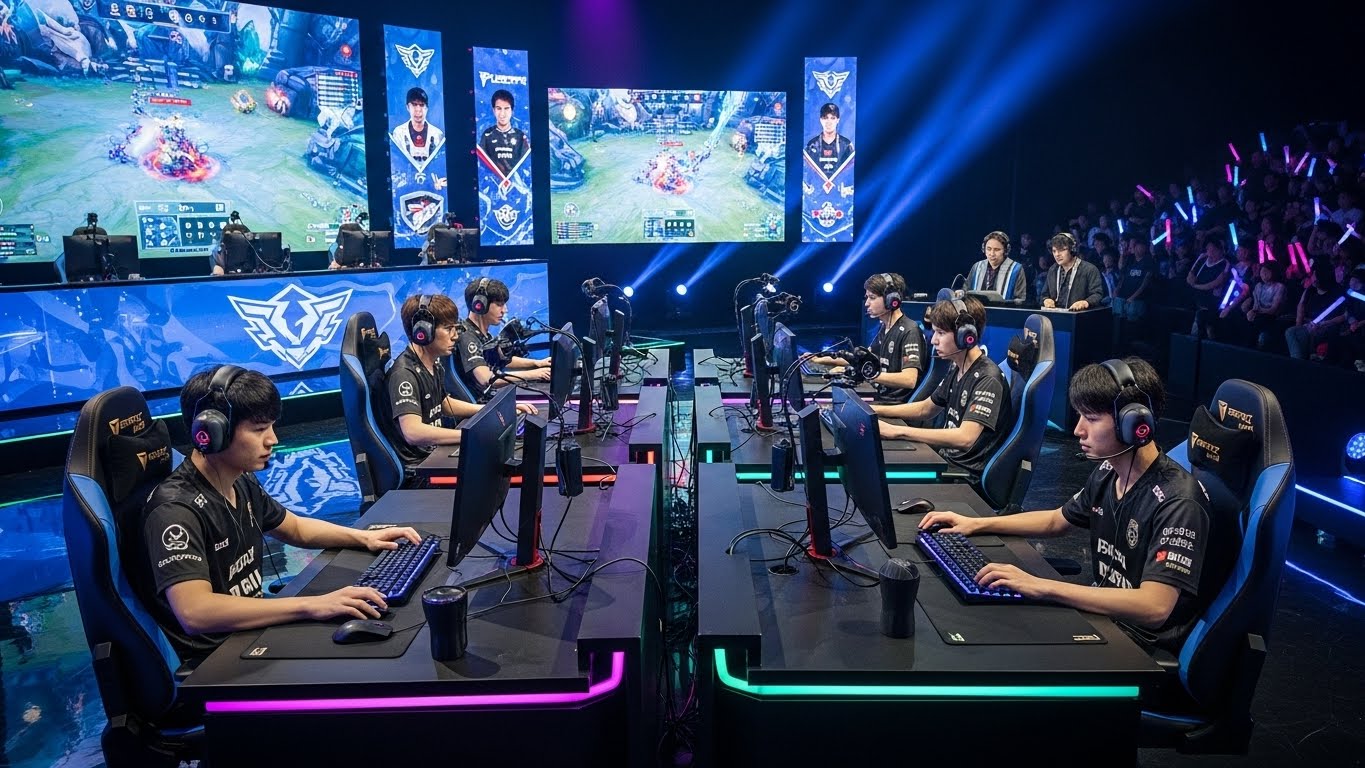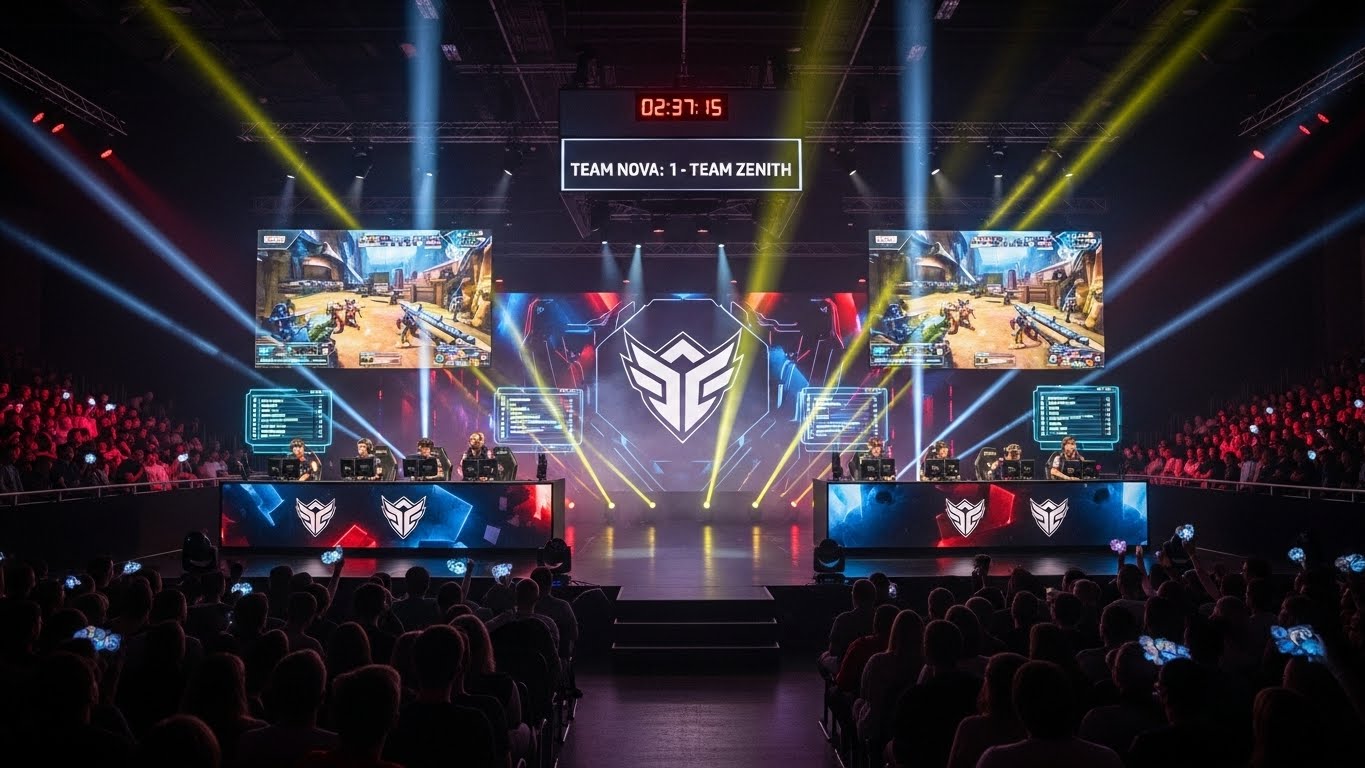
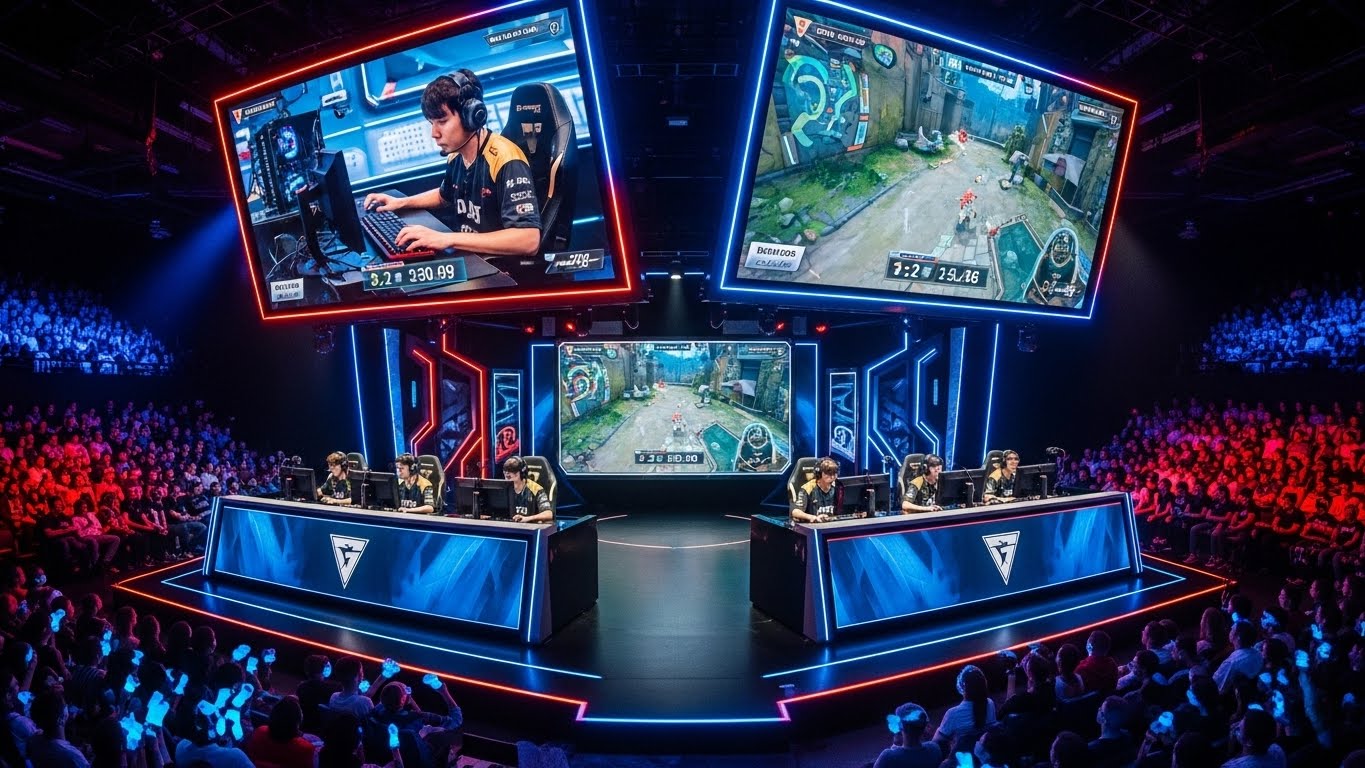
Esports, or competitive video gaming, has transformed from a niche hobby into a multi-billion-dollar industry that spans the globe. Once considered a pastime for enthusiasts in small communities, esports now draws massive audiences, professional athletes, and corporate investment on a scale comparable to traditional sports. It blends entertainment, technology, and competition, creating a dynamic ecosystem where players, teams, and fans interact in ways that redefine modern gaming culture.
The Origins of Esports: From Arcades to Online Arenas
The roots of esports trace back to the late 1970s and 1980s, when arcade competitions became a popular form of organized gaming. Titles such as Space Invaders and Pac-Man inspired local tournaments, while early gaming events began to draw crowds and attention. The competitive spirit was further fueled by high-score competitions and early networked games, laying the groundwork for organized multiplayer gaming.
The rise of personal computers and home consoles expanded competitive opportunities. Games like Doom, Quake, and StarCraft introduced the concept of online multiplayer competition, allowing players to challenge others across cities, countries, and eventually continents. These early experiences demonstrated that gaming could be more than casual play—it could be a platform for serious skill, strategy, and competition.
The Growth of Professional Esports
The 2000s marked a turning point for esports, with the professionalization of teams, leagues, and tournaments. Games like Counter-Strike, League of Legends, and Dota 2 introduced organized competitive scenes with structured formats, sponsorships, and prize money. Major tournaments began to attract thousands of in-person spectators and millions of online viewers, signaling a new era for gaming as a career and entertainment medium.
Professional esports athletes, or “pro gamers,” dedicate hours daily to training, strategy, and teamwork, much like traditional athletes. Teams employ coaches, analysts, and support staff to maximize performance, emphasizing the high level of professionalism and preparation required to compete at elite levels. Esports careers have become viable professions, offering salaries, endorsements, and opportunities for international recognition.
The Popularity of Esports: Audience and Engagement
Esports has experienced explosive growth in audience size and engagement. Platforms like Twitch, YouTube Gaming, and other streaming services allow fans to watch live matches, interact with players, and participate in communities. This level of accessibility has broadened esports’ reach, making it appealing to a wide demographic spanning age, gender, and geography.
Tournaments like The International for Dota 2, the League of Legends World Championship, and the Fortnite World Cup attract millions of viewers worldwide. Live events fill stadiums, while online broadcasts reach audiences far beyond traditional sports viewership. The combination of live performance, strategic gameplay, and interactive fan engagement has redefined what it means to be a spectator in the digital age.
Esports and Technology: Driving Innovation
Technology is central to the growth and evolution of esports. High-speed internet, advanced graphics, streaming platforms, and performance analytics enable players to compete at unprecedented levels. Innovations such as in-game coaching, real-time statistics, and predictive analysis have enhanced both gameplay and viewer experience.
Virtual reality, augmented reality, and cloud gaming are poised to further transform esports, offering new ways to experience and participate in competitions. These technologies not only improve performance and immersion but also expand accessibility, allowing more people to engage with esports regardless of location or hardware limitations.
The Role of Community in Esports
Community is the lifeblood of esports. Online forums, social media groups, fan clubs, and streaming channels provide spaces for players and fans to connect. These communities share strategies, celebrate victories, discuss game updates, and foster friendships across borders. Unlike traditional sports, esports communities thrive online, creating global networks united by shared passion for competitive gaming.
Communities also play a crucial role in shaping esports culture, from organizing grassroots tournaments to influencing game design and professional regulations. This participatory culture empowers fans to become active contributors rather than passive observers, reinforcing the collaborative nature of esports as a social phenomenon.
Esports and Education: Skills Beyond Gaming
Esports is increasingly being recognized as a platform for developing valuable skills beyond gaming itself. Competitive play enhances strategic thinking, problem-solving, communication, and teamwork. Players must analyze opponents, coordinate with teammates, and adapt to changing circumstances—all skills transferable to professional and academic environments.
Universities and schools have begun offering esports programs and scholarships, reflecting the growing legitimacy of competitive gaming as an educational tool. These programs teach not only gameplay mechanics but also leadership, management, and digital literacy, preparing students for careers both within and beyond esports.
Diversity and Inclusion in Esports
Esports has made strides in promoting diversity and inclusion, though challenges remain. Historically male-dominated, the industry is increasingly welcoming female players, LGBTQ+ participants, and gamers from diverse cultural backgrounds. Initiatives promoting fair play, representation, and accessibility are helping create a more inclusive environment.
Diverse participation enriches the competitive scene, bringing new perspectives, strategies, and fan engagement. Promoting inclusion ensures that esports continues to grow as a global, community-driven industry where talent is recognized and celebrated regardless of background.
Economic Impact of Esports
The esports industry has become a significant economic force. Professional leagues, sponsorships, merchandise, streaming subscriptions, and media rights generate billions of dollars annually. Major tournaments attract corporate sponsors, advertising, and tourism, stimulating local and global economies.
Esports also drives entrepreneurship and innovation. Content creators, coaching services, event organizers, and technology developers all contribute to the economic ecosystem surrounding competitive gaming. The industry’s financial growth highlights its legitimacy as a career path and a key player in the entertainment sector.
Esports and Traditional Sports: A Converging Landscape
Esports and traditional sports increasingly intersect, with teams, leagues, and athletes recognizing the value of competitive gaming. Many traditional sports franchises have launched esports divisions, while esports athletes participate in crossover events, marketing campaigns, and collaborative initiatives.
This convergence expands the audience for both esports and traditional sports, emphasizing shared values such as competition, teamwork, and performance excellence. It also highlights the evolving definition of sports in the digital age, where physical prowess and digital skill coexist as celebrated forms of competition.
Challenges Facing the Esports Industry
Despite rapid growth, esports faces challenges that must be addressed for long-term sustainability. Issues such as player burnout, mental health, performance-enhancing software, and industry regulation require attention. Maintaining competitive integrity, promoting inclusivity, and ensuring financial stability are ongoing priorities.
Additionally, the rapid pace of technological change and shifting audience preferences demand adaptability. Organizations, players, and stakeholders must navigate a complex landscape of competition, media, and technology to sustain growth and maintain credibility.
The Future of Esports
The future of esports promises further expansion, innovation, and cultural influence. Advancements in virtual reality, artificial intelligence, and interactive broadcasting will enhance both participation and spectating experiences. Esports is likely to continue integrating with education, corporate training, and social engagement initiatives, demonstrating its relevance beyond entertainment.
Globalization and increased diversity will also shape the industry’s trajectory. As more regions invest in esports infrastructure, tournaments, and talent development, competitive gaming will solidify its position as a mainstream cultural and economic force.
Conclusion: Esports as a Transformative Medium
Esports has evolved from niche gaming competitions to a global phenomenon that entertains, educates, and connects millions of people worldwide. It exemplifies the fusion of technology, skill, community, and business, creating an ecosystem that rivals traditional sports in reach and influence.
The growth of esports highlights the power of digital culture to foster creativity, collaboration, and competition. It offers opportunities for personal development, economic engagement, and global connection, reflecting the evolving landscape of modern entertainment. As esports continues to expand, it will remain a dynamic and transformative force, shaping the way people play, watch, and interact in the digital era.