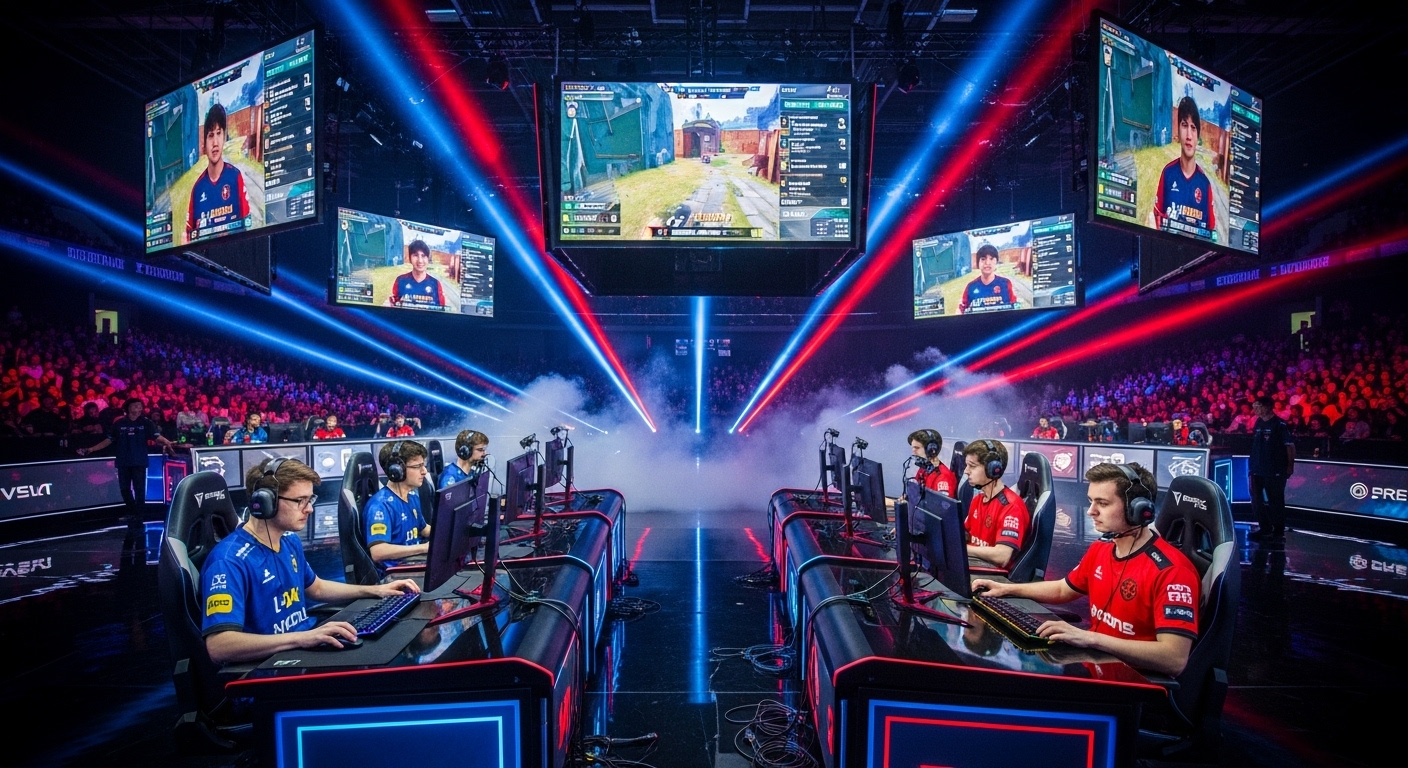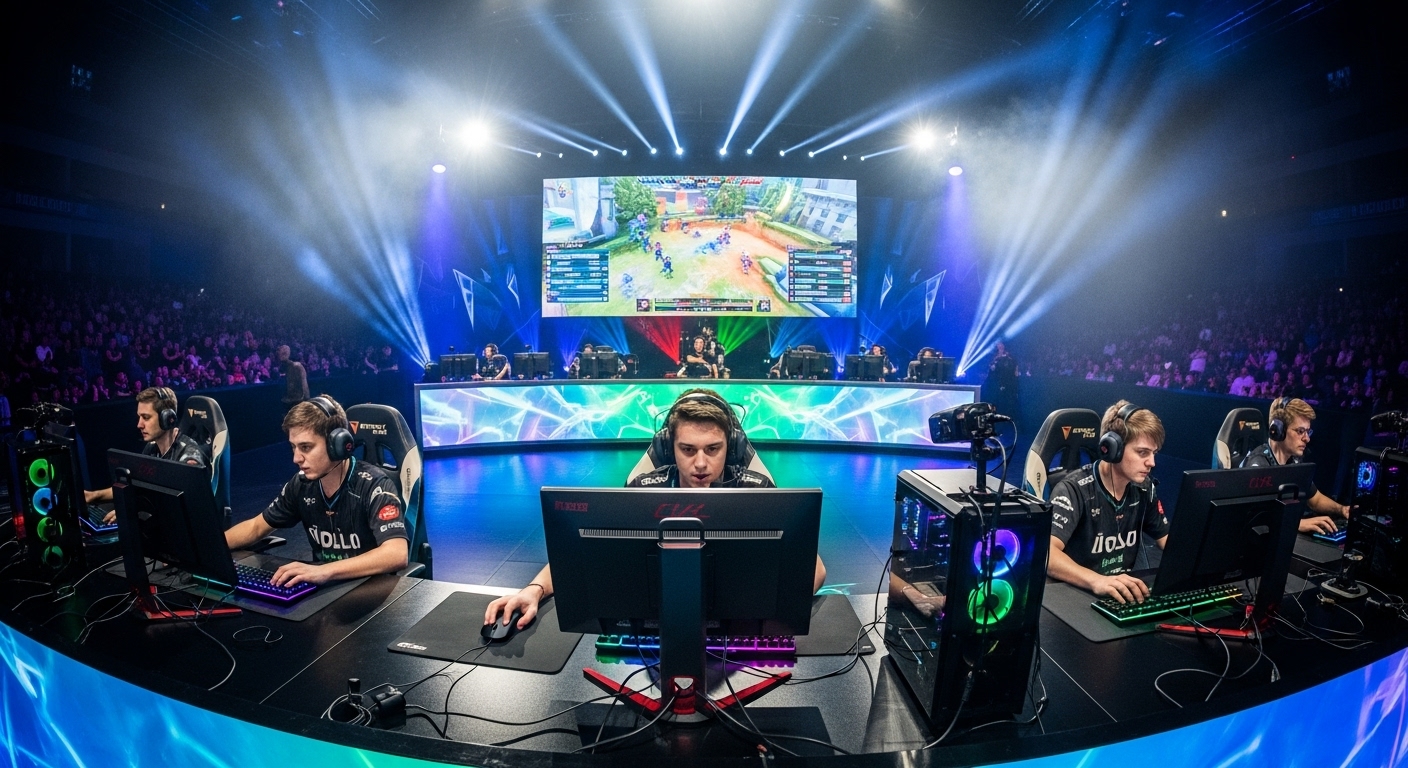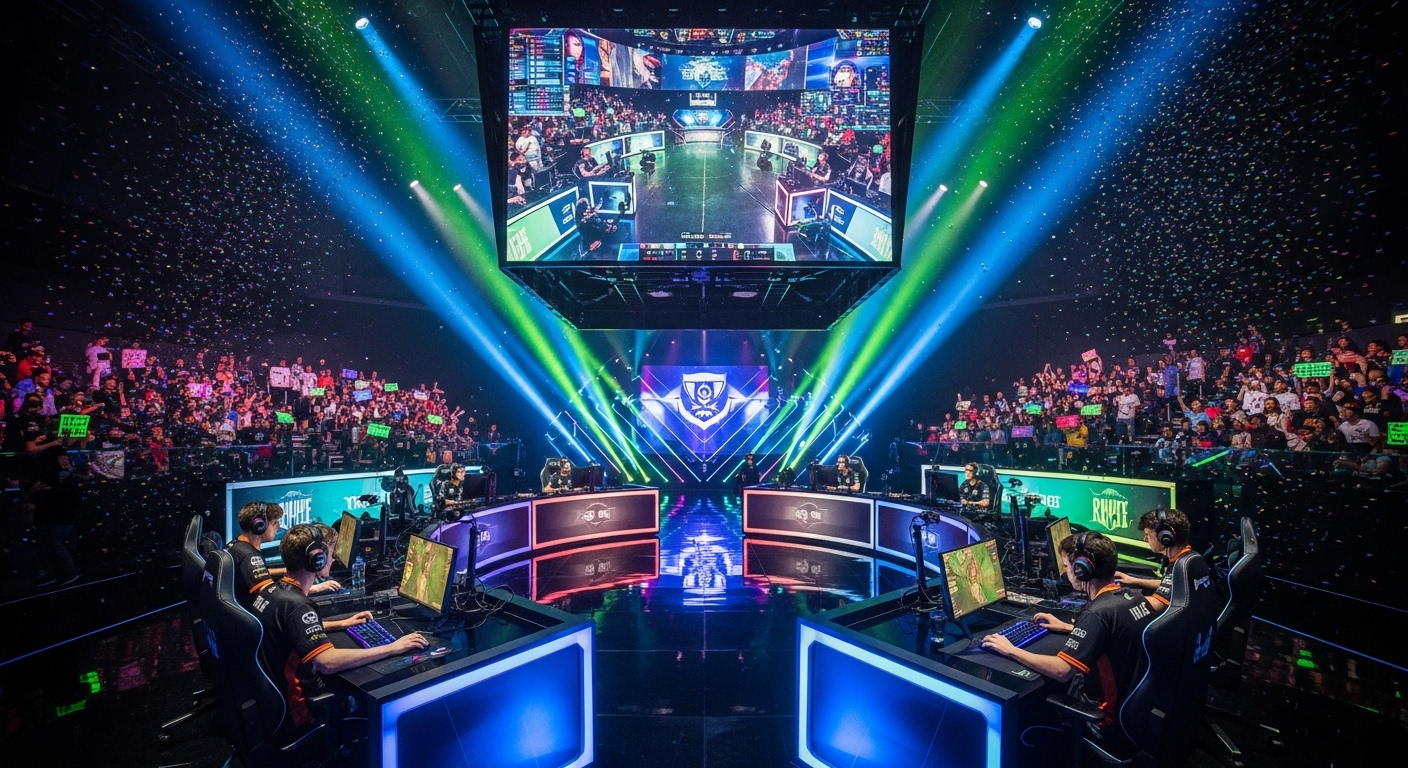
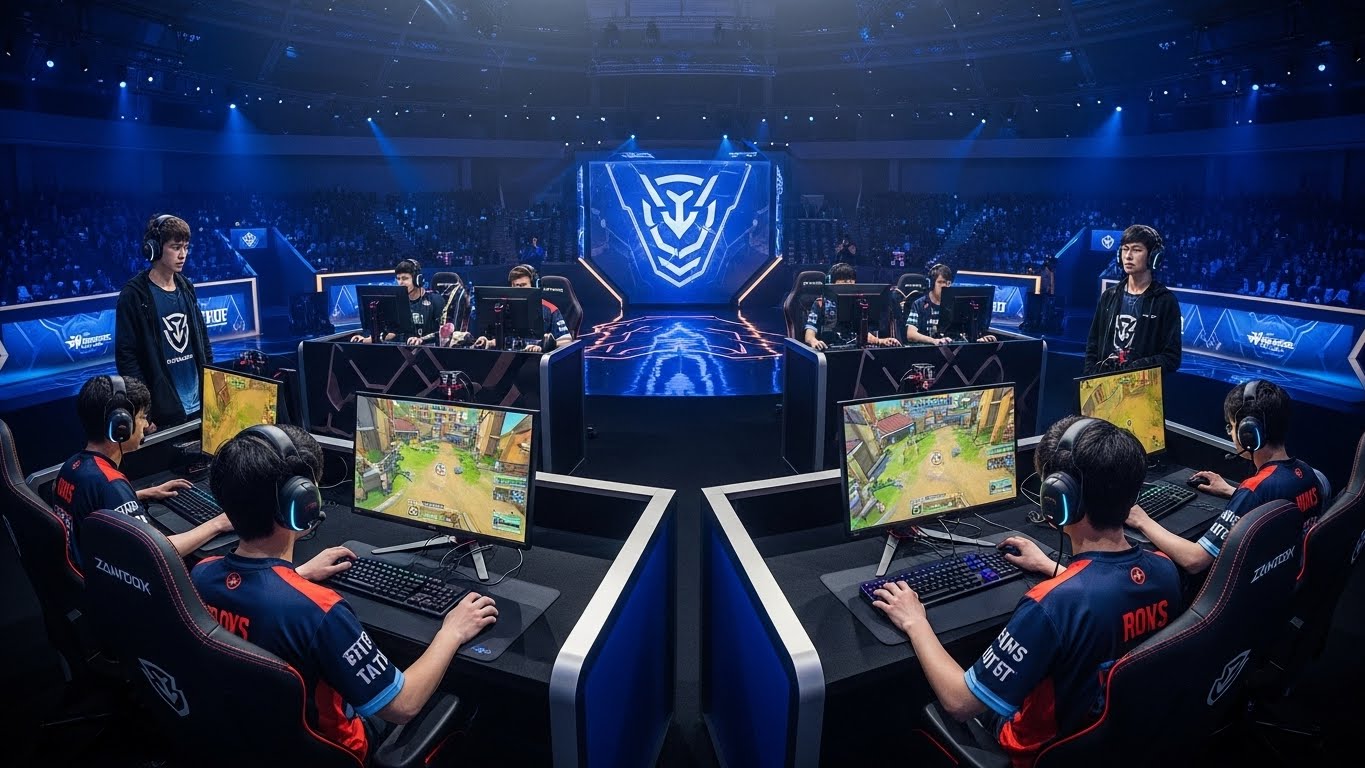
In the last decade, a quiet revolution has taken place in the world of entertainment. Once a niche hobby, eSports has become a global phenomenon that draws millions of viewers, creates thriving industries, and offers life-changing opportunities for players. Competitive gaming, or eSports, has moved from the basement tournaments of the 1990s to multi-million-dollar leagues watched in packed arenas and streamed across the globe.
This blog will explore the rise of eSports, the factors driving its popularity, and the influence it is having on society. Whether you’re a gamer or not, understanding the cultural and economic impact of eSports is essential in the digital age.
What is eSports?
At its core, eSports is organized, multiplayer video game competitions, particularly between professional players, individually or as teams. While casual gaming has been popular for decades, the competitive side of gaming, where players and teams compete for cash prizes, sponsorships, and international recognition, is what defines eSports.
Games like League of Legends, Dota 2, Counter-Strike: Global Offensive, and Fortnite have all developed their competitive ecosystems, each with its own set of tournaments, leagues, and professional players. The level of skill and strategic thinking required to compete at the highest level has transformed gaming from a simple pastime into a professional sport in its own right.
The Rise of eSports: A Global Phenomenon
The growth of eSports can be traced back to the late 1990s and early 2000s when games like StarCraft and Quake first introduced organized tournaments. However, it wasn’t until the 2010s that eSports truly began to gain significant traction. A variety of factors combined to bring competitive gaming to the forefront of mainstream entertainment.
One major factor in eSports’ rise has been the growth of streaming platforms like Twitch and YouTube. These platforms allowed players to broadcast their gameplay to a global audience, turning individual matches into virtual events that could be watched by millions. The rise of these streaming platforms provided a significant push to eSports’ visibility, turning previously local or regional events into global spectacles.
Simultaneously, companies began investing heavily in the eSports industry. Big brands such as Coca-Cola, Intel, and Samsung saw the massive potential in eSports’ rapidly expanding audience and began sponsoring teams and tournaments. These sponsorships brought financial stability to professional teams, enabling them to attract top-tier talent, offer high salaries, and increase the overall professionalism of the scene.
In just over a decade, eSports has gone from a hobbyist’s pursuit to a multi-billion-dollar industry, with professional players earning six-figure salaries, tournaments with prize pools reaching tens of millions, and millions of fans tuning in to watch live events.
The Evolution of eSports as a Profession
What sets eSports apart from traditional gaming is the professionalization of players, teams, and leagues. Just like athletes in traditional sports, eSports players must train rigorously, develop their strategies, and work closely with coaches to maintain peak performance. In fact, many top players follow a grueling practice schedule, sometimes working for up to 12 hours a day to refine their skills.
Unlike traditional sports, where physical fitness is paramount, eSports players focus on cognitive skills such as reaction time, decision-making, and teamwork. This requires intense mental conditioning and an understanding of how to operate under high-stress conditions. The best players are often those who can think several steps ahead and make split-second decisions that lead to victory.
Professional eSports players also have the opportunity to join top-tier teams that are managed by professional organizations. These organizations often offer their players access to state-of-the-art training facilities, personal coaches, and other resources that can help improve their performance. Just like in traditional sports, eSports teams compete in organized leagues, with the best teams competing in major tournaments for cash prizes and international recognition.
In recent years, eSports players have gained recognition similar to traditional athletes, with sponsorships, media coverage, and even endorsement deals with major companies. eSports tournaments are now broadcasted on major television networks, and top players are starting to gain celebrity status, both within the gaming community and beyond.
The Role of Technology in eSports
Technology is at the heart of eSports, and the rise of high-performance gaming hardware and software has played a crucial role in elevating competitive gaming to the level it is at today. Advancements in gaming technology have allowed for increasingly complex and visually stunning games, making eSports both a competitive and spectator-friendly experience.
High-definition graphics, faster internet speeds, and low-latency connections have transformed the gaming experience, allowing for seamless gameplay that can be watched in real-time by fans from around the world. Furthermore, the rise of cloud gaming has made it easier for players to access and play games without needing expensive hardware, democratizing access to eSports.
Moreover, the development of game engines that facilitate large-scale online multiplayer environments has allowed for games like League of Legends and Dota 2 to thrive as competitive platforms. These advancements in technology not only provide players with better tools but also improve the viewing experience for fans.
The eSports Audience: More Than Just Gamers
One of the most fascinating aspects of eSports is its diverse audience. While competitive gaming initially attracted primarily gamers, it has since evolved into a global entertainment industry that appeals to a wide variety of people.
The audience for eSports spans across demographics. From young kids to adults, from gamers to casual sports fans, eSports has found a way to engage people who may not have previously considered gaming as a form of entertainment. Major eSports tournaments, like The International for Dota 2, have seen viewership numbers comparable to traditional sporting events, drawing in millions of fans across the world. The fact that these events can be streamed for free on platforms like Twitch has also made eSports more accessible than ever before.
Another important factor in eSports’ widespread appeal is its cultural relevance. With the increasing popularity of gaming among younger generations, eSports offers fans a chance to connect with their peers, share experiences, and celebrate achievements within their gaming communities. For many, watching an eSports tournament is more than just about the game—it’s about joining a global community of like-minded individuals who share a passion for competition.
The Economic Impact of eSports
The financial growth of eSports is staggering. According to Newzoo, the global eSports market was valued at over $1 billion in 2020, with projections for future growth continuing to rise. This growth has led to the development of an entire ecosystem of companies, including media rights holders, merchandise manufacturers, game developers, advertisers, and more.
Major tournaments and leagues, such as the League of Legends World Championship and Overwatch League, have prize pools reaching millions of dollars, attracting top talent and huge audiences. Sponsorship deals from brands like Intel, Mountain Dew, and Audi have further legitimized the industry. Beyond sponsorships, players and teams are also earning revenue through streaming platforms, where ad revenue and donations from fans provide a significant source of income.
eSports has also led to the creation of new job opportunities. From professional players and coaches to event organizers, marketers, analysts, and content creators, the eSports industry has created a wide array of careers. The growth of eSports as a global industry has even caught the attention of investors, leading to an influx of capital into eSports startups, tournament organizations, and teams.
Challenges and Controversies in eSports
While eSports has seen tremendous growth, it is not without its challenges. One of the most pressing issues is the physical and mental health of professional players. The intense practice schedules, long hours spent in front of screens, and the pressure to perform at the highest level can take a toll on players’ well-being. Many players have reported burnout, and there have been concerns about the lack of proper health and wellness support within the industry.
Additionally, eSports has faced its share of controversies, including issues with player behavior, toxic fan culture, and disputes over player contracts. As the industry continues to grow, these challenges will need to be addressed in order to ensure that eSports remains a sustainable and inclusive environment for both players and fans.
The Future of eSports: What’s Next?
The future of eSports looks incredibly promising. With increasing investment, more sponsorships, and a growing fan base, eSports is poised to become a mainstay in global entertainment. As technology continues to evolve, we can expect even more immersive and interactive experiences for fans and players alike. Virtual reality (VR) and augmented reality (AR) may play a key role in revolutionizing how we experience competitive gaming.
Moreover, the potential for eSports to be included in traditional sporting events like the Olympics is increasingly being discussed. If that happens, it would cement eSports as a legitimate global sport, alongside more traditional activities like soccer, basketball, and tennis.
Conclusion: The Transformation of Gaming into a Global Sport
In just a few short years, eSports has transformed from a niche hobby into a global multi-billion-dollar industry. Competitive gaming has become a legitimate sport, providing opportunities for players, creators, and companies to thrive. Whether it’s the rise of streaming platforms, the development of technology, or the global fanbase, eSports has captured the hearts and minds of millions.
The evolution of eSports is a testament to the power of gaming to unite people across borders, cultures, and demographics. As the industry continues to grow, one thing is certain: eSports is here to stay, and it