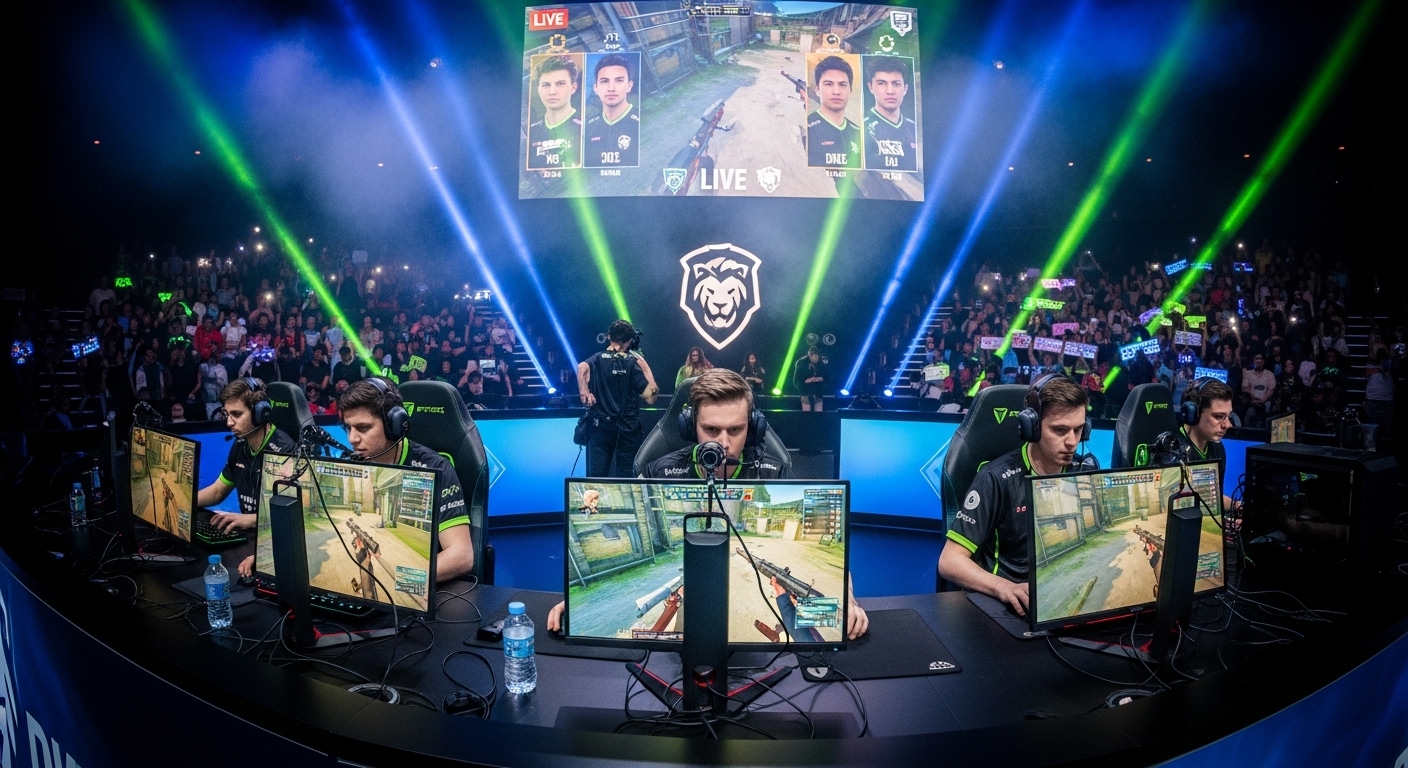
Introduction: A New Era of Entertainment
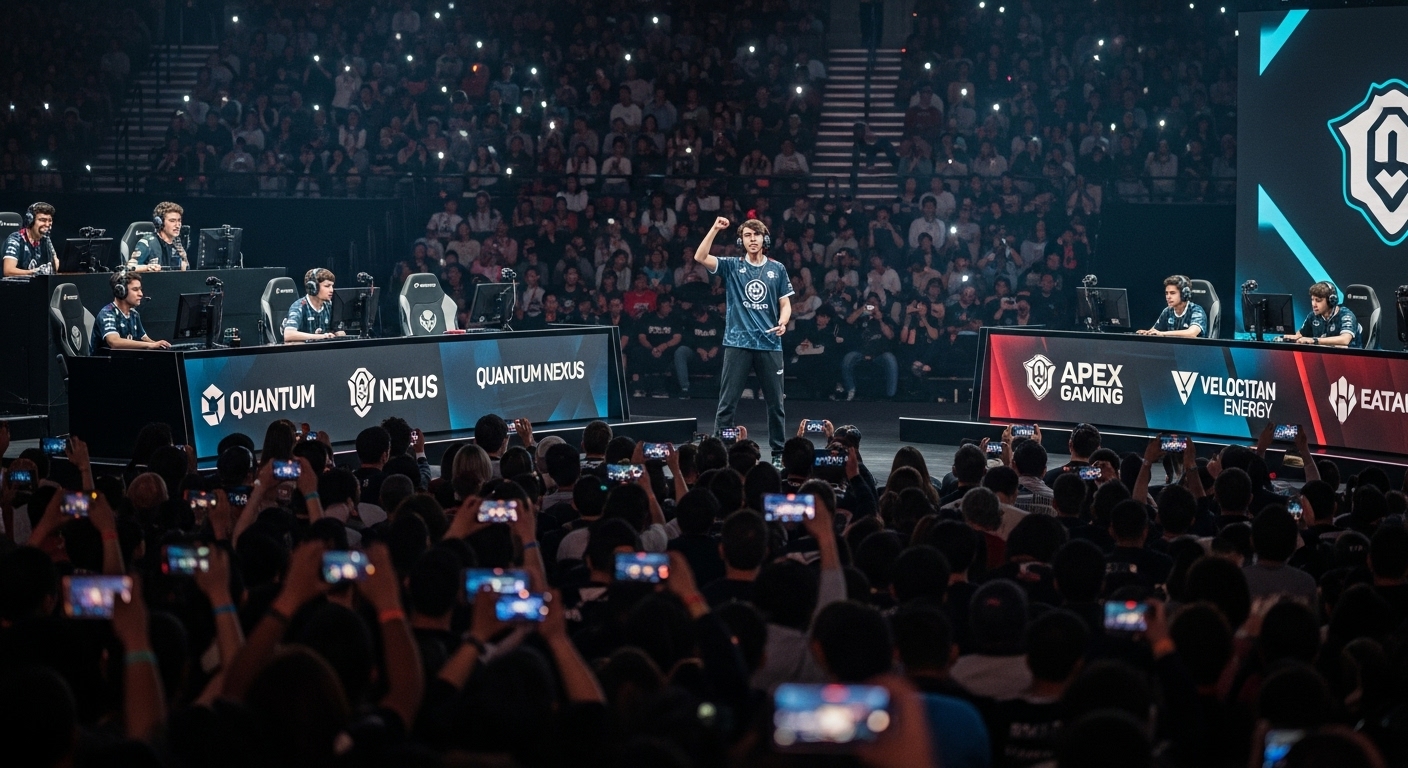
Esports is more than just a digital pastime; it is a cultural phenomenon that has rapidly gained momentum, reshaping the landscape of entertainment. Over the past decade, competitive gaming has evolved from a niche hobby into a multi-billion-dollar industry. With millions of fans, players, and professionals across the globe, esports is now a powerhouse in both the gaming and sports industries. From streaming platforms to live tournaments and sponsorship deals, esports has proven to be a force that continues to grow and captivate new audiences every year.
What makes esports particularly unique is its ability to blend digital entertainment with the thrill of live competition, offering fans a dynamic and interactive experience. Whether it’s cheering for a favorite player, following a team’s journey to the championship, or engaging in the digital community, esports has created a new way for people to experience sports at the intersection of technology and entertainment. This post will explore the rise of esports, its cultural impact, the games that drive it, and the future of this rapidly growing sector.
The Rise of Esports: From Casual Gaming to Global Phenomenon
The roots of esports can be traced back to the early days of gaming, when multiplayer games such as “Warcraft” and “StarCraft” began to introduce the concept of competitive play. These early tournaments were relatively small-scale affairs, often organized by local communities or gaming enthusiasts. However, as online gaming grew more accessible, the potential for competitive gaming exploded.
The true turning point came with the advent of professional leagues and sponsorships. One of the first major milestones in the evolution of esports was the creation of platforms like Twitch and YouTube Gaming. These platforms allowed gamers to not only play but also broadcast their gameplay to a global audience. The ability to watch live gameplay and interact with players in real time ignited a new era for esports.
By the mid-2010s, esports had begun to rival traditional sports in terms of viewership, with major events such as the “League of Legends” World Championship and “The International” for “Dota 2” attracting millions of viewers. With prize pools in the millions of dollars, professional esports players became celebrities in their own right, and gaming tournaments were broadcast live across multiple platforms and television channels.
Esports Games: The Driving Force of Competition
A major part of esports’ success lies in the games themselves. The competitive gaming scene is largely driven by a select number of titles that have been carefully designed to offer balanced gameplay, high skill ceilings, and deep strategic elements. These games not only provide a platform for professional players to compete but also create communities that continue to thrive for years.
Some of the most iconic esports games include:
- League of Legends: Developed by Riot Games, “League of Legends” (LoL) is one of the most successful and widely played esports titles. Its fast-paced, strategic gameplay, combined with a robust competitive scene, has made it the backbone of the global esports ecosystem. The annual “League of Legends World Championship” draws millions of viewers, with the game’s developers regularly adding new content and balancing updates to keep the competitive environment fresh.
- Counter-Strike: Global Offensive (CS:GO): This first-person shooter has been a staple of esports since its release. “CS:GO” is known for its tactical depth, precise mechanics, and high skill requirements. Its competitive scene is rich with history, and tournaments such as the ESL Pro League and Blast Premier attract large audiences and big sponsorship deals.
- Dota 2: Developed by Valve Corporation, “Dota 2” has become a major player in the world of competitive gaming. The game’s annual tournament, “The International,” is one of the most lucrative esports events, with prize pools often exceeding $30 million. Its complex mechanics and strategic depth make it one of the most challenging esports games to master.
- Fortnite: While not as deeply rooted in esports as other titles, Epic Games’ “Fortnite” has created its own niche in the competitive gaming world. Its battle royale format, which mixes shooting with building mechanics, offers a fast-paced experience that appeals to a younger generation of gamers. The game’s massive player base and unique event-driven approach to esports make it a standout in the industry.
- Valorant: Riot Games’ tactical first-person shooter, “Valorant,” has quickly established itself as a serious contender in the esports scene. Drawing from the success of “Counter-Strike” and adding hero-based abilities like “Overwatch,” “Valorant” offers a hybrid of strategic shooting and character abilities that has made it a hit among competitive gamers.
These games are not only entertainment—they are platforms for professional careers. With global tournaments, leagues, and sponsorships, players can earn substantial incomes from competing. They practice for hours every day, much like traditional athletes, to hone their skills and refine their gameplay strategies.
The Esports Ecosystem: Teams, Tournaments, and Sponsorships
The esports ecosystem is a complex network that involves players, teams, sponsors, content creators, tournament organizers, and fans. At the heart of this ecosystem are the professional esports teams, which operate much like traditional sports organizations. These teams recruit top players from around the world, provide them with coaching, analysis, and training facilities, and help them prepare for major tournaments.
Some of the biggest esports organizations include Cloud9, Team Liquid, Fnatic, and T1, each of which fields multiple teams for different games. These organizations work closely with sponsors to secure funding, organize events, and promote their brand through social media and live streams. Sponsorships play a huge role in the growth of esports, with companies like Coca-Cola, Intel, Red Bull, and Mercedes-Benz among those investing in the esports space. These brands not only sponsor teams but also fund large-scale tournaments and events that draw in massive global audiences.
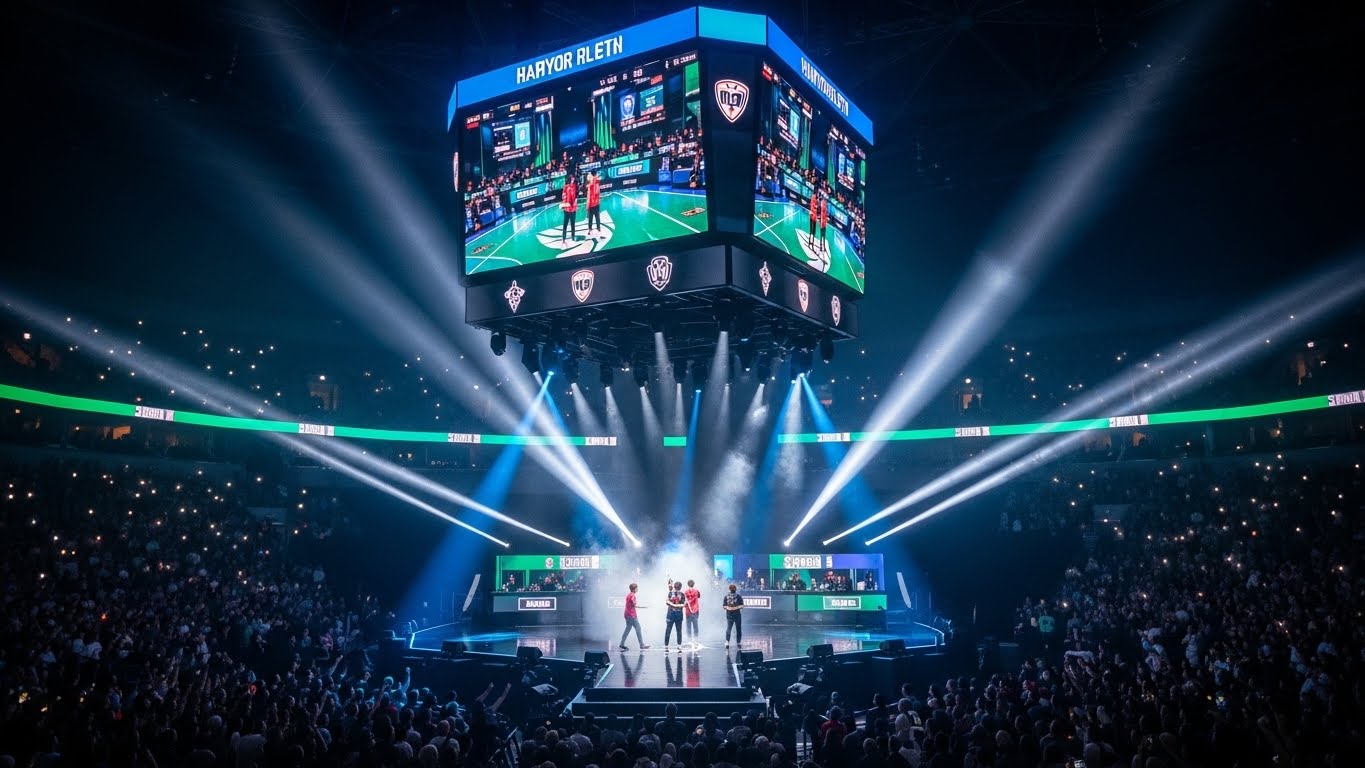
Tournaments are the lifeblood of esports. They offer the platform where the world’s best players compete for glory and substantial prize pools. Some of the most well-known esports tournaments include:
- The International: The grand championship for “Dota 2,” boasting one of the largest prize pools in esports history.
- League of Legends World Championship: A multi-million-dollar tournament that brings together the best LoL teams from around the world.
- CS:GO Major Championships: A series of tournaments featuring the top “Counter-Strike” teams, with millions of viewers tuning in each year.
- Fortnite World Cup: A battle royale tournament with large prize money, offering a platform for top “Fortnite” players to shine.
These tournaments offer a glimpse into the highly competitive world of esports. Players and teams train rigorously, analyzing past performances and devising new strategies in an effort to outplay their opponents. For fans, watching these tournaments live provides an exciting, high-energy experience that rivals traditional sports events.
The Esports Audience: Global, Engaged, and Diverse
Esports’ massive growth can also be attributed to its dedicated fanbase. Unlike traditional sports, esports fans are digital natives who consume content online. Platforms like Twitch, YouTube, and Facebook Gaming have become the go-to destinations for esports fans to watch live tournaments, interact with players, and engage in communities. Fans don’t just watch the game—they actively participate in the experience through live chats, fan art, social media interactions, and even fantasy esports leagues.
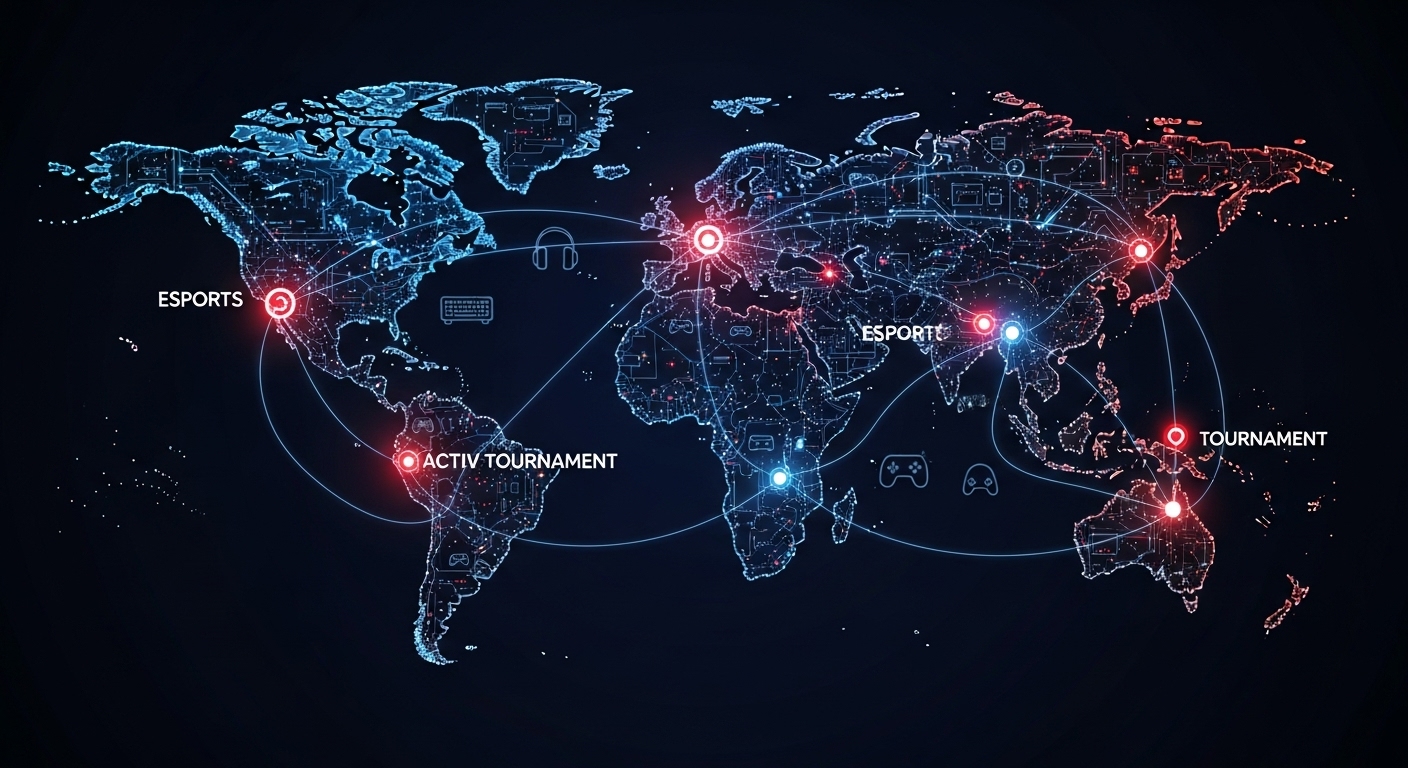
The global reach of esports is another factor that has fueled its growth. While traditional sports tend to be region-specific, esports breaks down geographic barriers. With games like “League of Legends” and “Counter-Strike: Global Offensive” having massive global followings, esports fans can watch tournaments from anywhere in the world, often in their native language. This has fostered a sense of global community, with fans from North America, Europe, Asia, and Latin America all tuning in to support their favorite teams and players.
Moreover, esports has become an inclusive space that welcomes fans of all ages, backgrounds, and skill levels. People from all walks of life participate in the digital communities of their favorite games, where casual gamers can engage with professional players and share the excitement of each match. This inclusivity, coupled with the interactive nature of live streaming, creates a unique sense of belonging that is hard to replicate in traditional sports.
The Cultural Impact of Esports
Esports has transcended gaming and become a cultural movement. It has inspired everything from music videos to fashion, with esports influencers becoming celebrities in their own right. Streaming platforms like Twitch and YouTube have turned professional players into global icons, with some amassing millions of followers and endorsement deals. Many esports players are recognized not just for their skill but also for their personalities, style, and engagement with fans.
Esports has also influenced other areas of entertainment, particularly in the realm of media production. Streaming platforms are now producing esports-related content, such as documentaries, interviews, and highlights, allowing fans to dive deeper into the lives of their favorite players. The rise of esports has also led to the development of gaming-related content in mainstream media, with esports tournaments often broadcast on major television networks, and esports-themed films and series gaining traction on platforms like Netflix.
As a result, esports has helped bridge the gap between traditional gaming and mainstream entertainment. The integration of esports into pop culture continues to grow, with more celebrities, influencers, and brands embracing gaming as part of their personal and professional identities.
The Future of Esports: Expansion and Innovation
The future of esports is incredibly bright. As technology continues to evolve, so too will the ways in which fans experience and interact with competitive gaming. Virtual reality (VR) and augmented reality (AR) are expected to play a large role in the development of esports, offering new ways for players to engage with their games and for fans to experience competitions. Additionally, esports’ influence on mobile gaming is expanding, with games like “PUBG Mobile