Esports, or competitive gaming, has transformed from a niche hobby into a global phenomenon, captivating millions of fans and reshaping entertainment, culture, and sports as we know it. With professional leagues, massive tournaments, and sponsorship deals rivaling traditional sports, esports is no longer just a pastime—it is a legitimate career path, a cultural movement, and a multibillion-dollar industry. This article explores the rise of esports, its impact on society, technology, and careers, and what the future holds for competitive gaming.
The Rise of Esports: From Arcade to Arena
The roots of esports trace back to the late 1970s and 1980s when arcade competitions and early video games like Space Invaders and Pac-Man captured the attention of gamers. These early competitions, often local and informal, laid the groundwork for a global competitive gaming culture. As technology advanced, home consoles and personal computers made gaming more accessible, allowing communities of gamers to connect, compete, and share experiences online.
The late 1990s and early 2000s marked a critical turning point with the rise of games like StarCraft, Counter-Strike, and Warcraft III. These titles introduced structured competitive formats and professional leagues, particularly in South Korea, where esports became a national phenomenon. South Korean esports players achieved celebrity status, and televised gaming competitions drew thousands of viewers, signaling the potential of esports as a mainstream entertainment medium.
The Popularity of Esports Today
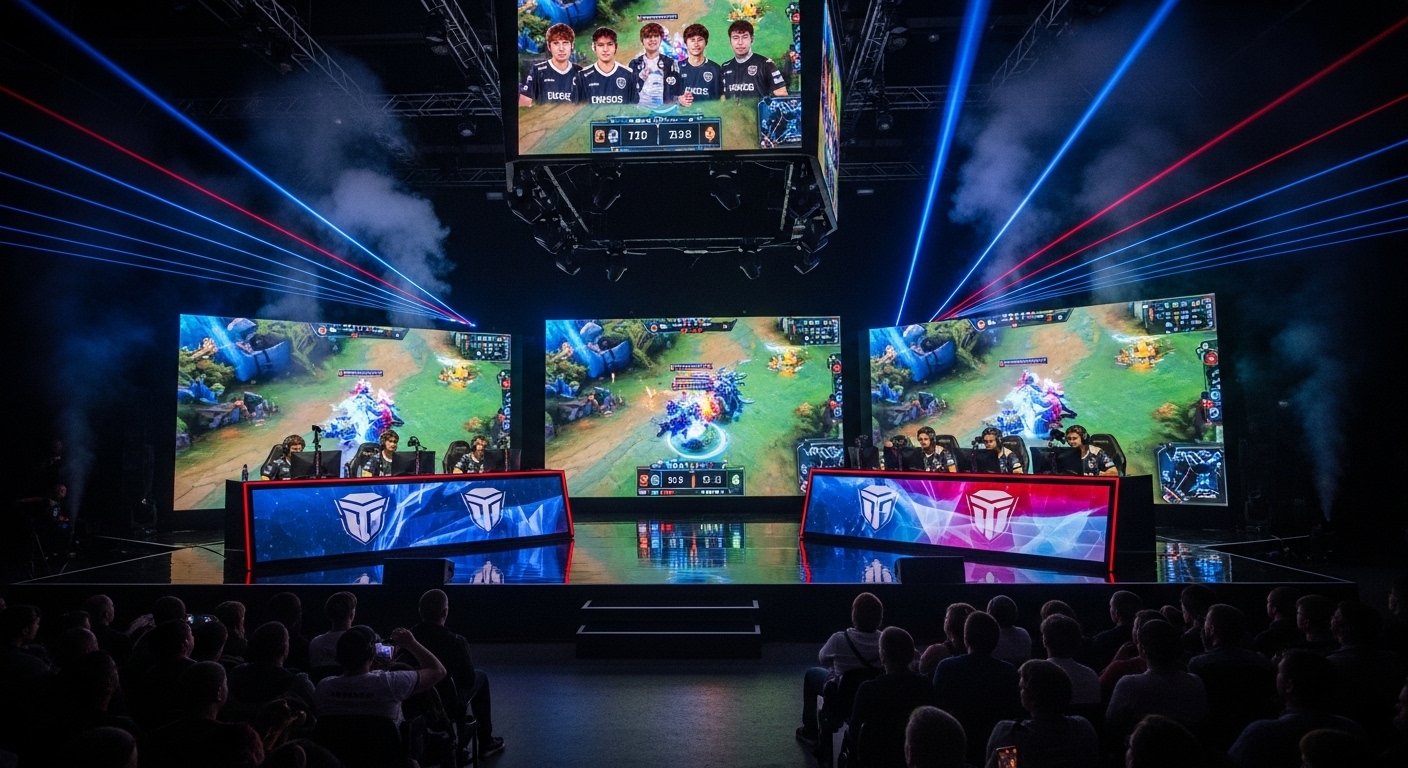
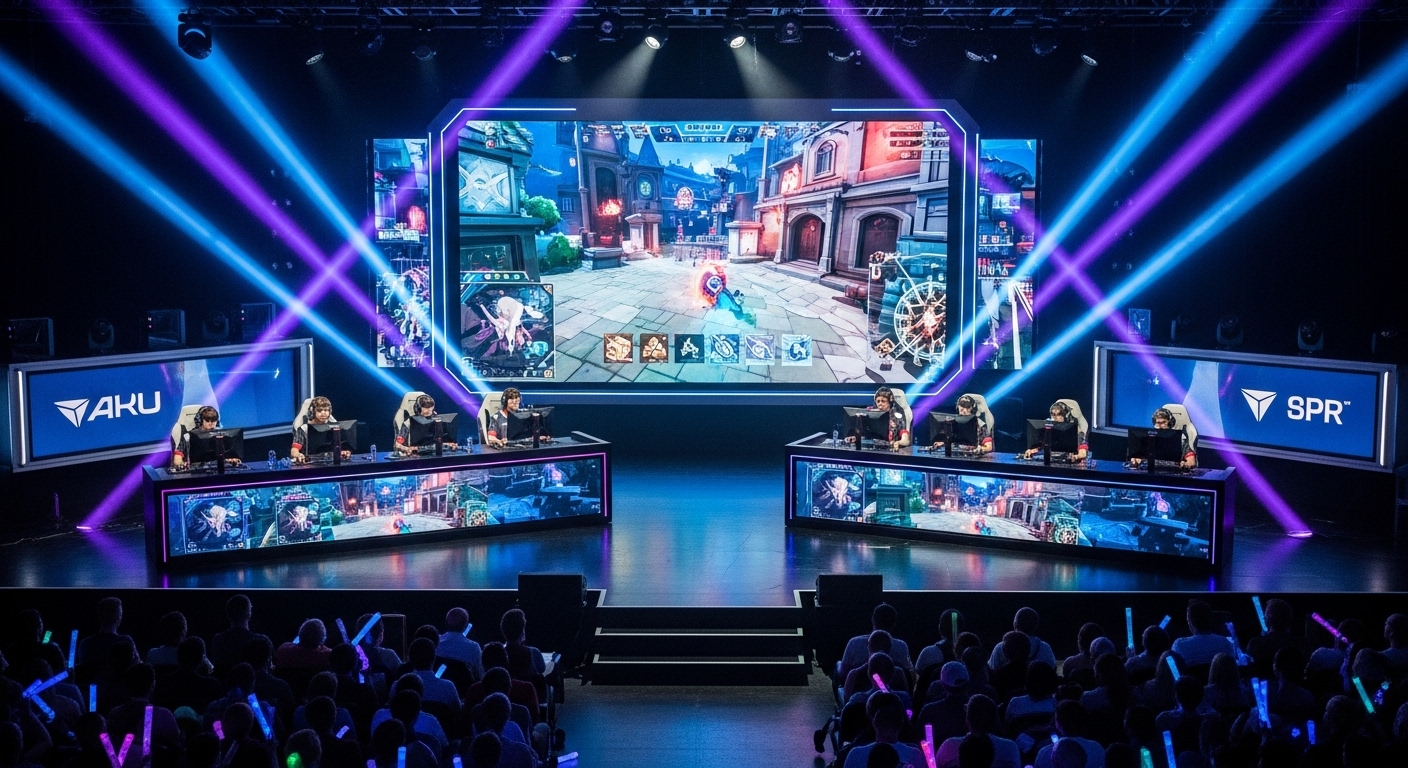
Today, esports has exploded into a global industry with millions of active participants and viewers. Popular games such as League of Legends, Dota 2, Fortnite, and Valorant attract professional players, fan followings, and substantial sponsorship deals. Platforms like Twitch and YouTube Gaming have revolutionized how audiences engage with esports, allowing fans to watch live tournaments, interact with players, and become part of an online community.
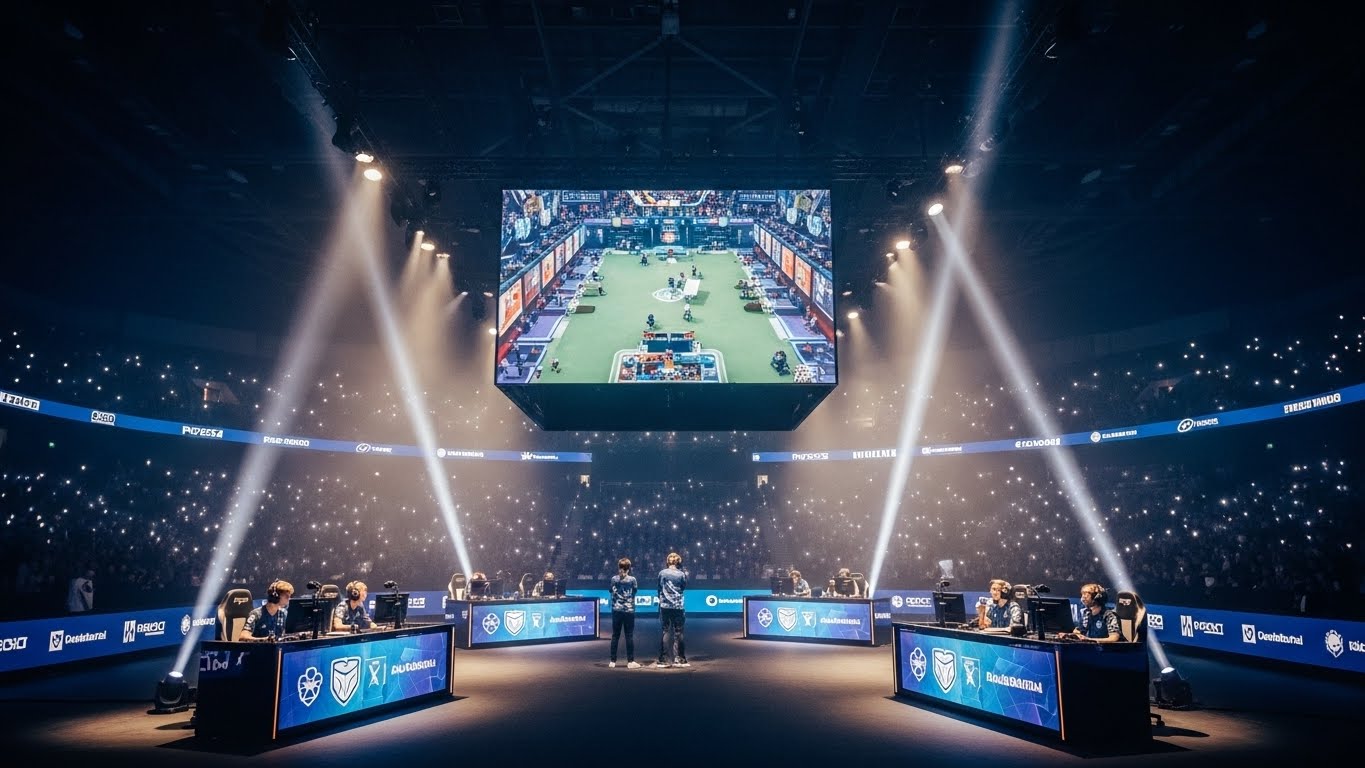
Major esports tournaments now rival traditional sports events in viewership. For example, the League of Legends World Championship regularly draws tens of millions of viewers, while Dota 2’s “The International” offers prize pools exceeding thirty million dollars. This unprecedented growth demonstrates that esports is more than a pastime; it is an industry capable of influencing culture, entertainment, and the economy on a global scale.
Esports as a Career Path
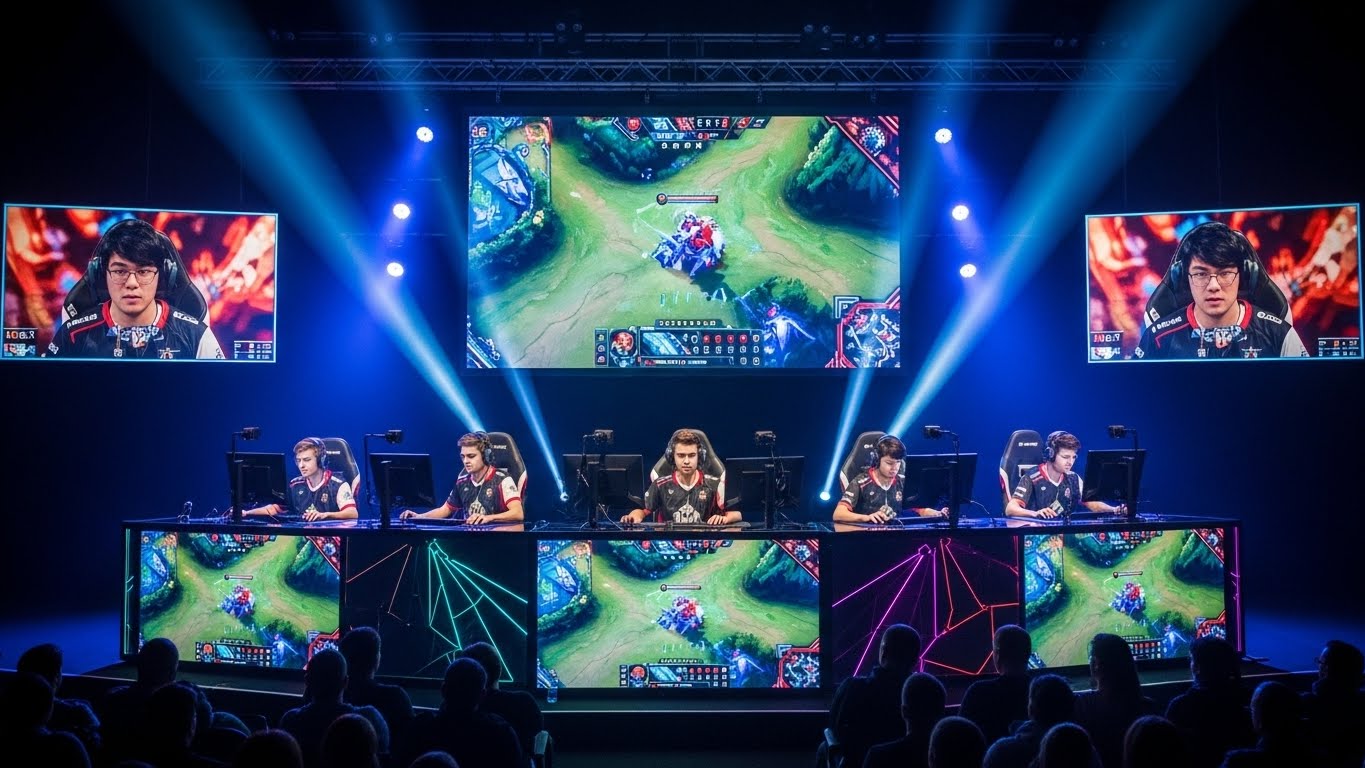
Competitive gaming has evolved into a legitimate career for many talented individuals. Professional esports players dedicate countless hours to mastering their craft, practicing teamwork, strategy, and reflexes. Just like traditional athletes, they follow structured training schedules, analyze opponents, and maintain peak performance levels. Top players earn significant salaries, sponsorship deals, and prize money, making esports a financially viable career.
Beyond players, esports offers numerous career opportunities in coaching, game development, tournament organization, content creation, and broadcasting. Analysts, commentators, and streaming personalities contribute to the ecosystem, turning their passion for gaming into successful professions. Universities and colleges have also started offering esports scholarships, training programs, and courses focused on gaming management and esports marketing, highlighting the increasing legitimacy of the field.
The Social Impact of Esports
Esports has a profound social dimension, connecting players and fans from around the world. Online gaming communities foster collaboration, communication, and social interaction, allowing people to form friendships, share experiences, and build networks regardless of geographic location. For many, esports is a way to belong to a community where shared interests and skills create bonds stronger than distance or culture.
Esports also promotes inclusivity and diversity. Unlike many traditional sports, competitive gaming is accessible to a wide range of individuals regardless of age, gender, or physical ability. Women, differently-abled players, and older participants can compete at high levels, challenging stereotypes and broadening the definition of who can be an athlete. Esports serves as a platform where talent and dedication outweigh traditional physical constraints, highlighting the evolving nature of competitive activity in the modern world.
The Mental and Cognitive Benefits of Esports
While some critics argue that gaming promotes sedentary behavior, research and professional experiences suggest that esports can provide cognitive and mental benefits. Competitive gaming requires quick decision-making, strategic thinking, problem-solving, and teamwork. Players must analyze opponents, adapt to changing situations, and execute precise actions under pressure, skills that transfer to real-world scenarios.
Moreover, esports fosters mental resilience. Players learn to handle failure, adapt to mistakes, and persist in challenging environments. This mindset is crucial not only for gaming success but also for personal and professional development. Concentration, multitasking, and creativity are constantly honed, making esports a unique combination of entertainment and mental exercise.
Technology and Innovation in Esports
Esports and technology are inseparable. The industry has flourished thanks to advancements in high-speed internet, streaming platforms, virtual reality, and powerful gaming hardware. Real-time analytics and performance tracking allow players and coaches to refine strategies and improve gameplay, similar to how traditional sports utilize technology for performance enhancement.
The spectator experience has also evolved with technology. Live streaming allows fans to watch competitions from anywhere in the world, while interactive chat, polls, and augmented reality overlays enhance engagement. Virtual reality esports and cloud gaming promise further innovation, potentially transforming the way people play and watch games in the future. Technology has made esports not just accessible but immersive, turning gaming into a spectator sport on par with conventional athletic events.
Economic Impact of Esports
Esports is a billion-dollar industry, generating revenue through sponsorships, advertisements, merchandise, and ticket sales. Major tournaments attract international brands, while professional teams secure lucrative sponsorships from technology companies, apparel brands, and energy drink manufacturers. The industry also stimulates local economies when tournaments are hosted in cities, boosting tourism, hospitality, and media production.
Esports has proven to be a sustainable business model. Teams, players, event organizers, and broadcasters create an interconnected ecosystem where revenue opportunities are diverse. As gaming culture continues to grow, the economic influence of esports will only expand, offering career and investment opportunities for individuals and organizations alike.
Health and Wellness in Esports
Contrary to popular belief, professional esports players prioritize health and wellness. Physical fitness, proper nutrition, and mental well-being are essential to maintain high-level performance. Many teams employ fitness trainers, nutritionists, and sports psychologists to optimize players’ performance and longevity. Maintaining a healthy lifestyle reduces the risk of burnout, enhances reaction times, and supports mental clarity, proving that esports demands holistic preparation akin to traditional sports.
In addition, awareness campaigns encourage gamers to balance screen time with physical activity, promoting healthier gaming habits. Responsible gaming practices ensure that esports remains an engaging, sustainable, and safe pursuit for enthusiasts at all levels.
Esports and Education
The educational potential of esports is increasingly recognized worldwide. Schools and universities are integrating esports programs, offering competitive teams, scholarships, and courses on game design, esports management, and digital marketing. These initiatives provide students with opportunities to develop teamwork, strategic thinking, and leadership skills in an interactive and engaging environment.
Esports also introduces students to technology and digital literacy, preparing them for careers in gaming, software development, and media production. Educational esports programs demonstrate that competitive gaming is not only entertainment but also a valuable platform for learning and skill development in the 21st century.
Challenges Facing Esports
Despite its growth, esports faces challenges. Concerns about gaming addiction, online harassment, and the physical toll of long gaming sessions highlight the need for responsible practices and regulation. Ensuring inclusivity while addressing gender and diversity gaps remains an ongoing effort.
Additionally, the industry must navigate legal and financial complexities, such as player contracts, intellectual property, and international tournament regulations. As esports continues to professionalize, balancing commercial growth with ethical responsibility and player welfare will be critical to sustaining long-term success.
The Future of Esports
The future of esports is bright and full of potential. Emerging technologies like virtual reality, artificial intelligence, and cloud gaming will revolutionize how games are played, watched, and experienced. The lines between traditional sports, entertainment, and esports will continue to blur, creating hybrid events that appeal to diverse audiences.
Esports will likely become more integrated with mainstream media, education, and culture. As societal recognition of esports as a legitimate sport grows, professional leagues and tournaments will expand, offering new career paths, global exposure, and innovative fan experiences. The potential for esports to influence culture, technology, and entertainment is limitless, positioning it as a defining feature of the modern digital era.
Conclusion
Esports has evolved from a casual hobby into a global movement that reshapes entertainment, sports, and culture. It fosters personal growth, social connection, cognitive development, and economic opportunity, proving that competitive gaming is far more than a pastime. With technological innovation, growing inclusivity, and professionalization, esports offers limitless possibilities for players, fans, and industry stakeholders alike.
As esports continues to thrive, it redefines what it means to compete, to collaborate, and to inspire in the digital age. Competitive gaming is no longer just a game—it is a global force that unites people, drives innovation, and transforms the way we play, watch, and experience entertainment. The esports revolution is here, and it is changing the world one match at a time.