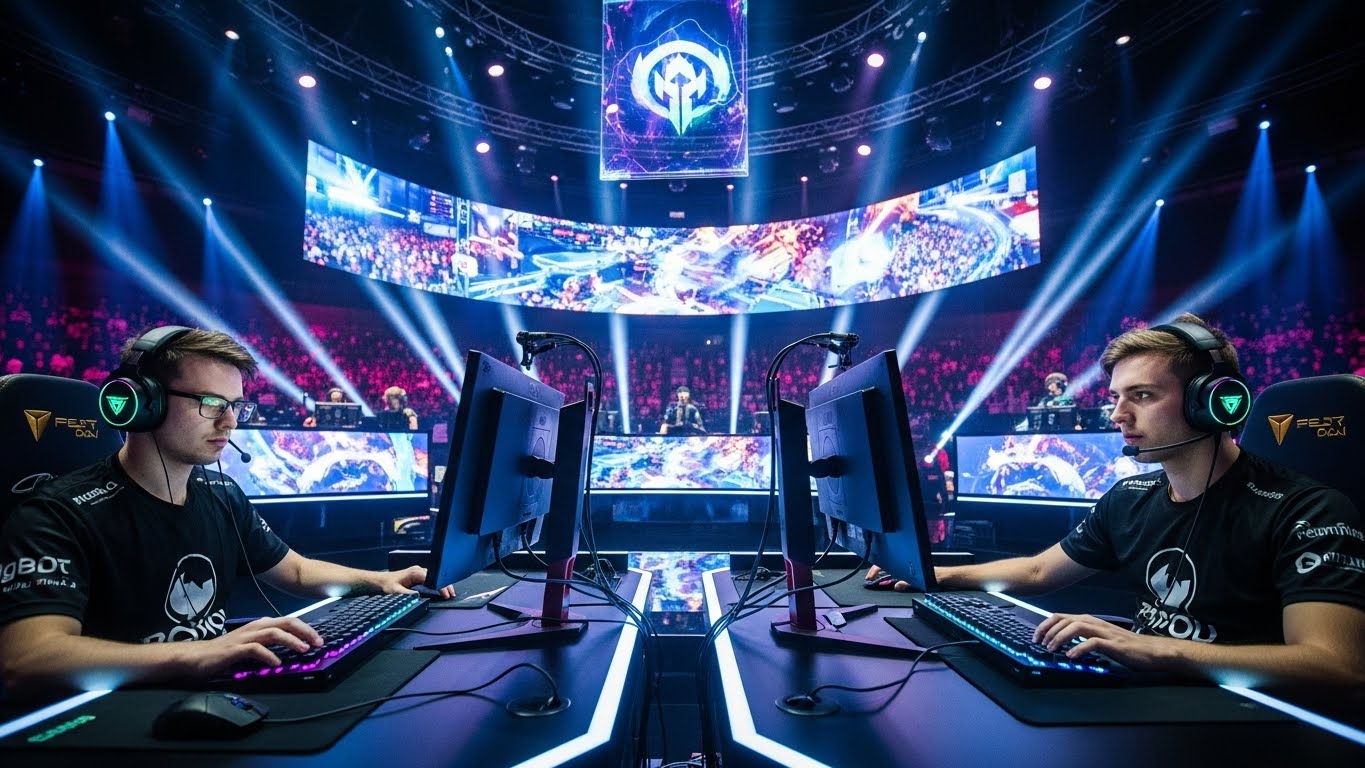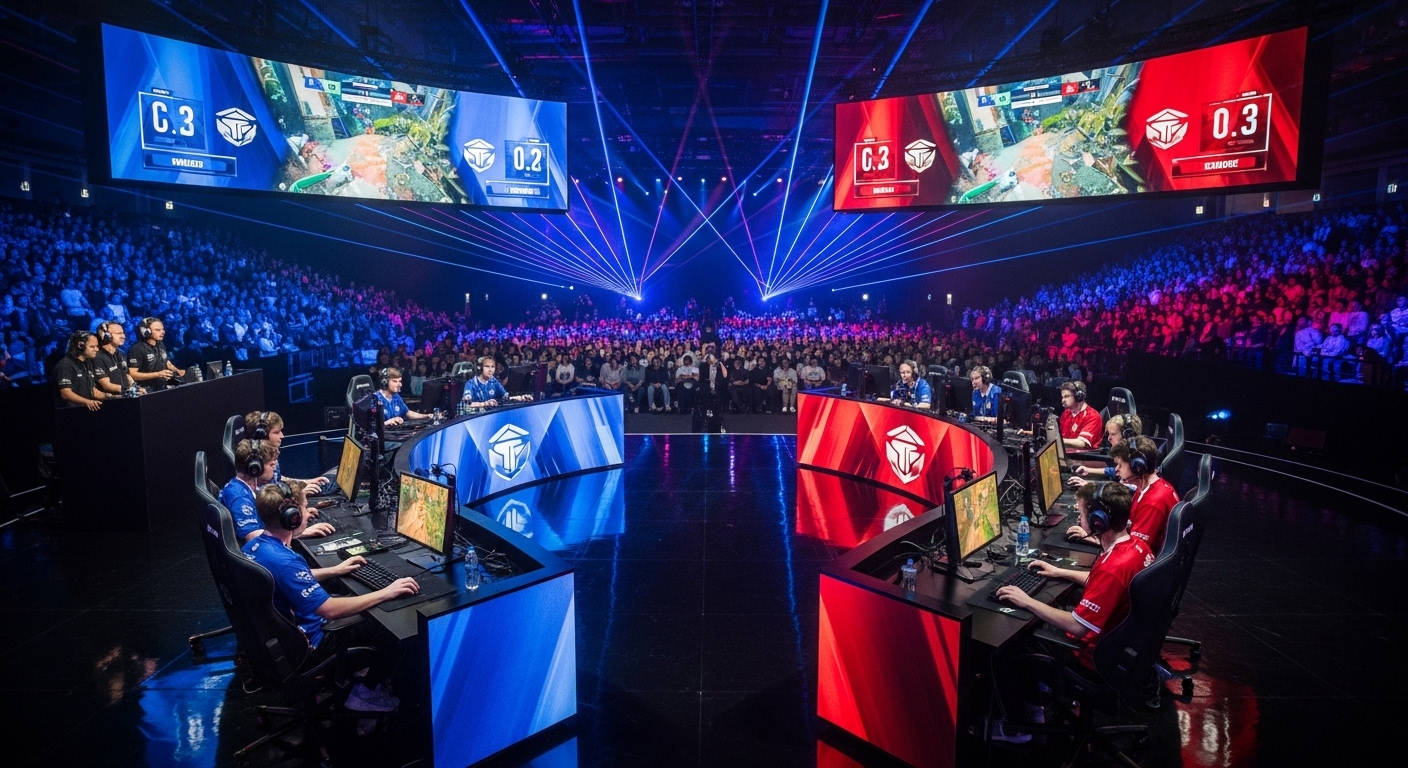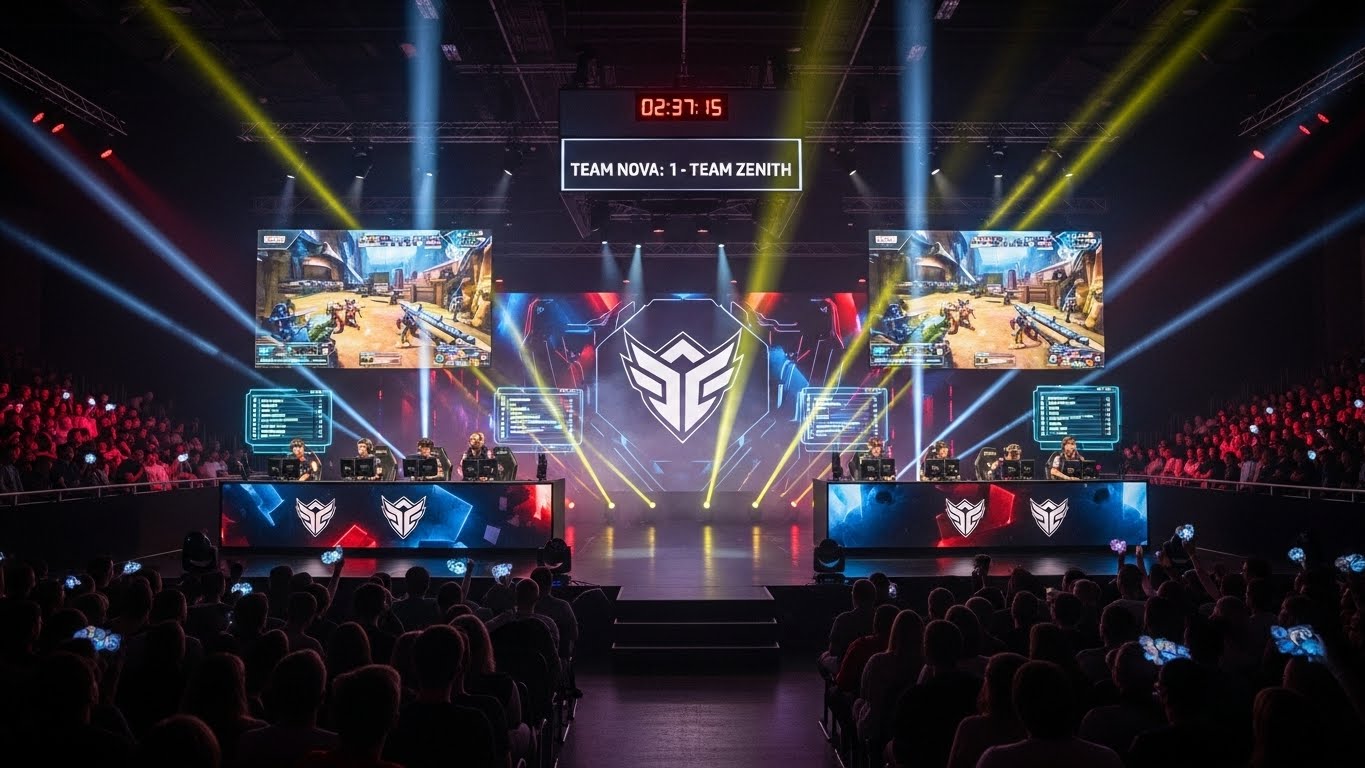
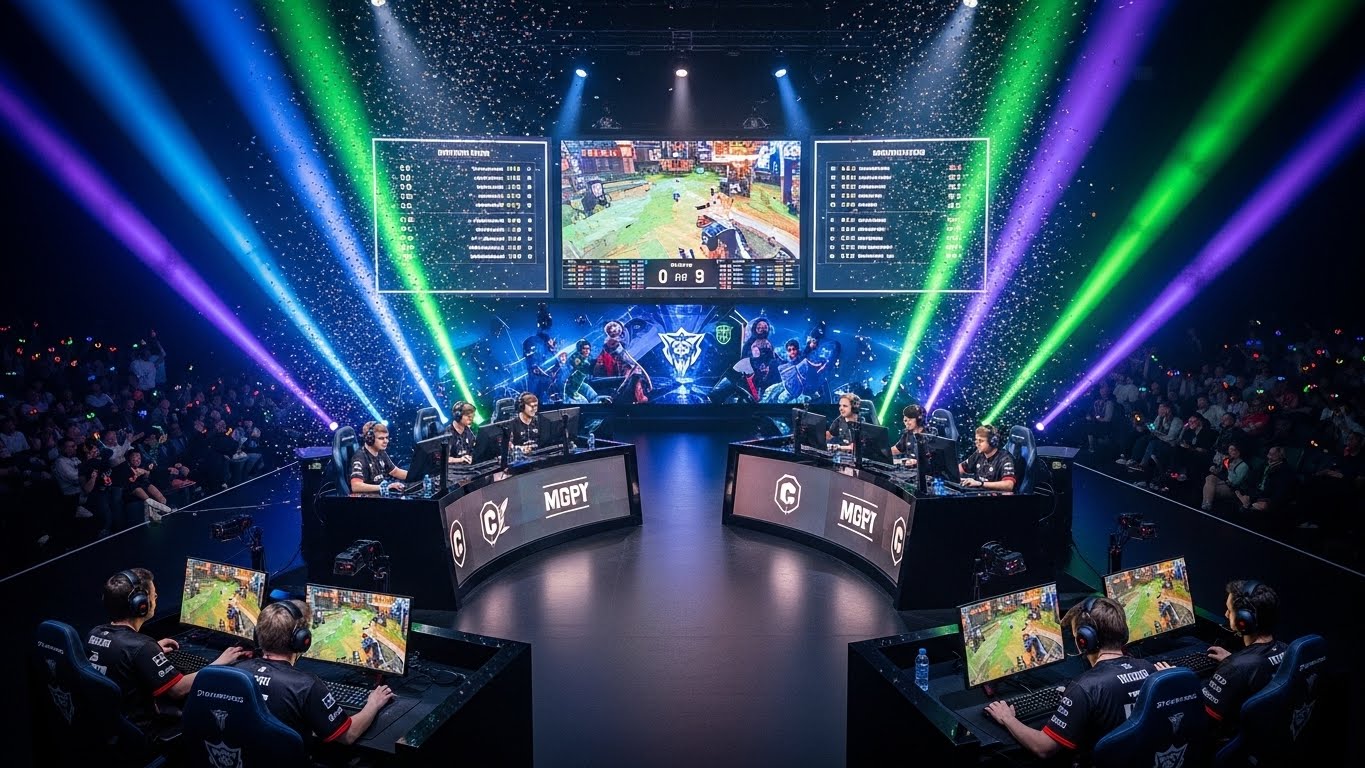
Esports, short for electronic sports, has transformed from a casual gaming hobby into a global phenomenon. What began as informal competitions in arcades and living rooms has evolved into professional leagues, massive tournaments, and a multi-billion-dollar industry. Today, esports is not only a form of entertainment but also a career path, a cultural movement, and a platform for innovation. This article explores the history, impact, and future of esports, highlighting how competitive gaming is reshaping entertainment, society, and technology.
The Origins of Esports
The history of esports dates back to the 1970s and 1980s when video games like Space Invaders, Pac-Man, and Donkey Kong captured public attention. Early competitions were primarily high-score contests held in arcades, where players competed for recognition and small prizes. These contests laid the foundation for organized competitive gaming.
In the 1990s, multiplayer games such as Quake, StarCraft, and Counter-Strike introduced structured formats that resembled modern esports tournaments. South Korea became a pioneer in esports culture, with StarCraft competitions televised nationally, drawing millions of viewers. These developments demonstrated the potential for gaming as both a spectator sport and a professional career, setting the stage for the international esports boom.
The Global Popularity of Esports
Esports has experienced explosive growth in recent years, with millions of players and viewers worldwide. Popular games such as League of Legends, Dota 2, Fortnite, and Valorant dominate the competitive gaming landscape. Streaming platforms like Twitch and YouTube Gaming have revolutionized how fans interact with esports, enabling them to watch live tournaments, chat with players, and participate in a global gaming community.
Major esports tournaments rival traditional sports events in viewership and excitement. The League of Legends World Championship attracts tens of millions of viewers annually, while Dota 2’s “The International” offers prize pools exceeding thirty million dollars. This level of engagement highlights the legitimacy of esports as a mainstream form of entertainment and a significant cultural force.
Esports as a Career Path
Esports offers legitimate career opportunities for players, coaches, analysts, and other professionals within the industry. Professional players dedicate significant time and effort to practice, refine strategies, and maintain peak mental and physical performance. They compete in local, regional, and international tournaments, often earning substantial salaries, sponsorship deals, and prize money.
Beyond players, careers in esports include coaching, event management, content creation, broadcasting, and game development. Educational institutions worldwide now offer esports programs, scholarships, and degree courses, preparing students for professional roles in the industry. Esports has evolved from a pastime to a sustainable and recognized career option.
Social and Cultural Impact of Esports
Esports has a profound social impact, connecting people across cultures and countries. Online gaming communities allow players to collaborate, communicate, and compete with others worldwide. These communities create social bonds, a sense of belonging, and shared experiences that go beyond the game itself.
Esports also promotes inclusivity and diversity. Unlike traditional sports, competitive gaming is accessible to individuals regardless of age, gender, or physical ability. Women, older players, and differently-abled individuals can compete at high levels, challenging stereotypes and broadening the definition of what it means to be an athlete. Esports provides a platform where dedication, skill, and strategy matter more than physical attributes, fostering equality and empowerment.
Cognitive and Mental Benefits
Competitive gaming offers significant cognitive and mental benefits. Esports requires strategic thinking, problem-solving, rapid decision-making, and teamwork. Players must analyze opponents, adapt to evolving situations, and execute precise actions under pressure. These skills are transferable to real-world scenarios, enhancing critical thinking, collaboration, and decision-making abilities.
Esports also builds mental resilience. Players learn to manage stress, cope with failure, and maintain focus during intense matches. Goal-setting, perseverance, and concentration are central to competitive gaming, making esports a tool for personal growth and cognitive development.
Technology and Innovation in Esports
The esports industry is closely tied to technological advancement. High-speed internet, advanced gaming hardware, streaming platforms, and performance analytics have revolutionized both competitive play and spectator experiences. Coaches and analysts use data to optimize player performance, refine strategies, and prevent burnout, similar to traditional sports methods.
For spectators, technology enhances engagement through high-definition broadcasts, interactive chat, live commentary, and augmented reality overlays. Emerging innovations such as virtual reality, cloud gaming, and AI-driven analytics promise to further transform esports, offering immersive experiences and new ways for players and fans to interact.
Economic Significance of Esports
Esports has become a significant economic force, generating billions of dollars annually. Revenue streams include sponsorships, advertising, merchandise, ticket sales, and media rights. Major tournaments attract global brands, while professional teams secure lucrative deals with technology companies, apparel brands, and beverage manufacturers.
Esports also stimulates local economies when tournaments are hosted in cities, attracting tourism, media coverage, and employment opportunities. The industry’s interconnected ecosystem ensures diverse revenue streams for players, organizers, and businesses, demonstrating that esports is not only entertainment but also a robust economic sector.
Health and Wellness in Esports
Contrary to popular belief, professional esports players prioritize health and wellness. Maintaining physical fitness, proper nutrition, and mental well-being is essential for peak performance. Many professional teams employ fitness coaches, nutritionists, and sports psychologists to optimize performance and sustain long-term careers.
Responsible gaming practices encourage balance between screen time and physical activity, ensuring that players remain healthy and competitive. Mental health awareness is also a priority, as focus, resilience, and stress management are crucial for success in high-pressure competitive environments.
Esports and Education
Esports is increasingly recognized in educational settings. Schools and universities offer esports programs, scholarships, and competitive teams, providing students with opportunities to develop strategic thinking, teamwork, and leadership skills. Academic programs focus on esports management, digital marketing, and game development, preparing students for professional roles within the industry.
Participating in educational esports programs helps students balance competition with academic responsibilities, fostering discipline, time management, and problem-solving skills. Education and esports are converging to create a structured pathway for future professionals.
Challenges Facing Esports
Despite its growth, esports faces several challenges. Gaming addiction, excessive screen time, online harassment, and mental health risks are significant concerns. Ensuring inclusivity and addressing gender disparities remain ongoing challenges. Additionally, legal and financial issues, including contracts, intellectual property rights, and tournament regulations, must be carefully managed.
Maintaining ethical standards, promoting responsible gaming, and supporting player welfare are essential for the sustainable growth of esports. Addressing these challenges ensures that the industry remains safe, inclusive, and respected globally.
The Future of Esports
The future of esports is promising and full of potential. Emerging technologies such as virtual reality, cloud gaming, and artificial intelligence will continue to shape gameplay, training, and fan engagement. Esports is expected to merge further with mainstream media, entertainment, and education, creating hybrid events and new experiences for audiences.
Recognition of esports as a legitimate sport is growing, with professional leagues, international tournaments, and educational programs gaining prominence. As esports continues to innovate and expand, it will influence culture, entertainment, and technology, solidifying its position as a defining feature of the digital era.
Conclusion
Esports has evolved from casual gaming to a global industry with cultural, social, and economic significance. It provides opportunities for career development, cognitive growth, social engagement, and technological innovation. Competitive gaming has become a legitimate form of entertainment that unites people, promotes inclusivity, and challenges traditional definitions of sports.
The rise of esports demonstrates the power of passion, skill, and dedication in shaping the modern world. As it continues to grow, esports will redefine how we play, watch, and interact with games, influencing entertainment, education, and professional opportunities. Competitive gaming is no longer just a pastime—it is a global phenomenon that continues to transform lives and inspire millions around the world.