Introduction
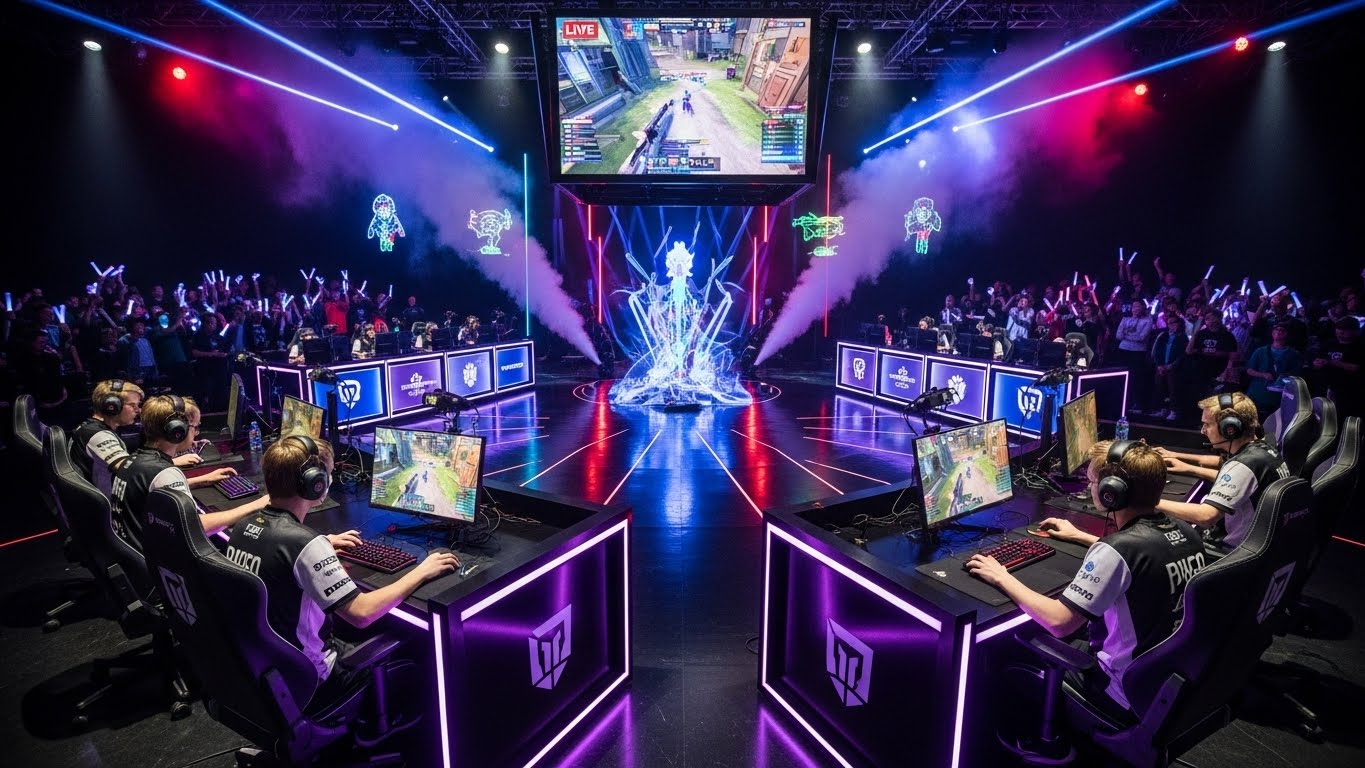
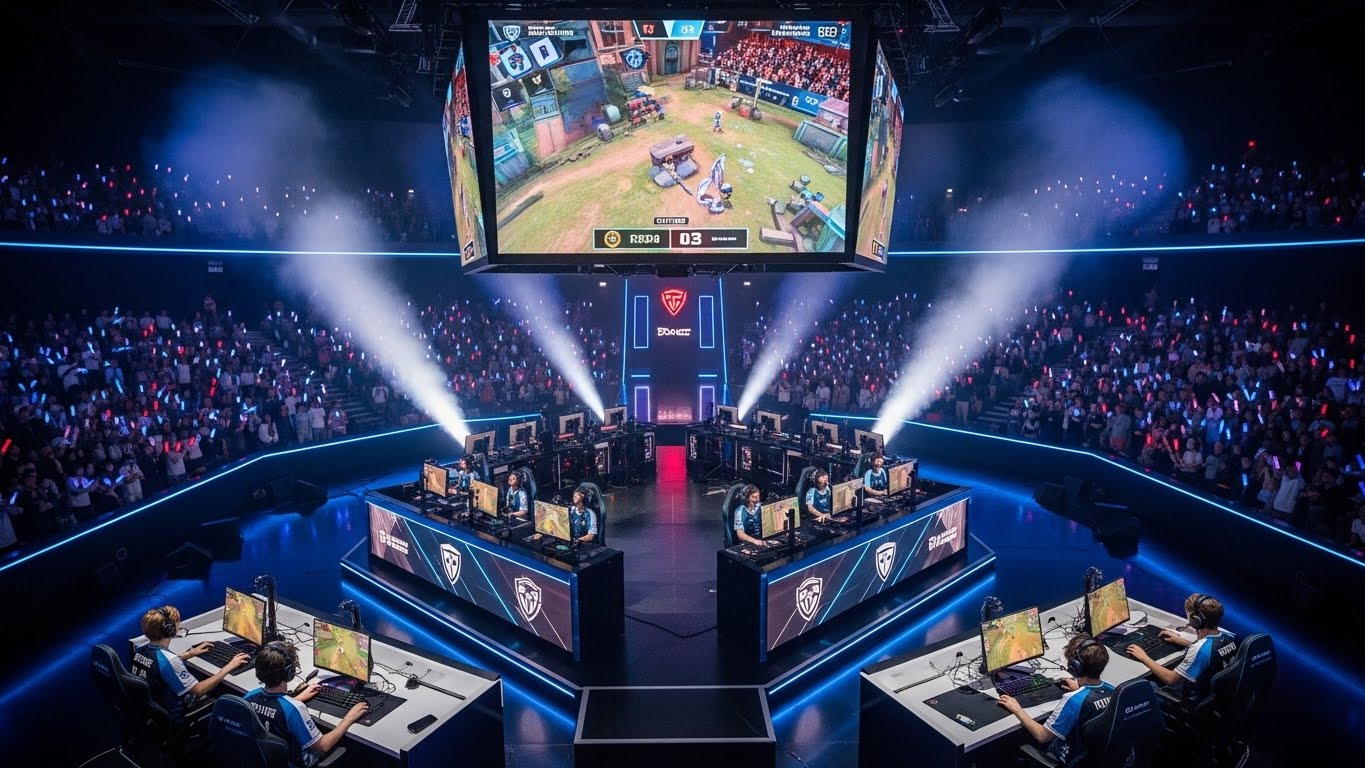
Esports has transformed from a niche hobby into a global entertainment powerhouse. Millions of fans tune in to watch their favorite games, teams, and players in real time. The experience of watching esports is not just about the gameplay—it’s about the broadcast. Behind every live stream, every highlight, and every thrilling moment is an intricate ecosystem of technology that makes esports broadcasting possible.
Unlike traditional sports broadcasting, esports broadcasting involves unique challenges: capturing digital gameplay, integrating player reactions, engaging audiences across online platforms, and delivering smooth, high-definition experiences globally. With advancements in live streaming, cloud computing, augmented reality (AR), and artificial intelligence (AI), esports broadcasting has become more advanced and immersive than ever before.
In this blog, we will break down the world of esports broadcasting technology—how it works, the tools used, innovations shaping the industry, and what the future holds.
The Core Components of Esports Broadcasting
To understand esports broadcasting, we need to look at the main elements that make it work.
1. Game Capture Technology
Unlike physical sports, esports doesn’t rely on cameras filming athletes on a field. Instead, it requires specialized game capture tools. Broadcasters capture the in-game feed directly from the game client or spectator mode. This ensures audiences see exactly what the players see, but with additional features like overlays and commentary.
- Game Clients & Spectator Tools: Many games like League of Legends, CS:GO, and Valorant have built-in spectator modes, allowing broadcasters to control camera angles, zoom in on key plays, and highlight exciting moments.
- Capture Cards & Software: For console games like Call of Duty or FIFA, broadcasters use capture cards (Elgato, Blackmagic Design) to transfer the gameplay feed to the broadcast system.
2. Production Studios & Control Rooms
Behind every professional esports event is a broadcast control room, similar to TV sports productions. These setups include switchers, mixers, and directors controlling the live feed.
- Video Switchers: Allow producers to switch between multiple feeds—gameplay, player cameras, audience shots, and commentators.
- Audio Mixers: Balance game sounds, commentary, and background music for a seamless experience.
- Graphics Systems: Insert scoreboards, player stats, sponsor logos, and instant replays.
3. Live Commentary & Casting
Esports broadcasting would be incomplete without casters—the voices guiding viewers through the game. They use professional-grade microphones, headsets, and mixing equipment to ensure clear commentary. Advanced AI tools now also provide real-time stat tracking to assist casters in delivering insights.
4. Streaming Platforms
Distribution is as important as production. Unlike traditional sports limited to TV, esports thrives on online platforms:
- Twitch: The dominant platform for live esports streaming.
- YouTube Gaming: Popular for highlights and VODs.
- Facebook Gaming & Kick: Emerging alternatives for global reach.
- Chinese Platforms: Huya, DouYu, and Bilibili serve the massive Asian audience.
These platforms use Content Delivery Networks (CDNs) to ensure smooth streaming across the globe.
The Evolution of Esports Broadcasting
Esports broadcasting has come a long way in just two decades.
Early Days (2000–2010)
- Events were small, often streamed on platforms like Justin.tv (which later became Twitch).
- Low resolution (480p or worse) and laggy connections were common.
- Commentary was basic, often done by passionate fans rather than professionals.
Growth Era (2010–2018)
- Twitch’s rise revolutionized esports streaming.
- Riot Games launched the League of Legends Championship Series (LCS) with professional-level broadcasts.
- 1080p became the standard, with production quality rivaling traditional sports.
- Major tournaments began renting arenas and using multiple camera setups.
Modern Era (2019–Present)
- 4K streaming, real-time stat overlays, and immersive graphics are now standard.
- Augmented Reality (AR) elements, such as player holograms and 3D maps, enhance broadcasts.
- COVID-19 accelerated remote broadcasting, where casters and producers worked from home.
- AI-powered tools automate highlight reels, captions, and predictions.
Key Technologies Powering Esports Broadcasting
Let’s dive deeper into the technologies behind modern esports broadcasting.
1. Streaming Infrastructure
High-quality esports broadcasting relies on strong infrastructure:
- Encoding & Compression: Tools like OBS (Open Broadcaster Software), vMix, and XSplit compress raw video into streamable formats without losing quality.
- CDNs: Networks like Akamai, Cloudflare, and Amazon CloudFront distribute streams globally with minimal lag.
- Latency Reduction: Technologies like WebRTC and low-latency HLS ensure fans can watch near real time.
2. Artificial Intelligence & Data Analytics
AI is transforming esports broadcasting by making streams more engaging.
- Automated Highlights: AI tools detect key moments like kills, objectives, or game-winning plays.
- Stat Overlays: AI pulls real-time player stats and updates the scoreboard dynamically.
- Audience Insights: Machine learning tracks viewer engagement, helping broadcasters tailor content.
3. Virtual & Augmented Reality
AR and VR are increasingly common in esports broadcasts.
- AR Overlays: During League of Legends Worlds, broadcasters use AR dragons or champion models on stage.
- VR Experiences: Fans can watch matches in VR arenas, sitting virtually next to thousands of other viewers.
- 3D Replays: Some tournaments use AR to break down complex plays with 3D animations.
4. Cloud Technology
Cloud computing has enabled remote production. Instead of flying production teams worldwide, broadcasters now use cloud-based systems to control broadcasts remotely. This reduces costs and increases flexibility.
- Cloud Video Editing: Allows highlights to be clipped and shared instantly.
- Virtual Studios: Cloud-based setups replace traditional hardware-heavy studios.
5. Multi-Camera & POV Integration
Professional tournaments often include:
- Player POVs: Individual player screens for detailed analysis.
- Face Cams: Capturing emotional reactions from pros.
- Crowd Shots: Adding energy from live audiences.
- Drone Cameras: For massive LAN events, drones capture sweeping shots of arenas.
The Role of Esports Broadcasters & Talent
Technology is only part of the story—the people behind esports broadcasting bring the show to life.
Commentators (Casters)
Casters hype up the action, explain strategies, and connect with audiences. They rely on real-time data dashboards, communication with producers, and sometimes AI stat feeds.
Observers
Observers control the in-game camera. In CS:GO, for example, they decide when to show clutch plays, grenade throws, or strategic rotations. Their role is crucial for storytelling.
Analysts & Desk Hosts
Analysts break down plays using telestration tools, 3D maps, and heatmaps. Desk hosts keep the broadcast flowing between games.
Production Crew
From camera operators to audio engineers, the crew ensures seamless delivery. Many now work remotely thanks to cloud production.
Challenges in Esports Broadcasting
While esports broadcasting has advanced rapidly, it still faces unique challenges.
- Technical Complexity
- Unlike sports, where a ball is the main focus, esports can have multiple simultaneous actions. Observers must choose the best camera angles.
- Latency Issues
- Fans demand real-time action, but global streaming introduces delays. Minimizing latency without reducing quality is a constant battle.
- Game Developer Restrictions
- Some developers limit API access or control broadcasting rights tightly. This can affect third-party tournament organizers.
- Monetization & Copyright
- Music copyright often causes muted streams or takedowns. Monetizing broadcasts while avoiding copyright strikes is a challenge.
- Scalability
- Major events like The International or Worlds attract millions of viewers simultaneously, requiring massive infrastructure to avoid crashes.
The Future of Esports Broadcasting
The next decade promises even more innovation in esports broadcasting.
1. 8K & Ultra-Low Latency Streams
As internet speeds improve, expect broadcasts in 8K resolution with delays reduced to near-zero.
2. Personalized Broadcasts
Fans may soon choose their own viewing experience:
- Switch between player POVs.
- Customize overlays (stats, maps, or minimal HUD).
- Toggle casters on or off.
3. AI Co-Casters
AI may one day co-cast alongside humans, providing instant stats, predictions, and even commentary.
4. Expanded VR & AR
Entire esports events could take place in virtual arenas, where fans can walk around, interact, and watch matches from unique angles.
5. Blockchain & Interactive Monetization
Blockchain-based systems may allow fans to directly support players, unlock exclusive broadcast features, or buy NFT-based in-game highlights.
Case Studies: Esports Broadcasting in Action
1. League of Legends Worlds Championship
- Riot Games uses custom-built broadcasting software.
- AR dragons and champion projections enhance the stage.
- Multilingual broadcasts serve millions globally.
2. The International (Dota 2)
- Features interactive maps, live drafting overlays, and AI-powered win probability stats.
- Fans can follow individual player POVs in the Dota TV client.
3. Overwatch League
- Uses a virtual studio for hosting and analysis.
- Integrates advanced AR to display heroes and team compositions on screen.
4. Fortnite World Cup
- Required massive server and broadcasting setups due to 100-player matches.
- Multi-camera integration captured both player screens and live reactions.
Why Esports Broadcasting Matters
Esports broadcasting is more than just showing a game—it’s about creating a spectacle. Technology allows fans to feel closer to the action, whether they’re watching a global championship or a small community tournament.
Broadcasting also fuels the business of esports:
- Sponsors gain visibility through overlays and ads.
- Teams build brands via streams and player cams.
- Platforms monetize viewership with ads and subscriptions.
Without advanced broadcasting, esports would not be the billion-dollar industry it is today.
Conclusion
Esports broadcasting technology has evolved into a highly sophisticated industry, blending traditional sports production techniques with cutting-edge digital innovation. From game capture systems and AI-driven overlays to VR arenas and cloud-based production, the tools and methods behind esports broadcasts are constantly advancing.
As technology continues to develop, esports broadcasts will become even more immersive, personalized, and interactive. Fans will have more control, experiences will be richer, and esports will solidify its place as a global entertainment giant.