Introduction
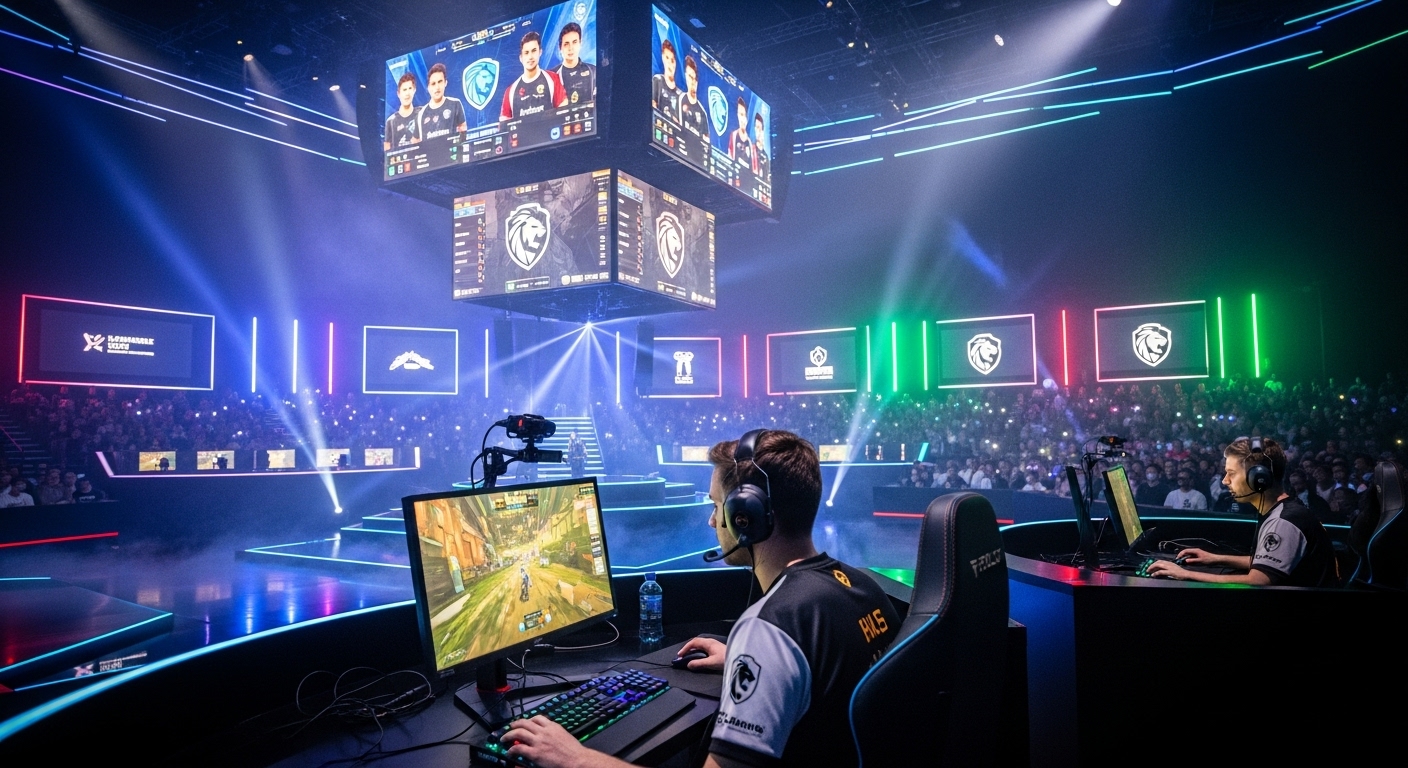
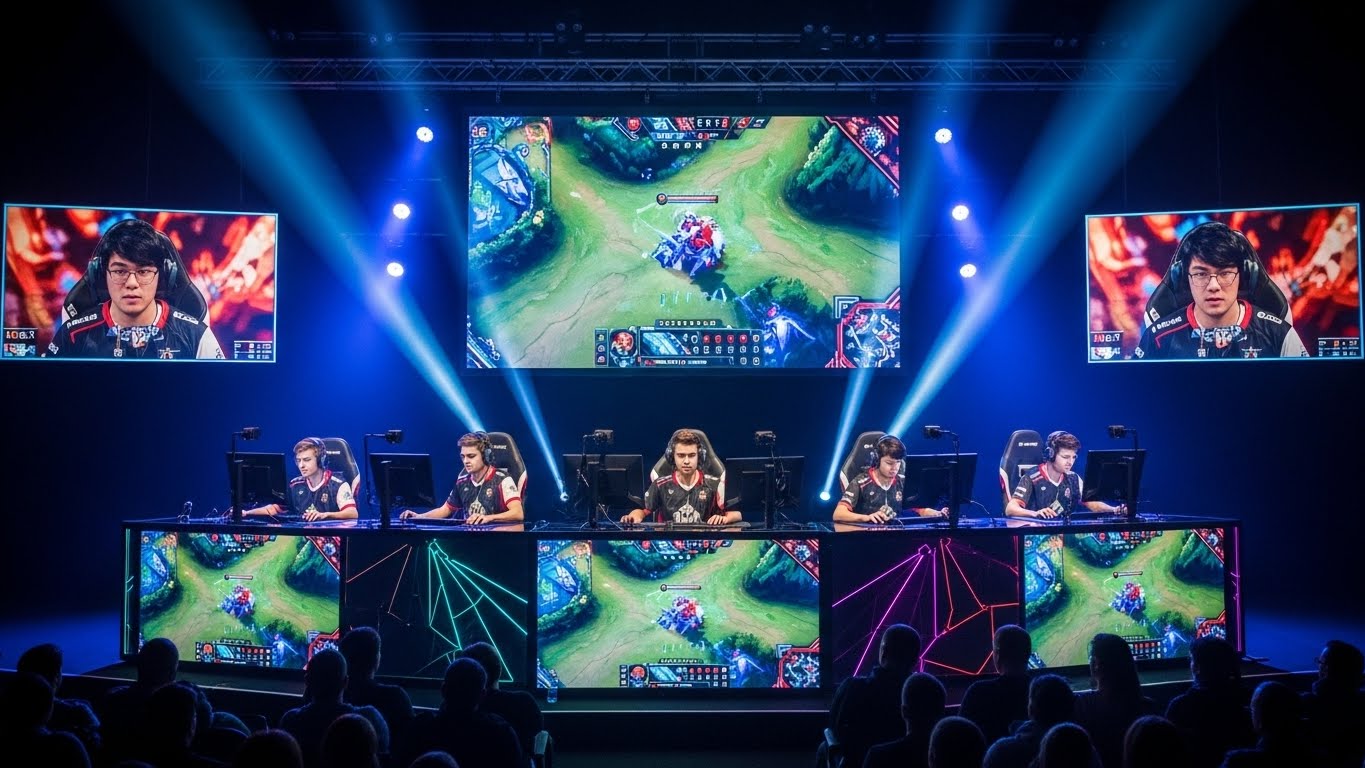
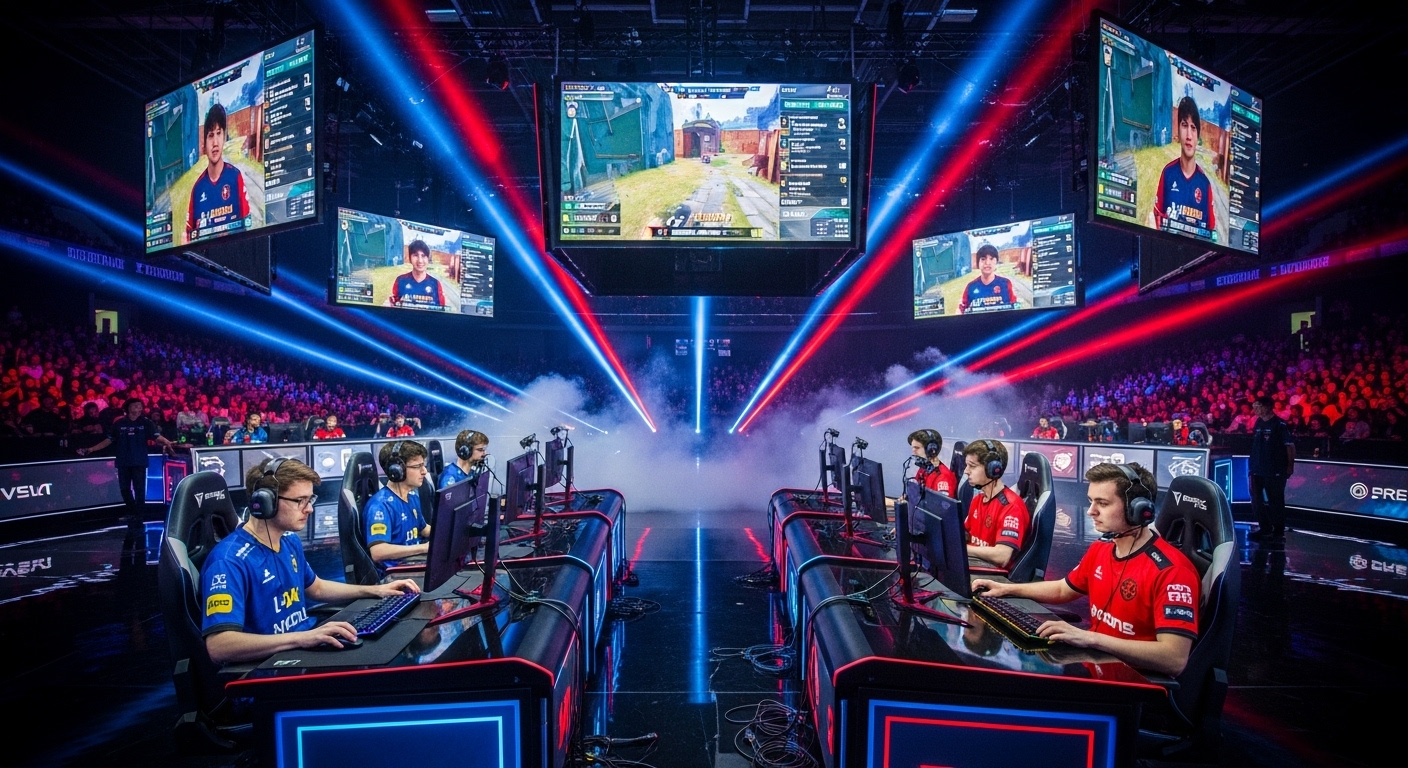
Esports has rapidly evolved from a casual pastime into one of the most influential entertainment industries in the world. What used to be seen as simple gaming has transformed into a powerful form of digital competition, professional career path, and cultural movement. Millions of fans tune in to watch tournaments, cheer for their favorite players, and celebrate victories with the same enthusiasm traditionally reserved for major sporting events. As technology grows and global interest expands, esports continues to redefine what competition looks like in the modern world. This blog explores the rise of esports, its impact on society, the dedication of players, and why it has become such a dominant force in today’s entertainment landscape.
The Evolution of Competitive Gaming
Competitive gaming began long before esports became a recognized industry. In the early days of arcade centers, players battled for high scores, bragging rights, and recognition within their local communities. Games like classic fighting titles and early PC strategy games paved the way for organized competitions. As internet connectivity spread, gaming shifted from isolated battles to worldwide matches. This global connection laid the foundation for online tournaments, leagues, and professional structures. Over time, competitive gaming grew from small events held in local venues to international tournaments watched by millions.
The Technologies That Fueled Esports Growth
Technology played a massive role in shaping esports into what it is today. High-speed internet allowed players to participate in real-time matches with opponents around the world. Streaming platforms made it possible for fans to watch live competitions from home. Advanced graphics and game engines created visually engaging experiences that enhanced the viewer appeal of competitive gaming. These technological developments made esports an accessible, exciting, and global form of entertainment.
The Structure of Modern Esports
Modern esports operates with a professional structure similar to traditional sports. Teams are formed with players specializing in different games. Coaches, analysts, and training workers support the players behind the scenes. Organizations invest in facilities where players train for hours each day. Tournaments are organized with detailed rules, match schedules, and carefully arranged brackets. This level of organization reflects the seriousness of esports as a professional field and shows how far competitive gaming has progressed over the years.
The Rise of Professional Esports Players
Esports players have become global celebrities, admired for their quick reflexes, strategic minds, and teamwork. They are modern digital athletes who dedicate countless hours to mastering their skills. Professional players face intense pressure as they compete in high-stakes matches watched by massive audiences. Their careers demand discipline, resilience, and constant improvement. Many begin training at a young age, spending hours analyzing gameplay, studying strategies, and working with teammates to strengthen their performance. Their dedication reflects the professional nature of the esports industry.
Training and Preparation Behind the Scenes
Behind the thrilling moments on the virtual battlefield lies a world of intense preparation. Players follow strict schedules, including practice sessions, team meetings, and physical conditioning. Mental endurance is also crucial. Players must stay calm under pressure, make rapid decisions, and adapt to opponents’ strategies. Many teams employ psychologists, nutritionists, and fitness trainers to support players’ well-being. This structured environment ensures that players perform at their highest level during competitions.
The Importance of Strategy in Esports
Strategy is one of the key elements that distinguish esports from casual gaming. Teams spend hours studying opponents, reviewing past matches, and developing complex tactics. Every move in a professional match is calculated, practiced, and refined. Different games require different approaches, whether through fast-paced action, long-term planning, or perfect coordination among team members. The combination of strategy and skill makes esports dynamic and thrilling to watch.
The Global Audience and Fan Culture
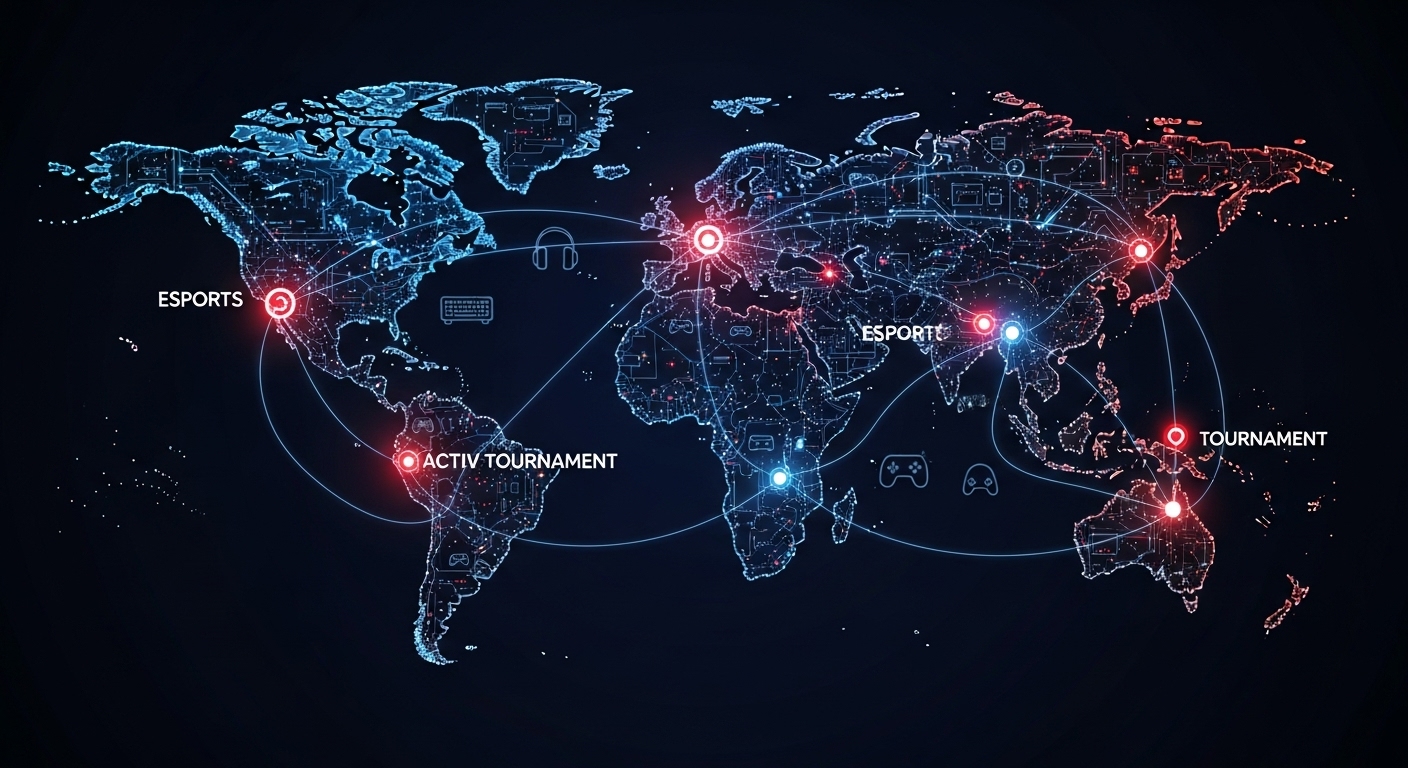
Esports has built a vibrant and passionate global audience. Fans watch tournaments, participate in online discussions, and support their favorite players and teams. This community-driven culture has created a sense of unity among people from different countries, backgrounds, and ages. The excitement of esports events often mirrors the atmosphere of traditional sports, complete with fan chants, predictions, and celebrations. As the audience grows, the cultural impact of esports becomes even more significant.
The Economic Impact of Esports
Esports is not only entertaining; it has become an economic powerhouse. Prize pools in major tournaments reach impressive amounts, attracting the best players from around the world. Sponsorship deals, merchandise sales, team organizations, and event productions contribute to a thriving financial ecosystem. Esports also supports numerous career paths beyond professional play, including event management, broadcasting, game design, marketing, and coaching. This economic growth demonstrates the stability and future potential of the industry.
Esports and Social Connectivity
One of the most remarkable aspects of esports is its ability to connect people. Online communities form around games, teams, and shared experiences. These communities encourage teamwork, friendship, and communication across borders. For many individuals, gaming becomes a social outlet where they can meet people, collaborate, and build long-lasting connections. Esports brings people together through competition, creativity, and passion.
The Role of Women in Esports
Women have increasingly become key figures in the esports world. Female players, casters, hosts, and industry professionals are gaining recognition for their outstanding contributions. Although the field has been historically male-dominated, efforts to promote inclusivity have opened more doors for women. As more female talent emerges, the industry becomes richer, more diverse, and more representative of the global gaming community.
Health and Well-Being in Esports
Esports requires players to maintain good physical and mental health. Long training hours can be mentally demanding, and players must learn how to manage stress, fatigue, and pressure. Many teams now implement programs focused on maintaining physical fitness, promoting better posture, and ensuring proper rest. Healthy lifestyle choices help players perform better and extend their careers. This emphasis on well-being shows how esports is becoming more similar to traditional sports in its approach to athlete care.
Education and Career Opportunities
Esports has expanded into educational institutions around the world. Schools and universities now offer scholarships, courses, and programs focused on esports. Students can learn about game development, broadcasting, marketing, and event organization. Esports provides pathways into various careers, giving young people the chance to turn their passion for gaming into a profession. This integration into education highlights the growing influence and acceptance of esports.
The Future of Esports
The future of esports is filled with possibilities. With advancements in virtual reality, artificial intelligence, and gaming technology, new genres of competition may emerge. Esports will likely expand into more global markets, reach larger audiences, and create new opportunities for players and fans. As the industry continues to grow, it will shape entertainment, culture, and technology in exciting ways.
Conclusion
Esports has risen from humble beginnings to become one of the most powerful movements in modern entertainment. Its combination of competition, strategy, and community has captured the attention of millions around the world. Professional players continue to push the limits of skill and creativity, while fans fuel the passion that drives this vibrant industry forward. As technology evolves and new generations embrace digital culture, esports will remain a global force that shapes how people connect, compete, and celebrate the thrill of modern competition.