Esports, or competitive video gaming, has transformed from a niche hobby into a global phenomenon, influencing culture, technology, and even professional sports. What was once seen as a pastime for teenagers in basements has evolved into a billion-dollar industry attracting millions of viewers, sponsors, and professional players worldwide. This blog explores the rise of esports, its cultural significance, the career opportunities it offers, and the challenges it faces in the modern era.
The Origins of Esports
The roots of competitive gaming can be traced back to the 1970s and 1980s when arcade competitions began to emerge. Early games like Pong and Space Invaders sparked friendly rivalries, and soon communities of players started forming. By the 1990s, with the advent of personal computers and online networks, games like StarCraft, Quake, and Counter-Strike began hosting structured tournaments. These events laid the foundation for what we now recognize as esports.
While these early competitions were small and regional, they demonstrated the potential of competitive gaming to bring people together. Players were not just competing for fun; they were developing strategies, mastering skills, and creating a sense of identity within their communities. The passion for gaming set the stage for the professionalization of esports in the 2000s.
The Explosive Growth of Esports
Esports truly entered mainstream consciousness in the 2010s. The rise of live streaming platforms allowed gamers to broadcast their gameplay to global audiences, creating stars out of players who previously would have remained unknown. Platforms like Twitch and YouTube Gaming gave esports the exposure traditional media often ignored, allowing fans to watch tournaments live and interact with their favorite players in real-time.
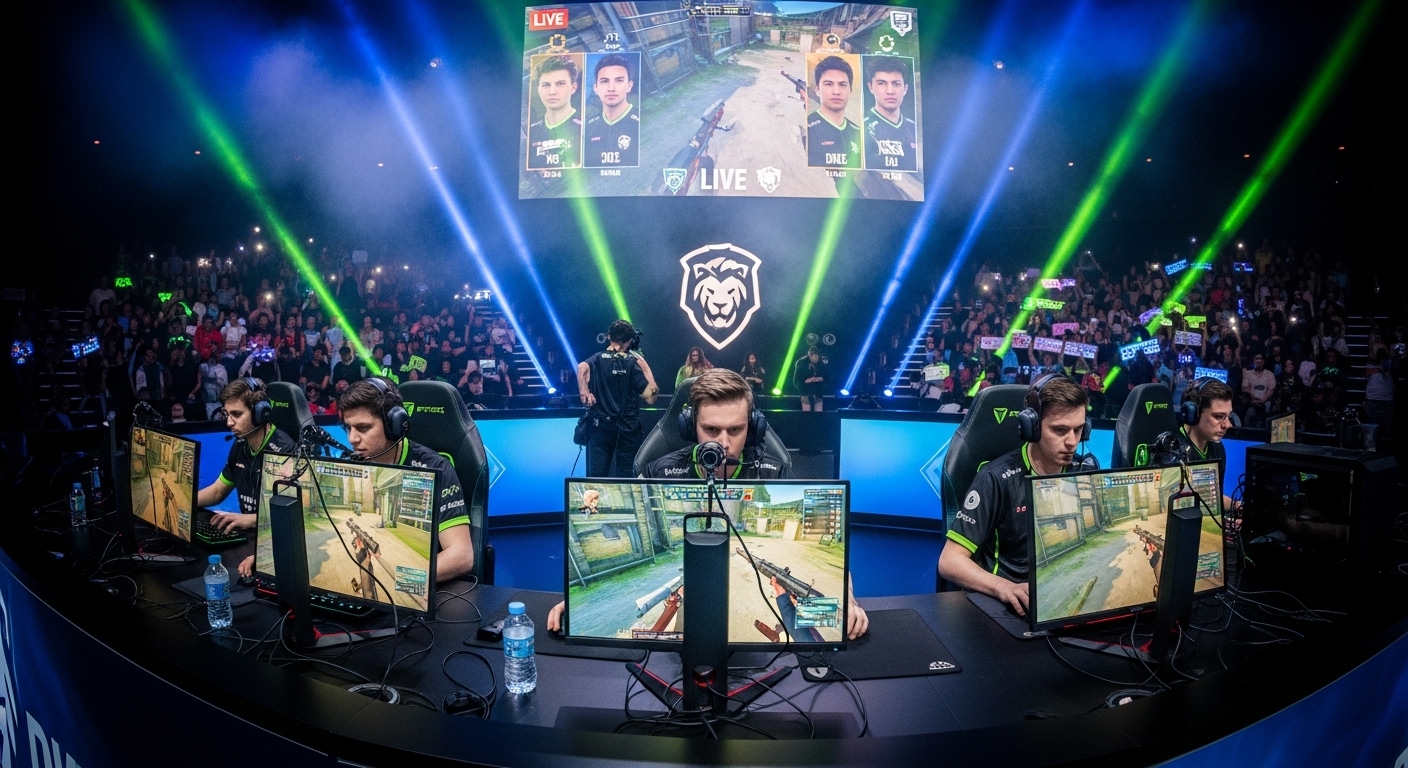
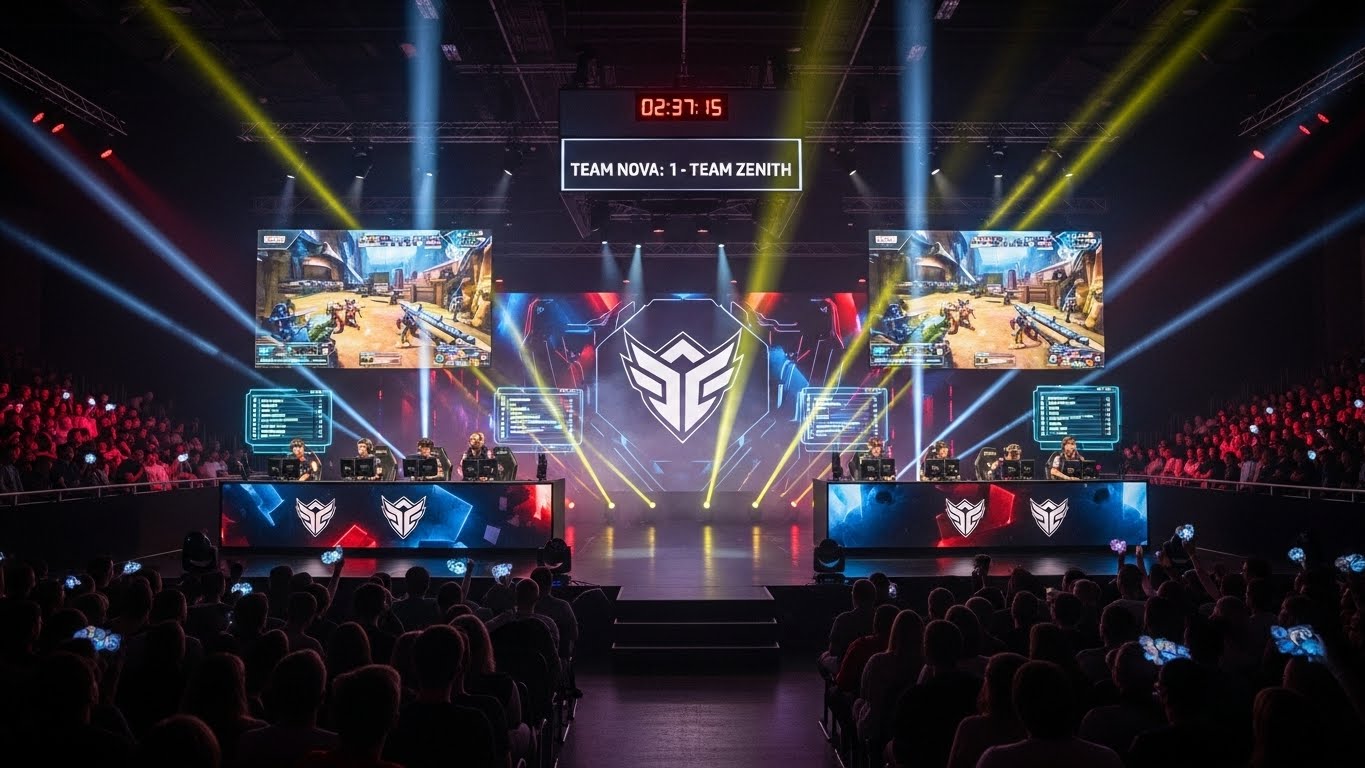
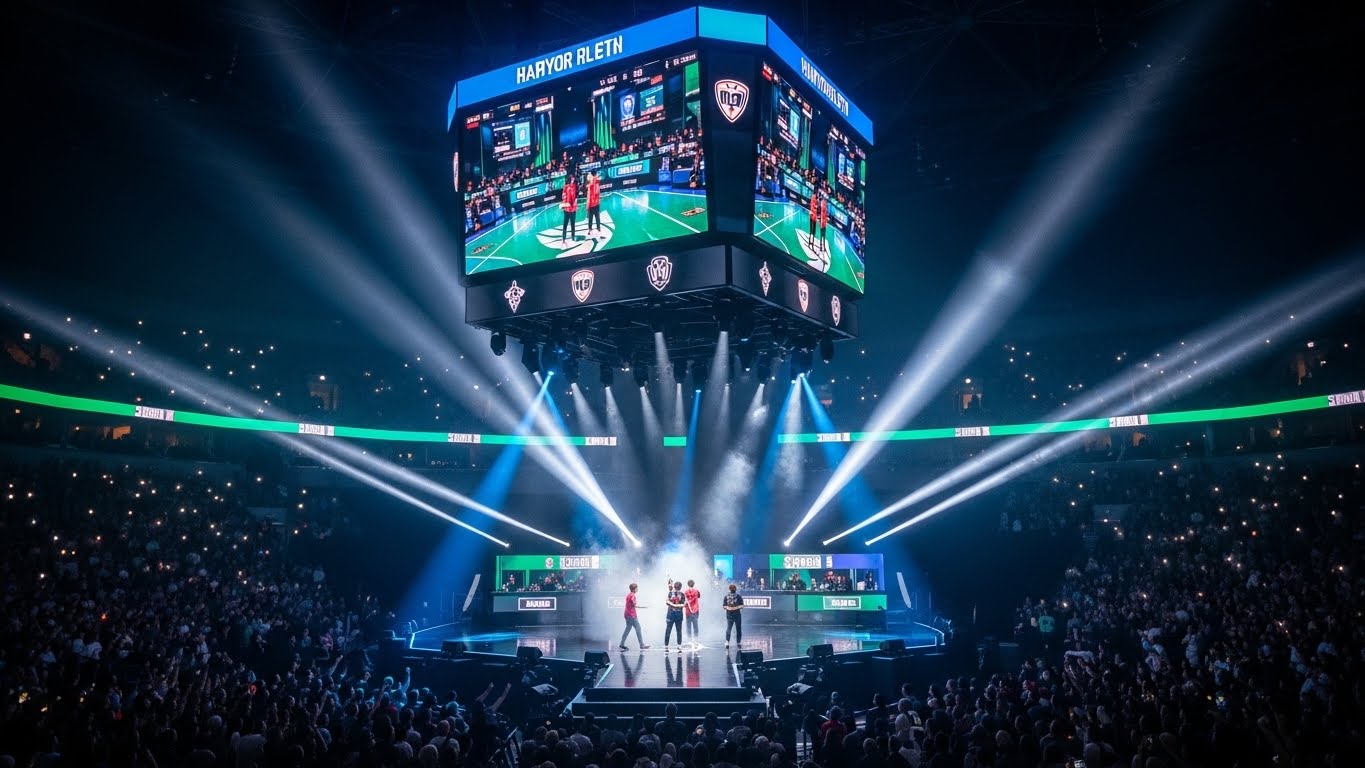
Today, esports tournaments fill massive arenas and are broadcast to millions online. Titles like League of Legends, Dota 2, and Fortnite have created global communities where top players can earn millions of dollars in prize money. Sponsorships, merchandise, and advertising further fuel this growth, turning esports into a lucrative industry that rivals traditional sports in revenue and popularity.
The Cultural Significance of Esports
Esports has not only become a form of entertainment but also a cultural movement. It challenges traditional notions of sports and competition, demonstrating that skill, strategy, and teamwork can be just as compelling in a digital environment as on a physical field. Fans develop deep emotional connections to players and teams, similar to those in traditional sports. Esports also fosters diversity, allowing people from different countries, backgrounds, and skill levels to compete on equal footing.
Furthermore, esports has influenced mainstream culture in areas like fashion, music, and media. Gaming-inspired apparel and merchandise are now commonly seen on streets and runways alike. Soundtracks from popular games often feature collaborations with well-known artists, and esports personalities have begun crossing over into other entertainment sectors, including television and film.
Career Opportunities in Esports
The growth of esports has created numerous professional opportunities beyond being a player. While competitive gaming can be a full-time career for top-tier players, the industry also requires analysts, commentators, marketers, event managers, coaches, and content creators. Game developers and publishers employ teams specifically to organize and promote esports tournaments, while companies leverage esports marketing to engage younger audiences.
Players’ careers, however, can be unpredictable. Peak performance often comes at a young age, and the pressure to maintain high levels of skill can be intense. Many players transition into coaching, streaming, or content creation once they retire from professional competition. Esports education programs and scholarships are also emerging, helping players develop long-term career paths within the industry.
The Psychology and Strategy of Esports
Esports is more than fast reflexes and hand-eye coordination. It involves intricate strategies, teamwork, and mental resilience. Players must study opponents’ habits, predict their movements, and adapt quickly under pressure. Cognitive skills like problem-solving, decision-making, and spatial awareness are crucial for success. Professional teams often employ psychologists and strategists to optimize performance and maintain mental health.
This combination of physical dexterity and mental acuity makes esports an intellectually demanding pursuit. Fans often overlook the countless hours of practice, analysis, and coordination required to perform at the highest level. In many ways, esports demands the same dedication, discipline, and perseverance as traditional athletics.
Technology as a Driving Force
Technological advancements have fueled the growth of esports. High-speed internet, powerful gaming hardware, and sophisticated software platforms allow seamless global competition. Virtual reality and augmented reality are beginning to expand the possibilities for immersive esports experiences. Data analytics also play a critical role, helping players and coaches track performance, optimize strategies, and make informed decisions during gameplay.
Streaming technology has redefined the fan experience. Real-time commentary, interactive chat features, and multi-camera perspectives make watching esports highly engaging. Fans can follow tournaments from anywhere in the world, turning esports into a truly global spectacle.
Challenges Facing the Esports Industry
Despite its rapid growth, esports faces several challenges. One significant issue is the lack of standardization across leagues and tournaments, which can create confusion for players and fans alike. Unlike traditional sports, there is no universal governing body to enforce rules, manage disputes, or ensure fair play consistently.
Another challenge is player burnout. The intense schedules, constant travel, and high-pressure environment can take a toll on mental and physical health. Injuries such as repetitive strain syndrome are common among professional gamers. Addressing these concerns is essential for the long-term sustainability of the industry.
Additionally, esports continues to face skepticism from some segments of society who view gaming as a recreational activity rather than a legitimate profession. Educating the public about the skills, dedication, and economic impact of esports remains an ongoing effort.
Esports and Education
Interestingly, esports is beginning to intersect with education. Schools and universities are establishing esports programs and scholarships, recognizing gaming as a platform for developing teamwork, leadership, and critical thinking skills. Academic institutions see the potential for esports to engage students in technology, media, and business disciplines.
Esports education programs teach not only gameplay but also essential skills like communication, marketing, and event management. By integrating esports into formal education, institutions are preparing students for careers in an industry that shows no signs of slowing down.
The Future of Esports
The future of esports looks incredibly promising. Emerging technologies like virtual reality, cloud gaming, and artificial intelligence will create new ways for players and fans to engage with competitive gaming. Esports may become more integrated with traditional sports, with hybrid events combining physical and digital competition.
Global expansion will continue to be a key driver, with more countries investing in esports infrastructure and professional leagues. As awareness grows, esports could achieve parity with traditional sports in terms of cultural significance, recognition, and economic impact.
However, the industry must balance growth with sustainability. Addressing issues like player health, fair competition, and ethical practices will be essential. Those who succeed in doing so will set the standard for a thriving and enduring esports ecosystem.
Conclusion
Esports has emerged as a transformative force in entertainment, culture, and business. From humble beginnings in arcade halls to massive stadiums filled with fans, it has captured the imagination of millions worldwide. It challenges conventional ideas about sports, fosters global communities, and offers diverse career opportunities.
While challenges remain, the future of esports is bright. With technological innovation, strategic planning, and an ever-growing fanbase, esports is poised to become a central component of modern culture. Its impact extends far beyond the screen, proving that competitive gaming is not just a pastime but a powerful social and economic phenomenon that will continue shaping the world for years to come.