Introduction: The Transformation of Competitive Play
Esports has rapidly evolved from small gatherings of gaming enthusiasts to a global phenomenon commanding the attention of millions. What was once a pastime enjoyed in living rooms has now transformed into a professional battlefield where players, organizations, and massive audiences unite. Esports is no longer simply about playing games; it is about strategy, competition, teamwork, innovation, and culture. This blog explores the journey of esports, its explosive growth, and how it has established itself as a dominant force in modern entertainment.
The Early Roots of Esports
The concept of competitive gaming did not begin with the internet era. Its roots reach back to the earliest arcade competitions, where players battled for high scores and bragging rights. Games like Space Invaders and Pac-Man introduced the idea of competition, but it was the emergence of titles like Street Fighter and Counter-Strike that shaped the future of organized esports. As gaming consoles and personal computers became more accessible, communities formed and competitive play solidified its identity.
The Rise of Online Multiplayer Gaming
The evolution of online connectivity was one of the most significant catalysts for esports. When players gained the ability to compete across the world, the possibilities expanded dramatically. Games like StarCraft, Dota, and early shooters created the blueprint for modern esports competitions. Online multiplayer gaming made it possible for players to improve their skills, form teams, and test their strategies against opponents beyond their immediate communities. This shift laid the foundation for what would soon become an internationally recognized competitive ecosystem.
The Birth of Professional Esports
Professionalism in esports emerged gradually. Leagues, tournaments, and organizations began forming structures similar to traditional sports. Teams hired coaches, analysts, nutritionists, and managers to support their players. Training houses were established, and full-time careers were created for dedicated competitors. As games like League of Legends, Dota 2, and Overwatch gained global traction, the esports industry saw an influx of investment that transformed competitive gaming into a legitimate career path.
Global Competitions and Massive Audiences
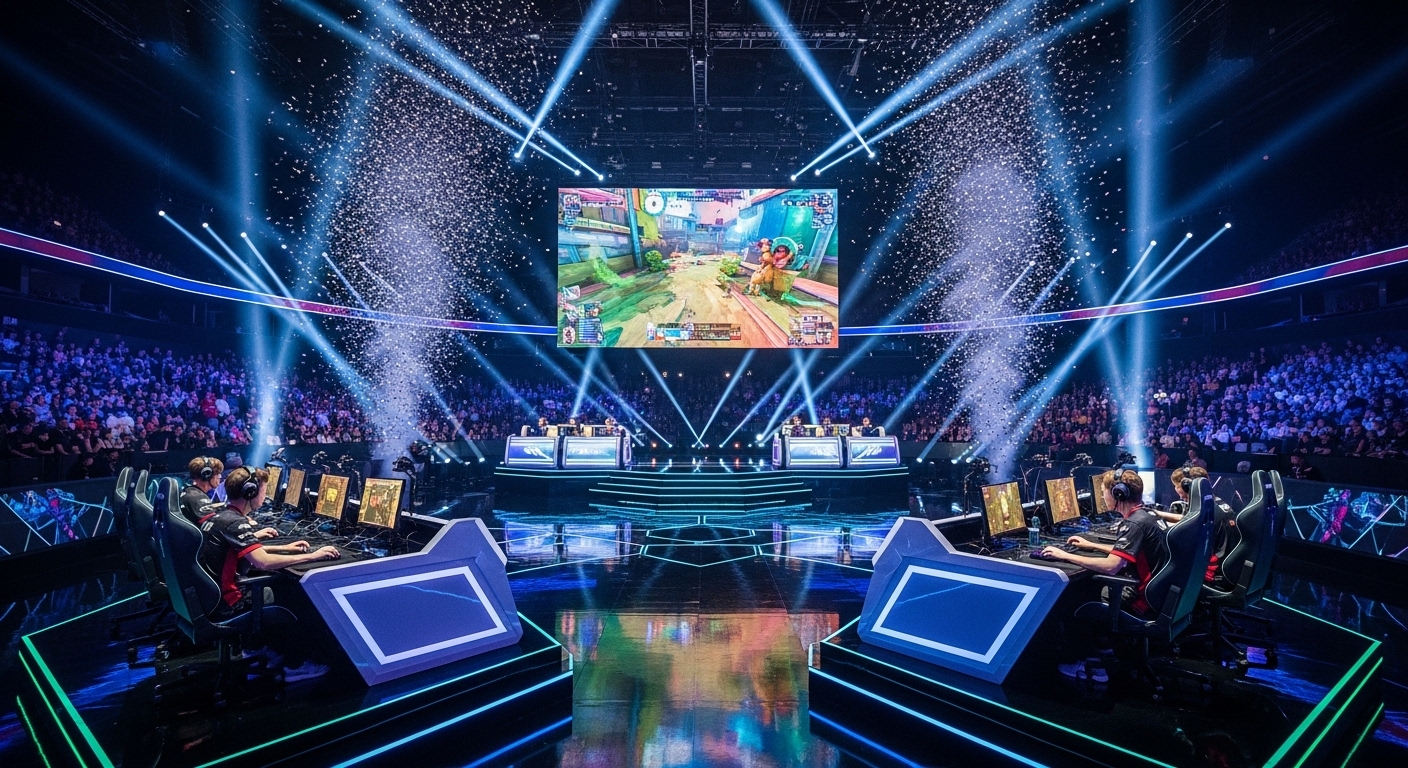
Esports tournaments are now celebrated on a global scale. Competitions are hosted in packed stadiums with elaborate stages, bright lights, and roaring crowds. Millions more watch from around the world through live broadcasts. The excitement surrounding major events rivals that of traditional sports championships. Fans cheer for their favorite players, follow their teams closely, and celebrate victories with the same passion seen in football or basketball. The energy of a live esports event is unparalleled, blending high-level gameplay with theatrical production and crowd engagement.
Streaming Platforms and Audience Expansion
Streaming played a crucial role in amplifying the reach of esports. Platforms that allow players to broadcast their gameplay to global audiences have created a new layer of entertainment. These platforms help fans learn from their favorite players, stay connected to the competitive scene, and form communities around shared interests. The instant accessibility of gaming content has contributed to the explosive growth of esports, ensuring that anyone, anywhere, can tune in without barriers.
The Business and Economy of Esports
Esports has evolved into a billion-dollar industry supported by sponsorships, team branding, merchandise, broadcast rights, and event ticket sales. Corporations outside the gaming world recognize the marketing power of esports and actively partner with teams, leagues, and players. This new ecosystem has created a wide range of employment opportunities including broadcasting, event management, marketing, design, and technology development. The financial infrastructure mirrors traditional sports, showcasing how far competitive gaming has progressed.
Team Structure and Organization in Esports
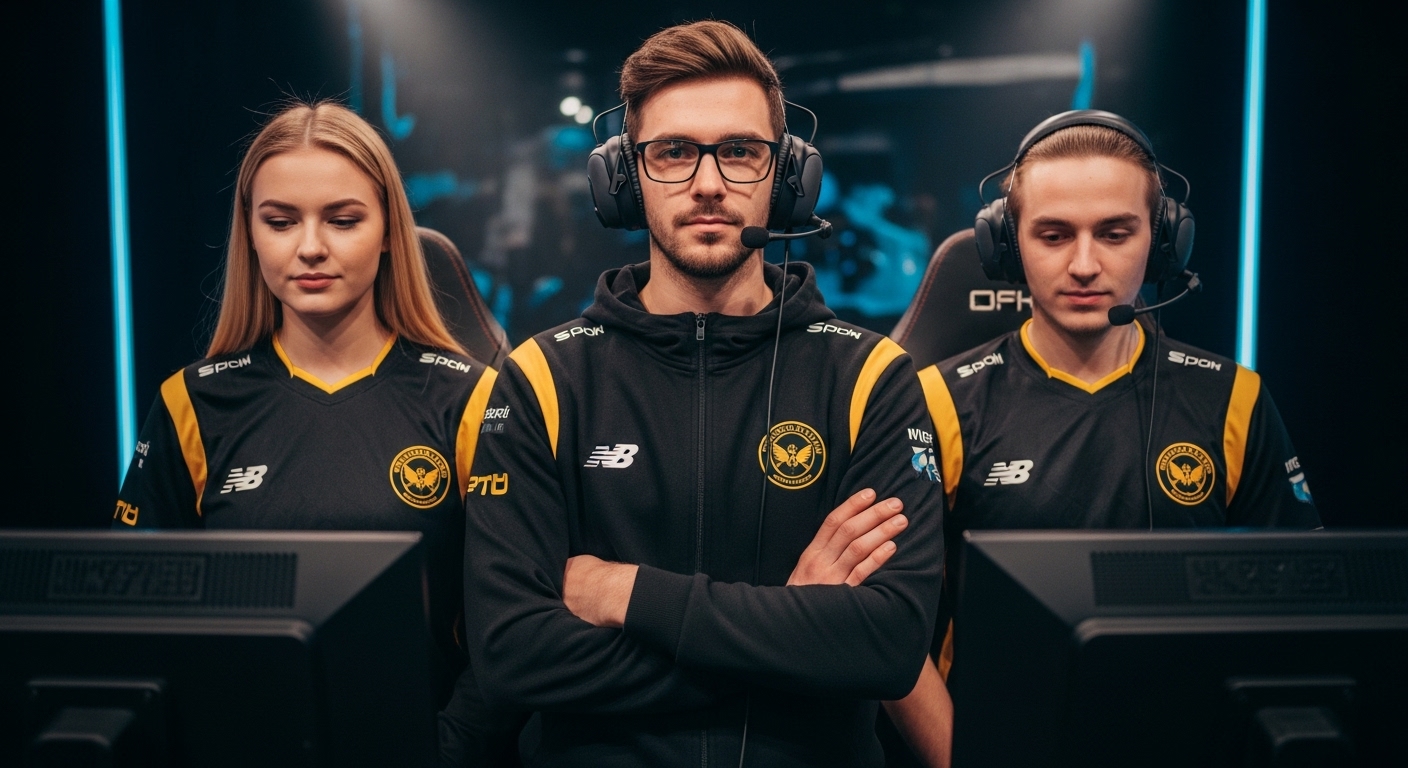
Modern esports teams operate with professionalism and strategy. Players often live together to promote team synergy, discipline, and communication. Coaches analyze gameplay footage to develop tactics and correct mistakes. Analysts study opponents to prepare counter-strategies. Performance staff focus on mental health, physical fitness, and nutrition to ensure players operate at peak performance. This structured approach highlights the dedication and discipline required for success at the highest levels.
Training and Lifestyle of Professional Players
Contrary to stereotypes, professional esports athletes follow intense training regimens. They practice for many hours each day, mastering mechanics, honing reflexes, and studying the intricacies of game strategy. Physical and mental care is also essential, as high-level gaming requires focus, stamina, and cognitive sharpness. Balancing training with rest and recovery is crucial in preventing burnout, a common challenge in the fast-paced world of esports.
The Cultural Impact of Esports
Esports has become an influential cultural movement. It has shaped fashion, music, technology, and social media. Gaming communities have created their own expressions, humor, and traditions, forming a unique culture that resonates across generations. Esports also promotes diversity and global connection, breaking cultural and geographical barriers. Players and fans from different countries unite through shared passion, fostering a sense of community and belonging.
Esports in Education and Youth Development
Educational institutions are recognizing the potential of esports and integrating it into their programs. Schools, colleges, and universities now offer esports scholarships, courses in game design and strategy, and competitive collegiate leagues. These programs teach teamwork, communication, problem-solving, and leadership. Esports provides students with opportunities to build careers in gaming, programming, marketing, and creative arts, making it a valuable addition to modern education.
Technology Driving the Future of Esports
Technological innovation continues to push esports forward. High-end graphics, cloud gaming, virtual reality, and artificial intelligence are shaping the next generation of competitive gaming. Advanced analytics allow teams to break down gameplay with precision. Improved hardware enhances performance and player experience. As gaming technology evolves, esports will continue expanding into new genres, formats, and immersive experiences.
Challenges Facing the Esports Industry
Despite its success, esports faces several challenges. Player burnout, inconsistent regulations, and the need for standardized global rules are ongoing issues. Ensuring player well-being, preventing cheating, and managing commercialization pressures are crucial for maintaining the integrity of competition. As the industry continues to grow, addressing these challenges responsibly will determine the long-term sustainability of esports.
The Promising Future of Esports
The future of esports is bright and full of potential. With rising global popularity, increasing investment, and technological advancements, esports is poised to become even more integrated into mainstream entertainment. New games, expanded leagues, and innovative formats will keep fans engaged and excited. As more countries recognize esports officially and younger generations embrace it, competitive gaming will continue shaping the global entertainment landscape.
Conclusion: The New Age of Competitive Entertainment
Esports is more than a trend; it is a revolution in how the world engages with entertainment, competition, and community. Its blend of strategy, teamwork, skill, and global connectivity has created a cultural force that transcends traditional boundaries. From its humble beginnings in arcades to its rise as a global phenomenon, esports has proven that passion and innovation can transform an entire industry. As it continues to grow, esports will shape the future of entertainment, inspire new generations, and redefine what competition truly means.