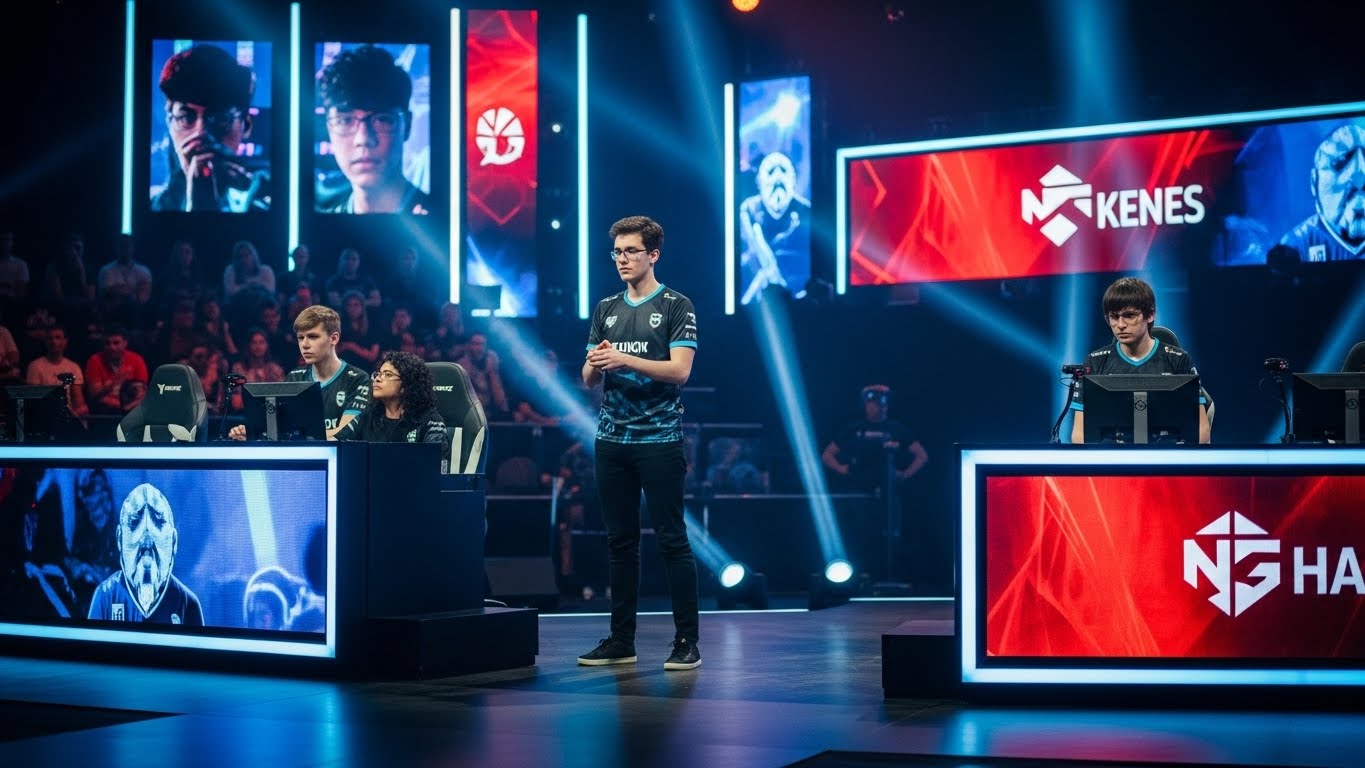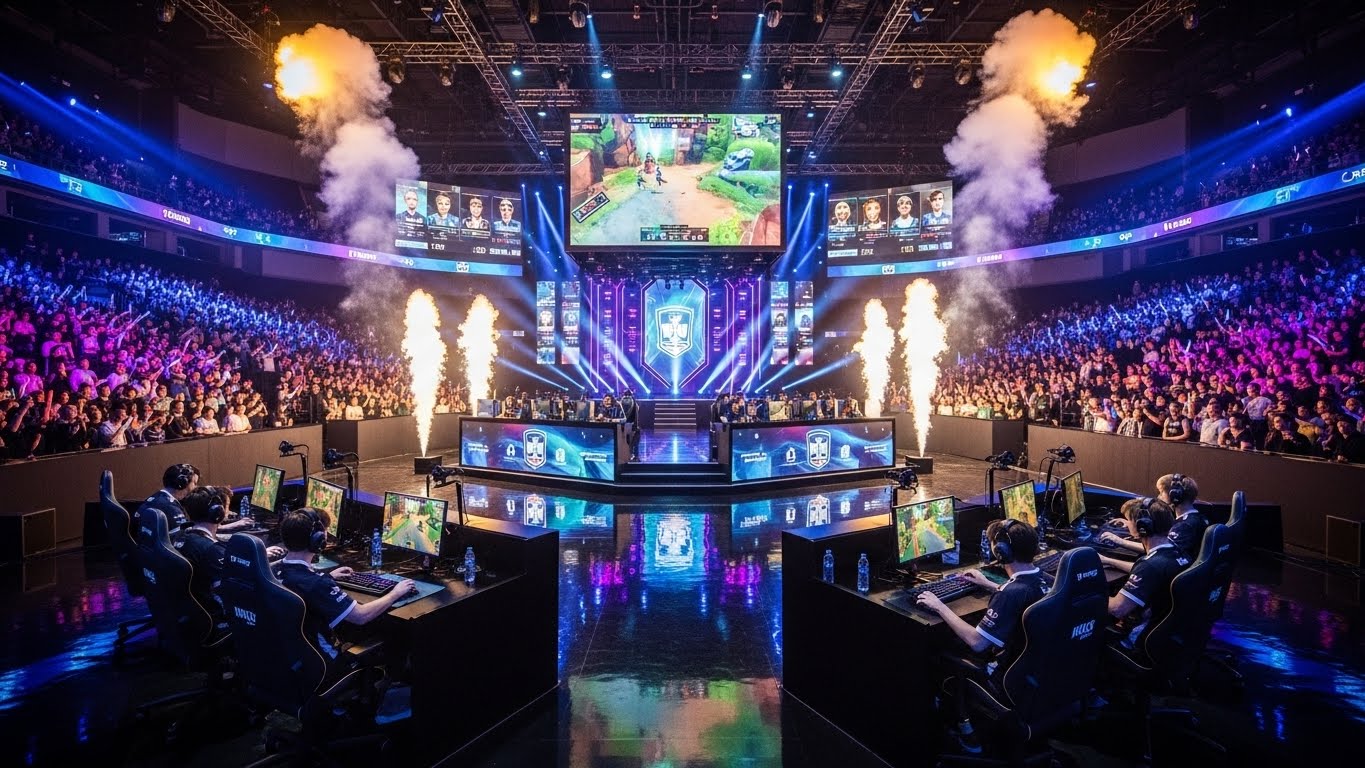

In the fast-paced world of esports, player transfers can completely reshape competitive landscapes. Just like in traditional sports, international transfers — when a player moves from a team in one country to a team in another — bring fresh talent, new strategies, and sometimes shocking results. These moves not only strengthen teams but also shift the balance of power in tournaments, generate fan excitement, and elevate the global profile of esports.
This blog explores some of the best international transfers in esports, analyzing their impact on teams, tournaments, and the competitive scene.
Why International Transfers Matter
International transfers are pivotal in esports for several reasons:
- Talent Distribution: Top-tier players moving internationally can strengthen weaker regions or elevate already dominant teams.
- Meta Innovation: Players bring strategies and gameplay styles from their previous regions, influencing global meta shifts.
- Fan Engagement: Transfers create hype and discussion among fans, boosting viewership and social media attention.
- Professional Growth: Players experience new coaching styles, teammates, and competition, helping them develop skills further.
1. s1mple to Natus Vincere (Na’Vi) – CS:GO
Game: Counter-Strike: Global Offensive
Transfer Year: 2016
From: Team Liquid (Ukraine/International mix)
To: Natus Vincere (Ukraine)
Oleksandr “s1mple” Kostyliev’s move to Na’Vi transformed both the player and the team. Already a prodigious talent, s1mple brought unparalleled skill, vision, and aggression to Na’Vi, turning them into one of the most feared CS:GO rosters globally.
Impact:
- Na’Vi achieved multiple Major final appearances.
- s1mple won several MVP awards and became widely regarded as the best CS:GO player in history.
- The transfer elevated Eastern European CS:GO talent on the global stage.
2. Faker’s International Scrims – SK Telecom T1 (LoL)
Game: League of Legends
Transfer Year: Indirect, via international team scrims and bootcamps
From/To: Domestic Korean team engaging with international talent
While Faker didn’t make a direct team transfer, SKT’s willingness to scrim and integrate international playstyles exposed him and the team to global strategies. This “virtual transfer” of talent knowledge influenced SKT’s dominance at multiple World Championships.
Impact:
- SKT remained at the forefront of competitive League of Legends for years.
- Faker’s exposure to international styles enhanced his adaptability.
- Set a precedent for cross-region player movements in LoL.
3. Caps to G2 Esports (LoL)
Game: League of Legends
Transfer Year: 2018
From: Fnatic (Europe)
To: G2 Esports (Europe)
Rasmus “Caps” Winther’s move from Fnatic to G2 Esports caused a massive shake-up in European League of Legends. Though not crossing continents, the transfer is considered “international” in influence due to its impact on global tournaments.
Impact:
- G2 dominated the LEC and consistently performed at Worlds.
- Caps became one of the most versatile and celebrated mid-laners globally.
- The transfer inspired other high-profile moves within Europe and internationally.
4. Arslan Ash to International Tekken Tournaments
Game: Tekken 7
Transfer Year: 2019 (participation in international events)
From/To: Pakistan → Global competitive scene
Arslan “Arslan Ash” Siddique rose from local Pakistani competitions to dominate international Tekken tournaments. While technically not a team transfer, his entry into global events served as a groundbreaking international “move.”
Impact:
- Won EVO Japan and EVO Las Vegas 2019, defeating dominant Korean and Japanese players.
- Put Pakistan on the international esports map.
- Inspired other players from underrepresented regions to pursue international competition.
5. sgares to Cloud9 (CS:GO)
Game: Counter-Strike: Global Offensive
Transfer Year: 2014
From: Complexity Gaming (USA)
To: Cloud9 (USA with international aspirations)
Sean “sgares” Gares moved to Cloud9 and helped form a competitive North American roster that included both domestic and international talent. His leadership as an in-game leader improved team coordination and international performance.
Impact:
- Cloud9 became a top contender in North American and global CS:GO tournaments.
- Inspired other North American teams to recruit internationally for better results.
6. Jjonak to New York Excelsior (Overwatch League)
Game: Overwatch
Transfer Year: 2018
From: South Korean Overwatch Contenders → New York Excelsior
To: Overwatch League (Global Stage)**
Bang “Jjonak” Sung-hyeon joined NYXL during the inaugural Overwatch League season, bringing elite Korean talent to the North American team. His support playstyle and game sense elevated the team’s performance instantly.
Impact:
- NYXL dominated the league with one of the best regular-season records.
- Jjonak won the inaugural OWL MVP award.
- Demonstrated the benefits of cross-region talent in building competitive powerhouses.
7. KuroKy to Team Liquid (Dota 2)
Game: Dota 2
Transfer Year: 2016
From: Team Secret (Europe)
To: Team Liquid (North America/International mix)
Kuro “KuroKy” Salehi Takhasomi’s move to Team Liquid revitalized the team’s Dota 2 roster. His leadership and strategic insight helped Liquid dominate the international Dota 2 scene.
Impact:
- Won The International 2017 with a record-breaking run.
- Transformed Team Liquid into a global contender.
- Influenced roster-building strategies for international talent integration.
Traits of Successful International Transfers
- Skill Compatibility: The player’s strengths align with the team’s style and meta.
- Adaptability: Ability to adjust to new cultures, languages, and team dynamics.
- Leadership and Communication: Particularly important in team-based games.
- Global Exposure: Bringing strategies, training techniques, and knowledge from other regions.
- Fan Reception: Popularity and fan engagement can boost the transfer’s overall impact.
Conclusion
International transfers are among the most exciting and influential aspects of esports. Players like s1mple, Arslan Ash, and Jjonak have demonstrated how moving across regions or joining global competitions can change the trajectory of their careers and elevate their teams to unprecedented levels.
These transfers do more than win tournaments — they bridge regional gaps, inspire young players worldwide, and create new competitive meta strategies that shape the global esports landscape.
As esports continues to expand globally, international transfers will become even more frequent and impactful, proving that talent knows no borders in the competitive gaming world.