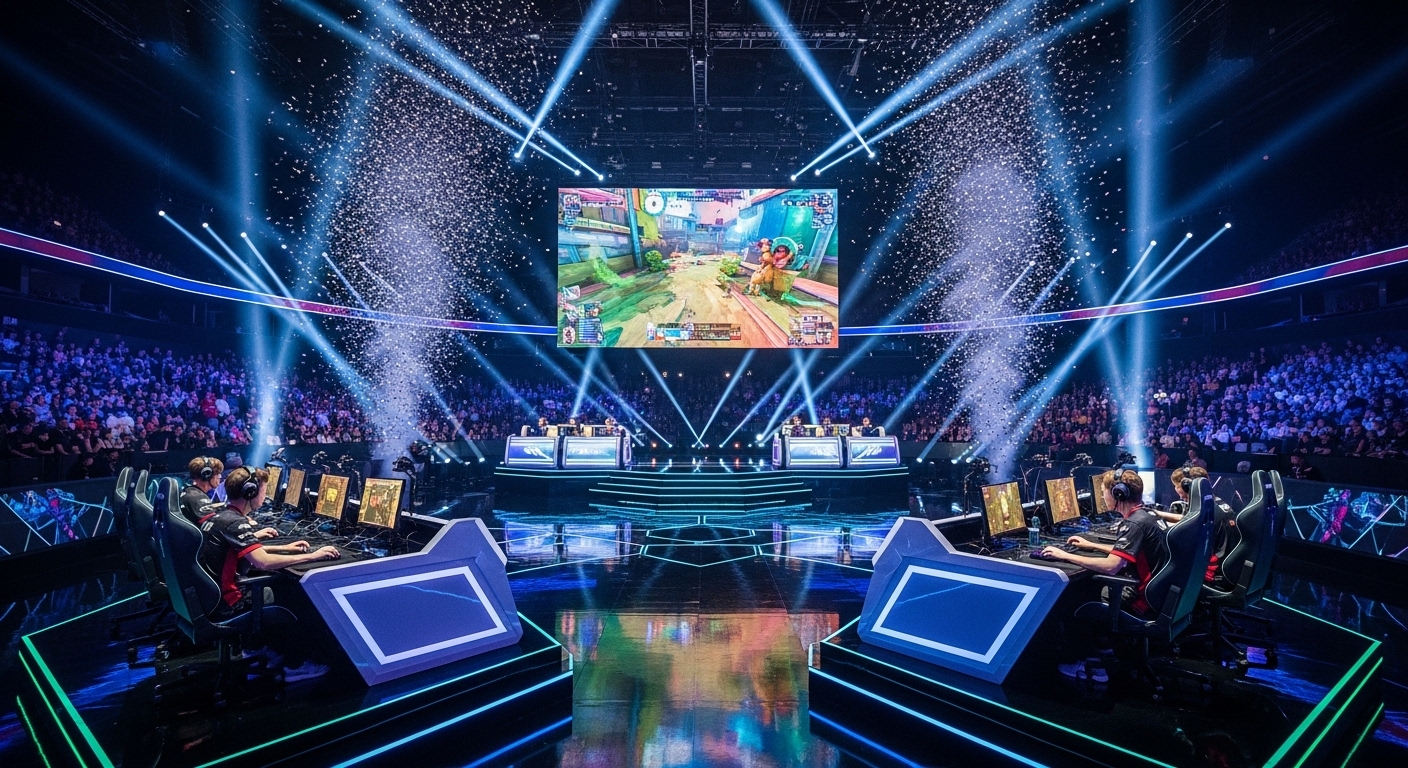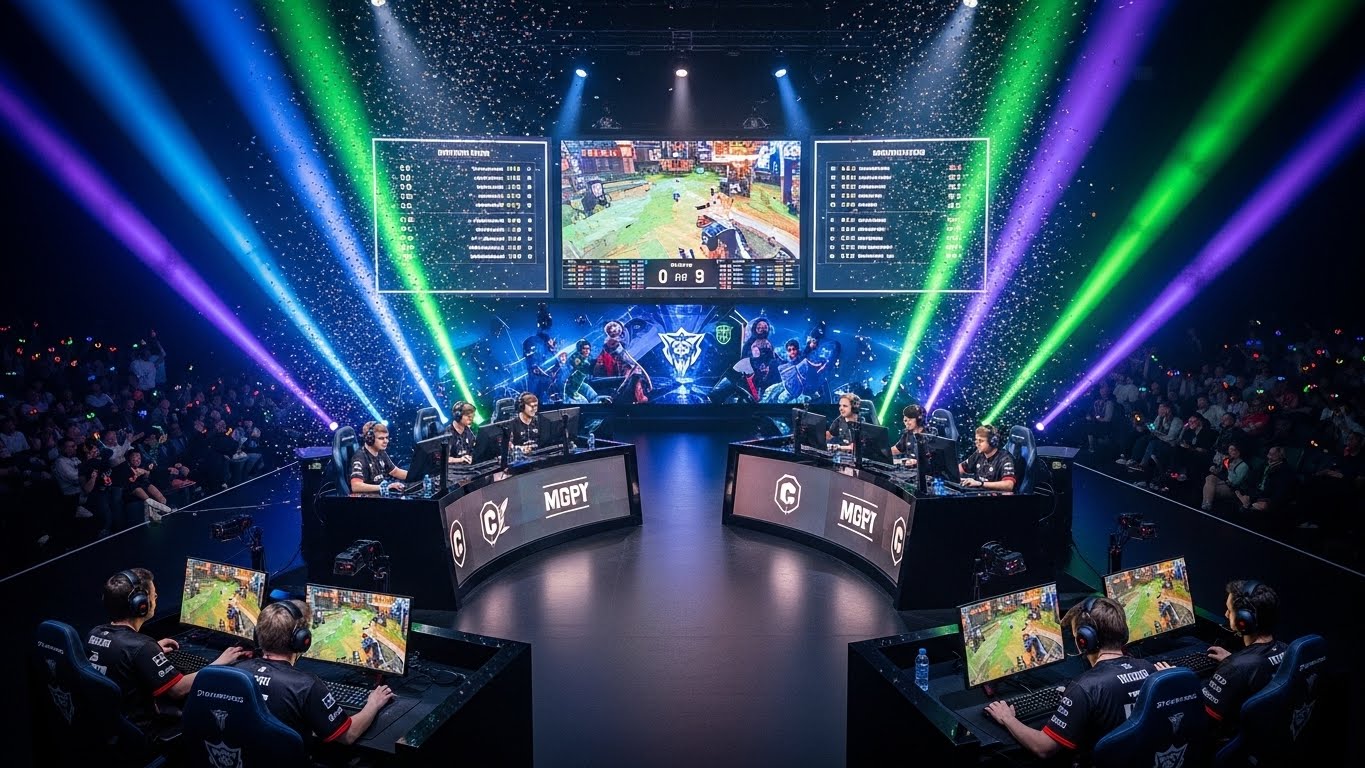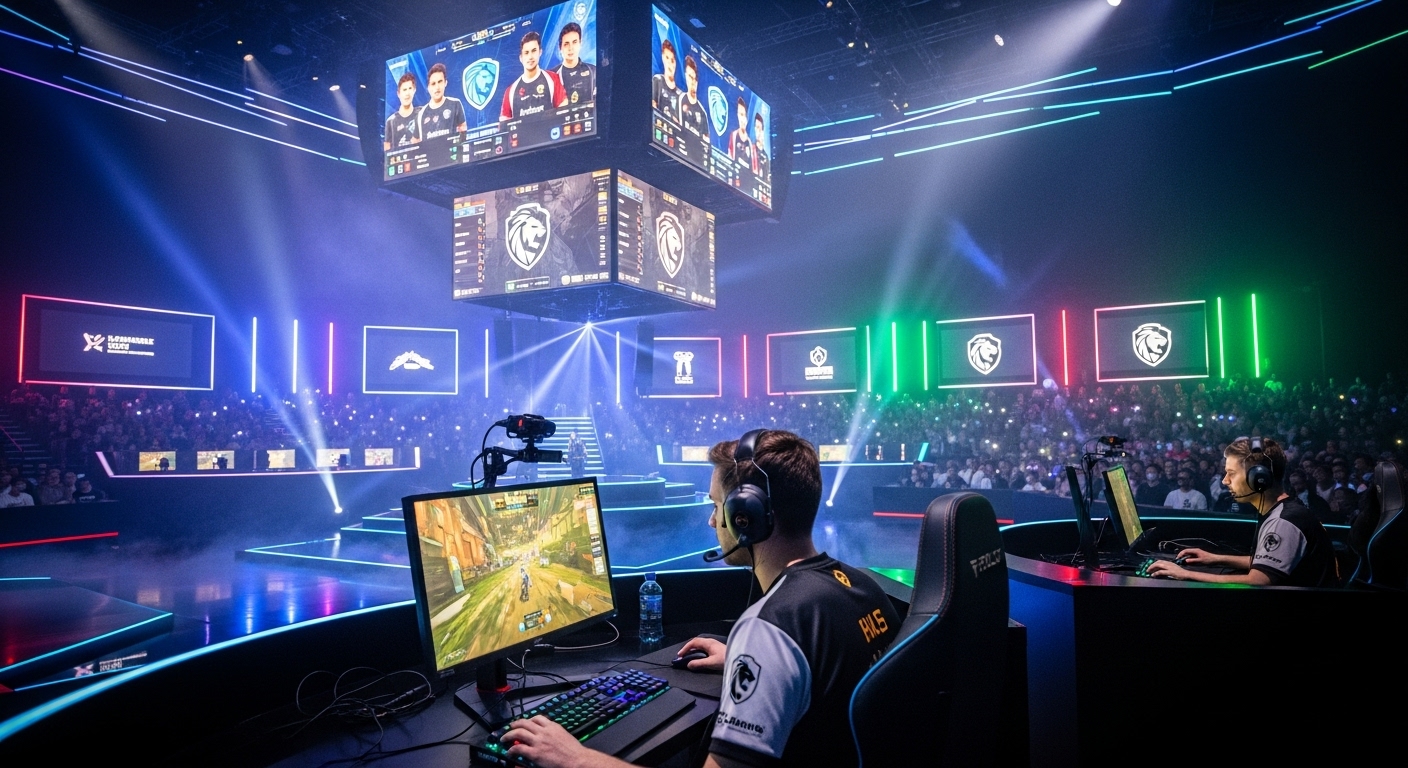

Esports, or competitive video gaming, has grown from a niche hobby to a global phenomenon. What was once a small community of dedicated gamers competing in local tournaments has now become a multi-billion-dollar industry, attracting millions of fans, players, and investors worldwide. Today, esports is not just about playing video games; it’s about creating immersive experiences, building communities, and showcasing incredible talent on a global stage. In this blog, we’ll explore the rise of esports, its current impact, and the future of this rapidly evolving industry.
The Rise of Esports: From Hobby to Global Spectacle
The early days of esports were humble, with small-scale competitions and communities centered around games like StarCraft, Warcraft, and Counter-Strike. Players gathered in cybercafés or local gaming arenas, battling it out for bragging rights and modest prizes. But as the internet became more accessible and streaming platforms like Twitch gained traction, esports exploded in popularity.
In the early 2010s, high-profile tournaments like The International (for Dota 2) and the League of Legends World Championship began to attract huge audiences, both in-person and online. The rise of live streaming on platforms such as Twitch, YouTube, and Facebook gaming further propelled esports into the mainstream. Today, esports tournaments regularly fill large arenas, and the global online audience for major competitions can rival those of traditional sports.
The Mechanics of Esports: More Than Just Playing Games
Esports is much more than a group of players battling it out in their favorite titles. It’s a complex ecosystem that involves multiple layers of competition, organization, and production. At the core, esports is defined by professional players and teams competing in various video game genres, including MOBA (Multiplayer Online Battle Arenas), FPS (First-Person Shooters), RTS (Real-Time Strategy), and Fighting Games.
Major games in the esports scene include titles like League of Legends, Counter-Strike: Global Offensive, Dota 2, Fortnite, Call of Duty, Overwatch, and Valorant. Each of these games has its own unique competitive format, rules, and professional scene. Players participate in local, regional, and international tournaments, competing for cash prizes, sponsorship deals, and the prestige of being crowned world champions.
Beyond the players, esports also involves a highly organized support system of coaches, analysts, managers, broadcasters, and event organizers. Tournaments are often streamed live, with commentators providing play-by-play action to help audiences understand the intricacies of the games. The behind-the-scenes work to create these polished broadcasts is as crucial to the esports experience as the competition itself.
The Rise of Esports as a Career Path
One of the most exciting aspects of the esports revolution is the emergence of professional gaming as a legitimate career path. In the past, gaming was seen as a hobby, but now it offers real opportunities for talented players to make a living. Top-tier esports athletes can earn significant salaries, thanks to sponsorship deals, prize winnings, and streaming revenue. The most successful players are celebrities in their own right, with massive followings on social media platforms and fan communities around the world.
Teams and organizations are now built around esports talent, with structured rosters for each game. These organizations invest in recruiting top-tier players, providing coaching, training facilities, and mental health support to ensure their athletes perform at their best. The industry has evolved into a high-stakes environment where players train, compete, and live like professional athletes in traditional sports.
Moreover, the growing popularity of esports has also opened doors for non-player careers. Positions in marketing, broadcasting, event management, and content creation are all integral parts of the esports ecosystem, offering a wide range of job opportunities for those looking to be involved in the industry without being directly in the spotlight.
Esports Viewership: A New Kind of Spectator Sport
As esports continues to grow, its audience has become incredibly diverse. While esports began as a niche hobby for gamers, it now attracts fans from all walks of life. The global reach of esports is a result of its accessibility. Anyone with an internet connection can tune in to watch their favorite players and teams battle it out in real-time. Streaming platforms such as Twitch, YouTube Gaming, and Facebook Gaming offer live coverage of esports events, with millions of viewers tuning in to watch the action unfold.
Esports has also gained traction in the realm of traditional sports. Major media companies and sports organizations have recognized the potential of esports as a legitimate form of entertainment. Networks such as ESPN and TBS have broadcasted major esports events, while sports brands like Nike and Adidas have partnered with esports teams. Major brands are now sponsoring players, teams, and tournaments, further validating esports as a mainstream form of entertainment.
Additionally, esports events are drawing large crowds in physical arenas, with some tournaments hosting tens of thousands of fans in attendance. The energy of these live events is similar to that of traditional sports, with fans cheering for their favorite players and teams, creating an electric atmosphere. This shift has helped solidify esports as a spectator sport on par with traditional sports like football, basketball, and soccer.
The Role of Technology in the Future of Esports
Technology is at the heart of esports, and it continues to play a vital role in its development. As technology advances, so too will the esports experience. One of the key trends is the integration of virtual reality (VR) and augmented reality (AR) into esports broadcasts and gameplay. VR could enable fans to experience esports matches from a first-person perspective, allowing them to virtually “step inside” the game. Similarly, AR could enhance live broadcasts by providing real-time stats, replays, and player data, making the viewing experience more interactive and informative.
Furthermore, advancements in artificial intelligence (AI) are being explored to improve matchmaking systems, enhance player training, and even create more sophisticated in-game analysis. AI could help identify trends in gameplay, suggest strategies for players, and even create virtual opponents for solo practice sessions. As esports continues to evolve, these technologies will help create more engaging, immersive, and competitive experiences for both players and viewers.
The growth of high-speed internet and improved gaming hardware also means that esports will become more accessible globally. Players from different parts of the world can now compete in real-time without lag or connectivity issues, making international competitions more exciting and fair. With the development of cloud gaming, the barrier to entry will be lower, as players won’t need high-end gaming PCs or consoles to compete at a professional level.
The Future of Esports: Challenges and Opportunities
As esports continues to grow, there will be both challenges and opportunities on the horizon. One of the primary challenges will be ensuring that the ecosystem remains sustainable. With an influx of sponsorships, prize money, and media attention, it’s essential for the industry to maintain its integrity and ensure fair play. Ensuring that esports remains free from corruption, match-fixing, and doping will be crucial to its long-term success.
At the same time, there are numerous opportunities for esports to expand even further. As the global audience for esports continues to grow, so too does its potential to reach new markets. Esports is already popular in North America, Europe, and Asia, but emerging markets in Africa, South America, and the Middle East are starting to gain interest. Additionally, the rise of mobile esports, with titles like PUBG Mobile and Free Fire, is opening up new avenues for growth in regions with mobile-first internet users.
Conclusion: Esports—The Future of Gaming and Entertainment
Esports is no longer just a trend—it’s a global industry that has revolutionized the way we think about competitive gaming. With professional leagues, global tournaments, and millions of passionate fans, esports is quickly becoming one of the most exciting and lucrative industries in the world. As technology continues to advance and the esports ecosystem matures, the future of esports looks brighter than ever. Whether you’re a player, a fan, or someone looking to enter the world of esports, the opportunities are limitless in this fast-evolving digital arena.