Introduction: A New Arena of Competition
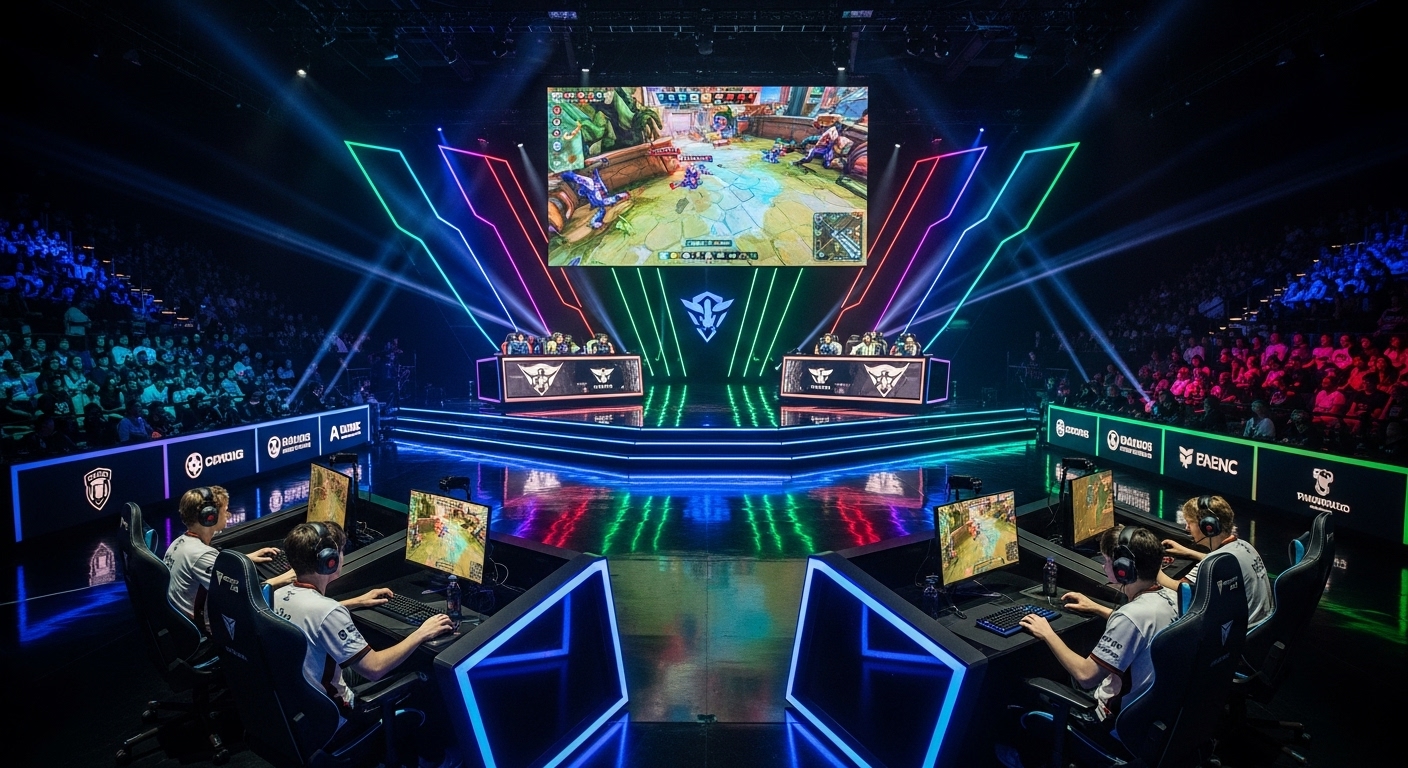
Esports has transformed from a niche hobby into a global phenomenon that rivals traditional sports in viewership, cultural influence, and economic impact. What once took place in small gaming cafes and online forums now fills massive arenas, attracts millions of live viewers, and creates professional careers for players, coaches, analysts, and creators. Esports is no longer simply about playing video games; it represents a new form of competition shaped by technology, community, and digital culture. This blog explores how esports rose to prominence, what defines its culture, and where it is heading in the years to come.
The Early Foundations of Esports
Competitive gaming did not emerge overnight. Its roots can be traced back to the early days of video games, when players competed for high scores in arcades and local tournaments. These early competitions were informal, often driven by curiosity and bragging rights rather than prize money or fame. As home consoles and personal computers became more common, competitive gaming slowly moved into private spaces, allowing players to practice, improve, and compete more consistently.
The rise of local area networks and online multiplayer gaming marked a turning point. Players were no longer limited by geography, and competition became faster, more intense, and more organized. Early esports communities formed around popular titles, creating the foundation for leagues, tournaments, and team-based play. These grassroots beginnings shaped the competitive spirit that still defines esports today.
The Role of Technology in Esports Growth
Technology has been the single most important driver behind the expansion of esports. High-speed internet, powerful gaming hardware, and streaming platforms allowed competitions to reach audiences far beyond the players themselves. Spectators could now watch matches in real time, learn strategies, and develop emotional connections to teams and players.
Streaming culture changed how esports was consumed. Viewers became part of the experience through live chats, community discussions, and shared reactions. This interactive element set esports apart from traditional sports broadcasting, creating a sense of closeness between players and fans. Advances in production quality, including professional commentary and detailed analysis, further elevated esports into a polished spectator experience.
Esports as a Professional Career
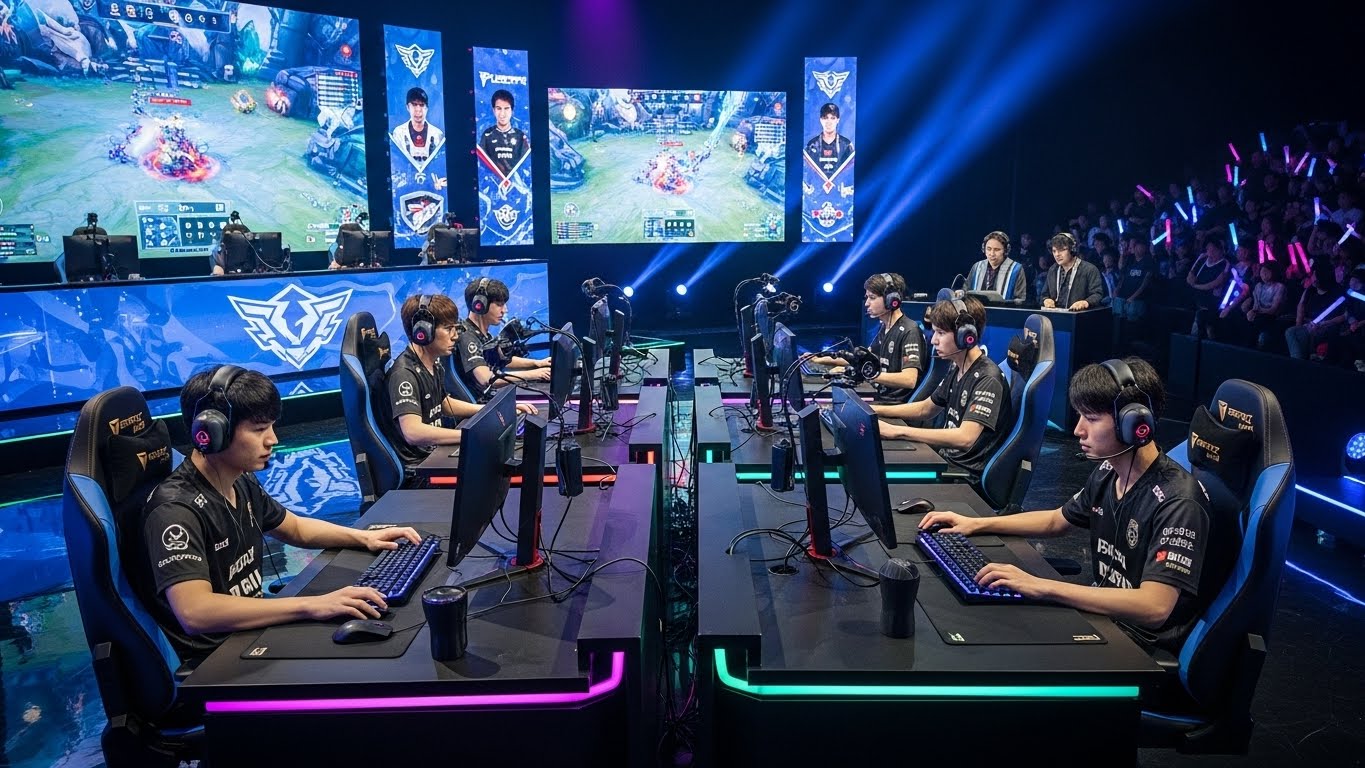
One of the most striking developments in esports is the emergence of professional gaming as a legitimate career path. Top players train for hours each day, focusing on mechanics, strategy, teamwork, and mental resilience. Teams employ coaches, analysts, psychologists, and support staff to maximize performance, reflecting structures found in traditional sports organizations.
Earnings in esports come from multiple sources, including tournament winnings, salaries, sponsorships, and personal brand development. While only a small percentage of players reach the highest levels, the ecosystem supports a wide range of roles beyond playing. Content creators, event organizers, broadcasters, and developers all contribute to the industry, making esports a diverse professional landscape.
The Cultural Impact of Esports
Esports has become a powerful cultural force, especially among younger generations. It has reshaped how people view competition, entertainment, and social interaction. Unlike traditional sports, esports often emphasizes global participation, allowing players from different countries and backgrounds to compete on equal footing.
Gaming culture also encourages creativity and self-expression. Players develop unique playstyles, personalities, and online identities that resonate with fans. Communities form around shared interests, fostering friendships and collaboration that extend beyond the game itself. Esports events are as much social gatherings as they are competitions, celebrating passion and shared enthusiasm.
Diversity and Inclusion in Esports
The question of diversity and inclusion has become increasingly important as esports grows. While gaming is accessible to many, professional esports has historically faced challenges related to representation and inclusivity. Efforts are now being made to create safer, more welcoming environments for players of all genders, cultures, and identities.
Grassroots initiatives, community tournaments, and educational programs are helping broaden participation. By addressing issues such as harassment and unequal access, the esports industry has the opportunity to become a model for inclusive digital competition. Progress in this area will play a crucial role in shaping the future reputation of esports.
Education and Esports
Esports is also finding a place in educational institutions. Schools and universities are establishing esports programs that combine competition with learning. These programs often focus on teamwork, communication, strategic thinking, and digital literacy, skills that are valuable beyond gaming.
Academic esports initiatives also open doors for students who may not engage with traditional sports. Scholarships, clubs, and structured competitions provide new opportunities for participation and personal growth. By integrating esports into education, institutions acknowledge its cultural relevance and potential as a tool for engagement and development.
The Business of Esports
Behind the excitement of competition lies a rapidly evolving business ecosystem. Esports generates revenue through advertising, sponsorships, merchandise, ticket sales, and media rights. Brands are drawn to esports because of its highly engaged audience and digital-first nature.
Team organizations operate like startups, balancing investment, talent development, and brand building. Tournament organizers and publishers play a central role in shaping competitive structures, influencing everything from rules to scheduling. As the industry matures, sustainability and long-term planning are becoming key concerns for stakeholders.
Challenges Facing the Esports Industry
Despite its success, esports faces several challenges. Player burnout is a growing issue, as intense training schedules and constant competition can take a toll on mental and physical health. Establishing consistent regulations and standards across different games and regions also remains difficult.
Another challenge lies in maintaining competitive integrity. Cheating, match-fixing, and unfair practices threaten the credibility of esports if not addressed properly. Industry leaders must continue to develop transparent systems and strong governance to ensure fair play and trust among fans.
The Future of Esports
Looking ahead, the future of esports appears both exciting and complex. Technological innovations such as virtual reality, augmented reality, and advanced analytics may redefine how games are played and watched. New titles will emerge, while established games will evolve to keep competition fresh and engaging.
Esports is also likely to continue blending with mainstream culture. Collaborations with music, fashion, and entertainment industries are already expanding its reach. As audiences grow older, esports will need to adapt its content and presentation to remain relevant across generations.
Conclusion: More Than Just a Game
Esports represents a shift in how society understands competition and entertainment in the digital age. It is a space where technology, culture, and human ambition intersect. From its humble beginnings to its current global presence, esports has proven that virtual arenas can inspire real passion and connection.
As the industry continues to evolve, its success will depend on balancing growth with responsibility, innovation with inclusivity, and competition with community. Esports is more than just a game; it is a reflection of a connected world, where skill, strategy, and creativity know no boundaries.