Introduction: The Evolution of Competitive Gaming
In recent years, esports has transformed from a niche hobby into a global phenomenon, capturing the attention of millions of viewers and inspiring professional careers. Once considered a pastime for teenagers in basements, competitive gaming now rivals traditional sports in terms of audience engagement, sponsorship, and prize pools. The term “esports” encompasses a wide variety of competitive video games, from fast-paced first-person shooters to strategic multiplayer online battle arenas. This blog explores the rise of esports, its cultural impact, and why it continues to captivate audiences worldwide.
The Origins of Esports: From Arcades to Global Tournaments
Esports has humble beginnings in the 1970s and 1980s, with early video game competitions held in arcades and college campuses. Classic games like Pong and Space Invaders sparked some of the first organized tournaments. The 1990s saw the advent of LAN parties, where players connected their computers to compete locally, laying the foundation for professional gaming communities. With the rise of the internet, competitive gaming became more accessible, allowing players from different regions to compete against each other. Iconic titles such as StarCraft in South Korea and Counter-Strike worldwide played a crucial role in establishing esports as a recognized form of competition.
Popular Esports Genres: A Game for Every Player
Esports is not limited to a single type of game. It encompasses multiple genres, each with its unique fan base and competitive scene. First-person shooters, such as Call of Duty and Valorant, emphasize reflexes, precision, and quick decision-making. Multiplayer online battle arena games like League of Legends and Dota 2 focus on strategy, teamwork, and long-term planning. Sports simulation games, including FIFA and NBA 2K, replicate traditional sports in a virtual environment, appealing to fans of physical sports. Fighting games like Street Fighter and Super Smash Bros attract audiences who enjoy one-on-one skill-based competition. Each genre has its own tournaments, star players, and dedicated fan communities, contributing to the diversity and richness of esports culture.
Esports as a Professional Career: The Player’s Journey
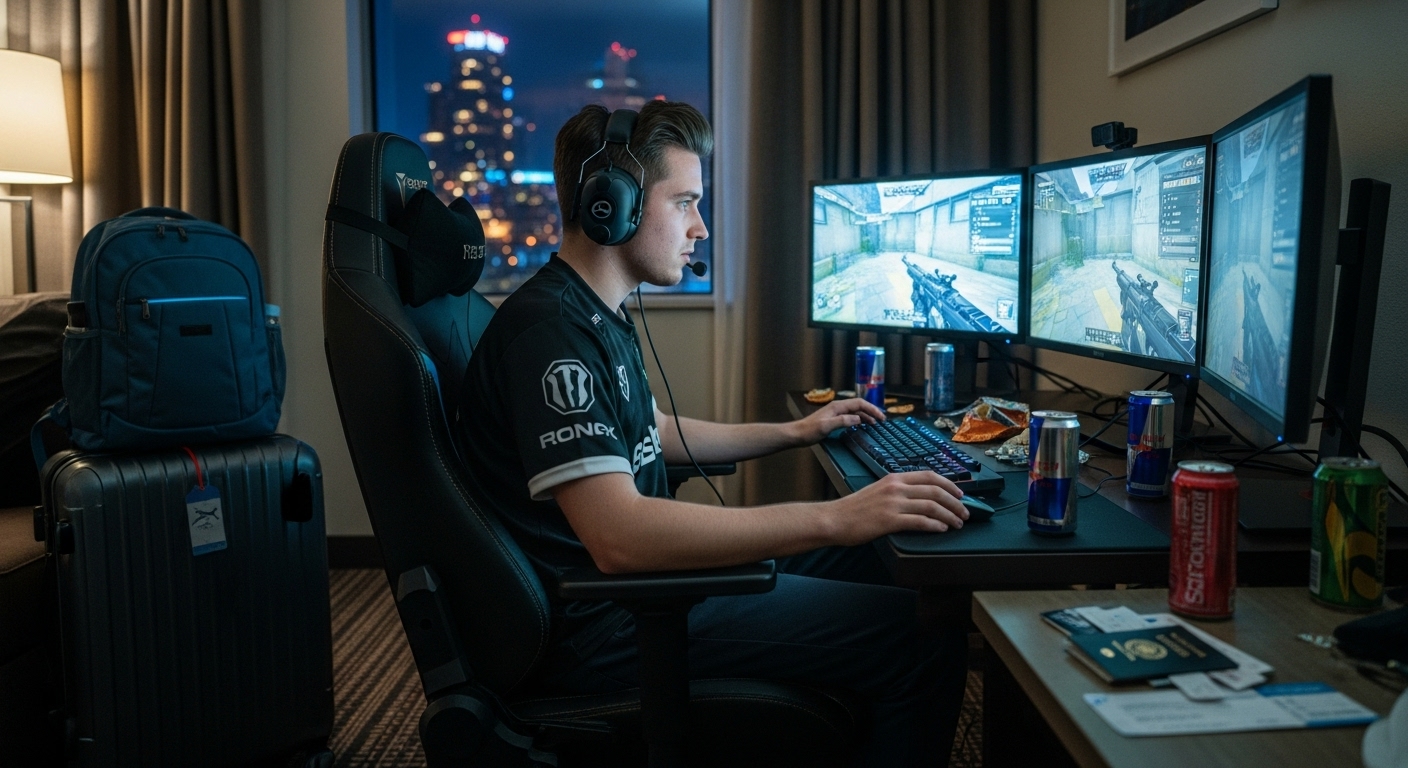
Professional esports players often begin their journey at a young age, dedicating countless hours to practice and skill development. Success in esports requires more than natural talent; it demands discipline, strategic thinking, teamwork, and mental resilience. Players must balance rigorous training schedules with personal development, often under the scrutiny of fans and sponsors. Career opportunities extend beyond playing, including coaching, casting, content creation, and team management. Esports organizations invest heavily in player development, offering salaries, housing, and support services to ensure peak performance. This professionalization has helped esports gain legitimacy and attract mainstream attention.
The Esports Audience: A New Kind of Fan Base
One of the most remarkable aspects of esports is its rapidly growing audience. Unlike traditional sports, esports primarily reaches its fans through digital platforms such as streaming services and social media. Millions tune in to watch live tournaments, follow their favorite players, and participate in online communities. The audience is diverse, spanning multiple age groups, genders, and regions, reflecting the global appeal of gaming. Esports fans are highly engaged, often interacting with players and commentators in real-time, creating a sense of community and shared experience. This digital-first fan engagement model is shaping the future of entertainment and redefining how sports are consumed.
Major Esports Events: Where Legends Are Made
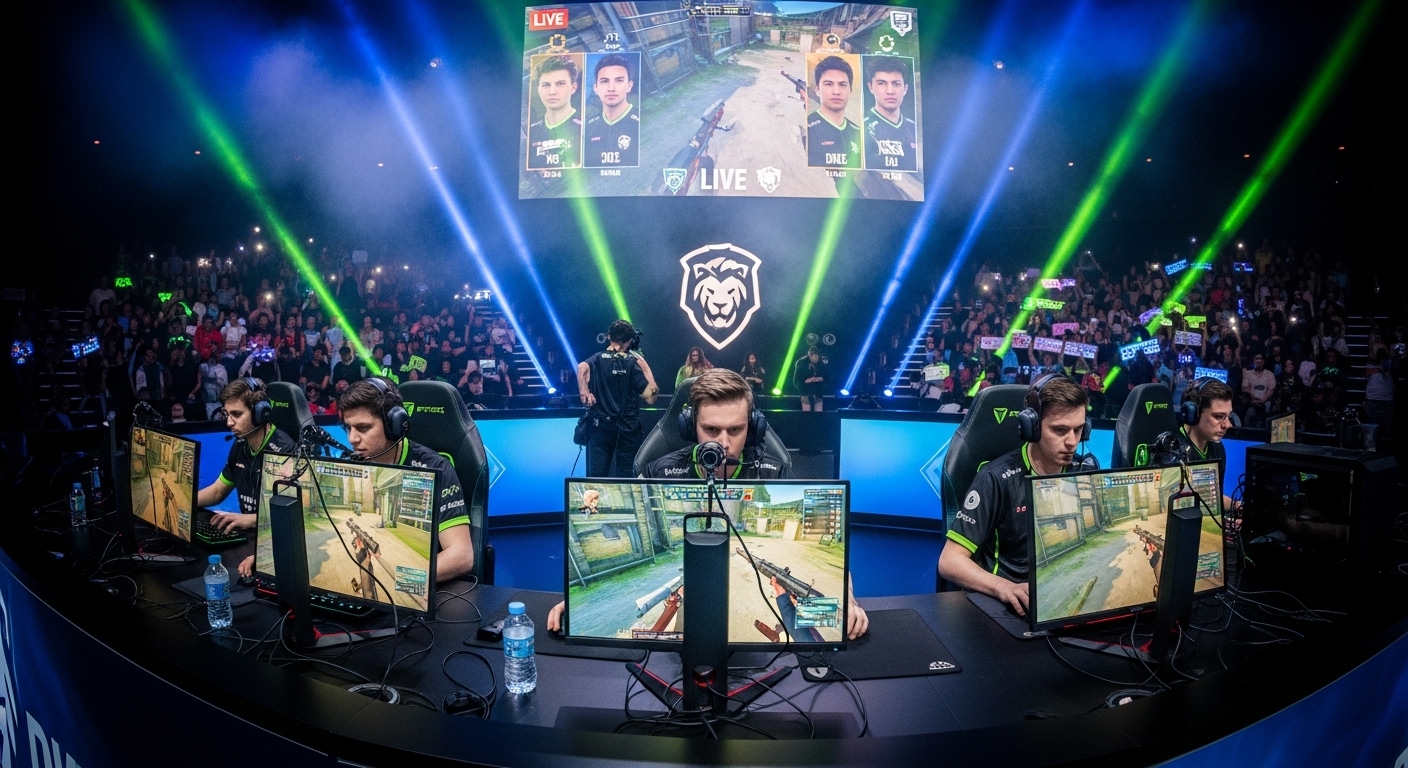
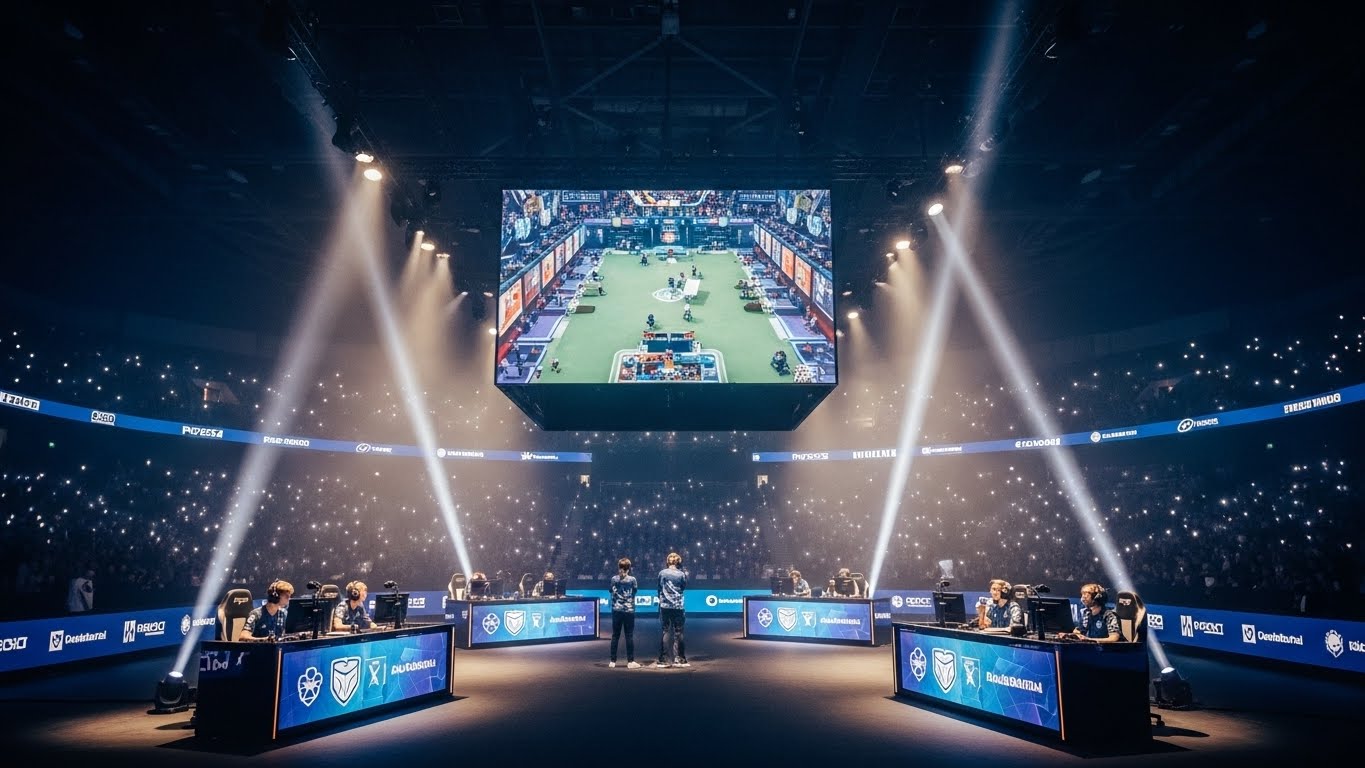
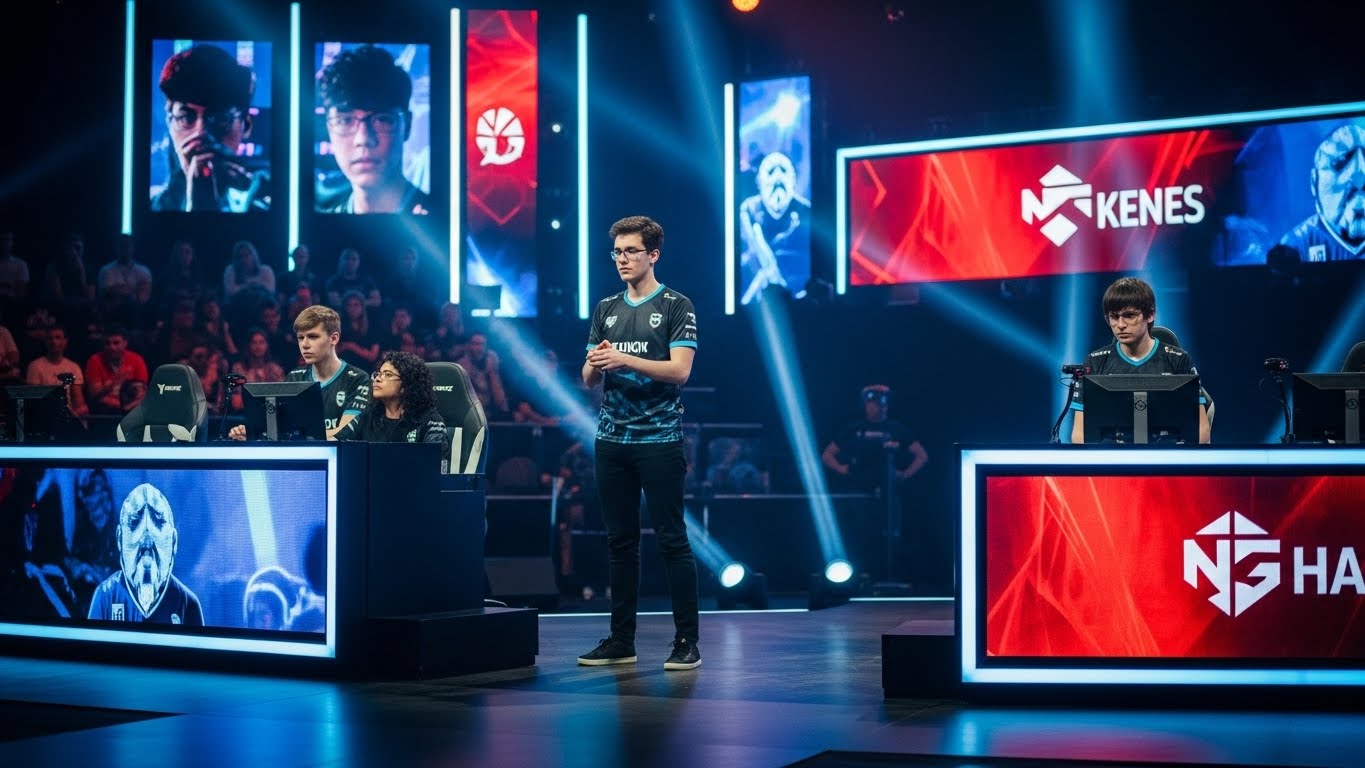
Esports tournaments have become spectacular events, combining intense competition with entertainment value. The International Dota 2 Championship, League of Legends World Championship, and Fortnite World Cup are examples of tournaments with multimillion-dollar prize pools and worldwide viewership. These events often rival traditional sports finals in production quality, featuring live audiences, commentary, and elaborate stage setups. Sponsors and advertisers are increasingly investing in esports, recognizing its potential to reach highly engaged and digitally savvy audiences. The scale and professionalism of these tournaments have solidified esports as a mainstream entertainment option.
Technology and Innovation in Esports
Technology is at the heart of esports, enabling both competition and fan engagement. High-performance computers, advanced gaming peripherals, and reliable internet connections are essential for professional play. Streaming platforms have revolutionized the way fans consume esports content, allowing live broadcasting to a global audience. Virtual reality and augmented reality technologies are also beginning to influence competitive gaming, offering immersive experiences for both players and spectators. Additionally, data analytics is becoming a crucial tool, helping teams analyze performance, develop strategies, and gain a competitive edge. Innovation continues to drive esports forward, making it one of the most dynamic industries in the world.
The Cultural Impact of Esports
Esports is more than just competition; it has become a cultural movement. It has influenced fashion, music, and social trends, and has even inspired educational programs focused on game design and digital media. The rise of esports celebrities has created new role models for young people, emphasizing skill, dedication, and perseverance. Furthermore, esports has fostered global connectivity, bringing together players and fans from diverse backgrounds. It challenges traditional notions of sports and competition, offering new ways to engage with games and entertainment. The cultural significance of esports is undeniable, and its influence is likely to continue growing.
Challenges Facing Esports
Despite its rapid growth, esports faces several challenges. The physical and mental demands on professional players can be intense, leading to burnout, stress, and health issues. Issues of inclusivity and diversity remain, as certain demographics are underrepresented in professional play and leadership roles. Regulatory concerns, such as fair play, anti-cheating measures, and gambling, also pose challenges for the industry. Additionally, as esports becomes more commercialized, maintaining authenticity and community engagement is critical to sustaining long-term growth. Addressing these challenges is essential for the continued success and legitimacy of esports.
The Future of Esports
The future of esports looks promising, with continued growth in audience, investment, and technological innovation. Emerging markets in Asia, Europe, and North America are driving global expansion, while new genres and formats are attracting different types of players and viewers. Education and training programs are becoming more structured, preparing the next generation of professional gamers and esports professionals. Advances in virtual and augmented reality, artificial intelligence, and interactive broadcasting will further enhance the esports experience. Esports is poised to become an integral part of mainstream entertainment, blending competition, technology, and culture in ways that were once unimaginable.
Conclusion: Esports as a Modern Phenomenon
Esports represents a paradigm shift in the world of entertainment and competition. It is no longer confined to niche communities; it has emerged as a professional industry with global appeal. From its humble beginnings in arcades to the spectacle of international tournaments, esports has grown into a multi-billion-dollar ecosystem, influencing culture, technology, and social engagement. Its unique combination of skill, strategy, and digital connectivity sets it apart from traditional sports, offering fans and players alike an exciting and immersive experience. As technology evolves and the community continues to expand, esports will remain at the forefront of the digital entertainment revolution.