Introduction: The Digital Arena of Competitive Gaming
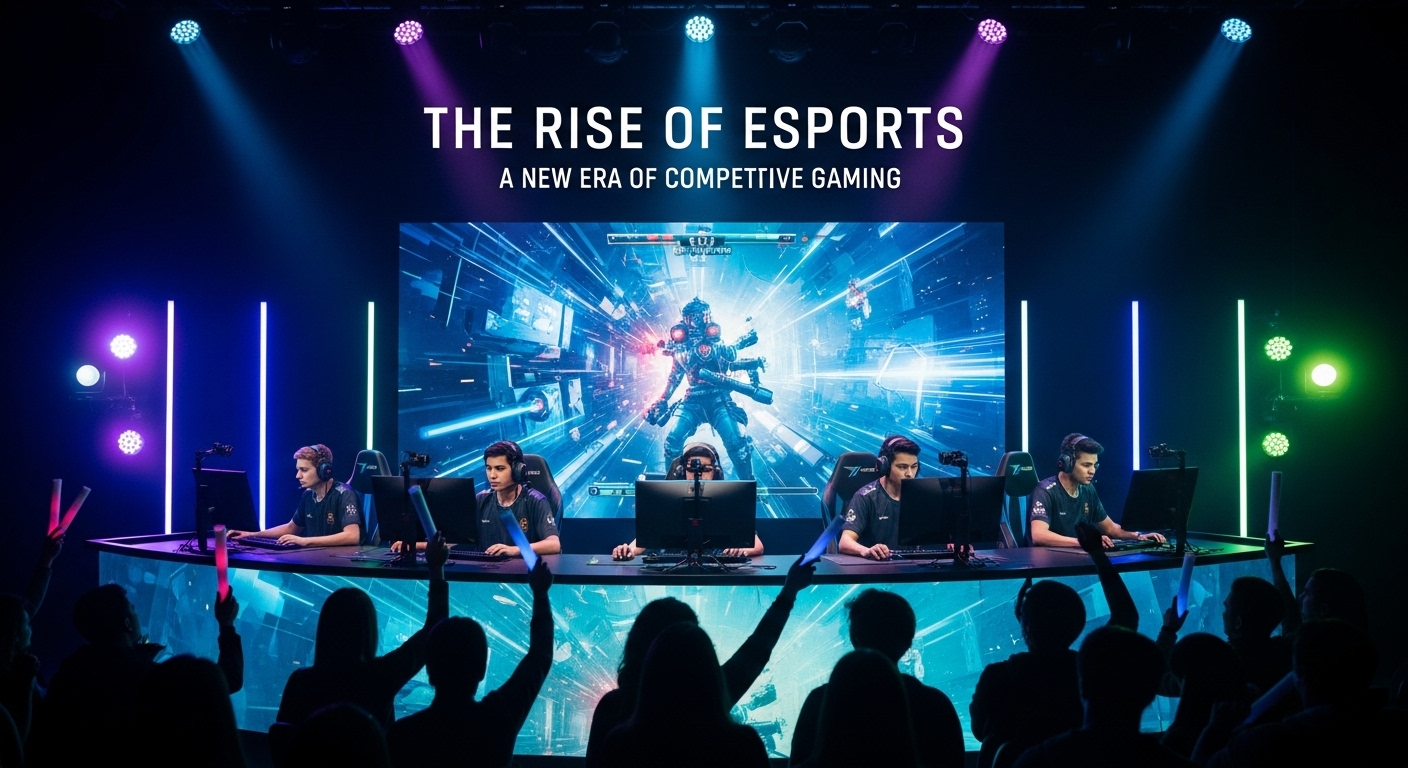
In the last two decades, the landscape of entertainment and sports has undergone a radical transformation. Esports, short for electronic sports, has emerged as a major global phenomenon, captivating millions of fans and generating billions of dollars annually. What started as casual gaming in bedrooms and basements has now evolved into a professional industry with tournaments, sponsorships, and world-renowned players. Unlike traditional sports, esports combines technology, creativity, strategy, and social engagement in a way that resonates with a generation born into the digital era. This blog explores the evolution, impact, and future of esports while highlighting its unique position in the world of competitive entertainment.
The Origins of Esports: From Arcade Competitions to Online Gaming
The concept of competitive video gaming dates back to the late 1970s and 1980s, with simple arcade tournaments drawing local crowds. Games like Space Invaders and Pac-Man became the foundation for early competitions, culminating in events like the 1980 Space Invaders Championship, which attracted thousands of participants across the United States. These early tournaments were the seeds of what would eventually grow into esports.
The 1990s marked the rise of online multiplayer games, particularly with the advent of the internet. Titles like Quake, Counter-Strike, and StarCraft transformed competitive gaming into a community-driven experience. Gamers could now compete with others across cities, countries, and continents. The introduction of LAN (Local Area Network) tournaments added professionalism to the scene, setting the stage for modern esports leagues.
Esports Today: A Billion-Dollar Industry
Esports has grown beyond small-scale tournaments to become a massive industry. The sector now encompasses professional teams, sponsorship deals, advertising revenue, and media rights, generating billions of dollars annually. Popular games such as League of Legends, Dota 2, Fortnite, and Call of Duty dominate the competitive landscape, each boasting dedicated leagues and international championships.
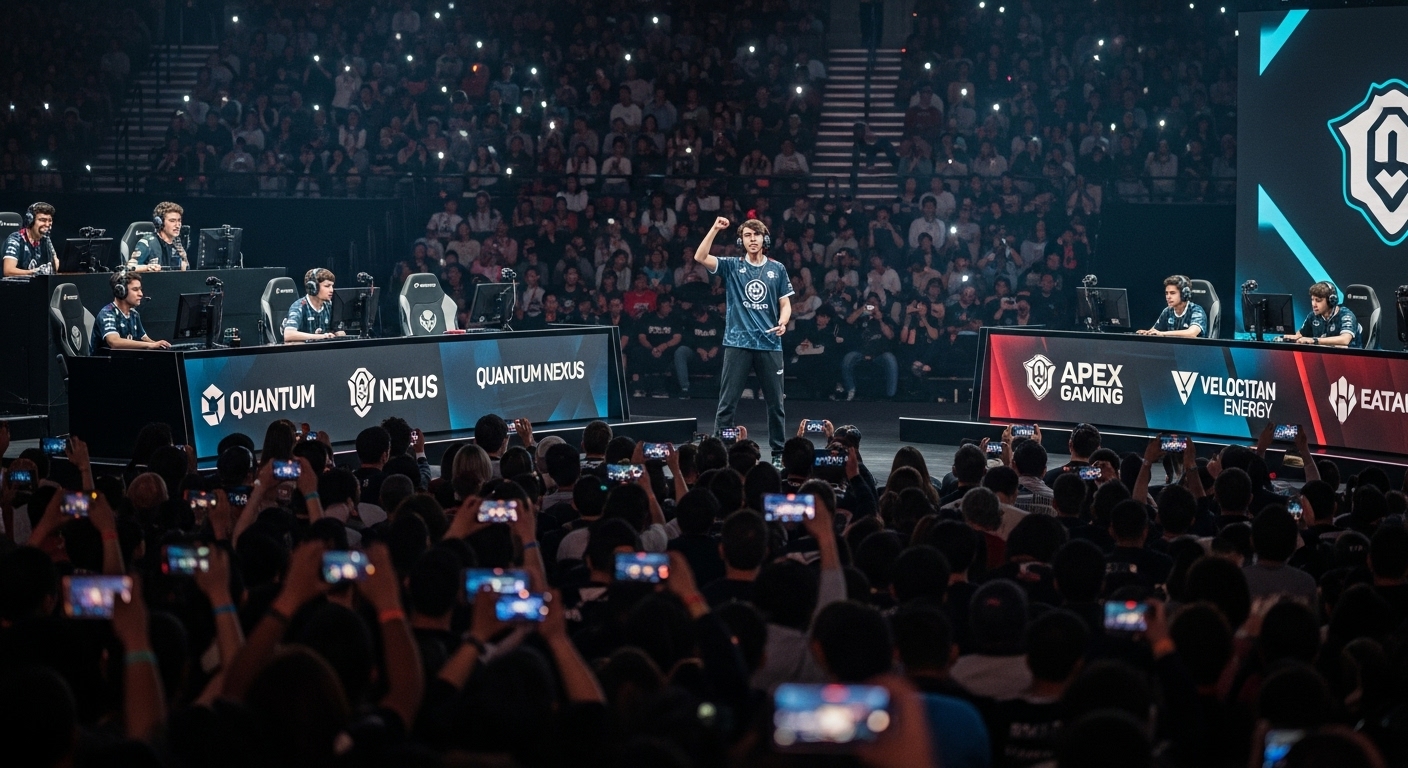
Major tournaments now rival traditional sporting events in terms of viewership. The League of Legends World Championship and The International Dota 2 Championship attract millions of online viewers and fill arenas with tens of thousands of spectators. Players have become celebrities, commanding large fan followings on social media and streaming platforms. This level of popularity has attracted mainstream brands, leading to lucrative sponsorships and collaborations with non-endemic companies such as beverage brands, fashion labels, and tech giants.
The Role of Streaming Platforms in Esports Growth
Streaming platforms have played a pivotal role in the rise of esports. Platforms such as Twitch, YouTube Gaming, and Facebook Gaming have created direct channels for players to showcase their skills to a global audience. Unlike traditional sports, esports offers a more interactive experience, where fans can communicate with players, influence matches, and participate in virtual communities.
Live streaming also provides opportunities for monetization, including subscriptions, donations, and brand partnerships. This ecosystem has allowed players to turn their passion into a career and has contributed to the professionalization of esports. Streamers often combine entertainment with gameplay, offering viewers unique personalities and content beyond the competitive matches themselves.
The Competitive Structure: Leagues, Tournaments, and Teams
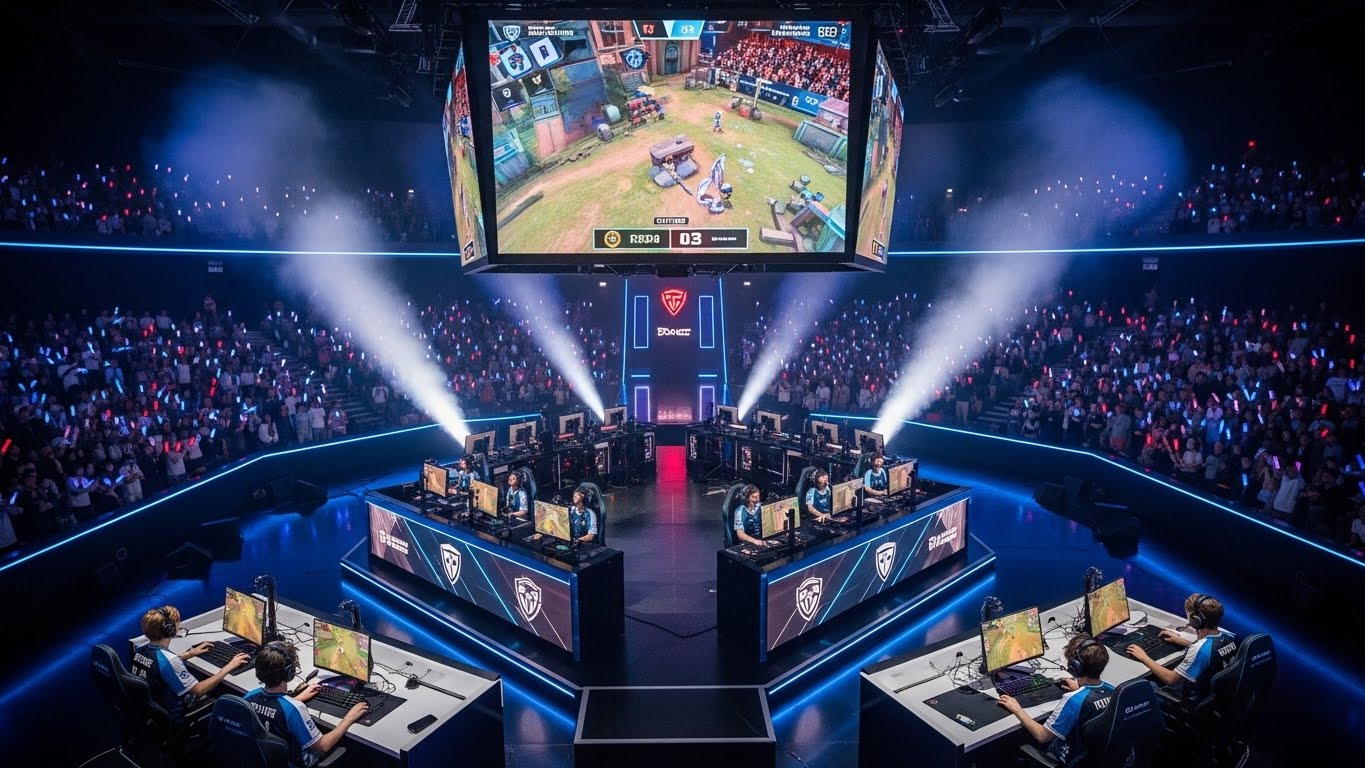
Esports competitions are structured similarly to traditional sports, with leagues, teams, and tournaments forming the backbone of the industry. Professional teams operate with coaches, analysts, managers, and support staff, reflecting the organization of conventional sports clubs. Teams recruit players through scouting, tryouts, and academies, ensuring a steady stream of talent.
Tournaments range from local events to international championships. Single-elimination, double-elimination, and round-robin formats are common, ensuring a balance between fairness and excitement. Prize pools have grown significantly, with some tournaments offering millions of dollars, making esports not only a recreational pursuit but also a lucrative career option for top players.
Esports as a Career: Opportunities and Challenges
For aspiring professional gamers, esports offers multiple career paths. Players can compete professionally, become streamers, work in esports marketing, management, or production, and even pursue roles in content creation or game development. Top-tier players often earn substantial salaries, sponsorships, and prize money, rivaling earnings in traditional sports.
However, a career in esports comes with challenges. The industry is highly competitive, with thousands of aspiring players vying for limited spots on professional teams. Burnout is common due to long hours of practice, high-pressure environments, and the need to constantly adapt to evolving games. Moreover, the lifespan of a professional esports career can be relatively short, pushing players to plan for life after active competition.
The Cultural Impact of Esports
Esports has also influenced global culture. It has created online communities that transcend borders, connecting people through shared interests in games. The rise of esports has influenced fashion, music, and digital content, creating a cultural footprint that rivals mainstream entertainment. Cosplay, fan art, and memes have become integral parts of esports fandom, highlighting the unique blend of gaming, creativity, and social interaction.
Furthermore, esports has challenged traditional notions of athleticism and competition. While it may not require physical endurance like conventional sports, esports demands mental acuity, strategic thinking, reflexes, and teamwork. Players are celebrated for their cognitive skills, strategic insights, and adaptability, redefining what it means to be an athlete in the 21st century.
Esports in Education and Youth Development
Recognizing its potential, educational institutions are beginning to embrace esports as a legitimate extracurricular activity. Schools and colleges now offer esports clubs, scholarships, and training programs, combining gaming with academic development. This integration promotes skills such as communication, teamwork, problem-solving, and digital literacy, which are valuable in various career paths.
Moreover, esports encourages inclusivity. Unlike traditional sports that may require physical prowess, esports allows individuals of diverse physical abilities to compete on an equal playing field. This democratization of competition has made esports accessible to millions of young people worldwide.
The Future of Esports: Innovation and Expansion
The future of esports is poised for continued growth and innovation. Virtual reality (VR) and augmented reality (AR) technologies are beginning to shape the next generation of immersive competitive experiences. Mobile esports is also expanding rapidly, especially in regions with high smartphone penetration, providing opportunities for a broader demographic of players and fans.
Esports organizations are investing in infrastructure, analytics, and research to improve player performance and fan engagement. Artificial intelligence is being used to analyze gameplay patterns, optimize strategies, and enhance streaming experiences. Additionally, the integration of esports with mainstream media, entertainment, and global events will continue to increase its visibility and cultural relevance.
Esports and Global Recognition
Esports has gained recognition from major sporting bodies, with discussions around inclusion in events such as the Asian Games and potential consideration for the Olympics. This recognition reflects the growing legitimacy of esports as a competitive discipline and a global form of entertainment. National governments are also investing in esports infrastructure, hosting international tournaments, and supporting professional leagues, further cementing its status as a mainstream industry.
Conclusion: The Enduring Appeal of Esports
Esports has transformed from a niche hobby into a global cultural and economic powerhouse. Its appeal lies in the combination of skill, strategy, entertainment, and community. From casual gamers to professional players, millions around the world are drawn to the excitement, camaraderie, and challenge that esports offers.
As technology advances and digital communities continue to flourish, esports will likely play an increasingly central role in global entertainment. It challenges traditional definitions of sport, fosters new social connections, and opens avenues for careers and personal growth. The journey of esports—from living room competitions to packed arenas and massive online audiences—demonstrates that the digital age has redefined what it means to compete, connect, and excel. The arena may be virtual, but its impact is profoundly real, shaping the future of entertainment, sports, and culture for generations to come.