Introduction: The Emergence of Esports
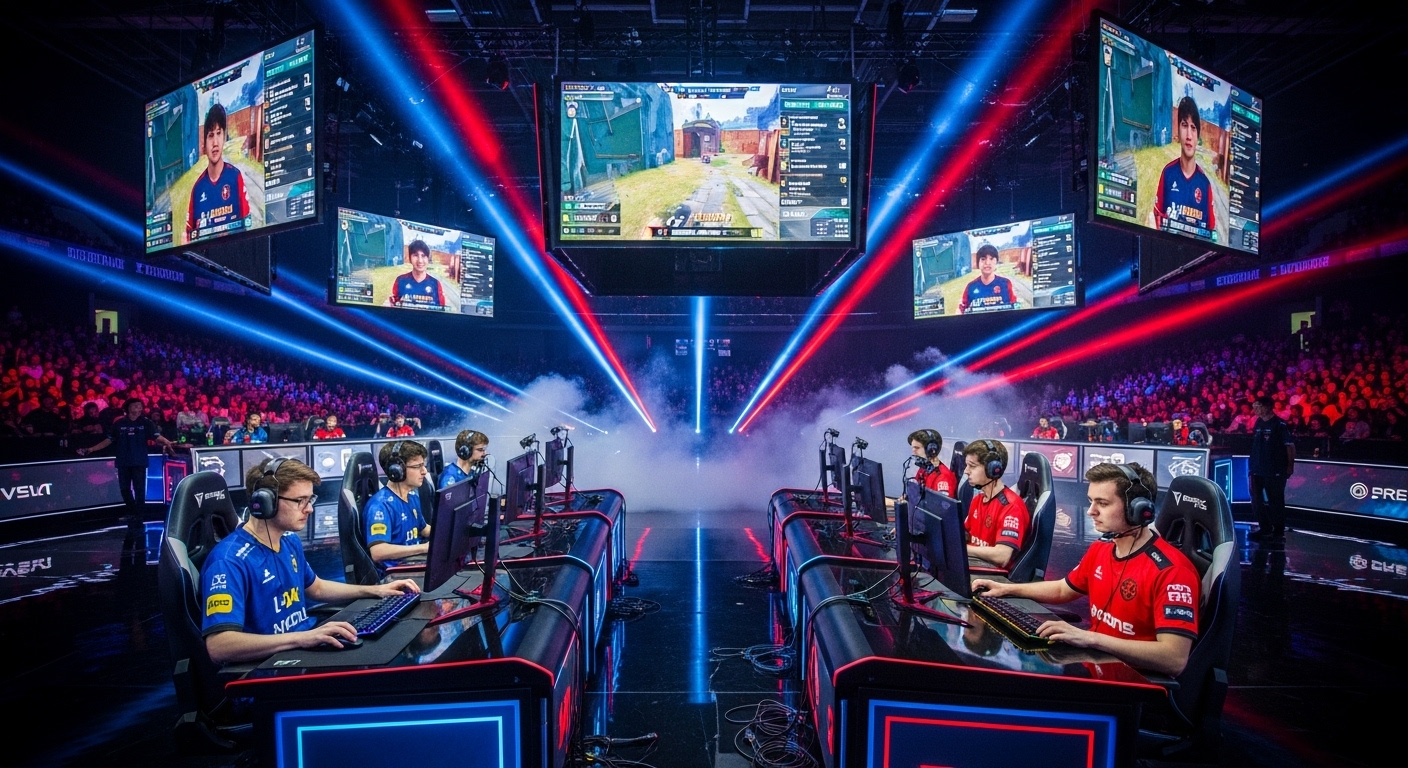
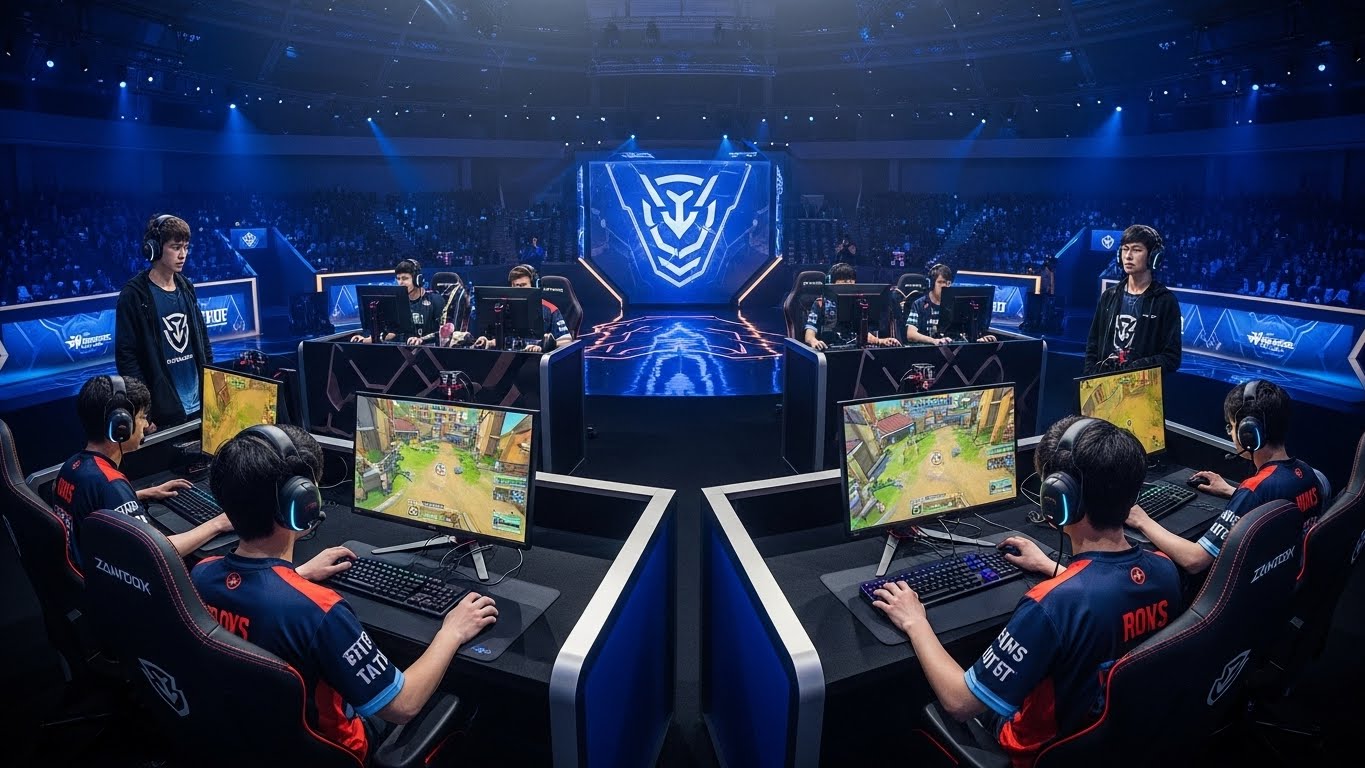
Esports, or competitive gaming, has grown from a niche hobby into a global phenomenon. What was once considered casual entertainment among friends has evolved into a professional, organized, and highly competitive industry. Esports encompasses tournaments, leagues, and championships across various genres of video games, attracting millions of players and viewers worldwide. The rise of esports demonstrates the convergence of technology, entertainment, and competition, transforming the way people interact with games and redefining what it means to be an athlete in the digital era.
The Origins and Evolution of Esports
The history of esports stretches back several decades. In the early days, local gaming competitions were organized around arcade games and early console titles. Tournaments for games like Street Fighter and StarCraft became the first platforms for competitive gaming, laying the foundation for a structured esports ecosystem. With the advent of the internet, multiplayer online games allowed players to compete across borders in real time, sparking international interest. Over time, esports evolved into a fully professionalized industry, complete with sponsorships, team franchises, broadcasting, and dedicated esports arenas.
Global Popularity and Reach
Esports has become a worldwide cultural phenomenon, appealing to millions of fans and players across continents. Nations such as South Korea, China, and the United States have become hubs for competitive gaming, hosting large-scale tournaments and fostering professional leagues. International events draw massive viewership, rivaling traditional sports competitions. The accessibility of esports through online streaming platforms has made it possible for fans everywhere to follow their favorite players, participate in communities, and experience live events, making esports a truly global form of entertainment.
Professional Teams and Players
At the heart of esports are professional teams and players who dedicate countless hours to practice, strategy, and performance. Competitive games require precision, coordination, and quick decision-making, demanding both mental and physical agility. Professional players undergo rigorous training, often working with coaches, analysts, and support staff to optimize performance. Beyond skill, players build personal brands, engage with fans, and participate in content creation, turning esports into both a career and a lifestyle. These athletes exemplify discipline, perseverance, and dedication, proving that esports requires the same level of commitment as traditional sports.
Popular Esports Genres
Esports spans a variety of genres, each requiring unique skills and strategies. Multiplayer Online Battle Arena (MOBA) games, such as League of Legends and Dota 2, focus on teamwork, tactical decision-making, and map awareness. First-person shooters (FPS) like Counter-Strike: Global Offensive and Valorant emphasize reflexes, precision, and situational awareness. Sports simulations, including FIFA and NBA 2K, combine gaming with real-world athletic knowledge. Each genre attracts different audiences while highlighting core aspects of competitive gaming, such as strategy, skill, and mental resilience.
The Role of Streaming Platforms
Streaming platforms have been instrumental in popularizing esports. Services like Twitch and YouTube Gaming allow fans to watch live competitions, interact with players, and access tutorials, highlights, and analysis. Streaming has also enabled aspiring gamers to showcase their talent, build fan bases, and secure sponsorship opportunities. The ability to watch, learn, and participate in discussions online has expanded the reach of esports, turning it into a mainstream form of entertainment.
The Economic Impact of Esports
Esports has grown into a multi-billion-dollar industry. Revenue comes from sponsorships, merchandise, ticket sales, media rights, and advertising. Major tournaments offer substantial prize pools, attracting top talent and global attention. Cities and nations invest in infrastructure, stadiums, and events, generating employment and tourism opportunities. The economic significance of esports extends beyond the gaming industry, influencing media, technology, and marketing sectors. Its financial growth reflects the mainstream acceptance and commercial potential of competitive gaming.
Mental and Physical Demands
Esports players face significant mental and physical challenges. High-level competition requires focus, quick decision-making, strategic thinking, and emotional control. Players must manage stress, maintain motivation, and remain adaptable in high-pressure situations. Physically, long hours of practice can cause repetitive strain injuries, vision problems, and posture issues. Top-tier players incorporate fitness routines, nutrition plans, and mental conditioning to maintain peak performance. Success in esports is not just about gaming skill—it is a combination of mental resilience, physical well-being, and strategic expertise.
Youth Engagement and Development
Esports has a profound influence on youth, providing opportunities for skill development, teamwork, and digital literacy. Young players learn critical thinking, communication, problem-solving, and collaboration through competitive gaming. Schools and youth programs increasingly recognize esports as a valuable educational tool, offering structured training and safe environments for participation. Early engagement in esports can foster discipline, creativity, and leadership, while also encouraging positive social interaction and community building.
Social and Cultural Impact
Esports is more than just a game; it is a social and cultural force. Fans interact in online communities, discuss strategies, and share experiences, creating vibrant networks of engagement. Esports tournaments foster global cultural exchange, allowing players and audiences from diverse backgrounds to connect through shared passion. The industry has influenced fashion, music, and digital media, reflecting the values and interests of digitally-native audiences. Esports demonstrates how gaming can shape culture, inspire creativity, and bring communities together across borders.
Challenges and Controversies
Despite its growth, esports faces several challenges. Player burnout, online toxicity, and excessive screen time are ongoing concerns. Ensuring fair play, maintaining mental and physical health, and promoting inclusivity are critical for the sustainability of the industry. Gender representation remains a challenge, as female participation in esports continues to grow but still faces barriers. Addressing these issues is essential for creating a safe, equitable, and thriving esports ecosystem.
Esports as a Career Path
Esports offers diverse career opportunities beyond professional gameplay. Roles include coaching, team management, content creation, event production, broadcasting, and marketing. Esports academies and educational programs now prepare students for these careers, combining gaming expertise with business, media, and technology knowledge. The industry allows individuals to build personal brands, secure sponsorships, and contribute to the development of competitive gaming on a global scale. Esports careers are diverse, rewarding, and increasingly recognized as legitimate professional pathways.
The Future of Esports
The future of esports is dynamic and full of potential. Emerging technologies such as virtual reality, augmented reality, and artificial intelligence are expected to enhance gameplay and audience engagement. Esports may integrate more closely with traditional sports, education, and entertainment, creating hybrid experiences. Global connectivity, innovative content, and inclusive practices will continue to drive growth. As esports evolves, it has the potential to redefine competition, storytelling, and digital interaction for future generations.
Esports and Entertainment
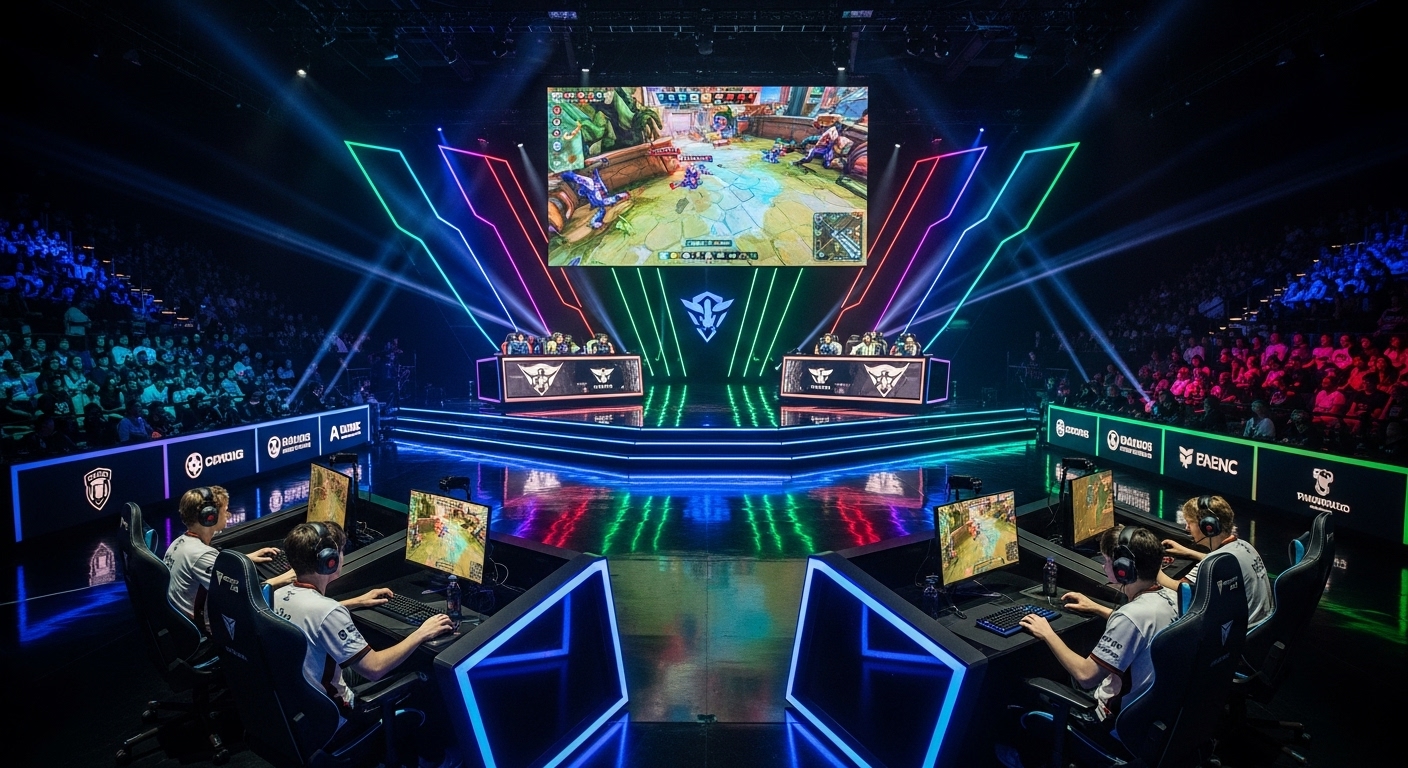
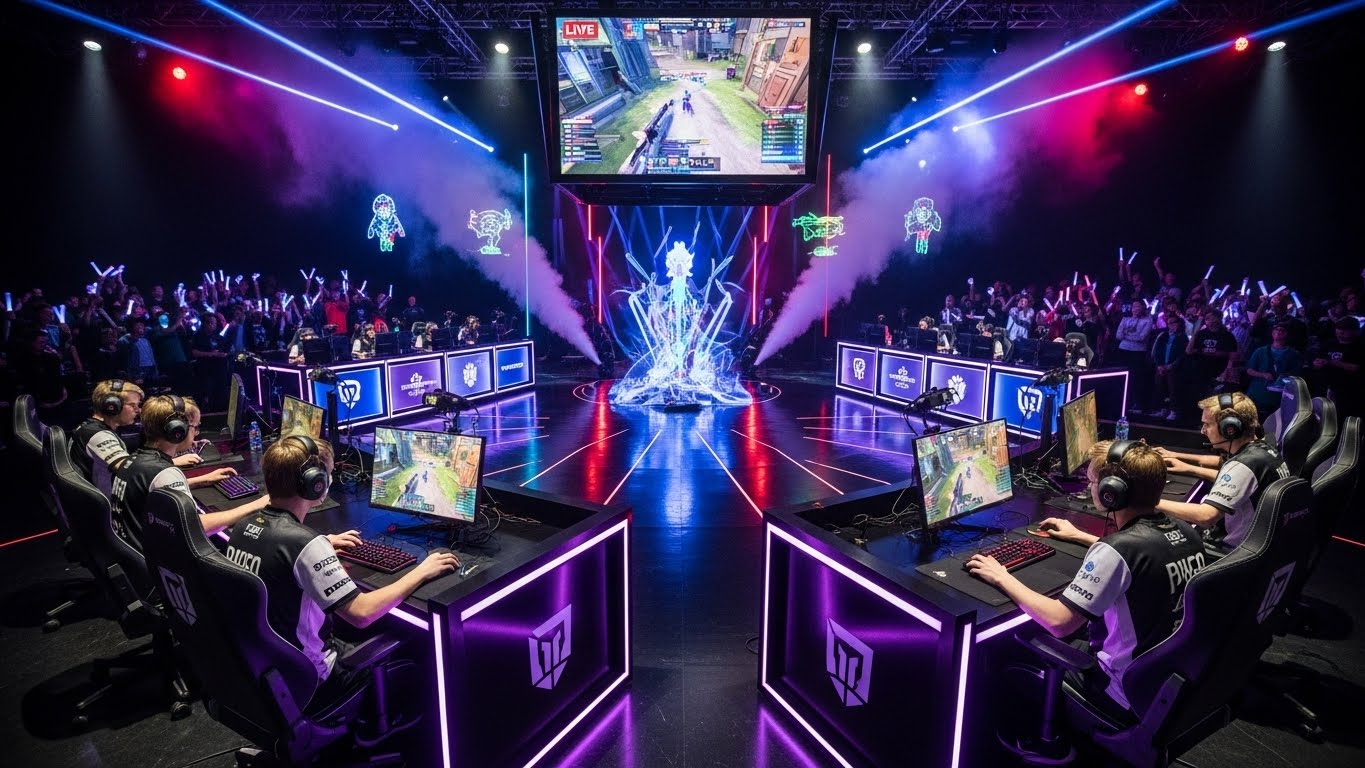
Esports is at the intersection of gaming and entertainment, offering spectators an engaging and immersive experience. Professional competitions are broadcast with high production value, commentary, and live analysis, creating drama, excitement, and spectacle. The combination of skill, strategy, and narrative makes esports a unique form of entertainment, attracting audiences who enjoy both the competitive and theatrical aspects of gameplay. This dual role of esports as both sport and entertainment highlights its cultural significance in the digital age.
Conclusion: The Significance of Esports
Esports represents the convergence of technology, skill, and global connectivity in a way that is unparalleled by traditional forms of entertainment. It engages millions of players, fans, and professionals, offering opportunities for personal growth, community building, and professional success. Its impact extends beyond gaming, influencing culture, economy, and social interaction. As esports continues to grow, it solidifies its position as a legitimate, influential, and transformative force in modern entertainment, redefining what it means to compete, connect, and create in the digital era.