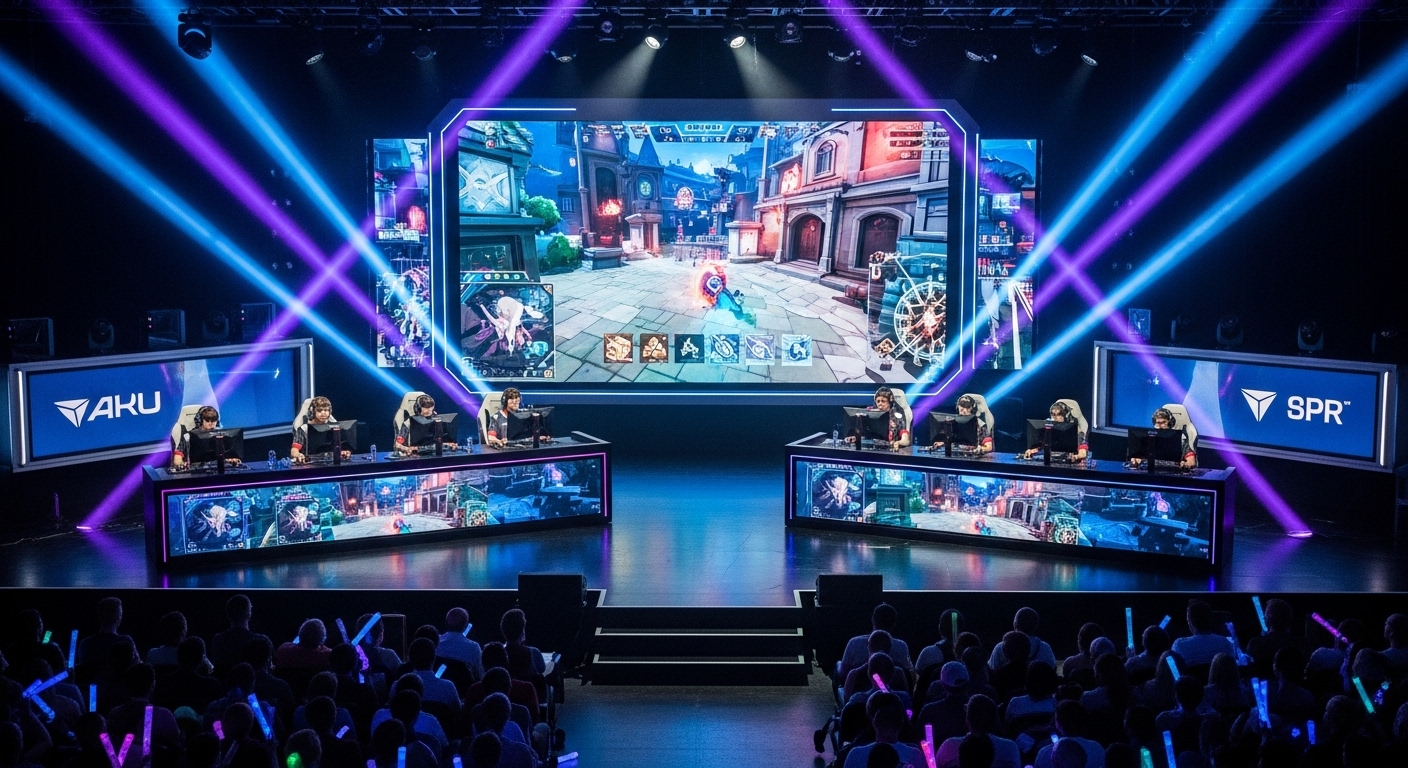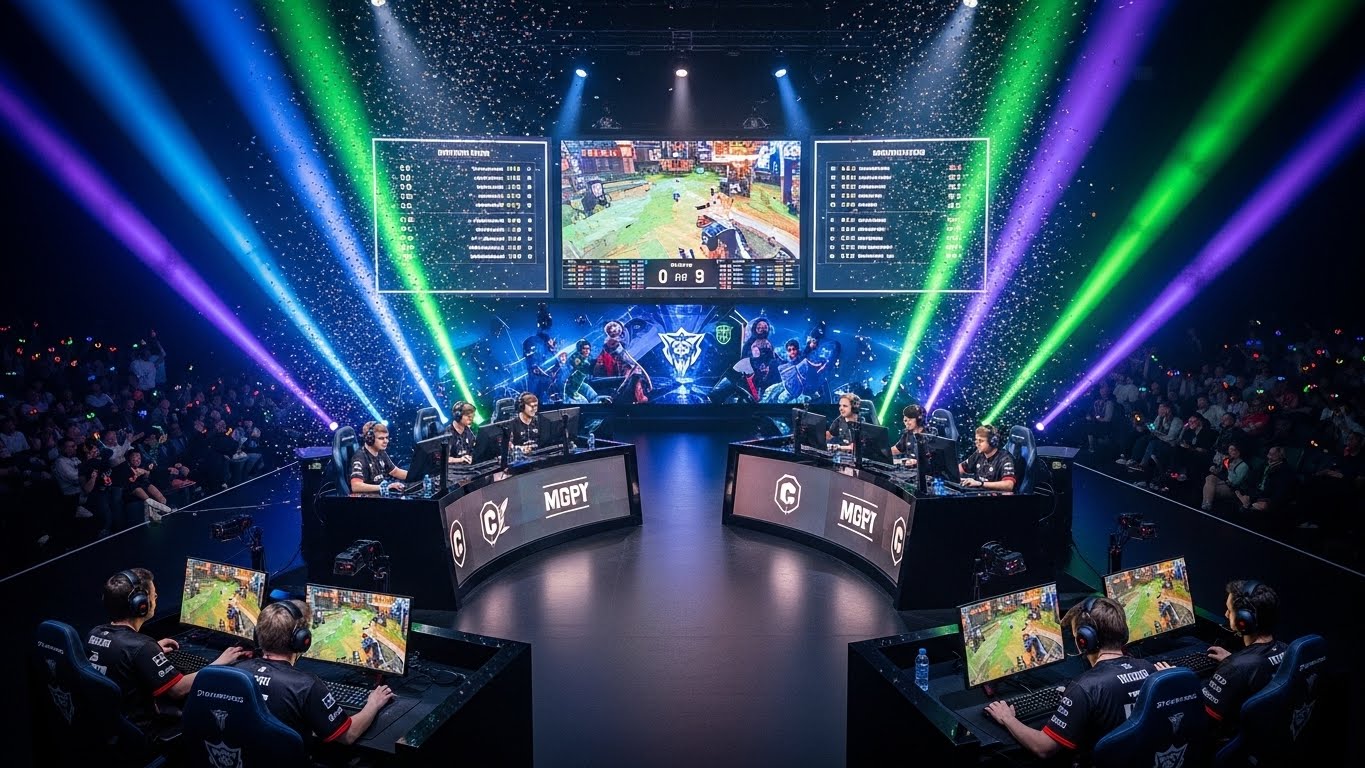
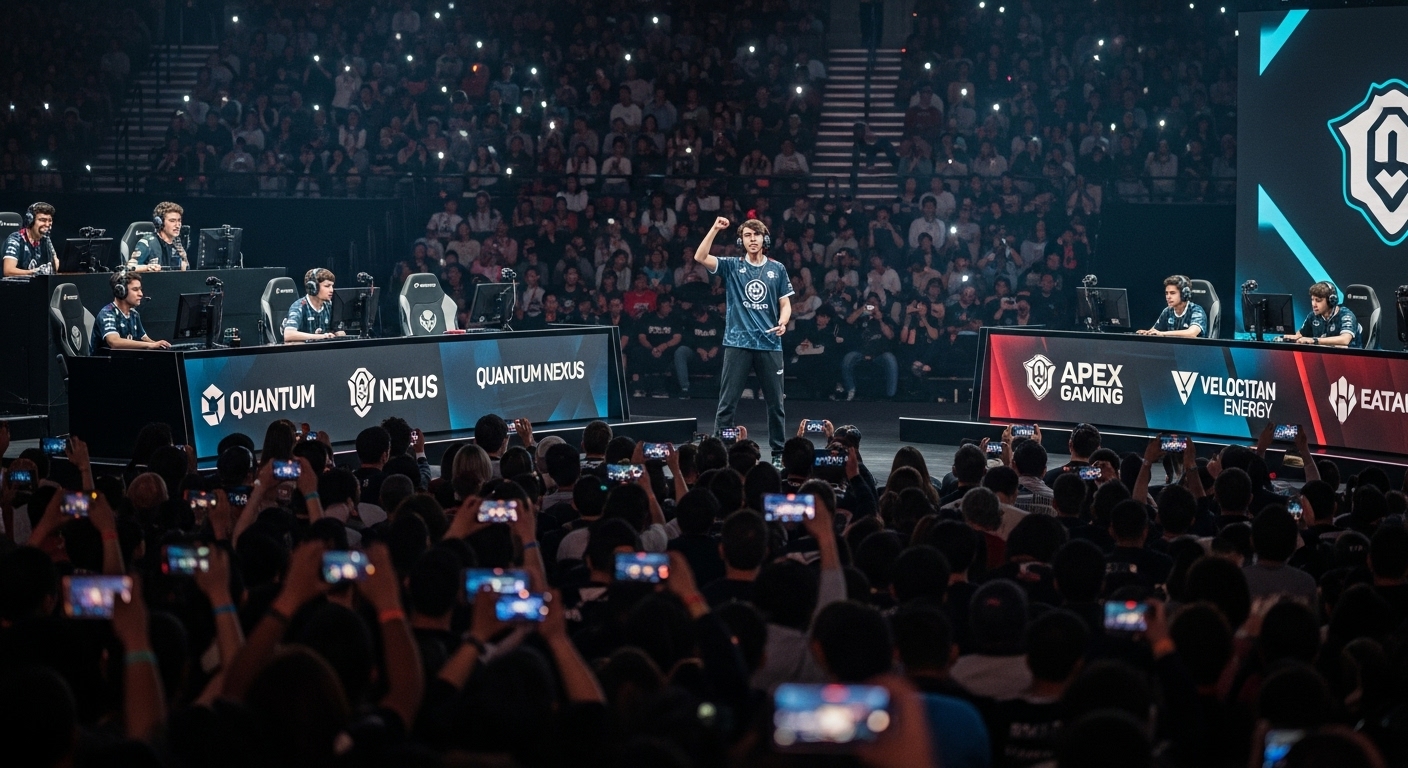
Esports, once a niche hobby for gamers, has evolved into a global phenomenon that now commands millions of viewers, professional athletes, and substantial industry investment. With its rapid growth in both the competitive gaming and entertainment sectors, esports has become a driving force in modern culture. In this blog post, we will explore the rise of esports, its impact on entertainment, the business of competitive gaming, and the future of this exciting new sport.
The Origins of Esports: From LAN Parties to Global Arenas
While competitive gaming has existed in some form since the early days of video games, it wasn’t until the late 1990s and early 2000s that esports truly began to take shape. The foundation of esports was laid in the competitive gaming scene, where tournaments and gaming events were organized for popular titles like Quake, StarCraft, and Counter-Strike.
In the beginning, esports was often a grassroots movement. Local tournaments, LAN (Local Area Network) parties, and small-scale competitions were the lifeblood of competitive gaming. Gamers would gather in arenas, sometimes in the living rooms of friends or rented halls, to compete against each other, showcasing their skills in multiplayer games. These events were a way for enthusiasts to engage in their passion and, in some cases, win small prizes or bragging rights.
The early years of esports were marked by a strong sense of community and camaraderie. Fans and players alike shared the excitement of these events, and the competitive nature of gaming began to gain recognition as a legitimate sport in certain circles. This humble start laid the groundwork for what would eventually explode into a multi-billion-dollar industry.
The Growth of Esports: Turning Hobbyists into Professionals
As internet access became more widespread and technology advanced, esports transitioned from small LAN parties to larger-scale, more organized events. In the early 2000s, tournaments for games like Warcraft III and StarCraft began to draw significant attention, and professional gaming organizations started to form.
The launch of major tournaments such as World Cyber Games (WCG) and Electronic Sports World Cup (ESWC) helped elevate the competitive gaming scene from its grassroots origins. These tournaments attracted sponsorships, media coverage, and a larger audience, setting the stage for esports to become a recognized global industry.
One of the most significant turning points came with the rise of League of Legends, Dota 2, and Counter-Strike: Global Offensive. These games introduced sophisticated esports ecosystems, complete with regular tournaments, professional leagues, and global fanbases. The creation of online platforms like Twitch, which allowed gamers to stream their gameplay live, played a pivotal role in expanding the reach of esports to a global audience.
The influx of professional organizations and sponsors, as well as the emergence of dedicated esports broadcasting networks, further legitimized esports as a competitive sport. What was once a subculture had transformed into an industry with full-time athletes, coaches, analysts, and broadcasters. With millions of dollars in prize pools, sponsorship deals, and media rights, esports had become a serious business.
The Business of Esports: A Billion-Dollar Industry
Esports today is a multi-billion-dollar industry with an enormous global audience. According to industry reports, the global esports economy is expected to generate over $1.5 billion in revenue by 2025, with significant contributions from sponsorships, media rights, advertising, and merchandise sales.
Sponsorships and Advertising
One of the main drivers of revenue in esports is sponsorship. Major global brands like Intel, Nike, Coca-Cola, and Red Bull have invested heavily in esports, sponsoring teams, tournaments, and individual players. These sponsorships provide esports organizations with the financial backing they need to operate and grow, while also offering brands a unique way to reach a highly engaged and youthful audience.
Advertising within esports is also a key revenue stream. With live broadcasts of tournaments, companies can advertise products and services directly to viewers in ways that are both targeted and interactive. Whether through in-game advertising, product placements, or ads during live broadcasts, the esports audience presents an appealing demographic for advertisers looking to reach tech-savvy, sports-loving consumers.
Media Rights and Broadcasting
Just as traditional sports have lucrative television deals, esports is now seeing significant revenue from media rights. Major esports tournaments, such as The International (Dota 2) and the League of Legends World Championship, are broadcast on streaming platforms like Twitch and YouTube Gaming, and some are even featured on television networks. This wide range of media exposure has helped grow the viewership base and attracts significant broadcasting rights deals.
Streaming platforms like Twitch have also enabled individual streamers to monetize their content through ads, subscriptions, and donations. This has given rise to a new class of esports personalities and influencers who have become celebrities in their own right.
Merchandising and Ticket Sales
The esports industry also generates revenue through merchandise sales. Team jerseys, branded gaming peripherals (headsets, controllers, keyboards), and other esports-related products have become highly sought after by fans. In fact, the global esports merchandise market is expected to grow significantly, as fans become more invested in the culture of their favorite teams and players.
Ticket sales from live events, especially major tournaments, contribute significantly to the esports economy. Large-scale competitions held in arenas or stadiums, such as the League of Legends World Finals or Overwatch League Grand Finals, attract thousands of spectators, and ticket prices can range from affordable passes to VIP packages, providing an additional stream of income for organizers.
Esports as Entertainment: The Evolution of Viewership and Fan Culture
One of the most unique aspects of esports is the deep and passionate connection between players, fans, and teams. Just like traditional sports, esports has fostered a sense of loyalty and community. Fans not only watch the games but also follow players’ careers, support their favorite teams, and engage with the wider esports ecosystem through social media and online forums.
Esports tournaments now draw in millions of viewers. The League of Legends World Championship regularly attracts over 100 million unique viewers, while The International (Dota 2) has broken records for online viewership, with more than 40 million people tuning in to watch the grand finals.
These events are often broadcast live, and viewers can watch players compete in real-time. But unlike traditional sports, esports also allows for interactive elements such as real-time chat, voting, and live polls. Fans can interact with the game, the players, and the commentators, creating an immersive experience that traditional sports can’t quite replicate.
Esports also attracts fans from around the globe, thanks to the accessibility of streaming platforms. A viewer from the United States can watch a tournament being held in Korea, while someone in Europe can tune into a broadcast from China, all at the same time. This global reach has expanded the fan base of esports, creating an international community that thrives on the shared love of gaming.
The Rise of Esports Athletes: A New Breed of Professional Gamers
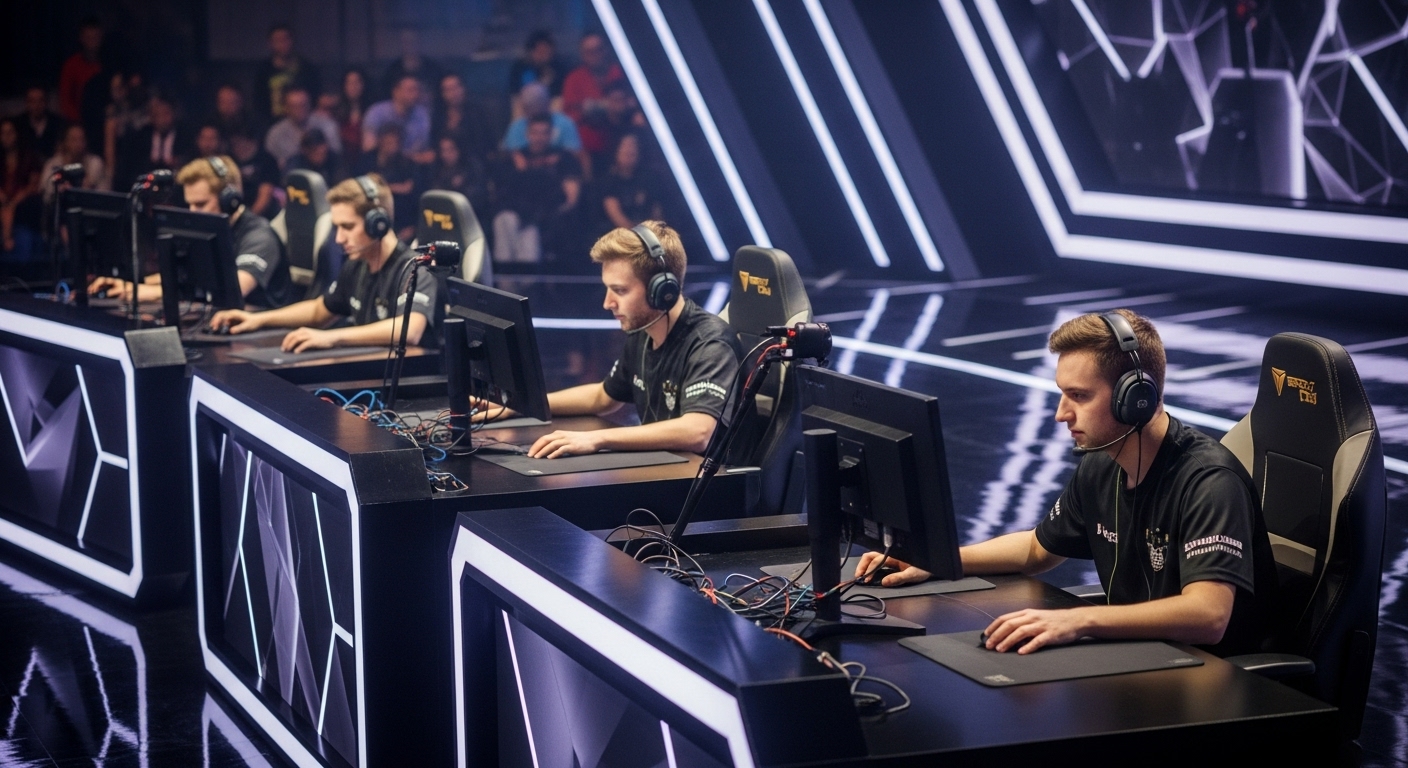
Esports athletes, much like professional sports players, dedicate their lives to training, competing, and maintaining peak performance. Professional gamers have become celebrities in their own right, with sponsorships, brand deals, and social media followings rivaling traditional athletes.
The demands placed on esports athletes are intense. Just as basketball players undergo rigorous physical training, esports athletes need to maintain mental sharpness, quick reflexes, and tactical awareness. Many players follow strict training schedules, practicing for hours each day to refine their skills and strategies. Esports teams are often made up of highly specialized players who focus on specific roles, and these teams are managed by coaches and analysts who help to strategize and improve overall performance.
The career longevity of esports athletes can be shorter than in traditional sports, with players often retiring in their late 20s or early 30s due to the physical and mental demands of the profession. However, the rise of streaming and content creation has allowed many former professional players to transition into long-lasting careers as influencers, content creators, and team coaches.
The Future of Esports: Innovation, Growth, and Global Expansion
The future of esports looks bright. With the continued growth of the industry, we are likely to see more investment, more innovation, and even greater global exposure. Here are a few trends shaping the future of esports:
Integration with Traditional Sports
Esports and traditional sports are beginning to intersect. Professional sports teams and leagues are starting to invest in esports, either by forming their own teams or partnering with existing organizations. In 2020, the NBA 2K League and FIFA eWorld Cup became prominent examples of esports being integrated with traditional sports.
Mobile Gaming and Accessibility
As mobile gaming continues to grow, esports tournaments are expanding to include mobile titles. Games like PUBG Mobile, Free Fire, and Mobile Legends have large, dedicated player bases, and tournaments for these games are attracting millions of viewers. This is helping to make esports even more accessible to a broader audience, particularly in regions where high-end gaming PCs are not as common.
Virtual Reality and Augmented Reality
Esports is also on the verge of embracing virtual reality (VR) and augmented reality (AR), creating even more immersive and interactive experiences for players and fans. VR tournaments could change how games are played and watched, taking esports into new dimensions.
College Esports Programs
Esports is even making its way into academic institutions. Colleges and universities around the world are beginning to offer scholarships for esports players and are even forming their own competitive teams. This is helping to legitimize esports as a serious pursuit, offering young athletes the chance to develop their skills professionally while pursuing higher education.