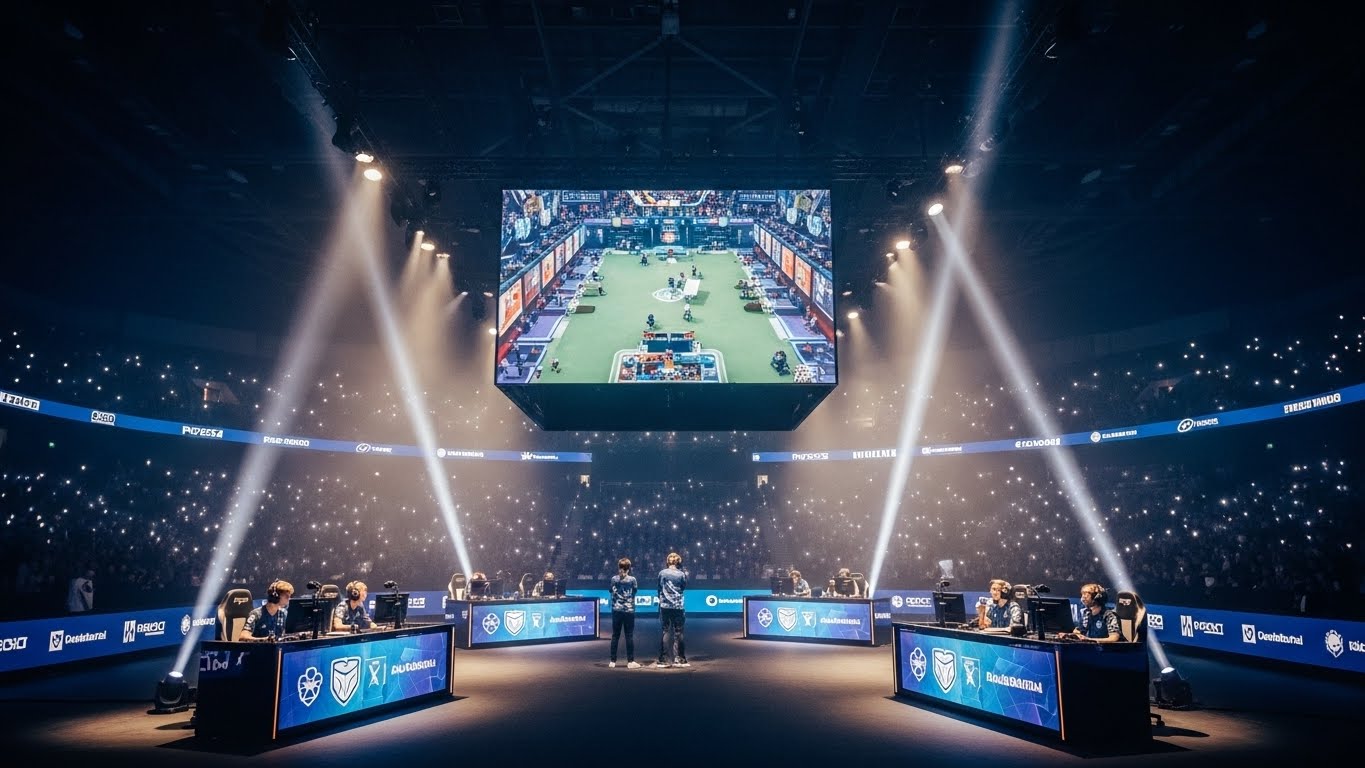
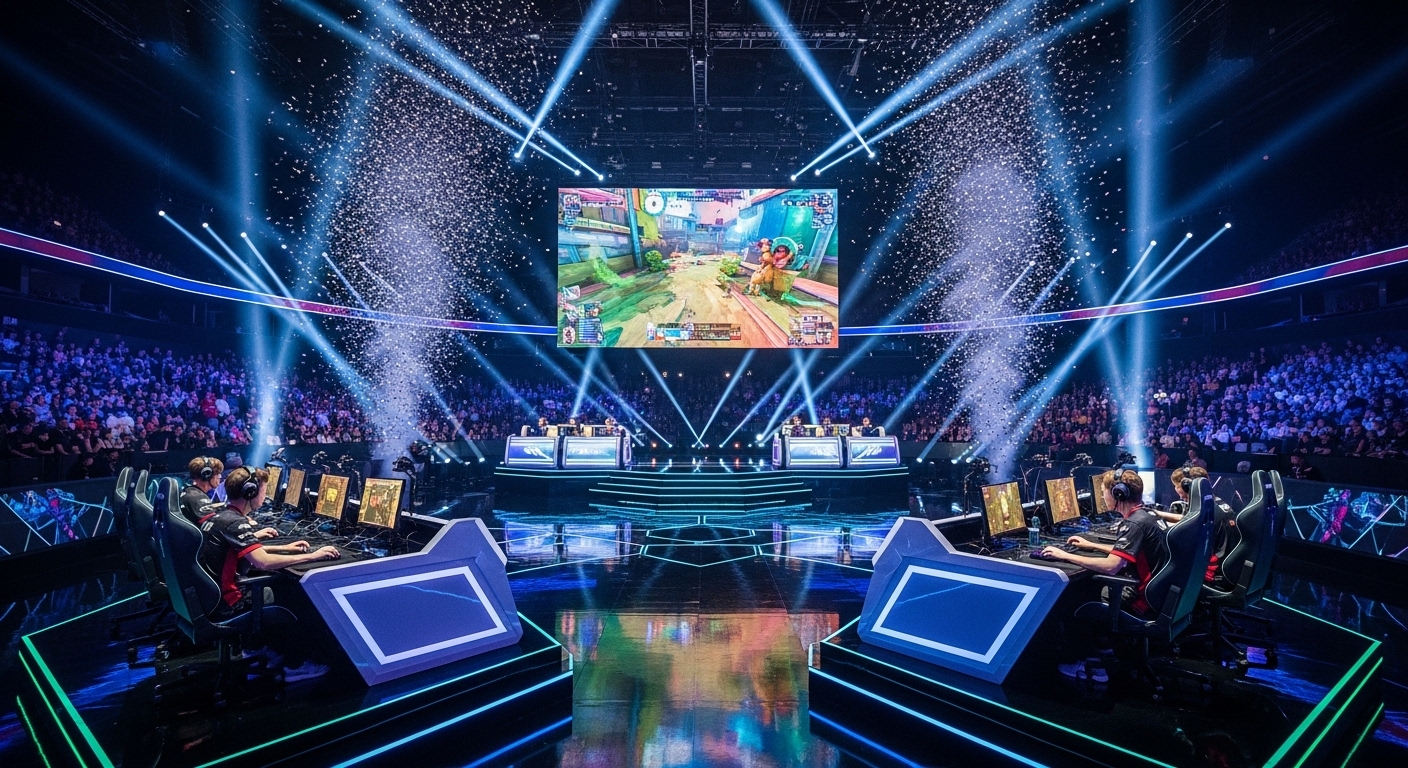
eSports, or competitive gaming, has transformed from a niche hobby into a global phenomenon. Once considered a pastime for enthusiasts, it now commands stadiums, television broadcasts, and multi-million-dollar sponsorships. Professional gamers, teams, and leagues have emerged, creating a structured ecosystem that rivals traditional sports in both viewership and revenue. But eSports is more than just competition; it is a cultural movement that combines technology, entertainment, and community in unprecedented ways.
The Origins of eSports: From Arcades to Online Arenas
The roots of eSports trace back to the 1970s and 1980s, when early video game competitions took place in arcades. Players competed in classics such as Space Invaders and Pac-Man, aiming for high scores and local recognition. These competitions were informal but laid the foundation for organized gaming events.
The 1990s brought the rise of LAN parties and the proliferation of multiplayer PC games. Titles like StarCraft and Counter-Strike became staples of competitive gaming, allowing players to connect over networks and compete beyond local arcades. This era introduced the concept of professional gaming as more than a hobby — it could become a serious pursuit.
The Explosion of Online Gaming
The internet revolutionized eSports by making global competition possible. Online multiplayer games allowed players to challenge opponents anywhere in the world, dramatically increasing the scale and accessibility of competitive gaming. Platforms such as Battle.net and early online tournaments provided the infrastructure for professional leagues and organized competitions.
Games like League of Legends, Dota 2, and Overwatch took advantage of online connectivity to build massive competitive communities. Online streaming and platforms dedicated to gameplay sharing further expanded visibility, allowing fans to watch professional matches live, interact with players, and participate in global gaming culture.
Professionalization of eSports: Teams, Leagues, and Sponsorships
One of the most significant developments in eSports has been its professionalization. Today, professional teams operate much like traditional sports organizations. Players sign contracts, train extensively, and compete in leagues with structured schedules. Organizations invest in coaching, nutrition, and mental health to maximize performance, recognizing that elite gaming demands discipline and strategy.
Major leagues, such as the League of Legends Championship Series (LCS) or the Overwatch League (OWL), have elevated eSports to a level comparable to professional sports. Sponsorships from major brands, including technology companies and lifestyle products, generate substantial revenue and visibility, further legitimizing eSports as a mainstream phenomenon.
The Global Reach of eSports
eSports is a truly global phenomenon. Countries like South Korea have long embraced competitive gaming as a cultural staple, with televised matches and star players enjoying celebrity status. In North America and Europe, eSports has grown rapidly, attracting both casual and professional audiences. Emerging markets in Southeast Asia, Latin America, and the Middle East are also driving growth, demonstrating the universal appeal of competitive gaming.
International tournaments such as The International for Dota 2 or the Fortnite World Cup highlight the global scale of eSports. Players from different continents compete for prize pools that reach millions of dollars, showcasing both skill and strategic mastery. These competitions not only entertain but also foster cross-cultural connections among fans and players worldwide.
The Role of Streaming and Digital Platforms
Streaming platforms like Twitch and YouTube Gaming have been pivotal in eSports’ rise. Fans can watch live tournaments, follow individual players, and engage with communities in real time. This interaction transforms spectatorship into participation, creating a dynamic ecosystem where content consumption and social engagement merge.
Streaming has also given rise to influencers and content creators who shape gaming culture. These personalities attract millions of viewers, bridging the gap between casual and professional gaming. Through live commentary, tutorials, and behind-the-scenes content, streaming platforms have democratized access to eSports, allowing fans to experience the excitement of competitive gaming firsthand.
Skill, Strategy, and Teamwork in eSports
eSports is not simply about reflexes or fast typing; it requires strategy, teamwork, and mental agility. Competitive players spend hours practicing mechanics, analyzing opponents, and coordinating with teammates. Strategy is critical, whether planning in-game rotations, resource management, or adapting to opponents’ tactics on the fly.
Team-based games like League of Legends or Counter-Strike demand synergy and communication. Individual skill is important, but victories often hinge on coordination, timing, and shared decision-making. This combination of physical dexterity and cognitive strategy distinguishes eSports as a highly demanding and intellectually engaging pursuit.
Health and Well-Being in Competitive Gaming
The rise of professional eSports has highlighted the importance of health and wellness in gaming. While long hours of practice are necessary to compete at the highest level, organizations are increasingly prioritizing player health. Physical fitness routines, mental coaching, and proper nutrition have become integral to peak performance.
Additionally, discussions around ergonomics and screen time emphasize the need for balance. Professional players must manage stress, prevent burnout, and maintain overall well-being to sustain their careers. These practices demonstrate that competitive gaming, like traditional sports, demands discipline, resilience, and self-care.
Economic Impact of eSports
eSports is a multi-billion-dollar industry, with revenue streams from sponsorships, media rights, merchandise, and ticket sales. High-profile tournaments offer prize pools that attract top-tier talent, while leagues and events generate income for organizers, broadcasters, and teams.
Beyond direct revenue, eSports has a ripple effect on related sectors, including hardware manufacturing, software development, and entertainment. Gaming peripherals, streaming equipment, and branded merchandise all contribute to the broader economic ecosystem. The financial growth of eSports highlights its potential as a sustainable industry with global reach.
Cultural Significance and Community
eSports has cultivated a distinct culture that blends competition, creativity, and community. Fans form social bonds through online forums, live events, and in-game interactions. Cosplay, fan art, and community tournaments celebrate the cultural impact of games beyond the competitive sphere.
This sense of community extends to inclusivity, as eSports welcomes players and fans regardless of gender, age, or background. Online platforms provide spaces for collaboration, mentorship, and learning, reinforcing the idea that gaming is a shared experience that transcends traditional barriers.
Challenges Facing eSports
Despite its growth, eSports faces challenges that must be addressed for sustainable development. Concerns include player burnout, addiction, and mental health issues stemming from intense competition. Regulatory frameworks are still evolving, raising questions about contracts, player rights, and fair play.
Another challenge is mainstream perception. While attitudes are changing, some still view gaming as frivolous or unproductive. Advocates must continue to demonstrate that eSports is a legitimate, skill-intensive pursuit with cultural, economic, and social significance.
The Future of eSports: Innovation and Expansion
The future of eSports is promising, with technology and innovation driving growth. Virtual reality, augmented reality, and cloud gaming will redefine competition, offering immersive experiences for players and spectators alike. Expanding mobile eSports is bringing competitive gaming to broader audiences, particularly in regions where PCs and consoles are less accessible.
Moreover, traditional sports organizations are investing in eSports, integrating gaming into their brands and reaching new generations of fans. Education is also embracing competitive gaming, with scholarships and collegiate leagues formalizing pathways for aspiring professional players. These developments suggest that eSports will continue to expand, both as a sport and as a cultural force.
Conclusion: eSports as a Transformative Force
eSports has emerged as a transformative force in entertainment, technology, and culture. It challenges traditional notions of sports, skill, and competition while creating a global community united by a shared passion for gaming. From local tournaments to international championships, eSports demonstrates that digital competition can be as thrilling, strategic, and culturally significant as any traditional sport.
As the industry continues to grow, it will redefine what it means to compete, connect, and create in the digital age. The future of eSports is not just about games; it is about shaping a new paradigm where technology, skill, and human creativity converge on a global stage. With its unique blend of strategy, performance, and community, eSports is proving that the virtual world can be just as vibrant and impactful as the real one.